Delaware Lake Fishing Report
One of the most common frustrations for anglers isn't necessarily a lack of fish, but a lack of up-to-date, reliable information about where the fish are biting and what they're biting on. You might have the best gear and all the enthusiasm in the world, but without local knowledge, it can feel like throwing darts in the dark. This comprehensive guide aims to shed light on the current fishing conditions at Delaware Lake, offering practical insights and tips to help you make the most of your next outing.
Unpacking Delaware Lake: A Central Ohio Angler's Gem
Delaware Lake, nestled in Delaware County, isn't just a picturesque spot for boating and recreation; it's a fantastic fishing destination right in the heart of Ohio. Formed by the damming of the Olentangy River, this reservoir offers a diverse fishery that appeals to a wide range of anglers, from those chasing trophy bass to families looking for a relaxing day catching panfish. Understanding its unique characteristics is the first step to unlocking its angling potential.
The Lay of the Land: Access and Structure
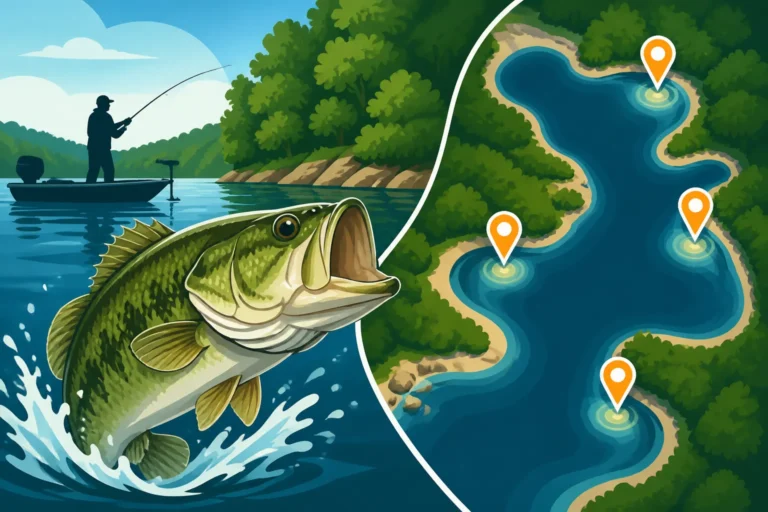
Spanning over 1,300 acres with a maximum depth pushing 30 feet in some areas near the dam, Delaware Lake provides ample room to explore. The lake’s irregular shoreline, peppered with coves, points, and submerged timber, creates an intricate network of fish-holding structures. Upstream sections, closer to the Olentangy River inflow, tend to be shallower and feature more stump fields and natural woody cover, making them prime spots for largemouth bass and crappie. As you move towards the dam, the lake deepens, offering more open water and main lake points where walleye and saugeye often cruise.
Access to Delaware Lake is quite good, with several boat ramps available at Delaware State Park. There are also numerous shore fishing opportunities, particularly around the dam area, the causeway, and various picnic areas. This accessibility means you don't always need a fancy boat to get in on the action, which is a big plus for many of us. Just remember to check the specific regulations for any designated fishing zones or park rules before you go. For those looking for guided experiences or wanting to see what local captains are reporting, platforms like FishingBooker can offer a glimpse into available charters and their recent successes.
The Diverse Fish Population of Delaware Lake
What truly sets Delaware Lake apart is its impressive variety of fish species. It's a genuine multi-species fishery, meaning you can often switch tactics and target different fish in the same day.
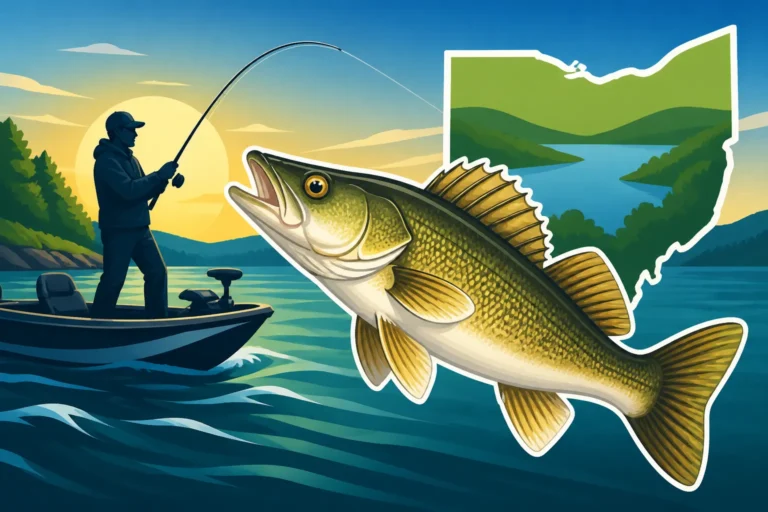
- Saugeye & Walleye: These are arguably the marquee species in Delaware Lake. The Ohio Department of Natural Resources (ODNR) actively stocks saugeye, a hybrid cross between a walleye and a sauger, which thrive in Ohio's turbid reservoirs. While native walleye are also present, saugeye are the primary draw here, offering excellent angling opportunities, especially in spring and fall. These fish can grow to impressive sizes, making them a popular target for many.
- Largemouth & Smallmouth Bass: Both species call Delaware Lake home. Largemouth bass prefer the shallower, weedy coves and woody cover found throughout the lake, especially in the upper reaches. Smallmouth bass, on the other hand, tend to favor deeper, rockier structures and main lake points, often found closer to the dam.
- Crappie (Black & White): Delaware Lake is renowned for its crappie fishing, with both black and white crappie present. They congregate around submerged timber, brush piles, and bridge pilings, particularly during their spring spawn. These panfish are a favorite among families and offer fast action on light tackle.
- Catfish (Channel & Flathead): For those who enjoy the strong fight of a catfish, Delaware Lake delivers. Channel catfish are abundant throughout the lake, while flathead catfish, known for their size, prefer deeper holes and heavy cover, especially in the river channel. Night fishing for catfish can be particularly productive.
- Panfish (Bluegill, Sunfish): And of course, no Ohio lake would be complete without a healthy population of bluegill and other sunfish. These provide endless fun for kids and adults alike, often found near shorelines, docks, and any available cover.
Knowing the species available helps you tailor your approach and gear. Remember that all these species are subject to Ohio Statewide Bag and Size Limits, so always consult the latest regulations before heading out.
Current Fishing Conditions and Hotspots
Staying informed about current conditions is crucial for a successful trip to Delaware Lake. A "fishing report" isn't just a list of catches; it's a dynamic snapshot of what anglers are experiencing right now, influenced by everything from water temperature to recent weather patterns.
Water Temperatures and Clarity
Water temperature is perhaps the most critical factor influencing fish behavior. In spring, as water temps climb from the 40s into the 50s and 60s, fish like crappie and bass move shallow for their spawn. Saugeye will also become very active during this period. As summer progresses and water temperatures hit the 70s and 80s, fish often move to deeper, cooler water or become more active during low-light periods. Fall sees a cooling trend that can trigger aggressive feeding binges before winter.
Water clarity also plays a significant role. Delaware Lake can range from clear to moderately stained, especially after heavy rains from the Olentangy River bring in runoff. In stained water, brighter baits and those that create vibration can be more effective. When the water is clearer, more natural presentations and lighter lines are often key. Local bait shops, online forums, and even resources like FishingBooker often provide real-time updates on these conditions.
What's Biting and Where
Right now, or typically, depending on the season, here’s a breakdown of what anglers are reporting and where to focus your efforts:
- Saugeye: The spring and fall are prime times for saugeye. In spring, they can be found staging near spawning areas, often rocky points and humps. Trolling crankbaits like Berkley Flicker Shads or using jig-and-minnow combinations are highly effective. As temperatures warm, they move to deeper main lake points and humps. Bottom bouncing with a worm harness or vertical jigging with a spoon can produce results. Look for concentrations in the deeper basins, especially around the dam, and always pay attention to your electronics.
- Crappie: Early spring brings crappie into shallow coves and brushy areas as they prepare to spawn. Small jigs tipped with minnows or soft plastics (like those from Bobby Garland) under a bobber are deadly. Focus on fallen trees, bridge pilings, and brush piles in 5-15 feet of water. As summer progresses, they'll often suspend over deeper brush or move to deeper structure.
- Largemouth Bass: Spring and early summer are fantastic for largemouth near shallow cover. Flip jigs, Texas-rigged worms, or cast spinnerbaits into submerged timber, lily pads, and weed lines. Topwater baits can be thrilling during low light. In warmer months, they might retreat to deeper cover or feed actively during dawn and dusk.
- Smallmouth Bass: Look for smallmouth on rocky points, humps, and drop-offs, especially near the dam or deeper sections of the lake. Drop shot rigs, Ned rigs, tube baits, and small crankbaits are excellent choices. They often relate to schools of baitfish in open water.
- Catfish: For channel catfish, cut bait (like shad or chicken liver) fished on the bottom in channels, coves, and creek mouths is a proven method, especially in the evenings and at night. For trophy flatheads, targeting deeper holes in the old river channel with live bait (large shiners or bluegill) under heavy cover is the way to go. The areas near the US-23 bridge and the dam are often productive for catfish.
Remember to consider the Ohio Fishing Season Dates and Effective Periods as well as specific size and bag limits before keeping your catch.
Seasonal Strategies for Delaware Lake Fishing
Delaware Lake transforms throughout the year, offering different challenges and rewards with each season. Understanding these shifts is key to consistent success.
Spring: The Reawakening Bite
Spring at Delaware Lake is a time of immense opportunity as fish shake off their winter sluggishness and move towards shallower waters to spawn and feed aggressively.
- Pre-Spawn to Spawn: As ice melts and water temperatures begin to rise into the 40s and 50s, saugeye and walleye become very active. They'll stage in transitional areas near main lake points and humps, feeding heavily. This is an excellent time for jigging with minnows or soft plastics, or slow trolling shallow-running crankbaits. Crappie move into incredibly shallow water, often just a few feet deep, seeking brush and woody debris in protected coves for their spawn. Small jigs and minnows are unbeatable. Largemouth bass also move shallow, often relating to the warmest water available in northern coves, hitting spinnerbaits, crankbaits, and jigs. This is often the best time for Ohio Crappie Daily Limit catches.
- Post-Spawn: After spawning, fish will disperse somewhat, but still remain relatively shallow as they recover and continue to feed. Bass will often be found near deeper cover adjacent to spawning flats. Saugeye might move slightly deeper but remain catchable by trolling or casting crankbaits.
Summer: Deep Water and Low Light
Summer fishing at Delaware Lake often means adjusting to warmer water and fish retreating to deeper, cooler sanctuaries or becoming more active during twilight hours.
- Finding the Cool: During the heat of summer, saugeye and walleye typically move to deeper main lake humps, channels, and thermocline layers if present. Trolling deep-diving crankbaits or using bottom bouncer rigs with crawler harnesses are highly effective. For bass, early mornings, late evenings, and night fishing become paramount. Topwater baits can be explosive at dawn and dusk, while during the day, flipping jigs or Texas-rigged plastics into heavy cover or fishing drop-shots on deep structure are productive.
- Catfish and Panfish Dominance: Summer is prime time for catfish, especially channel and flathead catfish. They are active day and night. Night fishing for catfish can be incredibly rewarding. Panfish like bluegill remain active throughout the summer, often found near submerged vegetation, docks, and shaded areas. They provide great family fishing fun.
Fall: The Feeding Frenzy
Autumn is a favorite season for many Ohio anglers, and Delaware Lake is no exception. As water temperatures drop, many species go on a feeding frenzy to prepare for winter.
- Aggressive Bites: Saugeye and walleye once again become highly active, often moving back to shallower to mid-depth structures. Trolling crankbaits, casting jigs, and using lipless crankbaits can be very effective. This is an excellent time for bigger, aggressive bites. Largemouth and smallmouth bass will also feed heavily, often chasing baitfish schools. Spinnerbaits, jerkbaits, and crankbaits worked aggressively can trigger strong reactions.
- Crappie and Catfish: Crappie will school up in predictable patterns, often near deeper brush piles or channel edges, making them easier to locate. Vertical jigging or slow trolling with minnows are great techniques. Catfish continue to feed well into the fall, especially during warmer spells.
Winter: Ice Fishing Opportunities
When the ice is thick enough, Delaware Lake offers ice fishing opportunities, though caution is always paramount regarding ice safety. Check the Ohio Ice Fishing Guide for crucial safety information.
- Species Under the Ice: Walleye and saugeye are prime targets through the ice, often found on flats or humps near deeper water. Jigging spoons, blade baits, and tip-ups with minnows are popular choices. Crappie can be found suspending in schools over deeper basins, and small jigs tipped with wax worms or minnows are effective. Bluegill and other panfish are also readily caught near weeds and structure in shallower bays. Always check ice conditions and local reports before venturing out.
Techniques and Tackle for Delaware Lake Success
Having the right techniques and tackle makes a huge difference at Delaware Lake. While general fishing principles apply, some specifics can greatly improve your odds.
Baits and Lures for Primary Species
- Saugeye/Walleye: For saugeye, confidence baits include blade baits like the Silver Buddy, lipless crankbaits such as the Rapala Rippin' Rap, and traditional jig-and-minnow combinations. Trolling crankbaits like Berkley Flicker Shads or Reef Runner Ripsticks are also highly productive, especially when covering large areas. Colors often depend on water clarity; natural hues in clear water, and chartreuse, firetiger, or clown patterns in stained conditions. Don't forget the effectiveness of a simple nightcrawler harness during warmer months.
- Bass (Largemouth & Smallmouth): For largemouth, Texas-rigged worms, creature baits, jigs, spinnerbaits, and shallow crankbaits are staples. Topwater poppers and walking baits are fantastic for early mornings or evenings. Smallmouth will respond well to Ned rigs, drop shot rigs, tube baits, small swimbaits, and crankbaits in crawfish patterns. Look for specific recommendations in an Ohio Largemouth and Smallmouth Bass Limits guide to ensure you're compliant.
- Crappie: Small lead head jigs (1/32 to 1/16 oz) tipped with tiny soft plastics (e.g., Bobby Garland Slab Slayers, Crappie Magnets) or live minnows under a slip bobber are key. You can also vertical jig small spoons or blade baits when crappie are schooled up deep.
- Catfish: For channel cats, cut bait (shad, skipjack herring, chicken liver), stink baits, or large nightcrawlers fished on the bottom are reliable. For flatheads, live bait like large shiners, bluegill, or suckers is preferred, fished near heavy cover.
Essential Gear and Electronics
A medium-light to medium power spinning rod and reel combo with 6-10 lb test monofilament or fluorocarbon line is versatile enough for most species in Delaware Lake. If you're targeting larger flathead catfish or muskie (which are occasionally caught, though not a primary target), a heavier casting setup with braided line would be more appropriate.
Electronics, specifically a good fish finder, can be invaluable, especially for locating saugeye, walleye, and crappie on deeper structure or suspended over open water. Look for humps, channels, and baitfish schools. GPS functionality is also useful for marking productive spots and navigating the lake, particularly when trying to find specific Best Ohio Reservoirs for Walleye and Saugeye spots.
Navigating Regulations and Best Practices
Always have a current Ohio Fishing License Guide for Residents and Nonresidents and familiarize yourself with the Ohio Fishing Regulations Every Angler Should Know. Regulations can change, and ignorance is no excuse for a violation. Pay particular attention to Delaware Lake-specific rules if they exist, and remember that special rules may apply at different times of the year, as detailed in the Ohio Fishing Season Dates and Effective Periods article.
Practicing catch and release, especially for larger breeding fish, helps sustain the fishery. If you do keep fish, handle them responsibly, and dispatch them quickly. Keep your fishing areas clean, packing out everything you pack in. Leaving no trace ensures that Delaware Lake remains a fantastic fishing destination for everyone. If you’re ever in doubt about local conditions or looking for current tips, don't hesitate to check out FishingBooker for reports from local guides.
Delaware Lake Fishing Outlook: Beyond the Report
While a fishing report gives you a snapshot, consistent success on Delaware Lake, or any body of water, comes from understanding the patterns and making informed decisions based on current conditions. Delaware Lake is a vibrant, productive fishery that offers something for everyone, regardless of skill level. Whether you’re chasing the thrill of a hard-fighting saugeye, the quiet satisfaction of a crappie limit, or the brute strength of a flathead catfish, this central Ohio gem has it all.
Don't be afraid to experiment, try new techniques, and talk to other anglers. The fishing community is often a great resource. Local bait shops are goldmines of information, and online forums dedicated to Ohio fishing can provide real-time insights. The Best Ohio Lakes for Bass Fishing also often includes Delaware for good reason, so keep an eye on those general reports too! Embrace the learning process, enjoy the beautiful scenery, and tight lines on your next Delaware Lake adventure!
| Species | Best Season(s) | Typical Location | Recommended Baits/Techniques |
|---|---|---|---|
| Saugeye | Spring, Fall, Winter | Main lake points, humps, deep channels, dam area | Jig & minnow, blade baits, crankbaits (trolled), worm harnesses |
| Largemouth Bass | Spring, Early Summer, Fall | Shallow coves, lily pads, submerged timber, weed lines | Jigs, Texas-rigged worms, spinnerbaits, topwater |
| Smallmouth Bass | Spring, Summer, Fall | Rocky points, humps, drop-offs, dam area, main lake structure | Ned rigs, drop shot, tube baits, small crankbaits |
| Crappie | Spring, Fall, Winter | Brush piles, submerged timber, bridge pilings, deep basins | Small jigs & minnows, soft plastics, small spoons |
| Channel Catfish | Summer, Fall, Night | River channel, coves, creek mouths, deeper holes | Cut bait, stink baits, nightcrawlers |
| Flathead Catfish | Summer, Night | Deep holes, heavy woody cover, old river channel | Live bait (shiners, bluegill) |
| Panfish | All Seasons | Shorelines, docks, submerged vegetation, shallow brush | Worms, small jigs, wax worms, crickets under bobber |
Disclaimer
Fishing conditions and regulations are subject to change. Always consult the latest official Ohio Department of Natural Resources (ODNR) regulations and local advisories before planning your fishing trip. This guide is for informational purposes only and does not constitute an endorsement of specific products or services. Please prioritize safety when on the water.