Vermilion River Steelhead Fishing Access
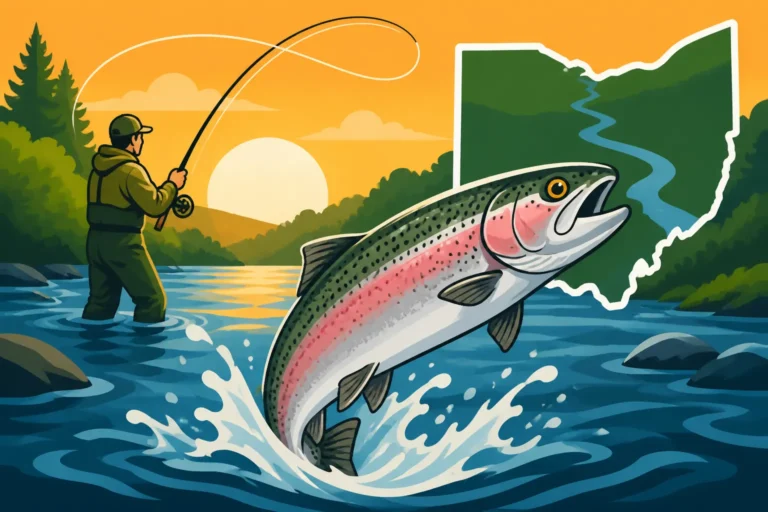
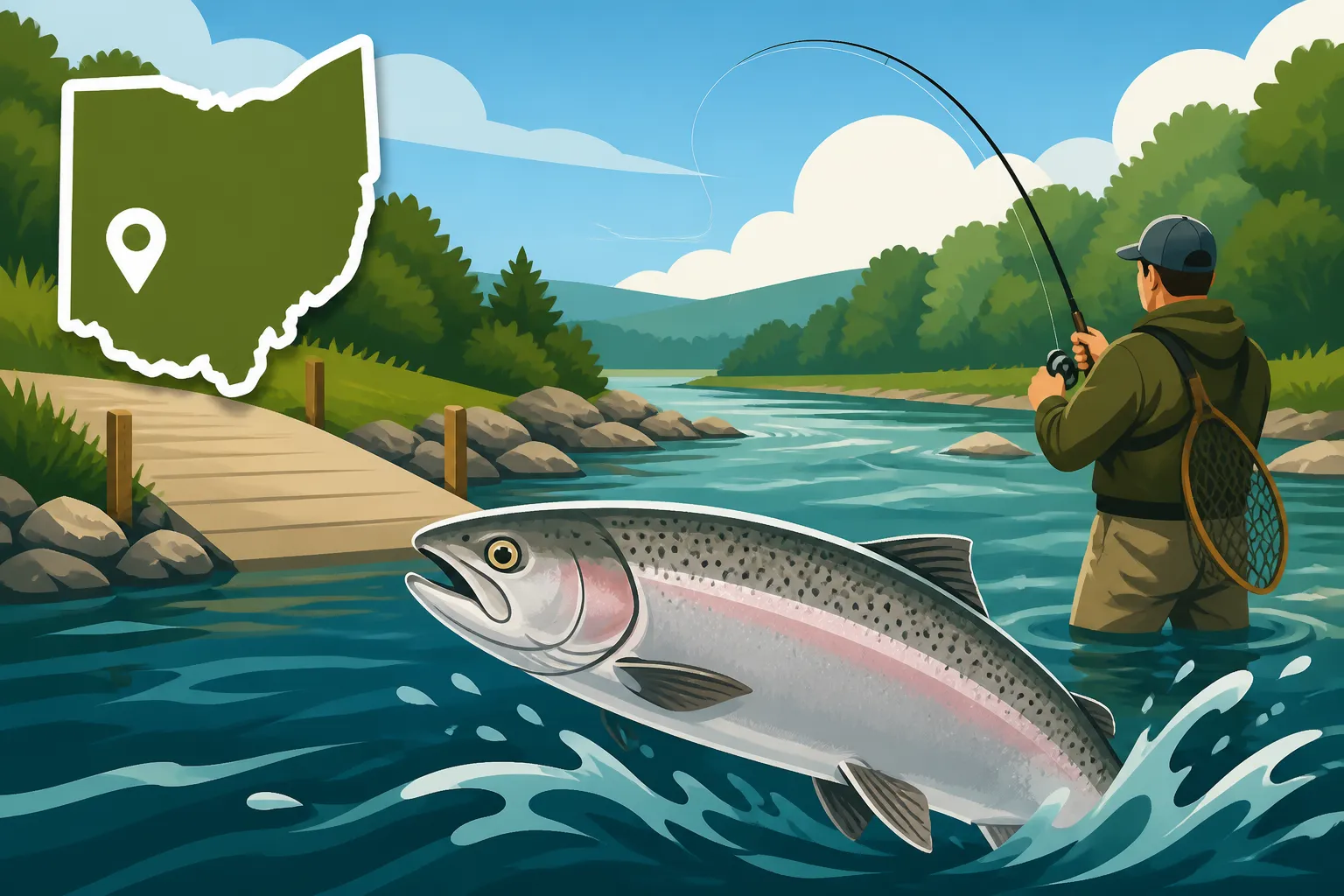
The Vermilion River, like many of Ohio's treasured Lake Erie tributaries, offers some truly fantastic opportunities to chase steelhead, but figuring out where to actually access the water can feel like a secret handshake sometimes. It’s frustrating to drive for hours, only to find private property signs or overcrowded spots. This guide is here to cut through the confusion and give you the lowdown on the best public access points along the Vermilion River for your next steelhead adventure, helping you plan a smoother, more successful trip.
Understanding the Vermilion River Steelhead Run
Before we dive into specific locations, it's really helpful to get a grip on what makes the Vermilion River tick when it comes to steelhead. These fish are creatures of habit, but their habits are deeply tied to environmental factors, making every season a little different.
The Seasonal Nature of Steelhead Fishing
Steelhead fishing in Ohio, especially on rivers like the Vermilion, isn't a year-round affair. It's a truly special, seasonal event that anglers eagerly anticipate. Typically, the first significant push of steelhead into the Vermilion River begins in the fall, often in late September or October, triggered by cooler temperatures and increased rainfall. This initial run is exciting, as the fish are fresh from Lake Erie and full of fight. This fall run continues through the colder months, often peaking in late fall and then again in early spring, usually March and April, as the fish stage for spawning. By late spring, usually May, most of the steelhead have completed their spawning rituals and have dropped back into Lake Erie, making river fishing less productive. Understanding this rhythm is key; you don't want to show up in July expecting a steelhead bonanza. Timing is everything, and keeping an eye on the When Ohio Steelhead Runs Start is always a good idea.
Key Factors Influencing Steelhead Movement
Steelhead are incredibly sensitive to their environment, and a few critical factors dictate when and where they'll be in the river. First and foremost is water level. A good rain can be a steelhead angler's best friend, raising the river level and creating the necessary flow for these strong swimmers to ascend from Lake Erie. Conversely, prolonged dry spells can leave the river low and clear, making fish skittish and concentrated in deeper pools, or even holding them back in the lake. Water temperature is another huge factor; steelhead prefer cooler water, generally between 38 and 50 degrees Fahrenheit. If the water gets too warm, they become lethargic; too cold, and they might hunker down. Understanding Reading Weather Patterns for Ohio Fishing can give you a real edge here. Anglers often watch local stream gauges and weather forecasts like a hawk, knowing that a significant rain event followed by stable, cool temperatures can mean a fantastic day on the water.
What Makes the Vermilion River Special?
The Vermilion River holds a special place in the hearts of many Ohio steelhead anglers. It's not the biggest of the Lake Erie tributaries, nor is it always the easiest to fish, but it offers a unique blend of accessibility and a more "wild" feel compared to some of its more urban counterparts. What really sets the Vermilion apart is its diverse character. You'll find everything from wide, slow-moving stretches closer to the lake to tighter, rockier runs and pools further upstream. This variety means different techniques can be effective depending on where you are. The river flows through some absolutely stunning natural areas, particularly within the Lorain County Metroparks, offering a scenic backdrop to your fishing. However, its popularity also means it can get crowded, especially during peak runs and on weekends. It's a river that rewards persistence and careful observation, and truly showcases why Ohio is home to incredible Ohio Steelhead Fishing Guide.
Prime Access Points Along the Vermilion River
Now, let’s get down to the brass tacks: where can you actually get your boots wet? The Vermilion River offers several excellent public access points, each with its own advantages and challenges.
Vermilion River Reservation Lorain County Metroparks
Without a doubt, one of the most popular and well-maintained public access points for steelhead fishing on the Vermilion River is within the Vermilion River Reservation, managed by the Lorain County Metroparks. This park is a true gem, offering ample parking, well-marked trails, and various access points to the river.
Bacon Woods Section: This is often the first stop for many anglers heading to the Vermilion. Located off West River Road, it features a large parking lot and direct trail access to the river. The trails here can be a bit steep in places, but they lead to some fantastic stretches of water with good gravel bottoms and plenty of holding lies for steelhead. You'll find a mix of riffles, runs, and deeper pools, making it suitable for various Ohio Steelhead Fishing Techniques, including float fishing and nymphing. Due to its popularity, expect company, especially on prime fishing days. The park does a great job of maintaining the trails, but remember that riverbanks can still be slippery, so Do You Need Waders for Ohio Steelhead Fishing? is a question you'll answer with a resounding "yes" here.
Mill Hollow Section: Further upstream, the Mill Hollow section of the Vermilion River Reservation offers a slightly different experience. It's equally beautiful, with historical buildings and picturesque scenery. Access points here can be found near the Bacon House and along the various trails. This area tends to have a good mix of faster-moving water and deeper bends, which can be excellent for swinging flies or drifting baits. Parking is also generally good, though it can fill up quickly on busy weekends. Both sections offer great opportunities, but you might need to do some walking to get away from the immediate parking areas.
Public Road Crossings and Bridge Access
Beyond the Metroparks, there are other public access opportunities, often found at road crossings and bridges. These spots usually require a bit more local knowledge and a very keen eye for respecting private property.
Route 60 Bridge Access: South of the main town of Vermilion, where Route 60 crosses the river, you can sometimes find limited roadside parking and public access to the river. These areas might involve a short walk through public right-of-way to reach the water. These spots can be less crowded than the Metroparks, but they often lack formal trails or facilities. Always be sure you are not trespassing and park safely off the road. Fishing near bridges can be productive, as the bridge structure itself creates current breaks and eddies that steelhead love to hold in. However, these spots can also attract litter, so let's all do our part to keep them clean.
Exploring Upstream: There are various smaller county roads that cross the Vermilion River further south. While these can offer more secluded fishing, they also come with a greater responsibility to identify legal access points. Look for public easements, state-owned land, or areas clearly marked as public access. This is where local maps or even scouting the area beforehand can be invaluable. Always be aware of your surroundings and look for "No Trespassing" signs. A little homework on your part can prevent a lot of headaches.
Lower River and Estuary Fishing
Closer to where the Vermilion River meets Lake Erie, the fishing dynamic changes, offering unique opportunities, especially during the early and late stages of the run.
Vermilion Harbor and Piers: The Vermilion Harbor itself can be an excellent spot, particularly for anglers who prefer shore fishing or pier fishing. Steelhead often congregate in the lower river and harbor area before making their upstream journey or after dropping back from spawning. The main pier in Vermilion offers easy access and can be a fantastic place to cast spoons, jigs, or even drift live bait, especially when the river levels are low or high winds make boat fishing on Lake Erie challenging. You might even hook into a bonus walleye or smallmouth bass here, as the area attracts a variety of species. Public parking is available in the downtown Vermilion area, making it a convenient spot to try.
Mouth of the River: For those with boats or kayaks, exploring the mouth of the Vermilion River and the immediate nearshore waters of Lake Erie can be highly productive. During the fall and spring, steelhead will stage here, waiting for the right conditions to enter the river. Trolling or casting in these areas, particularly around current breaks and changes in depth, can yield impressive results. Remember that Ohio Fishing Regulations Every Angler Should Know still apply here, and if you're venturing onto Lake Erie, be mindful of weather and wave conditions. Sometimes, just a slight increase in water clarity or a small push of rain will trigger the fish to run into the main river channel from the lake.
Navigating the Challenges of Vermilion River Access
While the Vermilion offers incredible fishing, it’s not without its quirks. Being prepared for the common challenges will make your trip much more enjoyable.
Respecting Private Property and Landowner Rights
This is, hands down, the most crucial aspect of fishing any river in Ohio. Many sections of the Vermilion River, like most natural waterways, flow through privately owned land. It’s absolutely vital to be vigilant and respectful of private property signs and boundaries. Trespassing is illegal and can lead to fines, confrontation, and ultimately, loss of access for everyone. Always assume land is private unless clearly marked otherwise as public access. If you're unsure, it's best to find another spot. Many landowners are friendly, but they have every right to protect their property. A little common courtesy, like packing out all your trash, staying on designated trails, and not disturbing the land, goes a long way in maintaining good angler-landowner relations. The Ohio Department of Natural Resources (ODNR) often works with landowners to secure public easements, but those are the exception, not the rule, outside of designated park areas.
Dealing with Crowds and Fishing Etiquette
Let's be real, the Vermilion River isn't a secret. During peak steelhead runs, especially on weekends and holidays, some of the more accessible spots, particularly within the Metroparks, can get quite crowded. It's easy to get frustrated when you see another angler in "your" spot, but a little patience and a lot of courtesy go a long way. Maintain a reasonable distance from other anglers – typically, you want enough space so your cast doesn't interfere with theirs. If someone is already working a pool or run, ask if you can fish nearby or simply move to another spot. Aggressive behavior spoils the experience for everyone. Be mindful of your noise level and, if you're wading, try not to disturb the water too much as you move. We're all out there for the same reason: to enjoy nature and, hopefully, catch some fish. Learning How to Read Steelhead Holding Water will help you identify productive spots even in crowded areas.
Safety Considerations and River Conditions
The Vermilion River, especially after rains, can be a powerful force. Safety should always be your top priority. Wading can be treacherous; the riverbed often consists of slippery rocks, sudden drop-offs, and swift currents. Always use a wading staff for stability and never wade alone, especially if you're not intimately familiar with the section of river. Hip boots are usually insufficient for serious steelhead fishing; proper chest waders are essential. Always check the river's flow and level before heading out. High water can make entire sections unfishable or downright dangerous. Conversely, extremely low water can concentrate fish but also make them very spooky. Dressing in layers is also key, as Ohio weather can change dramatically in a single day. Bring a change of clothes, just in case you take an unexpected dip.
Maximizing Your Vermilion River Steelhead Trip
You've planned your visit, understood the access, and thought about the challenges. Now, let's talk about making the most of your time on the water.
Essential Gear for River Steelhead
Having the right gear can make all the difference between a frustrating day and a fantastic one. For Vermilion River steelhead, you'll want a medium-light to medium action spinning rod, typically 8 to 9 feet long, paired with a reliable reel spooled with 8 to 12 lb fluorocarbon or monofilament line. Longer rods help with line control, casting distance, and cushioning the fight of a powerful steelhead. Many anglers prefer a lighter fluorocarbon leader (6-8 lb) for stealth.
For terminal tackle, bring an assortment of hooks (sizes 6-10), split shot or pencil lead for weight, and swivels. Baits and lures that consistently work include natural baits like live or salted emerald shiners, salmon eggs, and waxworms. Artificial options include small jigs (1/32 to 1/8 oz) tipped with maggots or soft plastic bodies, small crankbaits, and spoons. When choosing Best Lures for Ohio Fishing for steelhead, focus on natural colors in clear water and brighter colors in stained water. And again, don't forget those chest waders with felt or studded soles for grip, and a sturdy wading staff!
Best Fishing Techniques for Vermilion Steelhead
The most effective techniques on the Vermilion River often involve presenting your bait or lure naturally to these wary fish.
Float Fishing (Centerpin or Spinning Gear): This is arguably the most popular and effective method. It involves using a bobber (often a "float") to suspend your bait at a precise depth, drifting it naturally downstream through likely holding water. This technique is especially good for covering long runs and getting your bait into pockets where steelhead are resting. You'll need to learn how to "mend" your line to prevent drag and ensure a natural drift.
Bottom Bouncing/Drifting: Similar to float fishing but without a bobber, this technique involves using just enough weight to bounce your bait along the bottom, where steelhead often feed. This can be done with spinning gear and is effective in deeper holes or faster currents. It requires a sensitive touch to distinguish between the bottom and a subtle bite.
Casting Lures: Spoons (like Little Cleos or Kastmasters) and small crankbaits (such as small Rapalas or Berkley Flicker Shads) can be highly effective, especially when steelhead are actively feeding or chasing. Cast upstream or across current and retrieve, allowing the current to impart action to your lure. This is also a good option for covering water quickly, particularly in wider pools or near the lake.
When to Consider a Guide Service
If you're new to steelhead fishing, new to the Vermilion River, or simply want to fast-track your learning curve, hiring a reputable guide can be an invaluable investment. Ohio Steelhead Guide Services offer expert knowledge of the river, current conditions, productive spots, and the most effective techniques.
A guide can provide specialized gear, teach you proper casting and presentation, and help you understand the nuances of reading the water. They often have access to private stretches of the river or know lesser-fished public spots, which can be a huge advantage when crowds are an issue. Think of it as a masterclass in steelhead fishing! If you're looking to book a guided trip, platforms like FishingBooker can connect you with experienced Ohio steelhead guides who operate on the Vermilion River and other Lake Erie tributaries. They can help you find a guide that matches your skill level and fishing goals, ensuring you get the most out of your day on the water. Whether you're targeting a trophy fish or just looking for a fun day out, FishingBooker makes finding a local expert simple and straightforward.
Vermilion River Steelhead Access & Features
| Access Point | Main Features | Pros | Cons |
|---|---|---|---|
| Vermilion River Reservation (Bacon Woods) | Ample parking, well-maintained trails, diverse river structure | Easy public access, scenic, good mix of water for various techniques | Can get very crowded during peak times, trails can be steep |
| Vermilion River Reservation (Mill Hollow) | Parking, trails, historical setting, slightly more secluded | Beautiful area, good mix of water, often slightly less crowded than Bacon Woods | Requires walking, can still be popular |
| Route 60 Bridge Area | Roadside access, convenient for quick stops | Less crowded than parks, good bridge structure for fish holding | Limited parking, respect private property, no facilities |
| Vermilion Harbor/Piers | Paved pier, easy shore access | Convenient, good for non-waders, fish stage here before entering river | Can be crowded with multiple user types, limited technique options |
| Upstream Road Crossings | Scattered, less formal access | Potential for secluded fishing, less pressure | Requires careful scouting, high risk of trespassing, no facilities |
Disclaimer
Fishing regulations and access points can change. Always consult the latest Ohio Department of Natural Resources (ODNR) fishing regulations before heading out. Respect all private property signs and practice responsible angling by packing out what you pack in. Be mindful of river conditions and prioritize safety, especially when wading.