Grand Lake St. Marys Fishing Report
If you've ever thought about fishing Grand Lake St. Marys, you're probably wondering what the current conditions are like and what you can realistically expect to catch. It can be frustrating to plan a fishing trip, only to arrive and find that the fish aren't biting or that the lake conditions are less than ideal. This comprehensive guide aims to cut through the guesswork, providing you with a realistic, up-to-date look at Grand Lake St. Marys, covering everything from species hot spots to seasonal tactics and crucial information about the lake itself, so you can make the most of your time on the water.
Understanding Grand Lake St. Marys: A Unique Ohio Fishery
Grand Lake St. Marys, located in west-central Ohio, straddling Mercer and Auglaize counties, holds a fascinating and sometimes challenging history as a premier fishing destination. As the largest inland lake completely within Ohio's borders, it presents a vast expanse of water for anglers to explore. However, its shallow nature and agricultural surroundings mean it faces unique environmental considerations that every angler should be aware of before dropping a line.
The Lake's Layout and Historical Challenges
Grand Lake St. Marys is a relatively shallow lake, with an average depth of about 7 feet and a maximum depth of around 20 feet. This shallow characteristic, combined with nutrient runoff from surrounding farmland, has historically made it susceptible to Harmful Algal Blooms (HABs), particularly during the warmer summer months. These algal blooms can significantly impact water quality, oxygen levels, and, consequently, fish behavior and safety. Anglers should always check the latest advisories from the Ohio Department of Natural Resources (ODNR) or local park authorities before planning a trip, especially between June and September. You can delve deeper into this topic by reading Does Grand Lake St. Marys Have Algae That Affects Fishing?. Understanding the lake's ecological state is paramount to a successful and safe fishing experience here.
The lake itself is quite sprawling, featuring numerous bays, coves, and channels, along with a significant amount of shoreline structure, including docks, seawalls, and fallen timber. This varied terrain offers a diverse range of habitats for different fish species, making it an interesting challenge to explore. The lake bottom is generally soft, consisting of muck and silt, which can stir up easily with wind or boat traffic. Water clarity often varies, from stained to murky, and this directly influences your lure and bait choices, often favoring brighter colors or baits that create more vibration.
Primary Game Fish Species You'll Find
While Grand Lake St. Marys might not be renowned for trophy walleye like Lake Erie, it offers a fantastic mixed-bag fishery for a variety of popular species. The most targeted species by anglers here include crappie, both black and white, channel catfish, largemouth bass, and various panfish like bluegill and sunfish. Saugeye, a hybrid cross between a walleye and a sauger, are also stocked and offer a unique pursuit.
Crappie are arguably the most popular species in the lake, drawing anglers from all over for their strong numbers and good eating quality. Both black and white crappie thrive here, often congregating around submerged brush, docks, and bridge pilings. You'll find a lot of detailed insights in our Ohio Crappie Fishing Guide if you're specifically targeting them. Catfish, especially channel catfish, are abundant and can grow to impressive sizes, providing excellent action for those who enjoy soaking baits on the bottom. Flathead catfish are also present, offering a tougher fight for dedicated cat-fishermen. Check out our Ohio Channel Catfish Fishing Guide for more tips.
For bass anglers, largemouth bass are the primary target, often found lurking in the shallower, weedy areas and around structure. While smallmouth bass are less common, the lake does support a healthy population of largemouth, especially in the numerous protected coves. Panfish, such as bluegill, are prolific and provide consistent action, making Grand Lake St. Marys a fantastic spot for family fishing outings or for introducing kids to the sport. While not a primary walleye lake, the stocked saugeye provide an exciting opportunity for those looking for a different challenge. Always be sure to check the Ohio Statewide Bag and Size Limits before you head out, as these can vary by species and sometimes by water body.
Seasonal Fishing Outlook and Best Tactics
Understanding the seasonal patterns of fish on Grand Lake St. Marys is key to consistent success. Each season presents unique opportunities and challenges, influencing fish behavior, location, and the most effective fishing techniques.
Spring's Crappie and Bass Explosion
Spring is arguably the most exciting time to fish Grand Lake St. Marys, as warming water temperatures ignite a feeding frenzy and bring fish into shallower waters for spawning. As soon as the ice melts and water temperatures climb into the 40s and 50s Fahrenheit, crappie become incredibly active. They'll stage in pre-spawn areas, often in channels and deeper pockets adjacent to their spawning grounds, which typically include submerged brush, old docks, and timber in 5-10 feet of water. As the water warms further, they move into extremely shallow areas, sometimes just a few feet deep, making them accessible to both boat and bank anglers. Small jigs, tipped with a minnow or a soft plastic, fished under a slip bobber, are deadly effective. For more general advice, consider reading our Best Ohio Lakes for Crappie guide.
Largemouth bass also become very active in the spring. They move out of their wintering depths and begin to feed aggressively in preparation for their spawn. Look for them in shallow coves, around emergent vegetation, and near any fallen trees or docks. Spinnerbaits, chatterbaits, and shallow-diving crankbaits can be very effective as they search for food. As they get closer to spawning, they’ll become more territorial, and Texas-rigged plastics or wacky-rigged worms can entice bites when pitched into visible cover. Don't forget that the general Ohio Fishing Season Calendar will give you a good overview of what's active.
Summer Strategies: Dealing with Heat and Algae
Summer fishing on Grand Lake St. Marys can be a mixed bag, largely dependent on water temperatures and the presence of algal blooms. The lake's shallow nature means it warms up quickly, and as mentioned earlier, this is when HABs are most prevalent. If conditions are clear, early mornings and late evenings offer the best opportunities, as fish will be more active in cooler water.
During the day, fish often seek refuge in deeper, slightly cooler water if available, or dense cover that provides shade and a bit more oxygen. Catfish, however, remain a strong summer target, often feeding actively throughout the day and especially into the night. Stink baits, cut bait, or live nightcrawlers fished on the bottom in channels or deeper holes are very productive. This is also a fantastic time for bluegill and other panfish, which can be found around docks and weed edges, eager to bite on a small worm or crickets under a bobber.
For bass, target them early or late in the day with topwater lures, or during the brightest parts of the day, use Texas-rigged creature baits or jigs pitched deep into heavy cover, beneath docks, or along seawalls. Fishing around aeration systems, if available and active, can also concentrate fish seeking more oxygenated water. Remember to always prioritize your safety and the fish's well-being by checking for any algal bloom advisories before heading out.
Fall's Feeding Frenzy and Winter Opportunities
As water temperatures begin to cool in the fall, Grand Lake St. Marys experiences another surge in fishing activity. Fish, sensing the approaching winter, enter a strong feeding pattern to bulk up. Crappie will often move to deeper structures, like bridge pilings, submerged brush, and channel edges, where they can be targeted with vertical jigging techniques using minnows or small jigs. This is often when some of the biggest crappie of the year are caught.
Largemouth bass will also be actively feeding, chasing baitfish in open water and around remaining vegetation. Crankbaits, jerkbaits, and swimbaits become highly effective as bass focus on larger meals. This can be one of the best times to catch a trophy bass on the lake. Saugeye fishing can also pick up in the fall, with anglers having success trolling crankbaits or casting blade baits and jigs in deeper areas or along distinct depth changes.
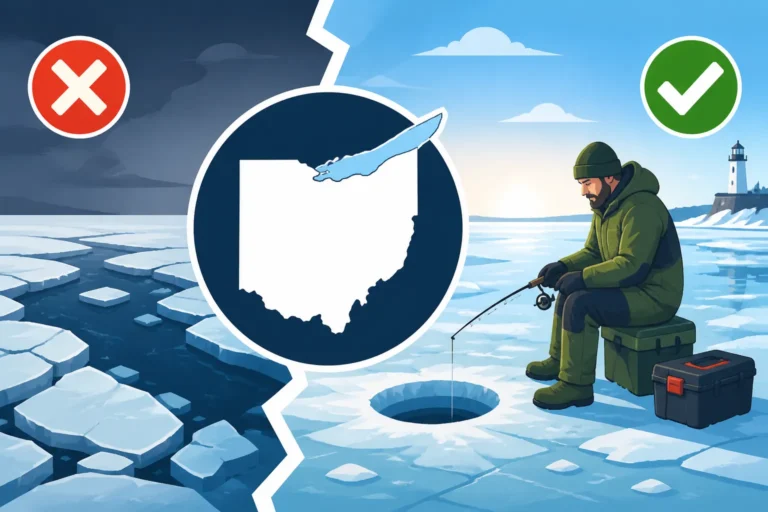
Winter, if the ice is safe, can provide excellent ice fishing opportunities, particularly for crappie and bluegill. These panfish will school up in predictable areas, often over deep holes or near remaining submerged structure. Walleye, or more accurately, saugeye, can also be caught through the ice with jigging spoons or small live baits. Always prioritize safety on the ice, ensuring ice thickness is adequate. You should always read up on general Ohio Ice Fishing Guide principles.
Navigating Access and Practical Fishing Tips
Getting onto Grand Lake St. Marys is relatively straightforward, with several public access points available. However, knowing the best spots and having the right gear can significantly enhance your fishing experience.
Boat Ramps, Shoreline Access, and Rental Options
Grand Lake St. Marys State Park offers numerous public boat ramps, ensuring easy access for boaters. Popular ramps include those at the East Bank, West Bank, and near the lake's many campgrounds. These facilities are generally well-maintained and provide ample parking. If you're planning a trip with a larger boat, it's always wise to check on current water levels, especially during prolonged dry spells, as the lake can experience fluctuations.
For those without a boat, shoreline access is plentiful, particularly within the state park areas. There are designated fishing piers and ample bank fishing opportunities around various parks and public lands bordering the lake. Some popular spots include the areas around the causeways and bridges, where fish often congregate. If you're visiting without your own equipment, there are local bait shops and sometimes even marinas that offer boat and kayak rentals, giving you more flexibility to explore different parts of the lake. It's a great way to experience the water if you're not ready to commit to buying a boat, and you can sometimes find options on platforms like FishingBooker that include equipment rentals.
Essential Gear and Local Insight
When preparing for a fishing trip to Grand Lake St. Marys, a versatile tackle box is your best friend. For crappie and panfish, ultralight or light spinning gear spooled with 4-6 lb test line, paired with an assortment of small jigs (1/32 to 1/8 oz) in chartreuse, white, or black, along with some small minnows or wax worms, will cover most situations. For bass, a medium-heavy rod with 10-17 lb test, equipped with a mix of spinnerbaits, crankbaits, jigs, and soft plastics (worms, creature baits), will be effective. Catfish anglers will want medium-heavy to heavy rods, 15-30 lb test line, and sturdy circle hooks, along with their favorite stink baits, cut bait, or live nightcrawlers. Don't forget to check our Best Ohio Fishing Gear and Tackle Guide if you need help deciding what to bring.
Talking to locals at bait shops or boat launches is one of the absolute best ways to get real-time fishing intelligence. They can provide invaluable insight into current hot spots, what baits are working, and any specific lake conditions you should be aware of. Online fishing forums and social media groups dedicated to Ohio fishing can also be a good resource for recent reports and tips. When considering a guided trip, you might find local guides specializing in Grand Lake St. Marys on services like FishingBooker, which can connect you with experienced captains who know the lake intimately. Remember to always carry your valid Ohio Fishing License Guide for Residents and Nonresidents and be aware of How Many Fishing Lines You Can Use in Ohio.
Current Fishing Report and What to Expect Now
As of early to mid-spring, Grand Lake St. Marys is showing promising signs for anglers, particularly for crappie and bass. Water temperatures are steadily climbing, prompting significant movement of fish into shallower, warmer waters.
Recent Conditions and Species Activity
Recent reports indicate that crappie fishing is strong, especially in the shallower bays and coves with submerged brush and timber. Anglers are having success with small jigs tipped with minnows or crappie nibblers, fished under a bobber in depths ranging from 3 to 8 feet. The bite tends to be strongest during mid-day when the sun has had a chance to warm the shallows. Black crappie are being reported in good numbers, with some nice slabs showing up in the catches. This is exactly the kind of detailed, localized information that can make or break a trip, and why looking into a guide service via FishingBooker might be a good idea for your first outing.
Largemouth bass activity is also picking up considerably. They're being found around developing weed lines, fallen trees, and rock banks, especially on the sunny sides of the lake. Spinnerbaits in white or chartreuse, shallow crankbaits, and soft plastic worms (like a Senko or shaky head) are yielding good results. Pitching these baits into dense cover has been key to enticing strikes from pre-spawn bass. Some anglers are even starting to see bass on beds in the warmest, most protected areas, but many are still in a feeding phase.
Catfish are becoming more active as well, particularly channel cats. Anglers targeting them are having success with nightcrawlers and chicken liver fished on the bottom in deeper channels and adjacent to flats. Early morning and evening bites are proving most consistent for these whiskered fighters.
Planning Your Trip: Leveraging Local Resources
To maximize your success on Grand Lake St. Marys, consider the following:
- Check Water Quality: Before any trip, visit the Ohio Department of Natural Resources (ODNR) website or the Grand Lake St. Marys State Park office for the latest updates on water quality, particularly regarding Harmful Algal Blooms. This is non-negotiable for safety and fish health.
- Time Your Visit: Early morning and late evening remain prime times, especially as the days grow longer. However, spring crappie bites can be excellent throughout the day in specific shallow areas.
- Target Specific Structures: Focus on identifiable structures like docks, submerged trees, rock piles, and distinct channel edges. These are consistent fish magnets.
- Talk to Bait Shops: Local bait and tackle shops like the Bait & Tackle Box or those in nearby Celina and St. Marys are invaluable resources. They'll have the most current scoop on what's biting and where.
- Consider a Guide: If you're new to the lake or short on time, booking a local guide through a platform like FishingBooker can quickly put you on fish and teach you the nuances of this unique fishery. They'll know exactly where the fish are hiding and what they're biting on.
The table below provides a quick overview of what you might expect for each major species:
| Species | Best Season(s) | Primary Habitat | Effective Baits/Lures | Notes |
|---|---|---|---|---|
| Crappie | Spring, Fall | Submerged brush, docks, timber, channel edges | Small jigs, minnows, crappie nibblers, soft plastics | Excellent numbers, both black and white crappie. |
| Largemouth Bass | Spring, Fall | Weed lines, fallen trees, docks, shallow coves | Spinnerbaits, crankbaits, jigs, soft plastics | Active pre-spawn and fall feeding. |
| Channel Catfish | Summer, Fall | Deeper channels, holes, soft bottoms | Nightcrawlers, cut bait, stink baits, chicken liver | Active day and night, good sizes. |
| Bluegill/Panfish | Spring, Summer | Docks, weed edges, shallow cover | Worms, crickets, small jigs | Great for families and consistent action. |
| Saugeye | Fall, Winter | Deeper areas, channel transitions | Blade baits, jigs, trolled crankbaits | Stocked species, offers a unique challenge. |
Grand Lake St. Marys offers a rewarding fishing experience for those who understand its unique characteristics and adapt their strategies accordingly. With a bit of research and the right approach, you can have a memorable day on the water, pulling in some fantastic Ohio fish.
Disclaimer
The information provided in this guide is for general informational purposes only and is based on typical seasonal patterns and publicly available reports. Fishing conditions, regulations, and fish behavior can change rapidly due to weather, water conditions, and other environmental factors. Always consult the latest regulations from the Ohio Department of Natural Resources (ODNR) and local advisories before engaging in any fishing activities. We are not responsible for any outcomes or incidents that may arise from following the advice given in this content.