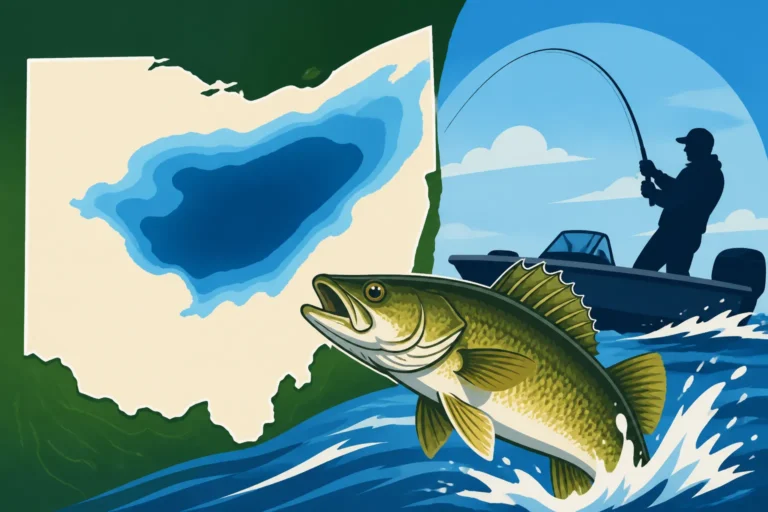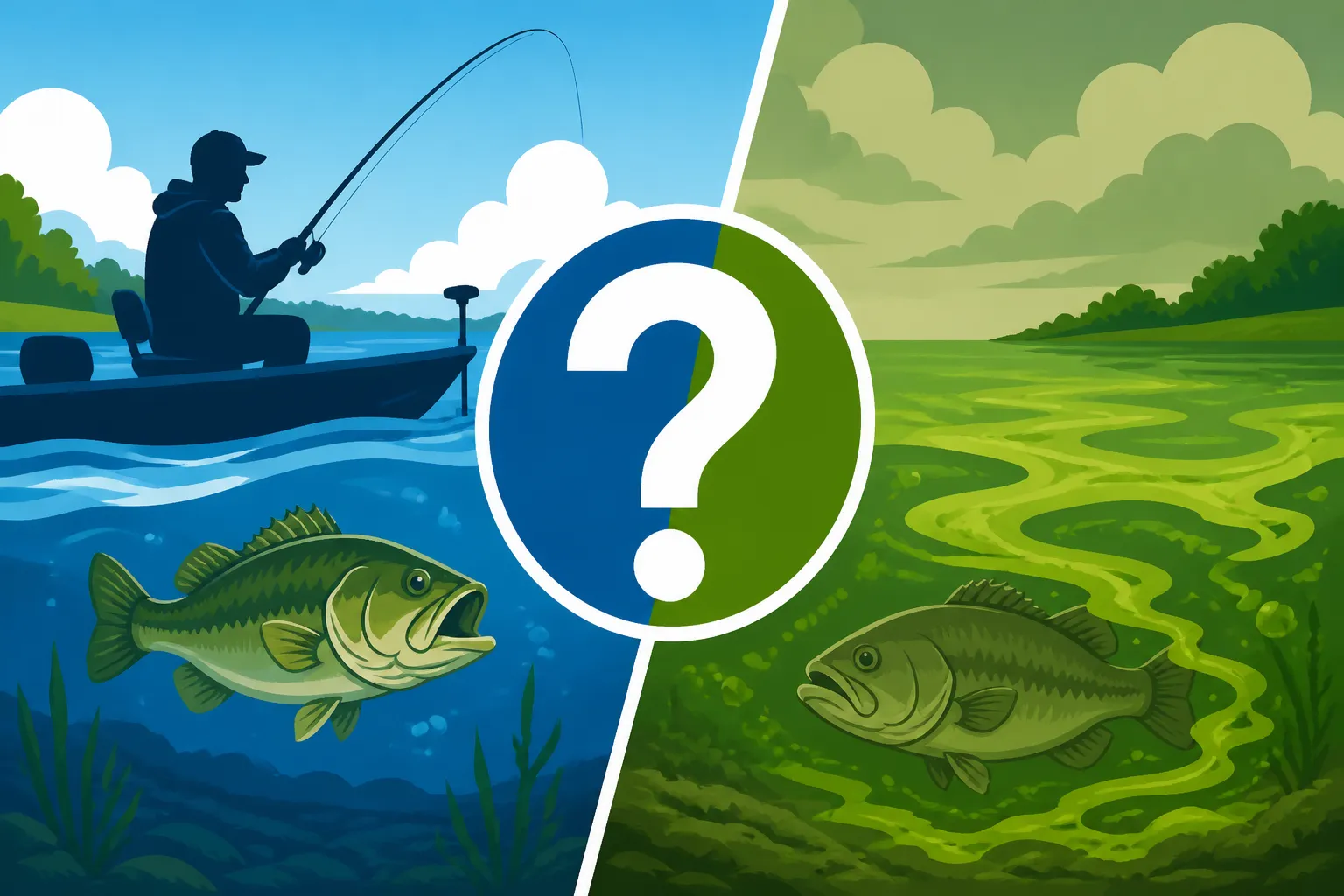
Does Grand Lake St. Marys Have Algae That Affects Fishing?
For anglers hoping to cast a line into Grand Lake St. Marys, one nagging question often clouds the excitement: what about the algae? It's a valid concern, and one that many Ohio anglers have grappled with for years. Dealing with dense, vibrant green, sometimes foul-smelling water can be incredibly frustrating, not just for recreational use but especially when you're trying to enjoy a peaceful day of fishing. This guide is here to give you a straight answer about the presence of algae at Grand Lake St. Marys and, more importantly, how it truly impacts your fishing experience.
Understanding Algae Blooms at Grand Lake St. Marys
Grand Lake St. Marys, often affectionately called "Lake St. Marys" by locals, is a sprawling body of water in western Ohio. At over 13,500 acres, it's the largest inland lake entirely within the state. But its size and shallow depth, coupled with its agricultural surroundings, have made it particularly vulnerable to harmful algal blooms (HABs). If you've ever driven past the lake on a hot summer day and seen that distinct greenish hue, you've witnessed the issue firsthand.
A History of Harmful Algal Blooms HABs
Grand Lake St. Marys has a well-documented and unfortunately long history with harmful algal blooms, primarily driven by microcystin-producing cyanobacteria, often called blue-green algae. This isn't a new problem that just popped up last year; it's been a significant environmental challenge for well over a decade, reaching crisis levels in the late 2000s and early 2010s. During those peak years, the lake would frequently be under "Do Not Contact" advisories, essentially rendering it unsafe for any recreational use, including fishing, swimming, or even letting pets near the water.
These severe blooms led to visible fish kills, economic hardship for local businesses reliant on tourism, and a significant blow to the lake's reputation as a fishing destination. The sight of dead fish floating on the surface, suffocated by the lack of oxygen created by decaying algae, was a stark reminder of the severity of the problem. While conditions have seen some improvements over the years thanks to dedicated efforts, the lake continues to battle these recurring blooms, especially during the warmer months.
Causes and Contributing Factors
So, why Grand Lake St. Marys specifically? It's a perfect storm of environmental factors. Firstly, its shallowness is a major contributor. With an average depth of only about 5 to 7 feet, the water heats up quickly in the summer sun, creating ideal conditions for algae to proliferate. Deep lakes can stratify, creating cooler, less light-exposed zones, but Grand Lake St. Marys lacks this natural defense.
Secondly, the surrounding land use plays a huge role. The lake is situated in a heavily agricultural region, meaning that runoff from farm fields, carrying excess nutrients like phosphorus and nitrogen from fertilizers and livestock manure, washes directly into the lake. These nutrients act as a superfood for algae, fueling explosive growth. Wastewater treatment plants in the watershed also contribute to this nutrient loading, albeit to a lesser extent than agricultural runoff. Heavy rainfall events can exacerbate the problem, flushing even more nutrients into the system.
Identifying Algae Blooms
Spotting an algae bloom isn't usually difficult, but knowing what you're looking for can help you gauge the severity and potential risks. The most common sign is a vibrant, often unappealing, discoloration of the water. This can range from a pea-green soup-like appearance to a brilliant blue-green sheen that looks like spilled paint on the surface. Sometimes, it can even appear reddish-brown or streaky.
Beyond the visual, there's often a distinct odor. Many anglers describe it as earthy, musty, or even fishy, but often with a particularly unpleasant sewage-like undertone. As the algae dies and decomposes, this smell can become even more potent. You might also see thick mats or scum forming on the surface, especially in calmer coves or along shorelines where the wind has pushed the bloom. These mats can be quite dense and can actually make it difficult to cast a line or even navigate a boat. If you're observing these conditions, it's a clear indicator that an active bloom is present.
How Algae Blooms Impact Fishing
The presence of algae, particularly dense or harmful blooms, doesn't just make the lake less visually appealing; it profoundly impacts the entire aquatic ecosystem and, by extension, your fishing success and enjoyment. Anglers visiting Grand Lake St. Marys need to understand these effects to make informed decisions about where and when to fish.
Direct Effects on Fish and Fishermen
One of the most immediate and devastating effects of a severe algae bloom is oxygen depletion. While algae produce oxygen during the day through photosynthesis, they consume it at night, and when large blooms die off, the decomposition process consumes vast amounts of dissolved oxygen. This can lead to anoxic (no oxygen) or hypoxic (low oxygen) conditions, which are deadly for fish. You'll see fish gasping at the surface, or worse, dead fish floating. This directly reduces the overall fish population and makes catching anything a rare occurrence.
For fishermen, the experience itself becomes highly unpleasant. Casting through thick algal mats is difficult, as your lures and lines get fouled instantly. The foul odor can be off-putting, and direct skin contact with harmful algae can cause rashes, skin irritation, or even more severe health issues if ingested. There's also the concern about potential toxins, like microcystins, accumulating in fish tissue. While the flesh of fish typically contains lower concentrations than their organs, it's a concern that often leads to advisories against consuming fish from heavily affected areas. Always check local health advisories from the Ohio Department of Natural Resources (ODNR) or the local health department before deciding to keep and eat your catch from Grand Lake St. Marys.
Indirect Effects on Fish Behavior
Beyond the direct lethality, algae blooms significantly alter fish behavior. Fish, being living creatures, try to avoid uncomfortable or dangerous conditions. They might move out of bloom-affected areas into deeper, clearer water, or seek out areas with more current or wind-driven mixing where oxygen levels are higher. This means that traditional fishing spots might become barren during a bloom.
Their feeding patterns also change. Algae can irritate their gills, reduce visibility, and simply make them less active and less willing to chase prey. Baitfish populations, which rely on certain conditions for survival, can also be negatively impacted, leading to a ripple effect up the food chain. This makes locating and enticing a bite much more challenging. Imagine trying to hunt in a thick fog with an irritating smell – that's what many fish are dealing with during a bloom. When planning your trip, consider checking out the Grand Lake St. Marys Fishing Report to get a sense of what other anglers are experiencing and if fish behavior has changed.
Impact on Bait and Lure Presentation
An often-overlooked frustration of fishing in alga-laden water is the practical impact on your gear. Spinnerbaits and crankbaits quickly get coated in slimy algae, hindering their action and making them less appealing to fish. Topwater lures become entangled, unable to glide or splash naturally. Live bait, like minnows, can struggle to survive in oxygen-depleted water, and their effectiveness is reduced if they're constantly swimming through thick green sludge.
Every cast can become a chore, requiring you to constantly clean your lure or bait. This isn't just annoying; it reduces your fishing time and increases the chances of spooking fish or simply not getting your presentation right. For those accustomed to clear water fishing, it's a rude awakening that demands different strategies and a lot more patience. When thinking about your fishing trip, this is definitely something to consider, as it can be a real buzzkill if you're not prepared for it.
Navigating Fishing During Algae Blooms
So, if Grand Lake St. Marys is prone to algae blooms, does that mean you should just pack up your gear and head elsewhere? Not necessarily! With the right knowledge and a few strategic adjustments, you can still have a productive and safe fishing trip. It’s all about staying informed and adapting your approach.
Checking Current Conditions and Advisories
The absolute first thing any angler should do before heading to Grand Lake St. Marys is to check the current water quality conditions and any active advisories. The Ohio Department of Natural Resources (ODNR) and the Ohio Environmental Protection Agency (Ohio EPA), often in conjunction with local health departments, regularly monitor the lake and issue updates. You can usually find this information on the ODNR's website, or sometimes through local park offices and fishing bait shops.
These advisories are crucial because they inform you about the current level of risk. A "Recreational Public Health Advisory" might suggest caution, while a "Do Not Contact Advisory" means staying out of the water entirely due to high toxin levels. FishingBooker, a popular platform for finding fishing guides and charters, might also have up-to-date information on lake conditions from local captains who fish the area regularly. Staying informed helps protect your health and prevents a wasted trip.
Strategies for Finding Fish
When a bloom is present, traditional wisdom might need to be thrown out the window. Fish aren't going to hang out in the thickest, most toxic parts of the lake.
Here are a few strategies to consider:
- Look for Wind-Blown Areas: Wind can push algae to one side of the lake, leaving other areas relatively clearer. Pay attention to wind direction and try to fish the "cleaner" side. Wind also helps oxygenate the water, which fish appreciate.
- Seek Out Deeper Water: While Grand Lake St. Marys is generally shallow, any slightly deeper pockets might offer fish a refuge from the worst of the surface bloom and potentially better oxygen levels. Focus on ledges, channels, or holes if you have access to a depth finder.
- Target Inflow and Outflow Areas: Areas where fresh water enters the lake (inlets, creeks) or exits (dam spillways) often have better water quality and higher oxygen levels, attracting fish. Be mindful of regulations around these areas.
- Consider Dawn and Dusk: Fish tend to be more active and might move into shallower, more oxygenated areas during cooler parts of the day, before the sun really gets to work on the algae. This aligns with general Best Time of Day to Fish in Ohio advice, but becomes even more critical during a bloom.
- Focus on More Tolerant Species: Species like catfish (especially channel and flathead) are often more tolerant of lower oxygen levels and murkier water than, say, crappie or bass. If catching fish is your primary goal, targeting these hardy species might yield better results. You might consult an Ohio Channel Catfish Fishing Guide for specific techniques.
Best Practices for Safety and Health
Your health and safety should always be paramount when fishing, especially in waters with known algal issues.
Here are some essential practices:
- Avoid Contact: If the water looks or smells suspicious, avoid direct contact with it. Don't wade, swim, or let your pets drink the water. Keep your hands out of the water as much as possible.
- Wash Thoroughly: After handling fish or gear that has been in contact with the water, wash your hands thoroughly with soap and clean water. This is crucial before eating or touching your face.
- Clean Fish Safely: If you decide to keep fish from Grand Lake St. Marys, remove the guts and skin carefully. Toxins tend to accumulate in internal organs and fat. While muscle tissue is generally safer, it’s best to err on the side of caution and adhere to any consumption advisories issued by health authorities.
- Monitor Symptoms: If you or anyone in your group develops symptoms like skin irritation, stomach cramps, nausea, or respiratory issues after contact with the water, seek medical attention.
- Check Your Gear: Algae can be corrosive and leave a residue. Rinse all your fishing gear, including rods, reels, lines, and lures, with clean freshwater after your trip to prevent damage and ensure proper function. This will help maintain your gear for future trips to clearer waters, maybe to one of the Best Ohio Lakes for Bass Fishing.
The Future of Grand Lake St. Marys and Algae Management
It’s easy to feel disheartened by the ongoing battle with algae at Grand Lake St. Marys, but it's important to remember that this isn't a problem that's being ignored. A tremendous amount of effort and resources have been, and continue to be, dedicated to improving the lake's water quality. While there's no magic bullet, progress is being made, albeit slowly.
Ongoing Remediation Efforts
Ohio has invested significantly in a multi-pronged approach to tackle the HAB problem at Grand Lake St. Marys. One of the primary focuses is nutrient reduction. This includes working with agricultural landowners to implement best management practices (BMPs) such as cover crops, nutrient management plans, and riparian buffers to reduce runoff from fields into the lake. Initiatives like the H2Ohio program have provided funding for these efforts across the state, and Grand Lake St. Marys has been a key beneficiary.
Another crucial strategy involves the construction and restoration of wetlands. Wetlands act as natural filters, trapping sediments and absorbing excess nutrients before they can reach the main lake body. Several wetland projects have been undertaken around Grand Lake St. Marys, specifically designed to process runoff and improve water quality. These natural systems are incredibly effective in preventing further nutrient loading. Furthermore, dredging has been employed in certain areas to remove nutrient-rich sediments that have accumulated over decades at the bottom of the lake, essentially removing a historical food source for algae. While costly, it's an important part of the long-term solution. These efforts are part of a broader strategy, which also involves understanding and managing the Ohio Fishing Season Calendar in relation to water quality trends.
Long-Term Outlook for Anglers
For anglers, the long-term outlook for Grand Lake St. Marys is one of cautious optimism. While the lake may never return to a completely pristine state given its geography and historical land use, the persistent and multi-faceted remediation efforts are making a difference. We are seeing fewer "Do Not Contact" advisories and more periods where recreational use is possible, especially outside the peak summer months.
However, anglers should manage expectations. It's likely that Grand Lake St. Marys will continue to experience some level of algal activity, particularly during hot, calm summer periods. The goal is to reduce the frequency, duration, and toxicity of these blooms to make the lake consistently safer and more enjoyable. As an angler, staying informed about current conditions will remain essential. The work being done today aims to ensure that future generations can enjoy fishing in a healthier Grand Lake St. Marys. Until then, flexibility, checking advisories, and adapting your fishing strategy, perhaps with the help of a local guide found on FishingBooker, will be your best allies. You might even find yourself exploring Best Ohio Lakes for Crappie or other species if conditions at Grand Lake St. Marys aren't ideal.
Disclaimer
The information provided in this guide is for general informational purposes only and does not constitute professional advice. Fishing regulations, water conditions, and environmental advisories can change frequently. Always consult the official Ohio Department of Natural Resources (ODNR) website and local health department advisories for the most current and accurate information before planning any fishing trip to Grand Lake St. Marys or any other body of water. Fishing and consuming fish from waters affected by harmful algal blooms carry inherent risks, and personal safety should always be the top priority.