Sandusky River Walleye Run Fishing
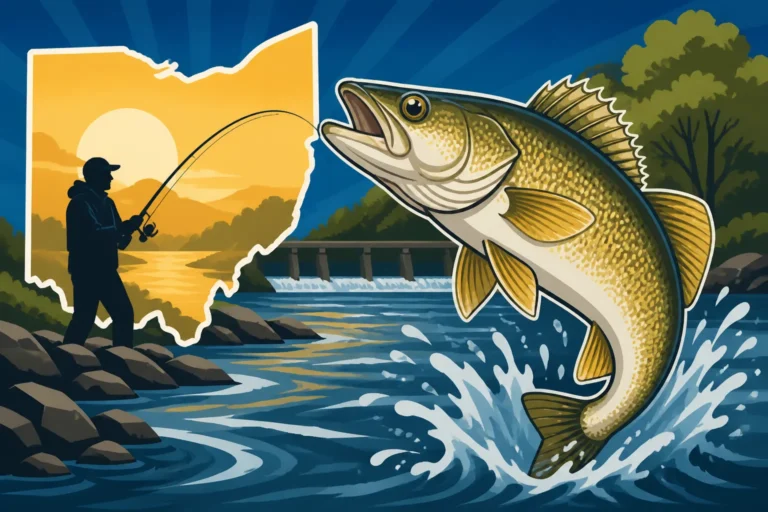
Trying to navigate the famous Sandusky River walleye run can feel overwhelming, especially with the sheer number of anglers and the unique river conditions you might encounter. It’s easy to get lost in conflicting advice or feel unprepared when the bite is on. This comprehensive guide will cut through the noise, providing you with the essential knowledge, techniques, and prime locations you need to confidently target and successfully catch walleye during this incredible annual migration in Ohio.
Understanding the Sandusky River Walleye Run Phenomenon
The annual walleye run on the Sandusky River is nothing short of legendary in Ohio fishing circles. It’s a natural spectacle that draws anglers from all over the state and beyond, all eager to intercept the massive schools of walleye making their way upstream from Lake Erie to spawn. But what makes this particular river such a hotspot, and when exactly does all this action unfold?
Why the Sandusky River is a Walleye Hotspot
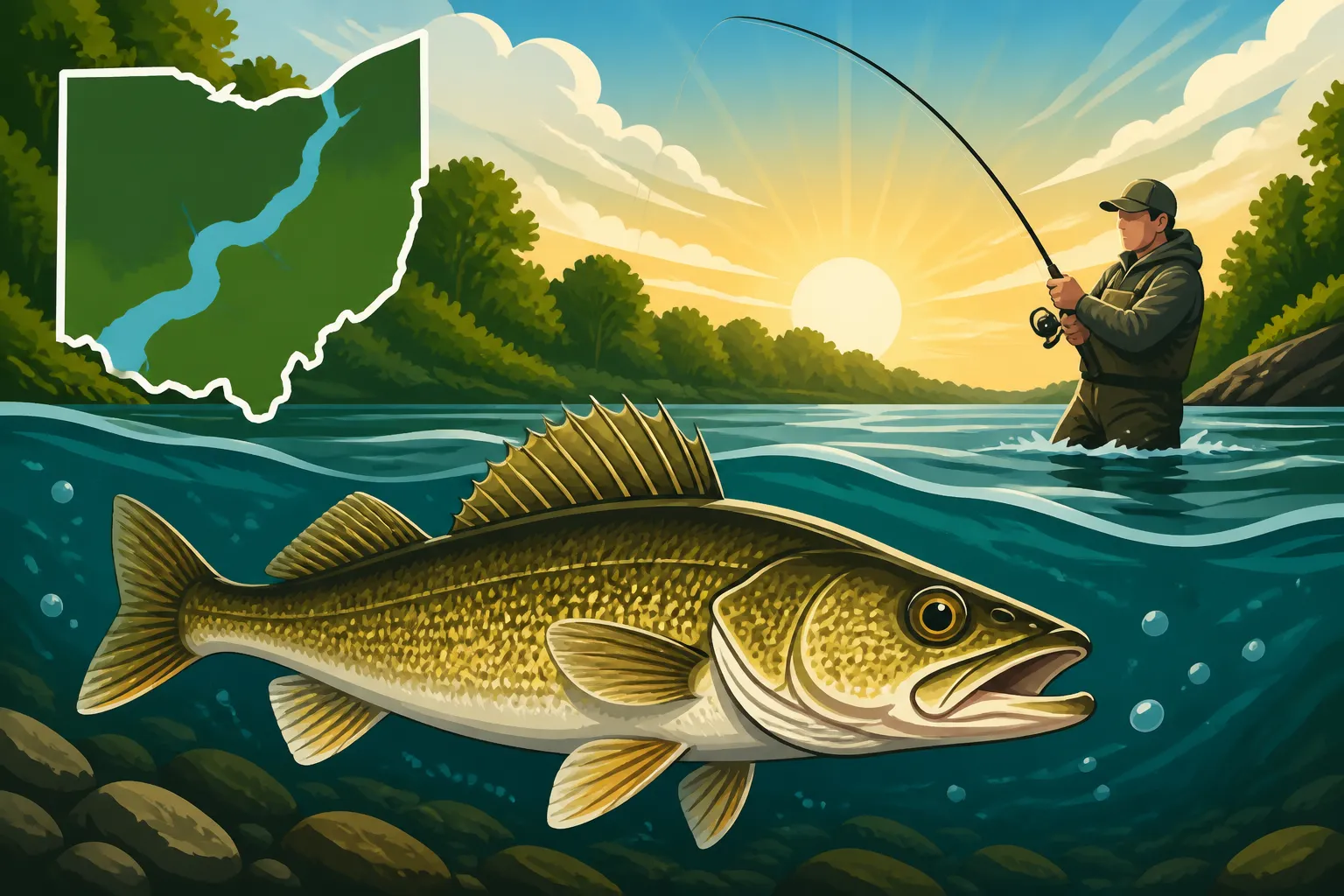
The Sandusky River, flowing northward into Lake Erie, acts as a crucial spawning highway for a significant portion of the lake's walleye population. Its unique characteristics create an irresistible draw for these fish. For one, the river offers a relatively shallow, rocky bottom composition in many areas, providing the perfect substrate for walleye to deposit their eggs. Unlike some other tributaries, the Sandusky has historically provided excellent access and flow patterns that guide fish directly to these spawning grounds.
Historically, the presence of the Ballville Dam near Fremont created a bottleneck, concentrating fish below it and making for incredible, albeit crowded, fishing opportunities. Even though the dam was removed in 2018, changing the river's dynamics and allowing fish to move much further upstream, the lower and middle sections of the river still provide prime conditions. The river's consistent flow, coupled with its connection to the incredibly fertile waters of Lake Erie, ensures a robust population eager to make the journey each spring. It’s a vital part of the walleye life cycle, and understanding this migratory purpose is key to anticipating their movements and finding them. You can learn more about the specifics of the walleye's journey in our Ohio Walleye Fishing Guide.
When the Walleye Run Typically Kicks Off
Timing is everything when it comes to the walleye run. Generally, the action on the Sandusky River begins in late February or early March, and can last well into April, sometimes even early May, depending on the year. The primary driver for the start of the run is water temperature. As the ice recedes and river temperatures nudge into the upper 30s and low 40s Fahrenheit, the first waves of walleye start pushing into the river. The peak of the run, when the most fish are concentrated, usually occurs when water temperatures reach the mid-40s to low 50s Fahrenheit.
Factors like heavy rains, snowmelt, and subsequent increases in river flow can also influence the timing and intensity. A sudden cold snap can slow the run down, while a period of mild weather can kick it into high gear. Keeping a close eye on local weather forecasts and, more importantly, river temperature and flow reports is crucial. Many local bait shops and online forums dedicated to Ohio fishing will provide real-time updates that are invaluable for planning your trip. Remember, the fish don't check a calendar; they respond to environmental cues, which means the exact timing varies each season. Knowing Ohio Fishing Season Dates and Effective Periods can also give you a broader context for the annual fishing calendar.
Key Environmental Factors for a Successful Run
Beyond water temperature, several other environmental factors play a significant role in the success and fishability of the Sandusky River walleye run.
- Water Levels and Clarity: High, muddy water due to heavy rain or rapid snowmelt can make fishing challenging. Walleye rely on their vision, and stained water reduces visibility, making it harder for them to find your bait. Ideal conditions usually involve stable or slowly falling water levels with a decent stain, but not completely murky. After a major rain event, give the river a few days to clear slightly.
- Current Speed: Walleye prefer areas with moderate current, often holding behind current breaks like submerged rocks, logs, or subtle bottom contours. Too much current makes it difficult for them to hold position and can wash baits away too quickly. Too little current, and the fish might spread out more.
- Moon Phase: While not as critical as temperature or flow, some experienced anglers swear by the moon phase, reporting better success around new and full moons, especially during the darker hours. This is largely anecdotal, but it's worth noting as you observe patterns.
- Time of Day: Walleye are often most active during low light conditions – dawn and dusk. Night fishing can be incredibly productive during the run, as the fish move more freely under the cover of darkness. However, during the peak of the run, you can often find fish biting throughout the day, particularly if the water is a bit stained or overcast conditions persist.
Understanding these factors allows you to not only time your trip better but also to adapt your approach once you're on the water.
Essential Gear and Techniques for the Sandusky River
Tackling the Sandusky River walleye run requires a specific set of gear and a nuanced understanding of river fishing techniques. It's not like still-water lake fishing; the current, structure, and sheer number of fish demand a robust and adaptable approach.
Rods, Reels, and Line for River Walleye
When gearing up for the Sandusky, you want a setup that's stout enough to handle strong current and powerful walleye, but sensitive enough to detect subtle bites.
- Rods: A medium-heavy to heavy power spinning rod, typically 6'6" to 7'6" in length, is ideal. The longer rods help with casting distance and managing line in the current. A fast action tip is crucial for detecting those light walleye bites while providing the backbone for solid hooksets. Look for rods with good sensitivity, as walleye can be notorious for "tap-tap" bites, especially in cold water.
- Reels: Pair your rod with a reliable spinning reel in the 2500-4000 series. Smooth drag is non-negotiable, as larger walleye can make powerful runs in the current. Look for reels with a good retrieve rate to quickly pick up slack line.
- Line: This is where opinions can vary, but most successful Sandusky anglers opt for a braid-to-fluorocarbon leader setup.
- Main Line: 10-20 lb braided line is excellent for its sensitivity, low stretch, and abrasion resistance. It cuts through the current better than mono, helping your bait get down faster.
- Leader: Attach a 6-10 lb fluorocarbon leader (typically 3-6 feet long) to your braid using a strong knot like an FG knot or an Albright knot. Fluorocarbon is nearly invisible underwater, providing a stealthy presentation, and its abrasion resistance helps against rocky bottoms. Some anglers prefer a slightly heavier fluorocarbon leader if fishing around very heavy cover or targeting larger fish.
Having the right tackle is the foundation of a successful outing. Checking out resources on Best Ohio Fishing Gear and Tackle Guide can give you broader insights into selecting equipment.
Go-To Baits and Lures for the Sandusky
Walleye in the Sandusky River are focused on feeding and spawning, making them susceptible to a variety of presentations. The key is to match the bait to the conditions and the fish's mood.
- Jigs: Without a doubt, jigs are king on the Sandusky. 1/4 to 1/2 ounce lead-head jigs are most common, often tipped with live bait or soft plastics.
- Live Bait: A shiner minnow, particularly a "large fathead" or "golden shiner," is a classic walleye killer. Hook them through the lips or just behind the dorsal fin.
- Soft Plastics: Paddle-tail swimbaits (like those from Keitech or Mister Twister), grub tails, and soft plastic stick baits in natural colors (chartreuse, white, pink, motor oil, black, brown) are incredibly effective. Experiment with sizes (2-4 inches) and colors.
- Blade Baits: These vibrating metal lures (like those from Reef Runner or Vibe) are fantastic for vertical jigging or casting and retrieving. Their strong vibration and flash attract walleye, even in stained water. Silver, gold, and firetiger patterns are popular.
- Weight Forward Spinners: A simple yet effective choice, often tipped with a nightcrawler or minnow. The weight at the front allows for good casting and getting down in current.
- Stickbaits/Crankbaits: While more common in slower water or deeper pools, shallow-diving stickbaits (like the Rapala Husky Jerk or Berkley Flicker Shad) can be deadly, especially during low light or when fish are cruising shallower flats.
| Lure Type | Ideal Conditions | Presentation Tips |
|---|---|---|
| Jigs (tipped) | All conditions, especially cold/stained water | Short hops, drag-and-pause, vertical jigging from a boat |
| Blade Baits | Moderate current, clear to slightly stained | Vertical jigging, snap-trolling (from a boat), cast and retrieve with pauses |
| Weight Forward Spinners | Moderate current, good for covering water | Slow, steady retrieve; let it sink and bounce along the bottom |
| Stickbaits/Crankbaits | Low light, slower pools, shallower flats | Erratic retrieve with pauses, slow steady retrieve |
Remember to experiment with color and retrieve speed until you find what the walleye are keying into on any given day. Many anglers find platforms like FishingBooker useful for seeing what local guides are reporting, which can give clues to current hot baits.
Effective Fishing Techniques for Current and Structure
Fishing the Sandusky River successfully means understanding how walleye use current and structure to their advantage.
- Bottom Bouncing/Dragging: This is arguably the most common and effective technique during the run. Use a heavy enough jig (1/4 to 1/2 oz or more, depending on current) to maintain bottom contact. Cast upstream and slightly across, allowing your jig to drift downstream, bouncing or "tickling" the bottom. Keep your rod tip high and be ready for any tap or sudden weight.
- Vertical Jigging (from a boat): If you're in a boat, positioning yourself upstream of a likely holding spot (e.g., a deep hole, current seam, or rocky shoal) and vertically jigging directly below you can be incredibly effective. Use your trolling motor to hold position or make slow drifts.
- Casting and Retrieving: This works well with blade baits or stickbaits, especially in areas with less current. Cast across or slightly upstream, letting the lure sink, then retrieve with an erratic action or steady sweep.
- Finding Current Seams: Walleye will often hold in the slower water adjacent to faster currents, waiting to ambush baitfish. Look for obvious seams, eddies, or areas where obstructions break the current.
- Targeting Deep Holes and Riffles: Deep holes offer refuge, while riffles (shallow, fast-moving sections) can be productive for aggressive fish feeding on stunned baitfish.
- Structure: Submerged rocks, fallen trees, bridge pilings, and even subtle changes in bottom composition can all hold walleye. Use your fish finder if you have one, or pay close attention to depth changes and snags to map out these hotspots.
Adapting your technique to the specific river conditions and the section you're fishing is crucial. Remember to use appropriate Ohio Fishing Regulations Every Angler Should Know and be mindful of other anglers.
Prime Fishing Locations Along the Sandusky
The Sandusky River offers numerous access points for anglers, both from shore and by boat. Understanding where these hotspots are and how to approach them can significantly increase your chances of success during the walleye run.
Popular Shoreline Access Points
For those who prefer to keep their feet on solid ground, the Sandusky River provides several fantastic shoreline opportunities, particularly in and around Fremont.
- Fremont's Brady Park & Rodger W. Young Park: These parks offer excellent access to the river right in town. They have designated fishing areas and can be incredibly productive, especially during the peak of the run. You'll often find anglers lining the banks, particularly in the mornings and evenings.
- Wolf Creek Park (near Fremont): Located slightly downstream, Wolf Creek Park offers a different stretch of river, often with less intense pressure than the immediate Fremont downtown areas. It provides good bank access and can be a great spot to drift jigs or cast for cruising walleye.
- White Star Park (Sandusky County Park District): While a bit further upstream, White Star Park can also provide access to the river's upper reaches during strong runs, especially after the removal of the Ballville Dam allowed fish to migrate further.
When fishing from shore, remember to be respectful of private property and other anglers. Space can be limited during peak times, so arrive early, especially on weekends. Always check for local parking regulations and access restrictions. These locations are popular for a reason – they offer consistent action when the fish are in. For more general information on fishing spots, consider our Best Places to Fish in Ohio guide.
Boat Launch Information and Strategies
For anglers with a boat, the Sandusky River opens up even more possibilities, allowing access to deeper channels and less pressured areas.
- Fremont City Boat Launch: Located directly in Fremont, this is a popular launch for accessing the main stretches of the walleye run. It can get very busy during peak season, so plan accordingly.
- State Route 53 Access (near Fremont): This public access point provides another option for launching, potentially offering a slightly less crowded experience than the main city launch.
When launching your boat, be aware of the river's current. It's often strongest during the run. Navigating the Sandusky River requires attention to depth, as there are shallow areas and submerged obstacles. Use your depth finder, watch for other boaters, and proceed with caution. Many boat anglers will focus on drifting with the current, vertical jigging, or slowly trolling specific areas where fish are holding. This can be more effective for covering water and finding active schools. Remember, you'll need an Ohio Fishing License Guide for Residents and Nonresidents to legally fish, whether from shore or boat.
Navigating the River: Safety and Regulations
Safety should always be your top priority, especially when fishing a moving body of water like the Sandusky River during a busy run.
- Life Jackets: Always wear a Coast Guard-approved life jacket, especially if you're in a boat. The cold water during the spring run can be unforgiving if you accidentally fall in.
- Cold Water Gear: Dress in layers. Hypothermia is a real risk. Waterproof outerwear, warm boots, and gloves are essential.
- River Hazards: Be aware of submerged rocks, logs, and rapid changes in depth. The current can be powerful, and losing your footing from shore or control of your boat can lead to dangerous situations.
- Fishing Regulations: Always carry your current Ohio fishing license and be familiar with the specific Ohio Statewide Bag and Size Limits for walleye, which can change seasonally and vary between Lake Erie and its tributaries. A typical daily bag limit for walleye on Lake Erie and its tributaries is six fish, with no minimum length limit in the river during the spring spawning run, but always double-check the latest regulations from the Ohio Department of Natural Resources (ODNR). This also includes understanding the Ohio Lake Erie Walleye Daily Bag Limit.
- Respectful Angling: With so many people concentrated in one area, courtesy is paramount. Give other anglers space, don't cast over their lines, and keep noise to a minimum. Pack out everything you pack in, including discarded fishing line and bait containers.
For those new to river fishing or looking for an edge, consider hiring a local guide. Resources like FishingBooker can help you find experienced captains who specialize in the Sandusky River run, offering invaluable local knowledge and ensuring a safe, productive trip. They often know the subtle nuances of the river that only years of experience can teach.
Maximizing Your Success and Handling Your Catch
Successfully navigating the Sandusky River walleye run isn't just about showing up with the right gear; it's about understanding the fish, adapting to conditions, and knowing how to properly handle your catch.
Reading the Water and Adjusting Your Approach
The Sandusky River is a dynamic environment, and the walleye's behavior can change hour by hour. Being able to read the water and adjust your strategy accordingly is a hallmark of a successful river angler.
- Look for Current Breaks: As mentioned, walleye love to sit out of the main current. Look for areas downstream of bridge pilings, large rocks, fallen trees, or even subtle indentations along the bank. These are prime ambush points where fish expend less energy.
- Observe Other Anglers: While you should always be respectful, observing where other anglers are catching fish can give you clues about hot spots, depths, or even specific lure colors that are working. Don't be afraid to ask friendly anglers for tips, but always be prepared to share your own knowledge in return.
- Pay Attention to Baitfish Activity: If you see baitfish flickering on the surface or notice diving birds, it's a good indication that predatory fish, including walleye, might be nearby.
- Change Your Presentation: If you're not getting bites, don't be afraid to change things up. Alter your jig weight, switch soft plastic colors, try a different retrieve speed, or even move to a new location. Sometimes a subtle change is all it takes to trigger a strike. Perhaps one day they want a slow drag, and the next they prefer a sharp jigging motion, especially when considering Best Ohio Walleye Fishing Techniques.
- Weather and Pressure Changes: A sudden cold front can make walleye sluggish, requiring a slower, more subtle presentation. Conversely, stable, mild weather might make them more aggressive. High fishing pressure can also make fish more wary, so stealth becomes more important.
Developing these observation skills takes time and practice, but they are invaluable for consistent success on the river.
Best Practices for Catching and Releasing or Keeping Walleye
Once you've hooked into a walleye, the next step is crucial for both the health of the fish and the quality of your table fare.
- Landing the Fish: Use a landing net with rubberized mesh if possible. This helps protect the fish's slime coat and fins, especially if you plan on releasing it. Avoid beaching the fish on rocky banks, as this can cause significant damage.
- Handling with Care (for release): If you're releasing a walleye, handle it minimally and with wet hands to protect its protective slime coat. Remove the hook quickly using pliers or a de-hooker. If the fish is deeply hooked, it's often best to cut the line as close to the hook as possible rather than trying to rip it out. Hold the fish gently in the water, facing upstream, until it swims away under its own power.
- Measuring and Bagging (for keeping): If you plan to keep your catch, first ensure it meets all current regulations, especially the Ohio Statewide Bag and Size Limits and the Ohio Lake Erie Walleye Daily Bag Limit. Use a ruler or measuring board to confirm length. Immediately place your fish on ice in a cooler. This is critical for preserving the quality and flavor of the meat. Don't let your fish sit on the stringer in warm river water for extended periods.
Whether you're practicing catch and release or harvesting fish for a delicious meal, responsible angling practices ensure the sustainability of the walleye population for future generations to enjoy. Many anglers even look for local guide services on platforms like FishingBooker that emphasize proper catch-and-release techniques if their goal is purely sport.
Disclaimer
Fishing conditions and regulations in Ohio can change. Always consult the latest rules and advisories from the Ohio Department of Natural Resources (ODNR) before heading out on the water. This guide is for informational purposes only and does not constitute professional advice.