Best Line for Fishing Heavy Cover in Ohio
There's nothing quite as frustrating as feeling that solid thump of a fish on the end of your line, only for your rod to bend double and then snap back to straight as your line gives way in a tangled mess of weeds or submerged timber. It’s a common heartache for anglers here in Ohio, especially when you're targeting those bigger fish that love to hide in the thickest cover. This guide is all about helping you conquer those snag-filled nightmares by choosing the absolute best fishing line for fishing heavy cover in Ohio, ensuring your next encounter isn't a heartbreaking loss but a triumphant catch.
Understanding "Heavy Cover" in Ohio Waters
When we talk about "heavy cover" in the context of fishing, we're not just talking about a few sparse weeds. We're talking about dense, abrasive environments where fish feel safe and where your fishing line is put to the ultimate test. Ohio's diverse waterways, from the shallow, vegetation-choked bays of Lake Erie to the snaggy bottom of the Ohio River and countless inland lakes, present unique challenges.
Common Types of Heavy Cover Anglers Face
In Ohio, heavy cover can take many forms, each demanding specific line characteristics. Imagine casting into a lily pad field on Buckeye Lake, where the pads themselves are like razor blades to a thin line, or trying to pull a chunky largemouth out of a fallen tree in Alum Creek Lake. You've got thick emergent weeds, submerged hydrilla, dense milfoil, and even brush piles strategically placed by anglers or nature. Then there are rock piles, riprap along causeways, and bridge pilings that act like sandpaper on your line. Each of these environments requires a line that can withstand constant friction and sudden, aggressive strikes from powerful fish.
Consider the challenge of fishing for muskie in Piedmont Lake or Leesville Lake, where these toothy giants lurk around thick wood and rock. Or picture yourself targeting big channel catfish in the Muskingum River, where the bottom is a graveyard of old logs and debris. Your line isn't just holding a fish; it's dragging it through a gauntlet of obstacles designed to cut it or wrap it up. Knowing these challenges helps us appreciate why line choice isn't just a preference, but a critical strategic decision.
The Cost of Underestimating Cover: Lost Fish and Gear
I've been there myself, trying to get by with a general-purpose line in a spot that clearly called for something tougher. The result? A snapped line, a lost lure (which can be expensive!), and, worst of all, a lost fish. It's not just the monetary cost; it's the mental toll of losing that trophy you worked so hard for because your line wasn't up to the task.
Think about it: every time your line rubs against a sharp branch, a jagged rock, or the stem of a lily pad, its integrity is compromised. A small nick can become a major weak point, leading to a break under pressure. Beyond the fish, losing a prized crankbait, jig, or spinnerbait to a snag can really add up over a season. Investing in the right line for heavy cover fishing in Ohio actually saves you money and heartache in the long run by reducing lost tackle and increasing your landing ratio. It's about preparedness and respect for the environment you're fishing in.
Key Line Characteristics for Heavy Cover Domination
When you're gearing up to tackle Ohio's heaviest cover, you need to think beyond just pound test. Several factors come into play that dictate how well a line will perform under stress.
Abrasion Resistance: The Number One Priority
If there's one characteristic you absolutely cannot compromise on when fishing heavy cover, it's abrasion resistance. This refers to the line's ability to withstand rubbing, scraping, and cutting against rough surfaces without fraying or breaking. Imagine a fish wrapping your line around a submerged stump; a highly abrasion-resistant line might give you those precious extra seconds to maneuver the fish out, whereas a less robust line would instantly snap.
Lines with a tough outer coating or a dense, tightly woven construction excel in this department. Some manufacturers even incorporate special polymer blends designed specifically to resist cuts and scrapes. You're looking for a line that feels smooth but incredibly durable, almost like it has an invisible shield. This is paramount for preventing those frustrating snap-offs that happen when a fish dives into a brush pile or through a weed mat.
Strength and Knot Integrity
While abrasion resistance protects against external damage, sheer strength ensures the line can handle the direct pull of a fighting fish and the stress of a powerful hookset. When a big bass buried deep in hydrilla suddenly lunges, you need a line that won't just stretch and give way. This isn't just about the stated pound test; it's also about the line's inherent ability to maintain its breaking strength, even after being tied.
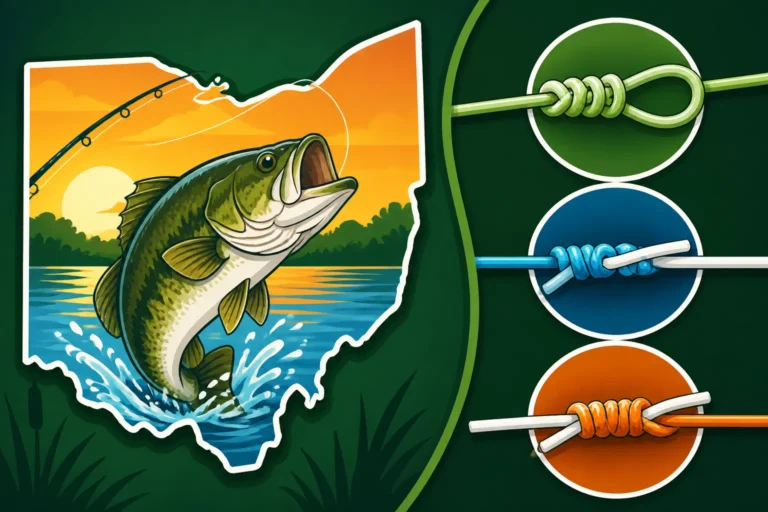
Knot strength is equally vital. A strong line is useless if the knot you tie slips, frays, or weakens dramatically under tension. When selecting a line for heavy cover, always consider how well it holds a knot. Some lines, especially certain types of braided or thick fluorocarbon, can be a bit more challenging to tie effectively, so practicing a strong, reliable knot like the Palomar or improved Clinch is crucial. When you're wrestling a tough fish out of the nastiest stuff, the last thing you want is your knot failing you at the critical moment.
Low Stretch vs. High Sensitivity
This is often a trade-off in fishing line, but for heavy cover, a balance or a lean towards lower stretch can be highly advantageous. Low-stretch lines transmit vibrations better, allowing you to feel subtle bites even when your bait is deep in cover. This increased sensitivity is invaluable for detecting those tentative takes from fish hunkered down in the weeds.
However, a little bit of stretch can act as a shock absorber, preventing hooks from tearing out of a fish's mouth during aggressive head shakes. It can also be more forgiving if you set the hook too hard. Braided lines offer virtually no stretch, providing maximum sensitivity and raw power. Fluorocarbon lines have low stretch, offering a good balance of sensitivity and a bit of give. Monofilament, with its higher stretch, can be more forgiving but sacrifices some feel. Your choice here often depends on the specific technique and how aggressive the fish are feeding.
Top Fishing Line Types for Ohio's Toughest Spots
Let's dive into the specifics of the most popular line types and how they stack up against Ohio's heavy cover challenges.
Braided Line: The Workhorse for Weeds and Wood
When it comes to sheer pulling power, incredible abrasion resistance, and zero stretch, braided line is king for heavy cover. Made of multiple synthetic fibers woven together, it's incredibly strong for its diameter, allowing you to use a higher pound test without sacrificing casting distance. For pulling bass out of lily pads or ripping a jig through thick milfoil, nothing compares. If you're wondering how many fishing lines you can use in Ohio, the answer generally refers to rods, not specific line types – and braided line often forms the backbone of a successful heavy cover setup.
Pros for Heavy Cover:
- Exceptional Strength: Unmatched pulling power for its diameter.
- Superior Abrasion Resistance: Highly resistant to cuts and nicks from wood and thick vegetation.
- Zero Stretch: Incredible sensitivity, allowing you to feel every bump and bite, and powerful hooksets that drive hooks home even at a distance.
- Floats: Can be beneficial for topwater presentations in slop.
Cons for Heavy Cover:
- Visibility: Often highly visible in clear water, which can spook wary fish.
- Cost: Generally more expensive than mono or fluorocarbon.
- Can Dig Into Spool: If not spooled tightly, it can dig into itself under heavy load.
Ohio Scenarios: Braided line shines when you're fishing for largemouth bass with jigs, frogs, or heavy Texas-rigged plastics in dense vegetation at places like Indian Lake or Hoover Reservoir. It's also fantastic for muskie fishing with large, heavy baits where you need to muscle a big fish away from submerged timber in places like West Branch Reservoir. Brands available on platforms like Amazon offer a wide range of choices for braided line, ensuring you can find the right strength and color for your needs.
Fluorocarbon: Stealth and Strength for Submerged Structure
Fluorocarbon line offers an excellent compromise between the invisibility of monofilament and the strength and low stretch of braid. It's denser than water, causing it to sink, which can be advantageous for keeping baits down in the strike zone. Its most celebrated quality, however, is its near-invisibility underwater, making it ideal for clear water or wary fish.
Pros for Heavy Cover:
- Excellent Abrasion Resistance: While not quite as robust as heavy braid against direct cuts, it handles rough rocks and wood remarkably well.
- Low Stretch: Good sensitivity and solid hook-setting power.
- Nearly Invisible Underwater: Great for finicky fish in clear water conditions.
- Sinks: Helps get baits down quicker and maintain contact with bottom structure.
Cons for Heavy Cover:
- Stiffness/Memory: Can be stiffer and have more memory than mono, especially in heavier pound tests, leading to coiling if not managed well.
- Knot Tying: Requires careful knot tying to prevent slippage and maintain strength.
- Cost: More expensive than monofilament.
Ohio Scenarios: Fluorocarbon is a fantastic choice for fishing jigs, soft plastics, and crankbaits around submerged rock piles, brush, and docks for smallmouth bass on Lake Erie or largemouth in clearer inland lakes. Its invisibility is a huge asset when targeting fish that might shy away from more visible lines. It's also a great choice for a leader when paired with braided main line for added abrasion resistance and stealth, especially when fishing for Lake Erie Walleye. You can often find great deals on quality fluorocarbon lines on Amazon.
Monofilament: When Cost-Effectiveness and Stretch are Key
Good old monofilament, or "mono," has been a staple for anglers for decades, and for good reason. It's affordable, easy to tie, and has a good amount of stretch, which can be both a blessing and a curse depending on the situation. While not the first choice for the absolute nastiest, most abrasive cover, it still has its place in certain heavy cover applications.
Pros for Heavy Cover:
- Cost-Effective: Generally the most affordable option.
- Easy to Tie and Manage: Very user-friendly, especially for beginners.
- Good Stretch: Acts as a shock absorber, helping to prevent hooks from tearing out and providing a little forgiveness if you over-set the hook.
- Floats: Good for topwater and shallow presentations.
Cons for Heavy Cover:
- Lower Abrasion Resistance: More susceptible to nicks and cuts compared to braid or fluorocarbon, especially in higher friction areas.
- Higher Stretch: Reduces sensitivity and hook-setting power, making it harder to feel subtle bites or drive a hook home from a distance.
- Higher Diameter: Thicker than braid for the same pound test.
Ohio Scenarios: Monofilament can be a decent choice for fishing lighter cover, like scattered weeds or around docks, particularly if you're using baits that benefit from some line stretch, such as certain crankbaits or spinnerbaits. It's also a great option for situations where you might be casting into cover but don't expect to drag the fish through a gauntlet, such as targeting crappie and panfish daily limits around brush piles with lighter presentations. For younger anglers or those just getting into fishing, it's a very forgiving and economical choice to start with, before graduating to more specialized lines.
Matching Line to Lure and Target Species in Heavy Cover
Choosing the right line type is only half the battle. You also need to consider the pound test, the lure you're using, and the specific fish you're targeting.
Line Selection for Bass in Thick Weeds
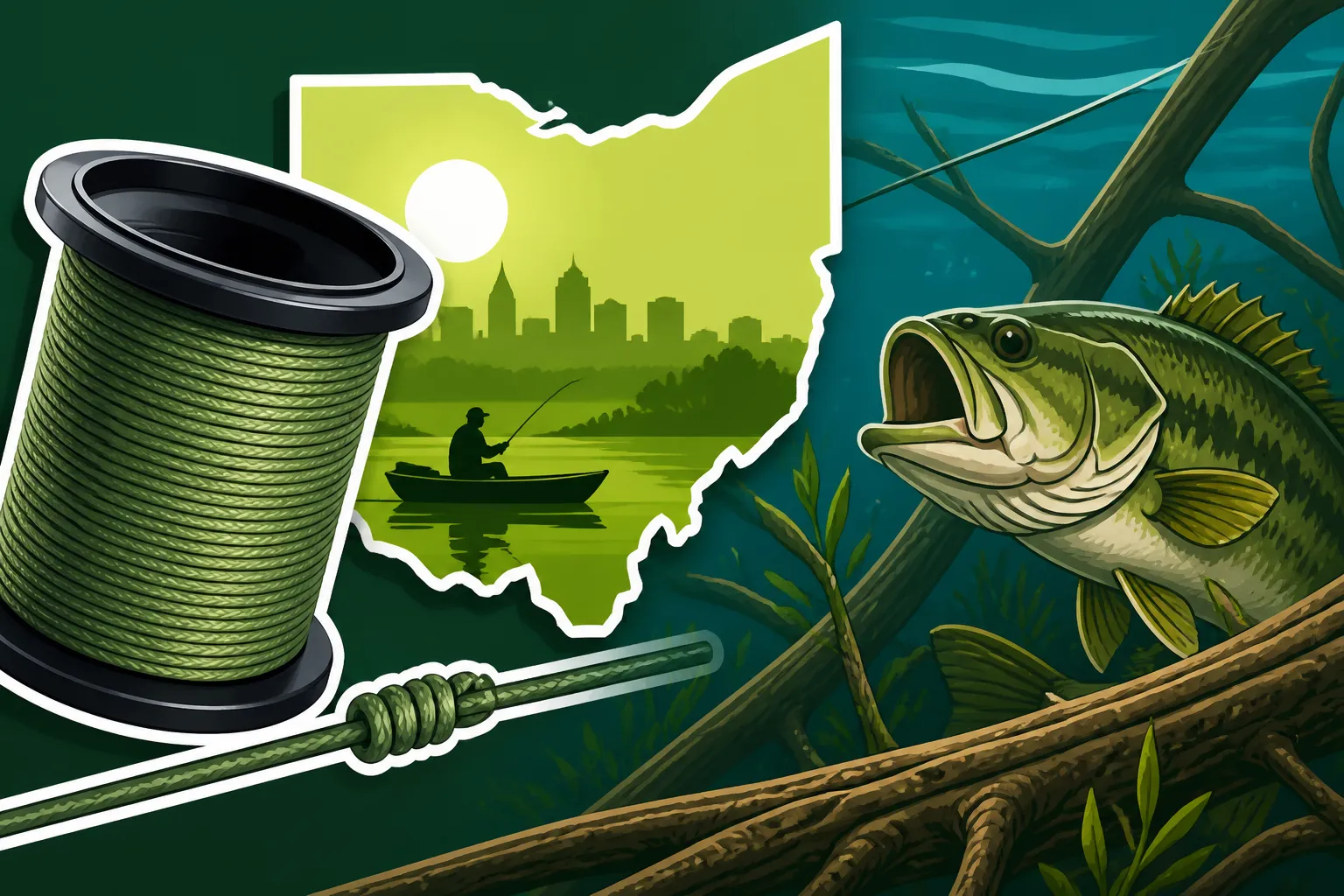
For trophy largemouth bass buried deep in dense Ohio vegetation, like the kind you find in the shallows of Lake Erie's Western Basin or in reservoirs like Deer Creek Lake, a heavy braided line is often the absolute best line for fishing heavy cover in Ohio. I'm talking 30-65 pound test, especially if you're throwing frogs, punching jigs through matted vegetation, or working heavy Texas-rigs. The braid cuts through the weeds better than other lines, prevents snagging, and allows you to wrench those powerful fish out of the cover before they can dig deeper.
For slightly less dense, but still heavy, cover where stealth might be more important – such as around sparse submerged wood or rocky points – a 15-20 pound fluorocarbon line can be deadly. This provides a good balance of abrasion resistance, low stretch, and invisibility. If you're unsure, you can always use a braided main line with a fluorocarbon leader for the best of both worlds. This allows you to have the sensitivity and strength of braid but the near invisibility of fluoro right down to your bait.
Catfish and Muskie in Snaggy Environments
Targeting the behemoths of Ohio's waters, like flathead catfish in the Ohio River or muskie in some of our top muskie fishing spots like Leesville Lake, demands serious line strength. For catfish, especially when you're fishing the bottom in snaggy areas, a heavy monofilament (25-50 lb) can be surprisingly effective due to its abrasion resistance and shock absorption against powerful runs. However, many seasoned catfishermen are now opting for heavy braided lines (50-80 lb) for their superior strength and ability to cut through minor snags, giving them more control over larger fish in current.
For muskie, it's almost universally braided line. These fish have razor-sharp gill plates and teeth, and they'll take any advantage they can get in thick cover. You'll want 65-100 pound test braid for muskie fishing in Ohio, especially if you're throwing big baits and need to pull them away from heavy wood or weed lines. The lack of stretch in braid means you can drive those big treble hooks home and maintain control during a fierce fight. Often, a heavy fluorocarbon leader (80-130 lb test) is added to the end of the braid for abrasion resistance against the fish's teeth and gill rakers, as well as a bit of invisibility near the lure.
The Importance of a Leader in Heavy Cover Scenarios
Sometimes, the best solution isn't a single line type but a combination. This is where leaders come in, offering the ability to fine-tune your setup for maximum effectiveness. A common strategy for heavy cover fishing is to spool your reel with braided line for its strength and no-stretch properties, then tie a shorter section (3-6 feet) of fluorocarbon as a leader. This gives you the best of both worlds: the brute force and cutting ability of braid, with the invisibility and added abrasion resistance of fluorocarbon near your lure.
For extremely abrasive situations, like fishing around sharp rocks or heavy timber for walleye or saugeye, a fluorocarbon leader of 10-20 pound test can make a huge difference. When dealing with toothy critters like muskie or northern pike, you might even opt for a wire leader to prevent bite-offs, although this typically reduces stealth. The key is to match the leader material and strength to the specific cover and the fish you're after. Learning strong knot-tying techniques, like the FG knot or uni-to-uni, to connect your main line to your leader is vital, as a weak connection is often the first point of failure.
| Line Type | Primary Advantages for Heavy Cover | Primary Disadvantages for Heavy Cover | Best Ohio Heavy Cover Uses |
|---|---|---|---|
| Braided | Max strength, extreme abrasion resistance, no stretch | High visibility, more expensive | Flipping/punching thick mats, muskie fishing, heavy catfish rigging |
| Fluorocarbon | Low visibility, good abrasion resistance, low stretch | Stiffer, specific knot care needed, sinks | Clear water structure fishing, rocky areas, weed lines, leaders for braid |
| Monofilament | Economical, easy to tie, good stretch (shock absorb) | Lower abrasion resistance, higher stretch, floats | Lighter cover, topwater, crankbaits, beginner friendly |
Choosing the best line for fishing heavy cover in Ohio truly comes down to understanding the environment, the fish you're after, and the specific technique you're employing. While no single line is perfect for every situation, leaning into the strengths of braided and fluorocarbon lines, often in combination, will significantly increase your success rate and reduce those frustrating lost fish moments. Remember, you can always find a wide selection of these lines from various manufacturers on platforms like Amazon, making it easy to experiment and find what works best for you.
Disclaimer
This article is for general informational purposes only and does not constitute professional advice. Laws, prices and regulations vary by location and change over time. Consult a qualified professional for guidance on your specific situation.