Best Ohio Lakes for Muskie Fishing Overall
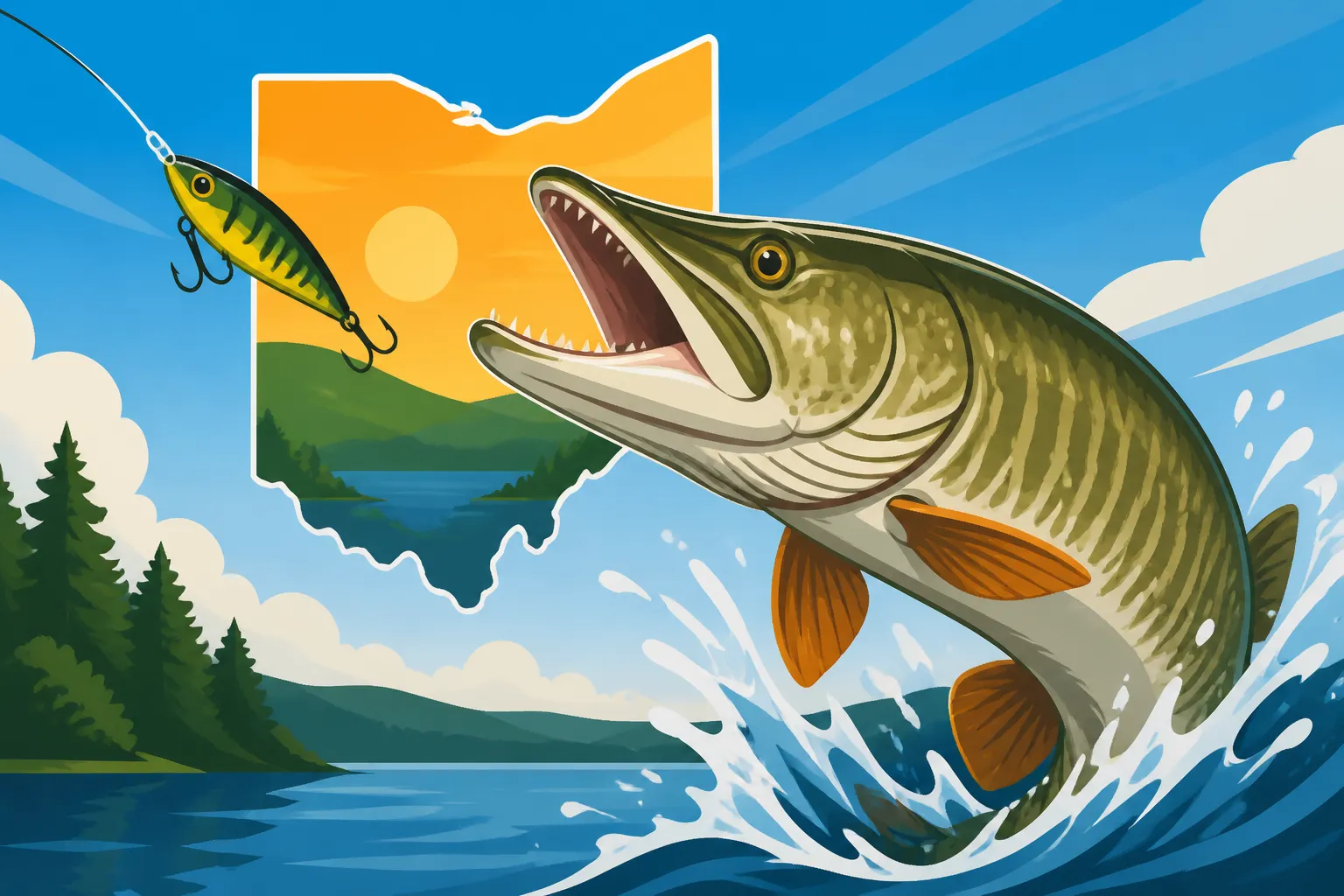
Hunting for that elusive freshwater leviathan, the Muskie, in Ohio can feel like a lifelong quest. These magnificent apex predators are notoriously difficult to catch, earning them the nickname "the fish of 10,000 casts." But don't let that deter you! The good news is that Ohio boasts several fantastic lakes where your chances of encountering one of these toothy giants are significantly higher. This guide will take you through the premier Muskie fishing destinations across the Buckeye State, offering insights into what makes them so special and how to approach them.
Unveiling Ohio's Premier Muskie Havens
Ohio's diverse waterways offer some truly exceptional Muskie fishing opportunities, with a handful of lakes consistently producing trophy-sized fish and thrilling encounters. These aren't just random bodies of water; they are carefully managed fisheries where Muskie thrive, thanks to consistent stocking programs and habitat work by the Ohio Department of Natural Resources (ODNR).
Leesville Lake: The Muskie Mecca
When Ohio anglers talk about Muskie, Leesville Lake in Carroll County almost always comes up first. It's truly a gem, a relatively smaller lake at about 1,000 acres, but its reputation for massive Muskie is legendary. What makes Leesville stand out? It's primarily a "no-wake" lake, meaning boats operate at idle speeds, creating a quieter environment less disturbed by high-speed traffic. This tranquility benefits Muskie, which can be sensitive to commotion. The lake is also home to the special "Leesville Strain" Muskie, a unique genetic lineage known for its robust growth and fighting spirit. Anglers here regularly report Muskie in the 40-inch range, with some exceeding 50 inches. The lake features extensive standing timber, submerged brush, and deep weed lines, all prime ambush points for these top predators. Fishing early in the morning or late in the evening, especially during overcast conditions, tends to be most productive. The sheer number of Muskie caught and released here makes it a prime destination, solidifying its reputation as a true Ohio Muskie fishing guide.
Piedmont Lake: Big Fish, Big Water
Just a stone's throw from Leesville, in Belmont, Harrison, and Guernsey counties, you'll find Piedmont Lake. This massive reservoir spans over 2,200 acres and is another consistent producer of large Muskie. Unlike Leesville, Piedmont allows higher speeds, but it still offers plenty of quiet coves and expansive areas for Muskie to roam. The lake boasts excellent forage bases, including gizzard shad, crappie, and suckers, which contribute to the rapid growth of its Muskie population. Piedmont is known for its steep drop-offs, submerged roadbeds, and vast standing timber forests, particularly in the upper arms of the lake. Anglers often target Muskie around these underwater structures using large crankbaits, jerkbaits, and soft plastics. The size of the lake can be intimidating for newcomers, but persistence often pays off with truly impressive catches. If you're looking for an adventure on big water with the potential for truly giant fish, Piedmont Lake for Muskie Fishing should be high on your list.
Alum Creek Lake: Central Ohio's Muskie Hotspot
For those closer to central Ohio, Alum Creek Lake in Delaware County is a fantastic option. This sprawling reservoir, covering over 3,300 acres, is incredibly popular for all types of recreation, but its Muskie fishery is something special. Alum Creek is actively stocked with Muskie, contributing to a healthy population that includes many fish over 40 inches. What makes Alum Creek appealing is its variety of habitat. You'll find shallow coves with weed beds, rocky points, deep main lake basins, and extensive standing timber. This diversity means Muskie can be found in different areas depending on the season and water conditions. Many anglers focus on the northern and southern ends of the lake, particularly around the many small islands and submerged humps. The ease of access, combined with the excellent fishing, makes Alum Creek Lake for Muskie and Saugeye fishing a convenient and productive choice for many Ohio anglers. When exploring this lake, it’s beneficial to know how deep Alum Creek Lake is in various sections to target Muskie effectively, as they often relate to changes in depth.
Other Notable Ohio Muskie Lakes
While Leesville, Piedmont, and Alum Creek are often considered the "big three," several other Ohio lakes offer worthy Muskie opportunities:
- West Branch Reservoir: Located in Portage County, this lake is known for its healthy Muskie population and often produces good numbers of fish.
- Clear Fork Reservoir: In Richland and Morrow counties, Clear Fork is another solid choice, particularly for anglers looking for a challenge in a scenic setting.
- Salt Fork Lake: Ohio's largest state park, Salt Fork in Guernsey County, also harbors a strong Muskie fishery with plenty of cover.
No matter which lake you choose, remember that the Ohio Muskie minimum length limit on inland lakes is 42 inches, and the Ohio Muskie daily bag limit is one fish. Always handle these fish with care to ensure their survival after release.
Key Characteristics of a Top-Tier Muskie Lake
Understanding why certain lakes are better for Muskie fishing can help you predict where these powerful fish might be lurking and even identify other potential Muskie waters. It's not just about stocking; it's about the entire ecosystem working in harmony.
Abundant Forage Base
Muskie are top predators, and they need a consistent and plentiful food supply to reach impressive sizes. Lakes with thriving populations of smaller fish like gizzard shad, suckers, crappie, yellow perch, and various panfish are ideal. This ensures Muskie have enough to eat, allowing them to grow quickly and maintain their health. A robust forage base means the Muskie aren't stressed for food, leading to more aggressive feeding patterns and healthier overall fish. Without a diverse menu, Muskie populations would be stunted or simply couldn't sustain themselves.
Diverse Habitat and Structure
Muskie are ambush predators, and they rely heavily on various forms of cover and structure to hide, hunt, and rest. The best Muskie lakes offer a mix of:
- Weed Beds: Dense stands of submerged vegetation provide cover for both Muskie and their prey. Look for transitions where weed lines meet open water or deeper channels.
- Standing Timber/Brush Piles: Submerged trees, stumps, and brush are excellent ambush points, especially in older reservoirs.
- Rock Piles/Riprap: Rocky areas can hold baitfish and provide excellent cover for Muskie, particularly on points or along dam faces.
- Deep Water Access: Muskie often relate to deep water, especially during hotter months or cold fronts. Proximity to deep channels, drop-offs, and humps allows them to move between shallow feeding grounds and deeper, cooler refuge.
- Creek Channels and Inflows: Areas where creeks or rivers feed into the lake can concentrate baitfish and provide oxygenated water, attracting Muskie.
A lake with varied structure allows Muskie to adapt to changing conditions and gives anglers more options for targeting them.
Consistent Stocking and Management
While some natural reproduction occurs, many of Ohio's best Muskie fisheries are sustained through active stocking programs by the ODNR. This ensures a healthy population level and helps maintain the genetic diversity of the fish. Effective management also includes careful regulation, like the Ohio Muskie size and bag limits, which protect the fishery and allow Muskie to grow to trophy potential. These efforts are often supported by angler groups who volunteer their time and resources, showing the passionate community behind Muskie fishing in Ohio. This cooperative approach is critical to ensuring that anglers can continue to experience Ohio Muskie Fishing Guide thrills for years to come.
Mastering Muskie Fishing in Ohio's Best Waters
Successfully catching a Muskie is often less about luck and more about preparation, persistence, and understanding the fish's behavior. While they are often called the "fish of 10,000 casts," every cast in the right spot with the right technique increases your odds.
Timing Your Trip for Optimal Success
Muskie fishing in Ohio generally peaks during certain times of the year, although they can be caught year-round. Knowing when Muskie fishing peaks in Ohio can significantly improve your chances.
- Spring (Post-Spawn): After the spawn in late spring (typically April-May), Muskie become very aggressive as they recover and feed heavily. They are often found shallower, making them accessible to casting. This is a great time to target them on the points and shallow flats adjacent to deeper water.
- Summer: During the heat of summer, Muskie will often retreat to deeper, cooler water. Look for them along deep weed lines, submerged humps, or near thermal breaks. Early morning and late evening bites are usually best. Night fishing can also be highly productive.
- Fall (The Prime Time): This is arguably the absolute best time for trophy Muskie in Ohio. As water temperatures drop, Muskie go on a feeding frenzy, bulking up for winter. They can be found in a variety of depths, often moving shallow to feed on dying baitfish. September through November are prime months, with many anglers specifically targeting the larger, more aggressive females.
Understanding the Ohio fishing season calendar for Muskie can help you plan your trips effectively.
Essential Gear and Techniques
Muskie fishing demands heavy-duty gear to handle these powerful fish. Don't skimp on your tackle; a lost fish due to inadequate equipment is a heartbreaking experience.
- Rods and Reels: A heavy-action baitcasting rod (8-10 feet) paired with a high-quality baitcasting reel capable of handling heavy lines and big lures is essential. Brands like Shimano, Daiwa, and Abu Garcia offer reliable options.
- Line: Spool up with 80-100 lb braided line. The no-stretch properties are crucial for setting hooks and battling these strong fish.
- Leaders: Always use a heavy-duty fluorocarbon or wire leader (at least 100-150 lb test) to prevent Muskie's razor-sharp teeth from cutting your main line.
- Lures: Muskie lures are often large and expensive, but they are designed to attract these giants. Consider:
- Bucktails: Classic and effective, especially when retrieving quickly just under the surface.
- Jerkbaits: Mimic wounded baitfish and can be worked erratically to trigger strikes.
- Crankbaits: Large diving crankbaits can be trolled or cast to cover deeper water.
- Soft Plastics: Big swimbaits and glide baits can be incredibly effective, especially when fished slowly.
- You can learn more about the best lures for Ohio Muskie to round out your tackle box.
- Landing Net and Tools: A large, rubberized Muskie net (at least 40 inches deep) is non-negotiable for safe landing and handling. Also, bring long-nosed pliers, bolt cutters (for cutting hooks if necessary), and a hook-out tool. Protecting yourself and the fish is paramount.
When you're ready to book an adventure, platforms like FishingBooker can help you find experienced Ohio Muskie guide services who know these lakes intimately and can put you on the fish. Many guides will provide all the necessary gear, which is a great way to try Muskie fishing without the upfront investment. If you're looking for specific guidance on how big Muskie get in Ohio lakes or even how old a trophy Muskie usually is, a good guide can provide invaluable local knowledge.
Understanding Muskie Behavior in Ohio Waters
Muskie are fascinating creatures, and learning about their habits can dramatically improve your fishing success. They are often solitary predators, territorial, and incredibly powerful.
Seasonal Movements and Feeding Patterns
Muskie movements are heavily influenced by water temperature, forage availability, and spawning cycles.
- Winter: During colder months, Muskie metabolism slows, and they become less active. They'll often hold in deeper basins or near structure in stable temperatures. Ice fishing for Muskie is possible but challenging, requiring specialized techniques.
- Spring: As water warms (45-55°F), Muskie move to shallower bays and flats to spawn. After spawning, they'll often stay in these areas for a short period, feeding aggressively before transitioning to summer patterns.
- Summer: When water temperatures exceed 70°F, Muskie often move to deeper, cooler sections of the lake, particularly during the day. They'll frequent main lake points, offshore humps, and deep weed edges. Night feeding can be strong.
- Fall: This is when Muskie really shine. As water cools (below 65°F), their metabolism increases, and they feed voraciously. They can be found in a variety of depths, often making forays into shallower areas to chase baitfish. This period, often called "the fall feed," is when many of the year's biggest Muskie are caught.
Observing baitfish activity, water temperatures, and even changes in barometric pressure can give you clues about where Muskie might be hiding and when they're most likely to strike. Many experienced anglers will track these conditions meticulously, sometimes even using services like FishingBooker to consult with local captains who have real-time reports.
The Importance of the Figure Eight
One critical technique for Muskie fishing, especially when casting, is the "figure eight" at the side of the boat. When you retrieve your lure all the way back to the boat, instead of pulling it out of the water, quickly plunge your rod tip into the water and trace a large "figure eight" pattern with your lure. Many Muskie will follow a lure right to the boat, often unseen, and only strike when they think it's about to escape. This maneuver can trigger a last-second strike from a hesitant fish, turning a follow into a catch. It's a fundamental skill every Muskie angler needs to master. This technique is often detailed in guides like the Ohio Muskie Fishing Guide, emphasizing its importance in converting follows into strikes.
Catch and Release Best Practices
Muskie are a precious resource, and given their slow growth rates and the effort required to catch them, ethical catch and release practices are paramount.
- Minimize Fight Time: Use heavy tackle to land the fish quickly, reducing stress.
- Stay in the Water: Whenever possible, keep the fish in the water during hook removal and photography. A Muskie out of water cannot breathe and its internal organs are compressed by its own weight, causing severe stress and potential damage.
- Proper Handling: Support the fish horizontally with two hands – one under the belly and one gripping the tail. Never hang a Muskie vertically by the jaw or gills.
- Quick Hook Removal: Use long-nosed pliers or bolt cutters to quickly remove hooks. If a hook is deeply embedded or difficult to remove, cut the hook rather than tearing at the fish's flesh.
- Revive the Fish: If the fish seems sluggish, hold it gently in the water, facing into a current, allowing water to flow over its gills until it regains strength and swims away on its own. Do not violently pump the fish back and forth, as this can damage its gills.
By following these practices, you help ensure these incredible fish can continue to thrill anglers for generations. Many guided trips, often found on platforms like FishingBooker, emphasize these catch-and-release practices as part of responsible angling.
| Lake Name | Location (County) | Primary Features | Average Muskie Size (inches) | Best Time to Fish |
|---|---|---|---|---|
| Leesville Lake | Carroll | No-wake, standing timber, deep weed lines | 40-50+ | Fall, Spring |
| Piedmont Lake | Belmont, Harrison, Guernsey | Large water, steep drop-offs, submerged timber | 40-50+ | Fall, Summer |
| Alum Creek Lake | Delaware | Diverse habitat, rocky points, deep basins | 35-45+ | Fall, Spring |
| West Branch Res. | Portage | Abundant structure, strong forage | 35-45 | Fall, Spring |
| Clear Fork Res. | Richland, Morrow | Deep, clear water, old roadbeds | 30-40+ | Fall, Summer |
| Salt Fork Lake | Guernsey | Large state park, extensive cover | 30-40+ | Fall, Spring |
Disclaimer
Please remember that fishing conditions and regulations can change. Always consult the latest Ohio Department of Natural Resources (ODNR) fishing regulations before heading out on the water. This information is provided for general guidance and educational purposes only.