Best Season for the Best Charter Rates on Lake Erie
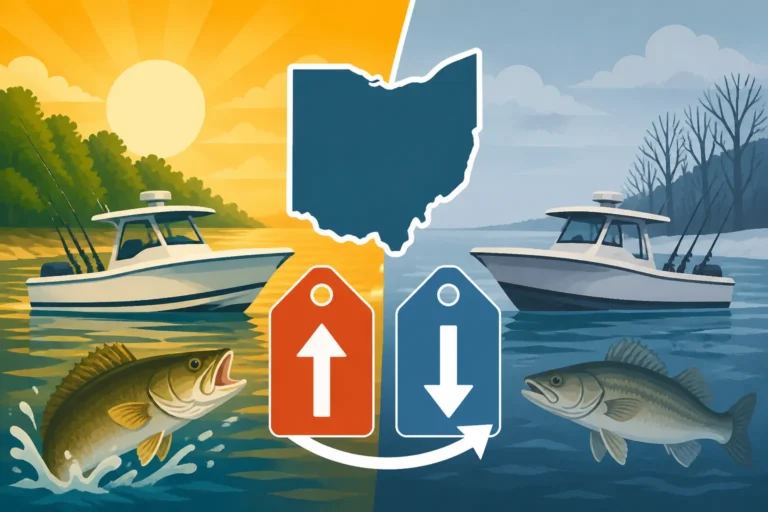
One of the biggest head-scratchers for folks planning a Lake Erie fishing trip out of Ohio is figuring out when the best time is to snag a great charter deal. It can feel like you need a crystal ball to predict when prices will be just right – not too high, but not so low that you’re sacrificing a good fishing experience. This guide is all about demystifying the seasonal pricing of Lake Erie fishing charters, helping you understand when demand and opportunity align for the best rates without compromising your shot at a fantastic catch.
Understanding Lake Erie Charter Pricing Dynamics
Charter fishing on Lake Erie is a vibrant industry, and like any other service, the pricing is heavily influenced by supply and demand. It's not just a flat fee year-round; instead, it's a dynamic landscape shaped by fish migrations, weather patterns, and angler expectations. Grasping these underlying dynamics is the first step to becoming a savvy booker.
Why Charter Prices Flu fluctuate
Think about it like this: if everyone wants to go fishing on the same three weekends in July, those dates are naturally going to command higher prices. That's the basic principle at play. Charters invest heavily in their boats, gear, licensing, and insurance, not to mention the years of experience their captains bring to the table. They need to maximize their revenue during the most productive and desirable times of the year to make ends meet. When conditions are perfect, and the walleye bite is on fire, captains can fill their calendars easily, and there's less incentive to offer discounts. Conversely, when the weather is iffy, or the fishing is slower, they might be more willing to negotiate or offer special rates to keep their boats running.
It’s a balancing act between the captain's need to earn a living and your desire to get a good value. Understanding this helps manage expectations. You’re paying for expertise, equipment, and access to prime fishing grounds, and the demand for those resources changes throughout the year.
Seasonal Demand and Supply
Lake Erie is famous for its walleye and yellow perch fishing, and these species dictate much of the charter season. Walleye, especially, draw anglers from all over the country. The demand for charters surges when the walleye are most active and accessible, particularly during their spring spawning run and then again in the summer months when they're feeding heavily in the open lake. This creates distinct "peak" seasons.
During these peak times, the supply of available charters, while significant, often struggles to keep up with the sheer volume of anglers wanting a spot on the water. This high demand allows captains to charge their standard rates, which reflect the prime conditions and high likelihood of a successful trip. Conversely, during slower periods, often characterized by less predictable weather or when fish are dispersed, the demand lessens, and charters become more readily available. This increased supply relative to demand creates windows of opportunity for potentially better rates. It's a classic economic principle playing out on the waters of Lake Erie.
Peak Season vs. Off-Peak Season: A Cost Comparison
To really nail down the best season for charter rates, we need to compare the different times of the year, understanding that "best rates" often involves a trade-off between cost and peak fishing action. There's no single right answer for everyone, as some prefer to pay more for a near-guaranteed bite, while others are happy to take a chance for a significant saving.
Prime Walleye and Perch Season: What to Expect
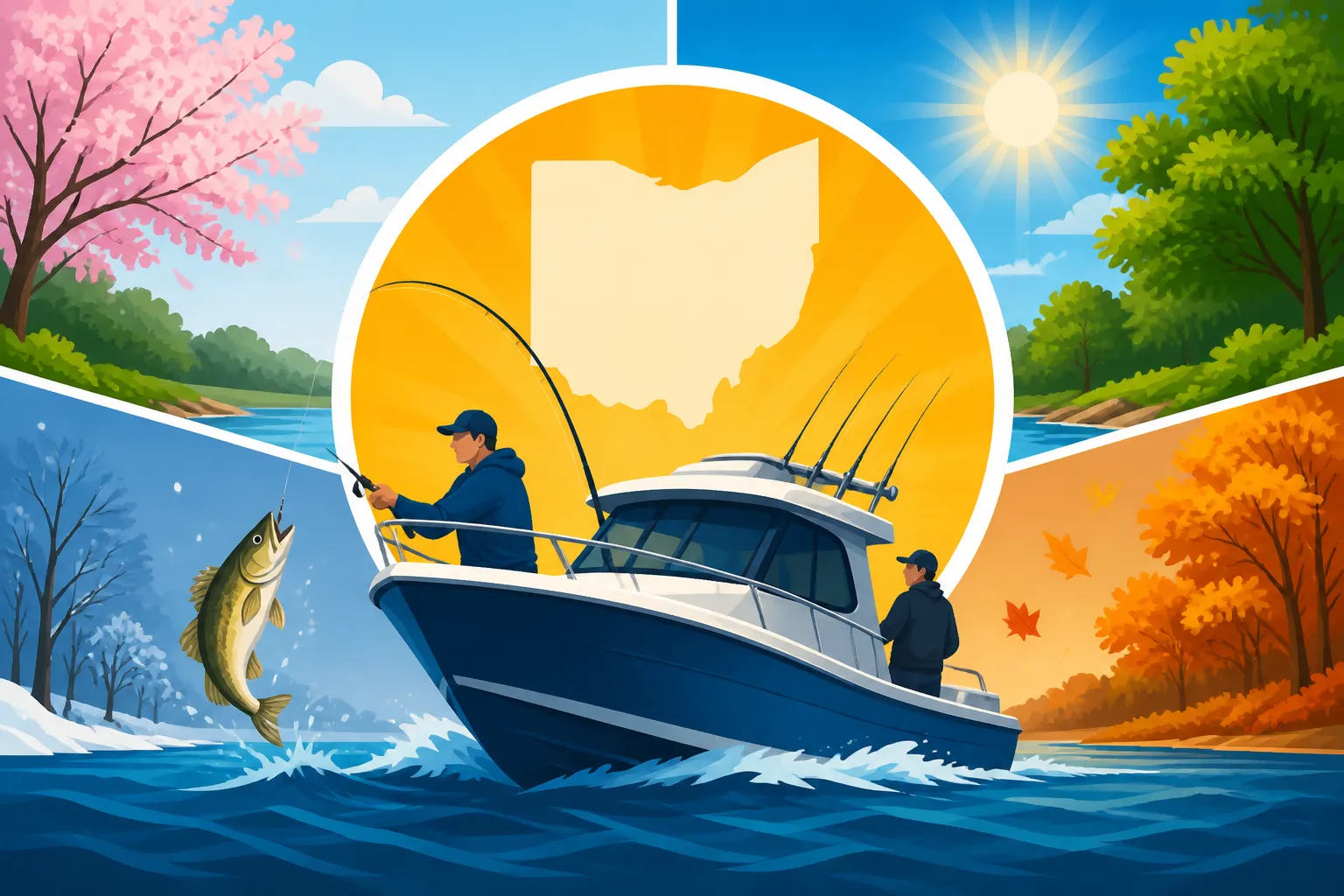
The prime season for walleye on Lake Erie typically kicks off in late spring, around April and May, with the famous Western Basin walleye run. This is followed by fantastic open-water trolling action throughout June, July, and August across the Western and Central Basins. Yellow perch fishing also has strong peaks, often in late summer and into the fall. These are the times when Lake Erie truly lives up to its reputation as "The Walleye Capital of the World."
During these months, expect to pay standard, and sometimes premium, charter rates. Booking a charter during this period means you're almost certainly hitting the fish at their most active and abundant. The weather is generally more stable, the days are longer, and the excitement on the docks is palpable. You'll find that Best Month to Book a Lake Erie Walleye Charter often corresponds with these higher demand periods. Charter captains are busy, their boats are often booked solid weeks or even months in advance, and their rates reflect this high demand and excellent fishing potential. While you might not find "deals" in the traditional sense, you're paying for a top-tier experience during the best fishing windows.
Shoulder Seasons: A Sweet Spot?
The shoulder seasons are where the savvy angler can often find a real sweet spot between good fishing and more agreeable rates. These are typically early spring (March-April, before the full walleye explosion) and late fall (September-October, after the summer crowds thin out but before winter fully sets in).
In early spring, you might find charters focusing on pre-spawn walleye or early perch, depending on water temperatures and fish movement. The weather can be a bit more unpredictable than in summer, but the fish are often aggressive as they prepare for spawning. You might have to bundle up, but the opportunity for some truly exceptional fishing, sometimes with fewer boats on the water, can be there. Rates might be slightly lower than peak summer, and captains may be more flexible with bookings or offer a small discount to fill their schedule.
Late fall can be equally rewarding. The crowds have thinned, the leaves are changing, and the walleye are often putting on the feedbag for winter. Perch fishing can also be phenomenal. While the days are shorter and the weather can be crisp, many experienced anglers swear by fall fishing for trophy-sized fish. Charters might offer slightly reduced rates, especially on weekdays, as the overall demand softens from the summer rush. It's a great time to consider a trip if you're not afraid of cooler temperatures and are looking for a potentially less expensive, yet still highly productive, outing.
Winter and Early Spring: The Deep Discounts
If your primary goal is the absolute lowest charter rate, and you're adventurous enough to brave the colder conditions, then the true off-season is where you'll find them. We're talking about the dead of winter (if Lake Erie isn't completely iced over) and very early spring, generally from November through March. During this time, many charter captains are doing maintenance on their boats, pursuing other winter work, or simply not operating.
Those who do operate might be targeting very specific species, or operating on a more limited, weather-dependent schedule. The demand is minimal, and thus, rates can be significantly lower. However, there's a trade-off: the fishing can be highly unpredictable, and weather cancellations are much more common. What Happens If a Lake Erie Charter Is Canceled for Weather? is a question you'll want to ask frequently if booking in this timeframe. While you might save a considerable amount on the charter fee, you also run a higher risk of not getting out on the water at all, or having a much slower day of fishing. This option is best for anglers whose main priority is budget, and who are truly flexible with their schedule and expectations.
Here's a quick comparison of what you might generally expect:
| Season | Typical Fishing Focus | Expected Rates | Angler Crowds | Weather Predictability | Pros | Cons |
|---|---|---|---|---|---|---|
| Peak Season | Walleye (Spring Run, Summer Trolling), Perch (Summer/Fall) | Standard to Premium | High | Moderate to High | Best fishing action, comfortable weather | Highest cost, harder to book, crowded waters |
| Shoulder Season | Walleye (Pre-spawn, Fall Feed), Perch (Late Fall) | Slightly Reduced | Moderate | Moderate | Good fishing, lower cost, fewer crowds | More unpredictable weather, shorter days |
| Off-Peak (Winter/Early Spring) | Limited options, specific species | Deep Discounts | Very Low | Very Low | Lowest cost, solitude | Highly unpredictable fishing/weather, limited charters |
Finding Deals and Booking Strategies for Better Rates
Now that we understand the seasonal shifts, how do you actually go about finding those better rates and securing your spot? It's not just about when you fish, but how you book and what you're willing to be flexible on.
Leveraging Online Booking Platforms and Deals
In today's digital age, online booking platforms are incredibly helpful tools for comparing charter rates across different captains and seasons. Websites like FishingBooker provide a centralized place where you can browse numerous Lake Erie charters, see their availability, read reviews, and compare prices side-by-side. Many captains will list their seasonal rates directly, and sometimes, you'll even find special promotions or off-season discounts advertised through these platforms.
Using a service like FishingBooker allows you to filter by location, target species, and even price range, making it much easier to pinpoint charters that fit your budget during your preferred season. It’s also a great way to see cancellation policies and what’s included in the price, which can vary significantly from one charter to another. Don't be shy about checking these platforms regularly, especially as the shoulder seasons approach, as captains might update their listings with new deals.
Flexibility and Weekday Bookings
One of the simplest yet most effective ways to secure a better rate on a Lake Erie charter is to be flexible with your dates. Weekends, especially during peak season, are always going to be in high demand and therefore command standard or premium pricing. If you can manage to book your trip on a weekday (Monday through Thursday), you'll often find charters are more available, and some captains might even offer a slight discount.
Think about it from the captain's perspective: a booked weekday is better than an empty one. If you call directly or check a platform like FishingBooker and mention you're flexible with weekdays, you might open the door to a better deal than if you were locked into a Saturday in July. This flexibility also extends to specific dates; if you're not tied to a particular holiday weekend, you'll have more options and potentially better rates.
Last-Minute Opportunities and Risks
Sometimes, if you're feeling lucky and incredibly flexible, you might stumble upon a last-minute deal. These usually arise when a charter has a cancellation or an unfilled slot very close to the fishing date. A captain might be willing to offer a reduced rate to avoid losing a full day's revenue.
However, relying on last-minute bookings comes with significant risks. First, there's no guarantee that any charters will be available, especially during prime seasons. Second, you might not get your first choice of captain or boat. And third, if the weather turns sour, you might not have time to reschedule. This strategy is best for spontaneous anglers who live close to Lake Erie and can drop everything for a fishing trip, or those with very low expectations for specific dates or target species. It's a gamble, but sometimes, it pays off.
Factors Beyond Season That Influence Charter Costs
While the season plays a huge role in charter rates, it’s certainly not the only factor. Many other elements contribute to the final price tag, and understanding these can help you further optimize your booking for the best value.
Trip Duration and Type Half-day vs. Full-day, Walleye vs. Perch
The length of your trip is a major determinant of cost. Typically, charters offer half-day (around 4-5 hours) and full-day (around 8-10 hours) options. Naturally, a full-day trip will cost more than a half-day trip, but it also gives you significantly more time on the water, more opportunities to catch fish, and often a chance to venture further offshore to different fishing grounds. For many, the per-hour cost of a full-day trip can actually be a better value. Check out Half-Day vs Full-Day Lake Erie Charters for a deeper dive into this comparison.
The target species can also sometimes affect the price, though this is less common for general Lake Erie charters. A specialized trip for, say, trophy smallmouth bass or specific muskie fishing might be priced differently than a standard walleye or perch trip due to the unique gear or techniques required. Most Lake Erie charters, however, are geared towards walleye and perch, and their rates generally cover either pursuit.
Boat Size and Amenities
The size and type of charter boat can influence the price. Larger, more modern boats with advanced electronics, comfortable cabins, and amenities like private restrooms might command higher rates. These boats can often handle rougher water conditions more comfortably and sometimes accommodate larger groups, which can spread the cost among more anglers.
Conversely, smaller, older boats might have slightly lower rates. It’s important to balance comfort and features with your budget. While a fancy boat is nice, a well-maintained, slightly older vessel with an experienced captain can still provide an outstanding fishing experience. Consider what amenities are truly important to your group before making a decision.
Included Services and Extras
When comparing charter rates, it's crucial to understand what's actually included in the advertised price. Some charters are all-inclusive, providing bait, tackle, rods, reels, and even fish cleaning services. Others might charge extra for some of these items.
Always ask or check the charter's listing (often available on platforms like FishingBooker) to confirm what's provided. Things like bait, particularly live bait, can add up. Fish cleaning services are a huge convenience after a long day on the water, but they may come with an additional fee. Tipping the crew is also customary and should be factored into your overall budget. Don't forget that you'll still need your own Ohio Fishing License Guide for Residents and Nonresidents regardless of what the charter provides. Taking these potential extras into account will give you a true picture of the total cost and help you determine the best value for your money, regardless of the season.
Disclaimer
This article is for general informational purposes only and does not constitute professional advice. Laws, prices and regulations vary by location and change over time. Consult a qualified professional for guidance on your specific situation.