How Charter Pricing Changes Between Peak and Off-Peak Season
It's a common dilemma for anyone dreaming of a fantastic fishing trip in Ohio: you've got your heart set on reeling in some trophy walleye on Lake Erie or battling a feisty steelhead in one of our tributaries, but then you start looking at charter prices, and a big question mark appears. How much does a charter really cost, and more importantly, why does that price seem to jump around so much depending on the time of year? You're not alone in feeling a bit confused. This guide is here to shed some light on exactly how Ohio fishing charter pricing changes between the bustling peak season and the quieter, sometimes more affordable, off-peak periods, helping you plan your next angling adventure with confidence.
Understanding Ohio's Fishing Calendar: When Are the Waters Hottest (and Priciest)?
Ohio's diverse fisheries mean that "peak season" isn't a single, monolithic block of time. Instead, it's a dynamic calendar influenced heavily by species, weather, and fish behavior. When a particular species is biting hard, easy to find, and conditions are generally favorable, demand for charters goes through the roof, and with demand comes a change in pricing.
The Peak of Lake Erie Walleye Season
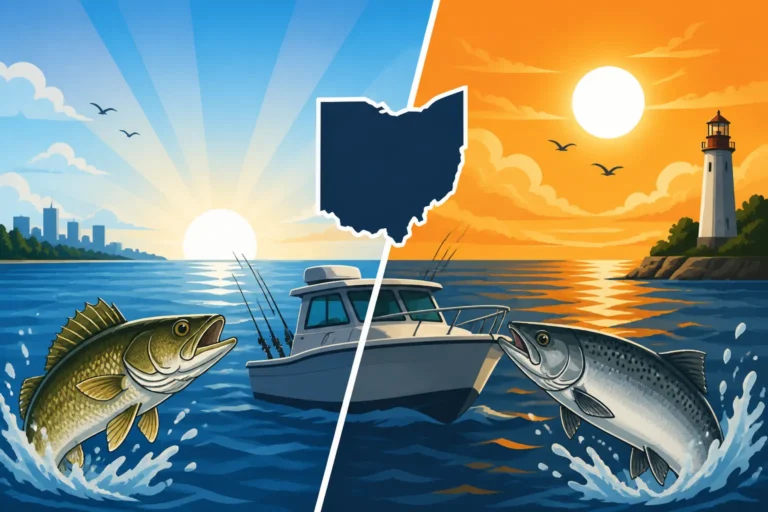
For many, the crown jewel of Ohio fishing is the Lake Erie walleye. The "peak" for walleye fishing on the lake generally kicks off in late spring, around April or May, and can extend well into early fall, usually through September or even October, depending on water temperatures. The absolute hottest period, often when limits are easier to come by and the fish are schooled up, typically falls from late May through August. During these months, the weather is usually stable, boat traffic is high, and the walleye are aggressively feeding. This intense period of activity and favorable conditions creates a high demand for charter boats.
Think about it: families are on summer vacation, avid anglers are taking their annual trips, and everyone wants a shot at those famous Lake Erie 'eyes. Captains are running multiple trips a day, sometimes seven days a week. It's a prime time, and as a result, charter prices during this window are at their highest. If you're looking to book a Lake Erie Walleye Charter Guide during these months, you'll want to reserve your spot well in advance and expect to pay the standard, full-rate price.
Peak Steelhead Runs in the Tributaries
While Lake Erie walleye dominate the summer, another significant peak season in Ohio revolves around the legendary steelhead runs in the Lake Erie tributaries. These feisty rainbow trout migrate from Lake Erie into rivers like the Rocky River, Grand River, and Vermilion River, drawing a dedicated crowd of anglers. The peak steelhead season generally has two main windows: the fall run (starting late September/October and lasting through December) and the spring run (usually late February through April).
During these periods, especially when water levels and temperatures are just right, the rivers are teeming with chrome-bright fish, and the banks are lined with anglers. Guides specializing in Ohio Steelhead Fishing Guide Services become highly sought after. Because these windows are relatively short and weather-dependent, demand for experienced guides skyrockets. Expect to see premium pricing during these key weeks, reflecting the specialized knowledge required and the high success rates when conditions align. Booking a fly fishing or spin fishing guide for steelhead during the peak can be competitive, and the rates will reflect that expertise and demand.
Off-Peak: The Shoulder Seasons and Winter Chill
"Off-peak" doesn't necessarily mean bad fishing; it often means different fishing, or fishing in less comfortable conditions, which translates to lower demand and thus, lower prices. For Lake Erie, the true off-peak might be considered the early spring (March, early April) before the walleye fully activate, or late fall/early winter (November, December) when the weather turns colder and many charters dock for the season.
During these shoulder seasons, you might find charters offering slightly reduced rates, or more flexibility in booking dates. The fishing can still be excellent, but it might require a bit more grit to brave the elements, or target species that are less in demand, like late-season yellow perch or some of the river species before the main steelhead push. Likewise, during the dead of winter, most Lake Erie charters are inactive, but intrepid ice anglers might find guides offering ice fishing trips on smaller, inland lakes for crappie or walleye. These are niche opportunities, and while demand isn't as high as summer walleye, the specialized equipment and knowledge still command a fair price, though likely different from a summer Lake Erie trip.
The Anatomy of a Charter Price Tag: More Than Just the Calendar
While peak and off-peak seasons are huge drivers of price fluctuations, they're not the only variables. A charter's cost is a complex equation influenced by many factors, from operational expenses to the captain's reputation and the type of experience offered. Understanding these elements can help you discern why one charter might cost more than another, even if they're fishing the same waters on the same day.
Demand, Reputation, and Experience
This is perhaps the biggest non-seasonal factor. A captain with a stellar reputation, years of experience, a proven track record of finding fish, and consistently positive reviews will naturally command higher prices. Their calendar fills up fast, and their services are in high demand because anglers trust them to deliver a memorable and successful trip. Conversely, a newer captain or one with less established clientele might offer slightly lower rates to build their business and reputation. When choosing an Ohio fishing charter, you're not just paying for a boat ride; you're paying for expertise. Websites like FishingBooker often allow you to see reviews and captain profiles, giving you insight into their experience and specialties.
The target species also plays a role. Guides specializing in elusive or difficult-to-catch species, such as muskie, often charge more due to the specialized gear, extensive knowledge, and sheer effort involved in pursuing these fish. Muskie guides, for example, are known for their tireless efforts and deep understanding of these apex predators. Ohio Muskie Fishing Guide Services often reflect this premium.
Operational Costs: The Unseen Expenses
Running a fishing charter is an expensive business, and these costs are baked into the price you pay.
- Fuel: This is a major variable. A full-day trip on Lake Erie, especially when running far offshore to find active fish, can burn a significant amount of fuel. Fluctuations in fuel prices directly impact charter rates.
- Boat Maintenance and Insurance: Maintaining a safe, reliable, and well-equipped fishing vessel is an ongoing and costly endeavor. Engines need regular servicing, electronics must be updated, and the boat itself requires constant upkeep. Commercial fishing insurance is also a substantial annual expense.
- Gear and Tackle: Rods, reels, lines, lures, and bait all cost money. A good captain invests in quality equipment that can stand up to the rigors of heavy use and ensure clients have the best chance of success. Replacing lost lures or broken rods is part of the business.
- Crew Wages: Many larger Lake Erie charters operate with a first mate, who plays a crucial role in assisting anglers, netting fish, and ensuring safety. Their wages are part of the operational cost.
- Permits and Licensing: Captains must hold commercial licenses, and the boat itself needs specific permits and safety certifications to operate legally and safely as a charter vessel. These are annual fees.
These behind-the-scenes expenses remain relatively constant regardless of the season, but they form the baseline for any charter's pricing structure.
Trip Duration and Type
It's probably obvious, but the length of your trip directly impacts the cost. Half-Day vs Full-Day Lake Erie Charters will have significantly different price points. A full-day trip allows for more travel time, more fishing time, and generally increases your chances of a successful catch, but it also means more fuel, more crew time, and more wear and tear on the boat. Some charters also offer specialized trips, like sunset walleye trips or multi-day excursions, which will have unique pricing structures. When looking to book, make sure you understand the duration and what's included.
Navigating the Seasons: Strategies for Maximizing Value and Your Catch
So, knowing that prices fluctuate, how can you best navigate the Ohio charter scene to get a great trip without overspending? It's all about strategy, flexibility, and knowing what you truly prioritize.
Flexibility is Your Friend
If your schedule allows for it, being flexible with your dates can be your greatest asset.
- Shoulder Seasons: Consider booking trips in the "shoulder" seasons – late spring (before the absolute peak of summer) or early fall (after the summer rush but before winter sets in). While not technically "off-peak," demand might be slightly lower, and you might find more availability or even a slightly better rate. The fishing can still be phenomenal during these times, sometimes even better than the dog days of summer for certain species.
- Weekdays vs. Weekends: Like many industries, weekend dates during peak season are always the most coveted and therefore, least likely to see discounts. If you can sneak away on a Tuesday or Wednesday, you might find charters with more open slots, and occasionally, a captain might be more willing to negotiate a slight adjustment, though this is less common with established, high-demand operations.
- Last-Minute Openings: While not a reliable strategy, sometimes a last-minute cancellation can open up a prime date. If you're local and can drop everything for a fishing trip, it might be worth checking with a few captains or browsing platforms like FishingBooker for immediate availability, especially if you're targeting a Best Time of Year to Book an Ohio Lake Erie Charter.
Researching and Comparing Options
Before you commit to a charter, do your homework.
- Online Platforms: Websites like FishingBooker are incredibly helpful resources. They allow you to browse multiple charters, compare prices, see what's included, and read reviews from other anglers. This transparency is invaluable for understanding the market rate for a particular type of trip in a given season. You can often see clear distinctions in pricing for peak versus off-peak dates directly on their booking calendars.
- Direct Contact: Don't hesitate to call a few different captains. While they may not always discount prices, speaking directly can give you a feel for their personality, their philosophy on fishing, and allow you to ask specific questions about what's included in the price. This direct interaction can be crucial for Choosing an Ohio Fishing Charter that's right for you.
- Package Deals: Some lodges or marinas might offer package deals that combine accommodation with a charter trip, especially during quieter times or for Booking a Multi-Day Ohio Fishing Trip. These can sometimes offer a better overall value than booking everything separately.
Understanding What's Included
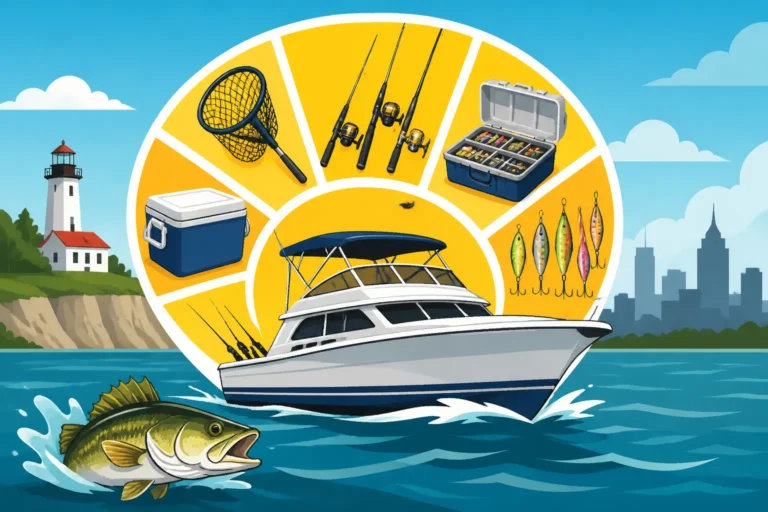
Always clarify what the quoted price includes. Does it cover bait and tackle? Is fish cleaning part of the service, or is there an extra fee? Are snacks and drinks provided? Knowing these details upfront can prevent any surprises and help you accurately compare "apples to apples" when looking at different charter options. Don't forget to factor in potential tips for the crew, which are customary for a good experience.
The Highs and Lows: Benefits and Trade-offs of Peak vs. Off-Peak Charters
Let's break down the distinct advantages and disadvantages of booking a charter during Ohio's peak and off-peak seasons. Each comes with its own set of expectations and potential rewards.
Peak Season Charters: The Buzz and the Bounty
Benefits:
- Optimal Conditions: Generally, peak season means the weather is more predictable, the fish are most active, and conditions are prime for targeting your desired species. For Lake Erie walleye, this often means higher catch rates and the best chance at a limit.
- Abundant Fish: With fish in their most aggressive feeding patterns or during strong migratory runs (like steelhead), you're often fishing during the absolute best windows for sheer numbers or trophy potential.
- Variety of Charters: During peak times, almost every charter boat is operating, giving you a wider selection of captains and boat sizes to choose from.
- Social Atmosphere: Many people are out on the water, creating a vibrant, energetic atmosphere, especially at popular ports like Port Clinton or Sandusky.
Trade-offs:
- Highest Prices: This is the most obvious drawback. You will pay the top dollar for a peak season trip.
- Limited Availability: Prime dates, especially weekends, get booked up months in advance. You'll need to plan far ahead.
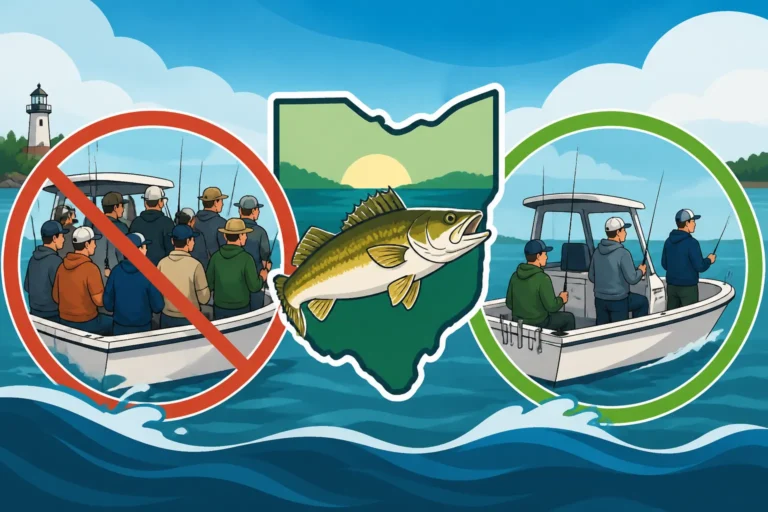
- Crowds: Fishing spots, boat ramps, and even local restaurants can be very crowded. Sometimes, the competition for fishing grounds can be intense.
- Weather Dependency: While generally good, peak summer can also bring intense heat, pop-up thunderstorms, or strong winds that can still impact a trip.
Off-Peak Charters: The Quiet Rewards
Benefits:
- Lower Prices: The most attractive aspect for many budget-conscious anglers is the potential for reduced rates. Some captains might offer slight discounts or more flexible pricing to keep their calendars active.
- Increased Availability: You'll have an easier time booking the specific date you want, even on shorter notice.
- Fewer Crowds: The lakes and rivers are significantly less crowded, offering a more peaceful and solitary fishing experience. You might have prime spots all to yourself.
- Unique Fishing Opportunities: Off-peak can open up different fishing scenarios. For instance, late fall on Lake Erie can offer incredible big walleye opportunities, even if the numbers aren't as high as mid-summer. Or early spring steelhead can be a challenging but rewarding pursuit. The Ohio Fishing Season Calendar can help you explore these different windows.
- Personalized Experience: With fewer bookings, a captain might have more time to spend with your group, offering more instruction or tailoring the trip to your specific interests.
Trade-offs:
- Unpredictable Weather: This is the biggest gamble. Off-peak, especially in the shoulder seasons or late fall/early spring, often means dealing with colder temperatures, rain, snow, or stronger winds. Trips are more likely to be postponed or canceled due to adverse conditions.
- Fewer Options: Some charters might not operate during the true off-peak, reducing your pool of available captains.
- Specific Gear Needed: You'll need to be prepared for colder weather, which means bundling up, bringing layers, and ensuring your What to Bring on an Ohio Fishing Charter list is robust.
- Potentially Slower Fishing: While not always the case, some off-peak periods might naturally have slower action as fish transition or are less active. You might need more patience and adaptability.
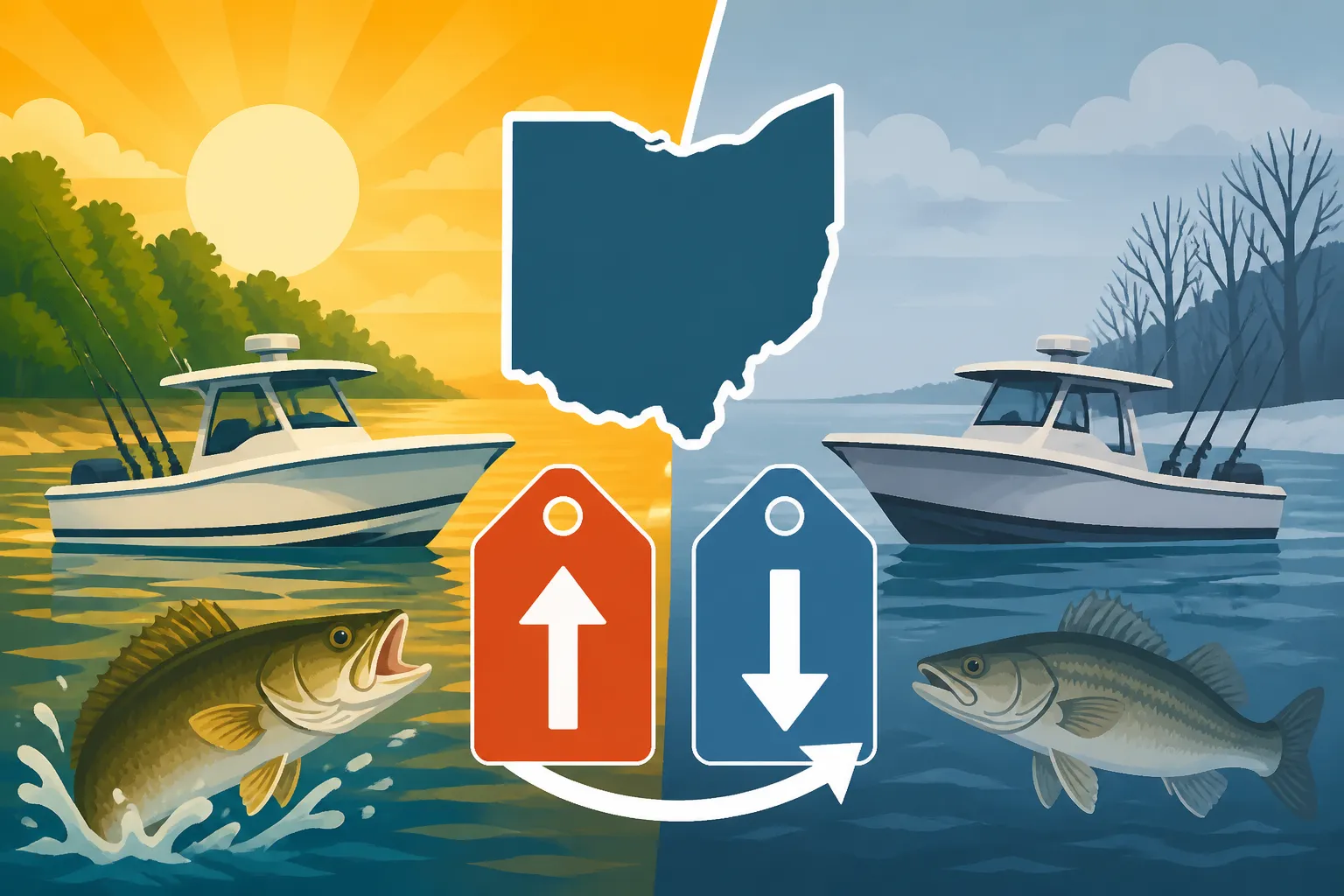
Here's a quick comparison to summarize the key differences:
| Feature | Peak Season Charter | Off-Peak Season Charter |
|---|---|---|
| Pricing | Highest rates, less room for negotiation | Potentially lower rates, more flexibility |
| Availability | Limited, book well in advance, especially weekends | More open dates, easier last-minute bookings |
| Crowds | High boat traffic, crowded ramps and fishing spots | Significantly fewer anglers, more peaceful experience |
| Weather | Generally stable and pleasant, but can have extremes | More unpredictable, colder, higher chance of wind/rain |
| Fish Activity | Often highest activity, best bite windows | Can be slower but might offer trophy potential |
| Target Species | Primary species are very active (e.g., summer walleye) | Might target different species or more challenging bite |
| Comfort | Usually more comfortable conditions | Requires more preparation for colder, harsher weather |
Ultimately, the best time to book an Ohio fishing charter depends on your priorities. If guaranteed action and comfortable conditions are paramount, and budget is less of a concern, peak season is your best bet – just book early! If you're an adventurous angler willing to brave the elements for a potentially more affordable, less crowded experience, the off-peak season can offer incredibly rewarding trips. By understanding these dynamics, you're well-equipped to make an informed decision for your next Ohio fishing adventure.
Disclaimer
This article is for general informational purposes only and does not constitute professional advice. Laws, prices and regulations vary by location and change over time. Consult a qualified professional for guidance on your specific situation.