Best Eating Fish Caught in Ohio
One of the greatest joys of a successful fishing trip in Ohio isn't just the fight or the catch, but the anticipation of a delicious meal shared with family and friends afterward. However, if you've ever reeled in a cooler full of fish only to wonder which ones truly belong on your dinner plate, you're not alone. Many anglers ponder which Ohio species offer the best flavor, texture, and overall dining experience. This guide is here to cut through the guesswork and help you identify the best eating fish caught right here in Ohio, along with tips on how to make them taste their absolute best.
The Quest for Flavor: What Makes a Fish Taste Good?
Before we dive into specific species, let's talk about what actually contributes to a fish's flavor profile. It's not just about the species itself, though that's a huge part of it. Think about it: a steak from one cow might taste different from another, even if they're the same breed, depending on their diet and care. Fish are similar. The environment they live in, what they eat, the water temperature, and how they're handled after being caught all play a significant role.
Generally, people tend to prefer fish with a mild, flaky white flesh that isn't overly "fishy" or oily. This preference often steers anglers towards certain species, but sometimes even a fish with a stronger flavor can be delicious with the right preparation. The key is understanding these nuances and embracing the unique characteristics of each catch. After all, variety is the spice of life, and the same goes for your fish dinners!
The Impact of Habitat and Diet on Fish Taste
Just like humans, what a fish eats directly influences its flavor. Fish feeding on a varied diet of invertebrates and smaller baitfish often develop a richer, more complex flavor than those in less diverse ecosystems. For instance, a walleye feasting on shad in Lake Erie might have a slightly different taste than one from a smaller inland lake primarily eating minnows. Similarly, the water clarity and temperature of their habitat can affect their flesh. Fish from cold, clear waters often have firmer, cleaner-tasting meat.
Consider a sunny, warm afternoon after a good rain. The water might be a bit murkier, and fish could be more active. While they might bite well, the taste might differ slightly from a fish caught on a crisp fall morning when the water is cooler and cleaner. It’s not a drastic difference, but a discerning palate might pick up on it. This is why knowing your fishing spots and the conditions can give you an edge, not just in catching, but in dining.
The Myth of "Fishy" Fish
Many people shy away from fish because they've had a bad experience with something that tasted too "fishy." Often, this isn't an inherent trait of the species but rather a sign of improper handling. Freshness is paramount! If a fish isn't properly bled, cleaned, and kept cold immediately after being caught, enzymes start to break down the flesh, leading to those off-putting flavors.
The "fishy" smell and taste often come from trimethylamine oxide (TMAO), which is naturally present in fish flesh. As the fish ages or is poorly handled, bacteria convert TMAO into trimethylamine (TMA), which has that strong, unpleasant odor. So, if you're pulling in a beautiful catch, the clock starts ticking the moment it's out of the water. Immediate care makes all the difference between a sublime dinner and a regrettable one.
Ohio's Top Contenders for Best Eating
Alright, let's get down to business! Ohio offers an incredible diversity of fish species, and many of them are absolutely fantastic on the dinner table. While taste is always subjective, there are a few species that consistently rank high among anglers and foodies alike.
Walleye: The Undisputed King of the Plate
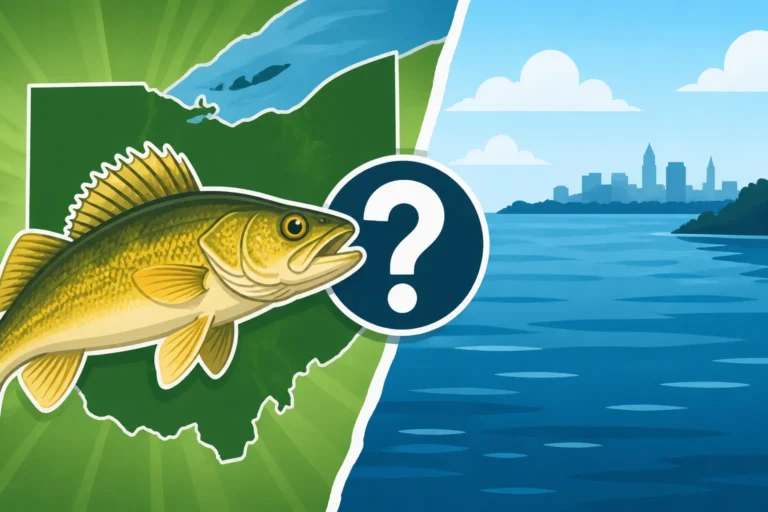
Ask almost any angler in Ohio what the best-eating fish is, and nine times out of ten, they'll crown the walleye. There's a good reason for this! Walleye possess a delicate, flaky, white flesh with a very mild flavor that easily takes on the flavors of whatever seasoning you choose. It's not oily, nor is it overtly "fishy," making it a versatile choice for a wide array of cooking methods, from pan-frying to baking or grilling.
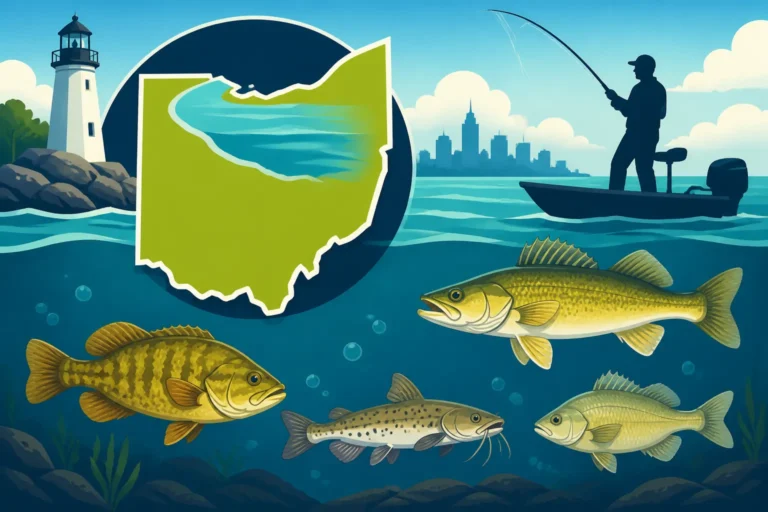
Lake Erie, in particular, is famous for its abundant and delicious walleye, often referred to as the "Walleye Capital of the World." The cold, nutrient-rich waters contribute to their firm texture and clean taste. If you've ever had a fresh Lake Erie walleye fillet, you know exactly what I'm talking about. It's a culinary experience that truly sets it apart. Whether you're fishing the Western Basin or venturing further east, a Lake Erie walleye is a prize catch, both for sport and for supper. You can dive deeper into Ohio Walleye Fishing Guide for tips on how to catch them.
Yellow Perch: Lake Erie's Delicious Little Cousin
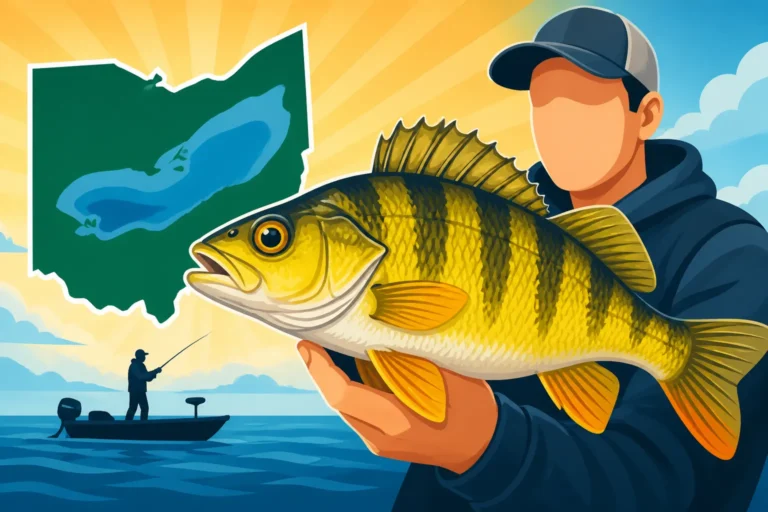
Closely following walleye in popularity, especially around Lake Erie, is the yellow perch. These panfish are often overlooked by anglers targeting bigger game, but their sweet, flaky white meat is truly a delight. They're smaller than walleye, meaning you'll need more of them to make a meal, but the effort is well worth it. Perch fillets are perfect for a classic fish fry, holding up beautifully to a crispy breading.
The charm of yellow perch lies in their consistent mild flavor. They don't tend to get that strong "fishy" taste, even if they're not processed immediately (though prompt cleaning is always recommended!). Many consider a plate of fresh Lake Erie yellow perch to be the quintessential Ohio fish fry experience, bringing back memories of lakeside diners and family gatherings. For more on targeting these tasty morsels, check out our Ohio Yellow Perch Fishing Guide.
Crappie: Panfish Perfection
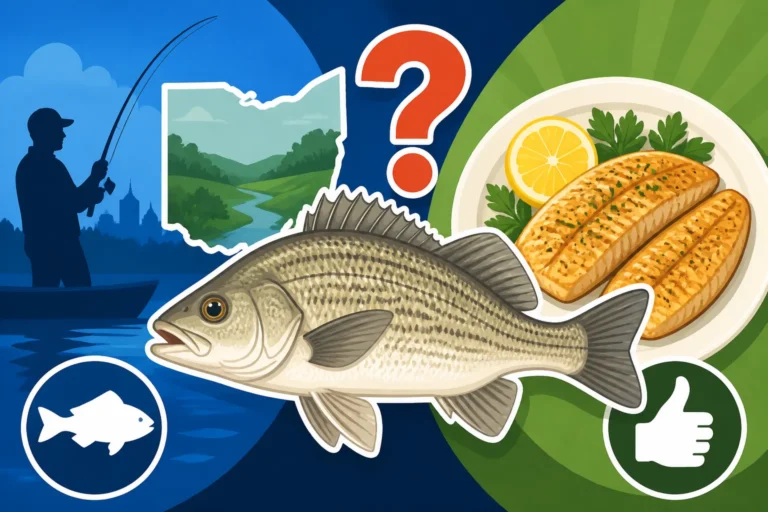
Moving away from Lake Erie, crappie (both black and white) are a huge hit in Ohio's inland lakes and reservoirs. These panfish are known for their incredibly tender, sweet, and flaky white flesh. They're relatively easy to catch, especially during their spring spawning runs when they move into shallow waters. Crappie are a fantastic option for family fishing trips, as even beginners can often reel in a decent haul.
Much like yellow perch, crappie are often best prepared by frying. Their delicate fillets don't require much seasoning beyond a little salt, pepper, and your favorite breading to shine. If you're looking for a consistently good-eating fish that's accessible across much of the state, crappie should be high on your list. You can explore Ohio Crappie Fishing Guide for tips and locations.
Channel Catfish: Surprisingly Versatile and Delicious
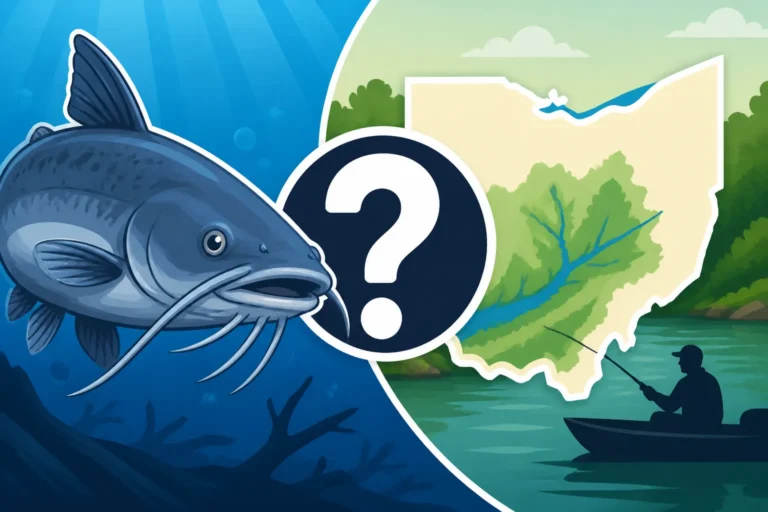
Now, this is where some anglers might raise an eyebrow, but don't knock the channel catfish until you've tried it! While often associated with muddy river bottoms and a "stronger" taste, a properly handled channel catfish from clean water can be absolutely delicious. Their meat is firm, white, and takes on seasonings wonderfully. The key is sourcing them from clean environments and ensuring immediate and thorough cleaning.
Many experienced anglers will tell you that the flavor of a channel catfish depends heavily on its diet and environment. Fish caught from clear, flowing rivers or clean ponds often have a much milder flavor than those from stagnant, muddy areas. Channel catfish are incredibly versatile in the kitchen, excellent when fried, baked, grilled, or even smoked. If you're hesitant, try a smaller channel cat (under 5 pounds); they tend to have the best flavor and texture. Learn more about targeting these bottom dwellers in our Ohio Channel Catfish Fishing Guide.
Largemouth Bass: A Popular Sport Fish That Also Eats Well
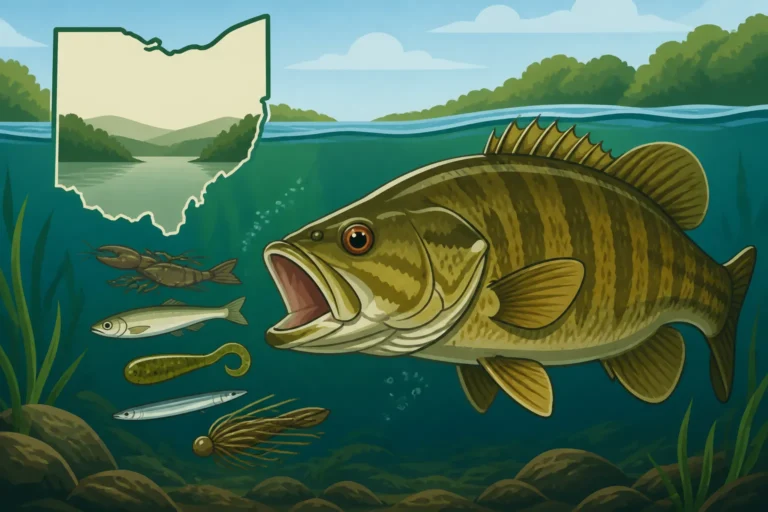
While perhaps not as universally lauded as walleye or perch for table fare, the largemouth bass is a perfectly respectable eating fish. Their white, somewhat flaky flesh has a mild to moderate flavor. Some anglers find it slightly "fishier" than walleye, but this can often be mitigated by bleeding the fish immediately and thoroughly cleaning it.
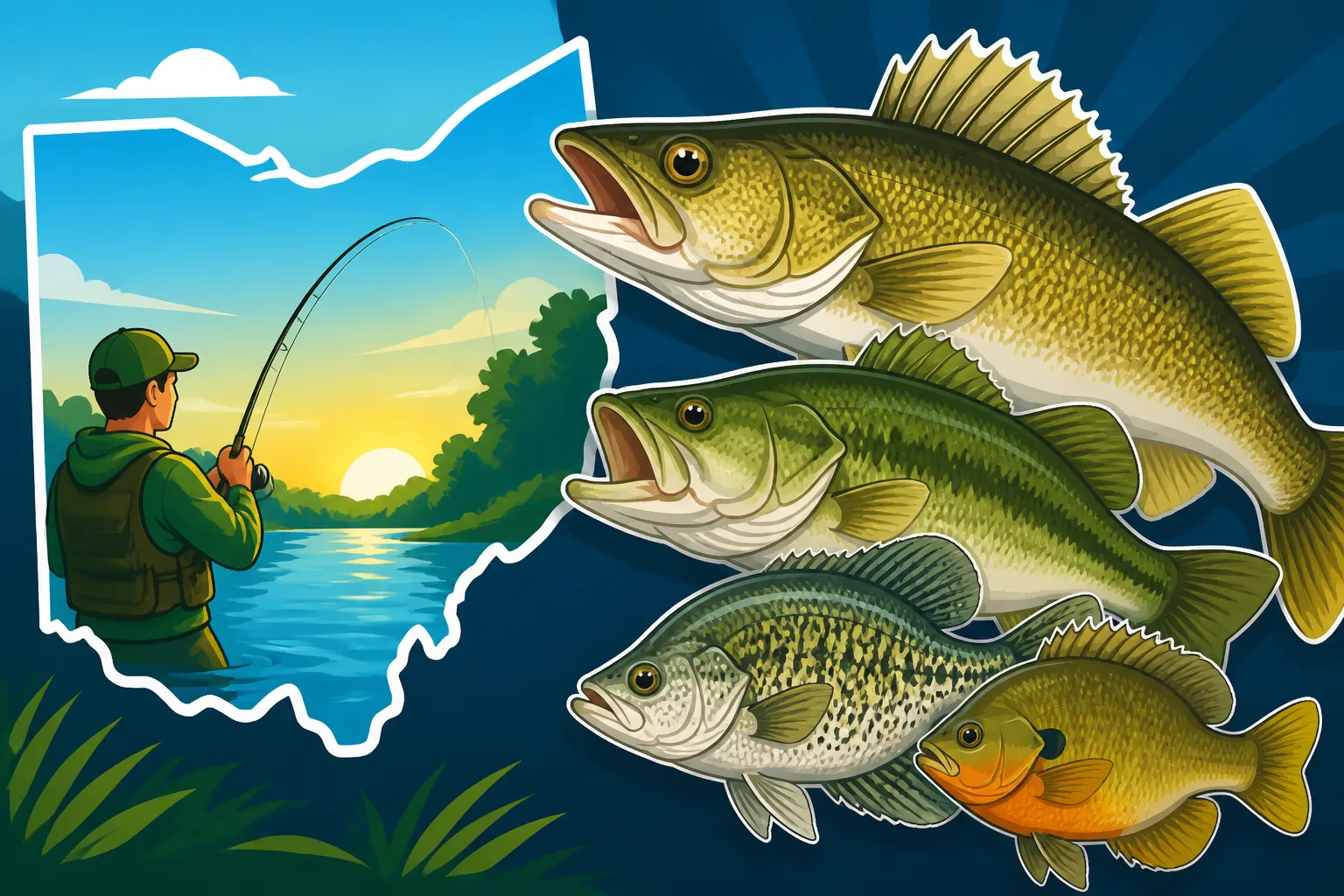
Largemouth bass are abundant in most Ohio lakes and ponds, making them a common catch for many anglers. They are fantastic when pan-fried, baked, or even used in fish tacos. For those who enjoy a firmer fillet, largemouth bass is a great choice. Experiment with marinades and seasonings to complement their flavor. For a deeper dive into catching them, check out Ohio Largemouth Bass Fishing Guide.
The Impact of Season and Water Temperature on Taste
You might notice that fish caught in colder water often taste better than those caught in warmer water. This isn't just a myth; it's generally true! When water temperatures are lower, fish metabolism slows down. They tend to be less active, burn less energy, and their flesh contains less fat and fewer metabolic byproducts, leading to a cleaner, firmer taste.
Think about a walleye caught through the ice in January versus one caught from the same lake in August. The winter walleye is almost universally preferred for its pristine flavor and texture. This applies to most species, from crappie to catfish. While you can certainly catch and eat fish year-round, knowing that the cooler months often yield superior table fare can influence when you plan your fishing trips, especially if dinner is your primary goal. You can find out more about when fish are active in the Ohio Fishing Season Calendar.
| Fish Species | Primary Flavor Profile | Texture | Common Preparation Methods | Ohio Habitat |
|---|---|---|---|---|
| Walleye | Mild, Delicate | Flaky | Pan-fry, Bake, Grill, Broil | Lake Erie, Inland Reservoirs |
| Yellow Perch | Sweet, Mild | Flaky | Pan-fry, Deep-fry | Lake Erie, Inland Lakes |
| Crappie | Sweet, Mild | Tender, Flaky | Pan-fry, Deep-fry | Inland Lakes & Ponds |
| Channel Catfish | Mild to Moderate | Firm | Fry, Bake, Grill, Smoke, Stew | Rivers, Lakes, Ponds |
| Largemouth Bass | Mild to Moderate | Flaky, Firmer | Pan-fry, Grill, Bake, Tacos | Inland Lakes & Ponds |
| Bluegill (Panfish) | Sweet, Very Mild | Tender, Flaky | Pan-fry (whole or fillets) | Inland Lakes & Ponds |
Maximizing the Flavor of Your Catch: It's All in the Details
Catching the best-eating fish is only half the battle. How you handle your fish from the moment it leaves the water until it hits your plate will profoundly impact its final flavor. Overlooking these steps is a common mistake that can turn a potentially delicious meal into something forgettable.
Proper Field Dressing and Cooling
The single most important step for preserving fish flavor is immediate and proper field dressing and cooling. As soon as you catch a fish you intend to keep, it should be bled out. This removes blood from the flesh, which can impart a "fishy" taste. A quick cut to the gills or the throat will do the trick.
After bleeding, get that fish on ice, and lots of it! A cooler packed with ice is essential, especially on warm Ohio days. Keeping the fish cold slows down the enzymatic and bacterial processes that degrade flesh and create off-flavors. Don't just throw them in a bucket with a little water; they need to be submerged in ice or at least covered in it. Imagine leaving raw chicken out on a warm counter; it's the same principle. You can find excellent coolers and related gear on platforms like Amazon to help with this. For more guidance, check out Best Way to Store Fish on a Hot Summer Day.
Cleaning and Filleting for Success
Once you're off the water, it's time for cleaning. Filleting is generally preferred for most species, removing bones and skin that can sometimes contribute to stronger flavors. Use a sharp fillet knife, and take your time to get clean, boneless fillets. The cleaner the fillet, the better the final product.
Many anglers also "skin" their fillets, especially for catfish, as the skin can be quite tough and sometimes carry a stronger flavor. For walleye and perch, the skin is often left on for frying, but removing it provides an even milder taste. After filleting, give the fillets a good rinse in cold water to remove any remaining blood or scales, then pat them dry. For a step-by-step guide on processing, look into How to Fillet a Walleye.
Storage: Keeping it Fresh for Later
If you're not going to eat your fish right away, proper storage is crucial. Vacuum sealing is the gold standard for freezing fish, as it removes air that can cause freezer burn, preserving flavor and texture for several months. If you don't have a vacuum sealer, wrap fillets tightly in plastic wrap, then in foil, and place them in a freezer-safe bag or container.
When thawing, do so slowly in the refrigerator overnight. Avoid thawing at room temperature or in warm water, as this can negatively impact the texture and increase the risk of bacterial growth.
Cooking Methods and Seasoning
The best-eating fish, even walleye, can be ruined by improper cooking. Overcooking is the most common culprit, turning delicate flesh dry and tough. Fish cooks quickly, so keep a close eye on it. It's done when the flesh becomes opaque and flakes easily with a fork.
Simple seasonings often work best for quality fish. A little salt, pepper, garlic powder, and paprika can go a long way. For pan-frying, a light dusting of flour or a simple breading mixture (available on Amazon, for instance) creates a lovely golden crust without overpowering the fish's natural flavors. Don't be afraid to experiment with different herbs and spices, but remember, the goal is to enhance, not mask, the inherent goodness of your fresh catch.
Final Thoughts on Ohio's Best Eating Fish
Ultimately, the "best" eating fish is a matter of personal preference. What one angler loves, another might find just okay. However, walleye, yellow perch, and crappie consistently top the charts for their mild flavor and flaky texture, making them excellent choices for almost any palate. Don't shy away from channel catfish either, especially if caught from clean water, as they offer a firm, versatile fillet.
Remember, the journey from water to plate involves more than just reeling in the fish. Attention to detail in handling, cleaning, and cooking will elevate even a good-eating fish into an unforgettable culinary experience. So, next time you're out on the waters of Ohio, keep these tips in mind, and prepare to enjoy some of the freshest, most delicious meals you can imagine! Always make sure you're up to date on Ohio Fishing Regulations Every Angler Should Know before you head out.
Disclaimer
This article is for general informational purposes only and does not constitute professional advice. Laws, prices and regulations vary by location and change over time. Consult a qualified professional for guidance on your specific situation.