Minimum Age for an Ohio Fishing Charter
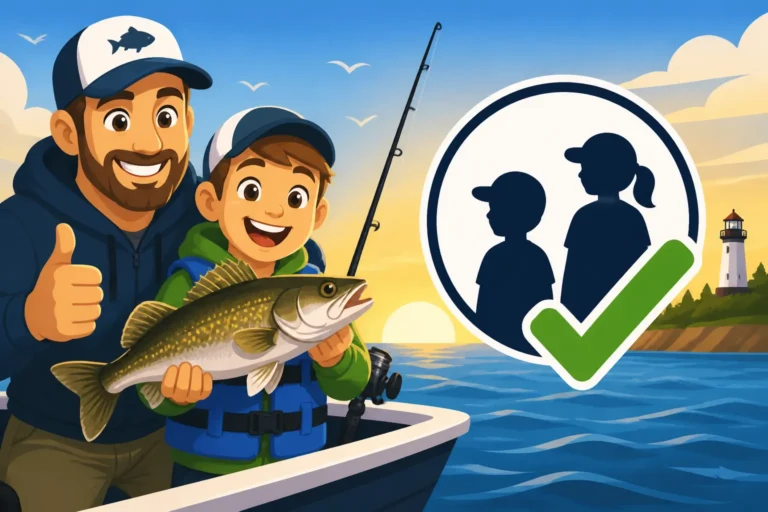
It's completely understandable to wonder about the logistics of bringing your little ones along when you're planning a fun fishing adventure on an Ohio charter. After all, you want to share the joy of the water with your family, but you also need to make sure everyone is safe, comfortable, and actually enjoys the experience. This guide is going to walk you through everything you need to know about minimum age requirements for Ohio fishing charters, helping you set sail with confidence, whether you're eyeing the vast waters of Lake Erie or a calmer inland lake.
General Age Guidelines for Ohio Fishing Charters
When you start dreaming of that perfect family fishing trip, one of the first questions that pops into your head is often, "How old does my kid need to be?" The answer isn't always a straightforward "X years old," because it truly depends on several factors.
No Statewide Minimum Age Mandate
Here's the deal: The state of Ohio, specifically the Department of Natural Resources (ODNR) Division of Wildlife, has rules for fishing licenses, bag limits, and boat safety equipment. They don't, however, issue a blanket "minimum age to be on a fishing charter boat" rule for passengers. This often surprises people, as you might assume there'd be a clear-cut law. For instance, kids under 16 don't even need a fishing license in Ohio, which is a fantastic perk for families getting into the sport. Do Kids Need a Fishing License in Ohio? However, that exemption doesn't automatically translate to an all-clear for any age on a commercial charter boat.
Instead, the regulations tend to focus on things like personal flotation devices (PFDs), also known as life jackets. Federal law, which applies to boats on navigable waters like Lake Erie, requires children under 13 to wear an appropriate PFD while underway on any vessel. State law often echoes this for smaller, inland lakes as well. The crucial point here is "appropriate," meaning it has to fit them properly. While there's no official age minimum, the practical reality of fitting a life jacket safely often sets an unspoken bar for very young infants or toddlers who might not be able to be securely fitted.
Captain's Discretion and Safety Concerns
Since the state doesn't set a hard age minimum for passengers on a charter, the decision falls squarely on the shoulders of the charter boat captain. And let me tell you, this is a heavy responsibility they take very seriously. A good captain's top priority is the safety of everyone on board, and they have to consider a multitude of factors.
Think about it: a fishing boat, especially on a large body of water like Lake Erie, is a dynamic environment. There are slippery decks, sharp hooks, moving lines, heavy coolers, and the constant motion of the water. A captain needs to assess if a child is old enough to understand and follow safety instructions, maintain their balance, and handle the potential discomfort of a long day on the water. Motion sickness, sun exposure, and even just the sheer length of a fishing trip can be a lot for a very young child to endure, turning what should be a fun family outing into a miserable one for everyone. They want you to have a great time, not a nightmare!
Age Recommendations from Charter Companies
Because of these safety and comfort considerations, most reputable Ohio fishing charter companies, especially those operating on Lake Erie, will have their own recommended or required minimum age. You'll often see recommendations like "children aged 5 and up" or "minimum 6 years old." Some might even specify 8 years old for longer, more intense trips. These aren't arbitrary numbers; they come from years of experience dealing with the realities of fishing with different age groups.
These recommendations are often published on their websites or made clear when you call to book. For instance, if you're browsing for a Lake Erie walleye charter on a booking platform like FishingBooker, you'll often find these details listed right in the charter's description or FAQ section. It's always best practice to check their specific policy and, even better, have a quick chat with the captain or booking agent about your child's individual temperament and experience level. A child who is accustomed to boats and the outdoors might be ready earlier than one who isn't.
Factors Influencing a Charter's Age Requirements
It's not just about a number; several practical elements can influence whether a particular charter is suitable for younger anglers. What works for a casual afternoon on a small pond just isn't the same as a full-day offshore adventure.
Type of Fishing Trip Duration and Conditions
The kind of fishing trip you're booking makes a huge difference. A half-day charter targeting crappie on a calm inland lake like Indian Lake is a vastly different experience than an all-day excursion chasing trophy walleye far offshore on Lake Erie. The latter can involve hours of travel, potentially rough water, and long periods of waiting between bites. How Long a Typical Lake Erie Walleye Trip Runs
Younger children often have shorter attention spans and less tolerance for discomfort. A choppy day on Lake Erie can lead to seasickness even for adults, let alone a small child. When booking, consider the typical duration of the trip, the usual water conditions for that time of year, and how much "action" the kids can realistically expect. Some trips, while fantastic for adults, might just be too long or too intense for little ones.
Vessel Size and Safety Equipment Availability
The size and type of the charter boat also play a significant role. Larger, more stable boats might be able to handle rougher water more comfortably, which can make a big difference for kids prone to motion sickness. However, even on a large boat, space can be a concern. Is there a safe, contained area for a child to sit or move around without being in the way of fishing lines or gear?
Furthermore, the availability of properly fitting personal flotation devices (PFDs) is paramount. While most charters carry a range of PFDs, finding one that fits a tiny toddler or infant securely can sometimes be challenging. Federal regulations require a PFD for every person on board, and that PFD must be serviceable and readily accessible. If your child is exceptionally small, it's a good idea to confirm with the captain that they have an appropriate, coast guard-approved PFD that will fit them. Sometimes, bringing your child's own well-fitting PFD can be a good idea, as long as it's approved.
Target Species and Fishing Techniques
The specific fish you're targeting and the methods used to catch them can also impact the suitability for children. For instance, fast-paced trolling for walleye on Lake Erie involves a lot of lines in the water, heavy rods, and potentially quick maneuvers. This might be less engaging or even slightly hazardous for very young children compared to a more relaxed bottom-fishing trip for yellow perch, where you're often dropping a line straight down and waiting for a bite.
Imagine a child trying to handle a heavy muskie rod, complete with large lures and treble hooks. It's not only difficult for their small hands but also carries a greater risk of accidental injury. On the other hand, fishing for panfish with lighter gear can be a perfect introduction. Make sure you discuss the target species and typical fishing methods with the charter captain to ensure it's a good match for your child's age and skill level.
Captain's Experience and Crew Support
Some charter captains genuinely love having kids on board and might even specialize in family trips. They'll often have a more patient demeanor, be prepared with tips for keeping kids engaged, and perhaps even have a dedicated first mate who is excellent with children. Other captains might primarily cater to experienced adult anglers and might not be as equipped or inclined to manage the unique needs of young children.
When researching charters, pay attention to their descriptions. Platforms like FishingBooker often highlight whether a charter is "family-friendly" or "good for kids." Reading reviews from other families can also provide invaluable insight. Don't hesitate to ask the captain directly about their experience with young anglers and what kind of support they can offer. A captain who is enthusiastic about teaching kids to fish can make all the difference in creating a memorable experience.
Preparing Young Anglers for an Ohio Fishing Charter
Once you've found a charter that welcomes your younger crew members, a little preparation goes a long way in ensuring everyone has a fantastic, safe, and positive experience.
Setting Realistic Expectations
Fishing, as we all know, isn't always a non-stop action movie. There can be long periods of waiting, slow bites, and even days when the fish just aren't cooperating. It's crucial to set realistic expectations for your kids before you even step foot on the boat. Talk to them about what fishing is really like: the patience involved, the beauty of being on the water, and that catching a fish is a bonus, not a guarantee.
Explain that sometimes the boat might rock, the sun might be strong, and they might even feel a little queasy. Preparing them for these possibilities can help prevent meltdowns and disappointment. Emphasize that the goal is to have fun and make memories, regardless of how many fish end up in the cooler. This preemptive conversation can be the difference between a joyful memory and a frustrating one.
Essential Gear and Comfort Items
Being prepared with the right gear and comfort items is paramount for a successful trip with kids. Think about their comfort on the water, which can change quickly. Even on a sunny day, temperatures can drop with the wind or a passing cloud.
Here’s a quick checklist of essentials to pack for your young angler:
- Sun Protection: Sunscreen (reapply often!), wide-brimmed hats, sunglasses. The sun's reflection off the water can be intense.
- Layered Clothing: Even in summer, bring layers. A waterproof jacket is a smart idea, as spray from the boat or unexpected rain can happen.
- Snacks and Drinks: Plenty of their favorite non-messy snacks and water. Hydration is key!
- Motion Sickness Remedies: If your child is prone to motion sickness, consult their pediatrician about medication, patches, or wristbands before the trip. Administer any remedies well in advance.
- Entertainment (Quiet!): A small book, coloring pad, or a quiet game can be a lifesaver during slow periods, especially if the fish aren't biting right away. Avoid anything loud or easily lost overboard.
- Small Cooler: Pack a small personal cooler with ice for their drinks and snacks.
- Camera: Let them take pictures! It helps them feel involved and creates lasting memories.
For a more comprehensive list, consider looking at guides like What to Bring on a Lake Erie Fishing Charter, which offer great general advice that can be adapted for kids.
Safety Briefings and Onboard Rules
Before the boat even leaves the dock, make sure your children understand and respect the captain's rules. Most captains will give a brief safety talk at the beginning of the trip, but reinforcing these points with your kids beforehand can make a huge difference.
Key points to cover:
- Listen to the Captain: Emphasize that the captain is in charge and their instructions must be followed immediately.
- Stay Seated/Hold On: Explain that the boat can move unexpectedly, and they need to stay seated or hold onto railings.
- Life Jackets: Ensure they know why they are wearing a life jacket and that it needs to stay on (if required by the captain).
- Sharp Objects: Teach them to be mindful of hooks, knives, and other sharp fishing gear. Never run or play near fishing lines or tackle boxes.
- Fish Handling: Discuss how to safely handle a fish once it's caught, and what to do if they catch a fish with sharp teeth or spines. Let the captain or crew handle the unhooking.
- Trash: Teach them to keep all trash contained to prevent it from blowing overboard.
A quick, serious talk before the fun begins ensures that everyone understands the boundaries and can enjoy the trip safely.
Finding Family-Friendly Ohio Fishing Charters
Now that you know what to expect, how do you go about finding that perfect charter for your family? It requires a bit of detective work, but it's well worth the effort to ensure a positive experience.
Researching Charters That Welcome Kids
The first step is active research. Don't just pick the first charter you see. Look specifically for charters that advertise themselves as "family-friendly," "kid-friendly," or "great for beginners." These captains are usually more patient, understand that kids have different needs, and might even have special equipment or techniques to make the trip more enjoyable for younger anglers.
Online booking platforms are incredibly useful here. Websites like FishingBooker often allow you to filter charters by attributes like "kid-friendly." You can also read through charter descriptions and reviews. Pay attention to what other families have said about their experiences. Did the captain engage with the kids? Was the crew helpful? Did the trip feel safe and fun for everyone? Family-Friendly Ohio Fishing Charters provides more tips on identifying the best options.
Direct Communication with the Captain
This is perhaps the most important step. Once you've narrowed down a few potential charters, pick up the phone and call the captain or their booking agent directly. Don't just rely on what's written online. Have an honest conversation about your child's age, their temperament, their previous experience (or lack thereof), and any concerns you might have.
Be upfront. Tell them, "I have a six-year-old who is generally well-behaved but can get bored easily. Is your typical four-hour perch trip suitable, or do you recommend a different approach?" A good captain will appreciate your honesty and will either confirm that their trip is a good fit or suggest alternatives that might be better suited for your family. This direct dialogue helps manage expectations on both sides and ensures there are no surprises on the day of the trip.
Advantages of a Private Charter for Families
While group charters can be more economical, opting for a private charter often provides significant advantages when fishing with younger children. On a private charter, the entire boat is reserved for your family and friends. This means:
- Flexibility: You have more control over the pace of the trip. If your child gets tired or bored, the captain might be able to head back to shore earlier (depending on the agreement), or spend more time on one spot if the action is hot.
- Personalized Attention: The captain and crew can focus entirely on your group, offering more guidance to your kids and tailoring the experience to their interests and skill levels.
- Less Pressure: There's no pressure to perform or worry about your kids disturbing other anglers who might be more focused on serious fishing. The trip is about your family's enjoyment.
While the cost might be higher, the benefits of a private charter often outweigh the expense when you're prioritizing a positive experience for your young anglers. Consider discussing the options and Private Charter vs Group Charter Cost on Lake Erie with potential captains to see what works best for your budget and family needs.
Comparing Age Suitability Across Charter Types
To help you visualize how these factors might play out, here’s a quick comparison of common Ohio fishing charter scenarios and their typical age suitability.
| Charter Type | Typical Duration | Recommended Minimum Age | Key Considerations for Kids |
|---|---|---|---|
| Lake Erie Walleye (Trolling) | 6-8+ hours | 8-10+ years | Long hours, potential for rough water, faster boat speeds, complex gear. Kids need good attention spans and tolerance for motion. Can be less "hands-on" for kids due to passive trolling. |
| Lake Erie Yellow Perch (Drifting/Anchored) | 4-6 hours | 5-7+ years | Shorter trips, often calmer waters in the Western Basin. More "hands-on" with simpler rod/reel setups. Still requires patience and ability to handle bait/fish. Good beginner option. |
| Inland Lake Bass/Crappie | 3-5 hours | 4-6+ years | Usually very calm waters, shorter runs, simpler techniques (casting, bobber fishing). More opportunities for active participation. Excellent for introducing very young children to fishing. |
| Ohio River Catfish | 5-8 hours | 7-9+ years | Can involve strong currents, larger fish, heavy gear. Requires patience for waiting for bites. Might be slower paced than trolling. Can be physically demanding. |
| Steelhead Tributary (Guided Wade Trip) | 4-6 hours (river specific) | 10-12+ years | Not a "charter" boat, but a guided experience. Requires good physical mobility for wading in currents, cold water, and often specialized fly fishing or spin fishing techniques. Definitely for older, more adventurous kids. |
This table is a general guide, and as always, discussing your specific situation with the charter captain is the best way to determine if a trip is right for your child. The key is to find a balance between the excitement of a fishing trip and ensuring the comfort and safety of your youngest anglers. With the right planning and communication, you can create unforgettable family fishing memories on the beautiful waters of Ohio.
Disclaimer
This article is for general informational purposes only and does not constitute professional advice. Laws, prices and regulations vary by location and change over time. Consult a qualified professional for guidance on your specific situation.