Ohio Lake Erie Walleye Minimum Length Limit
It can be incredibly disheartening to have a fantastic day out on Lake Erie, battling a beautiful walleye, only to discover at the last moment that your prized catch doesn't meet the legal requirements. Fishing regulations, especially around minimum length limits, are designed to protect our precious fish populations for future generations, but they can definitely be a source of confusion. This comprehensive guide will walk you through everything you need to know about the Ohio Lake Erie walleye minimum length limit, ensuring your next trip is both successful and compliant.
Understanding the Current Ohio Lake Erie Walleye Minimum Length Limit
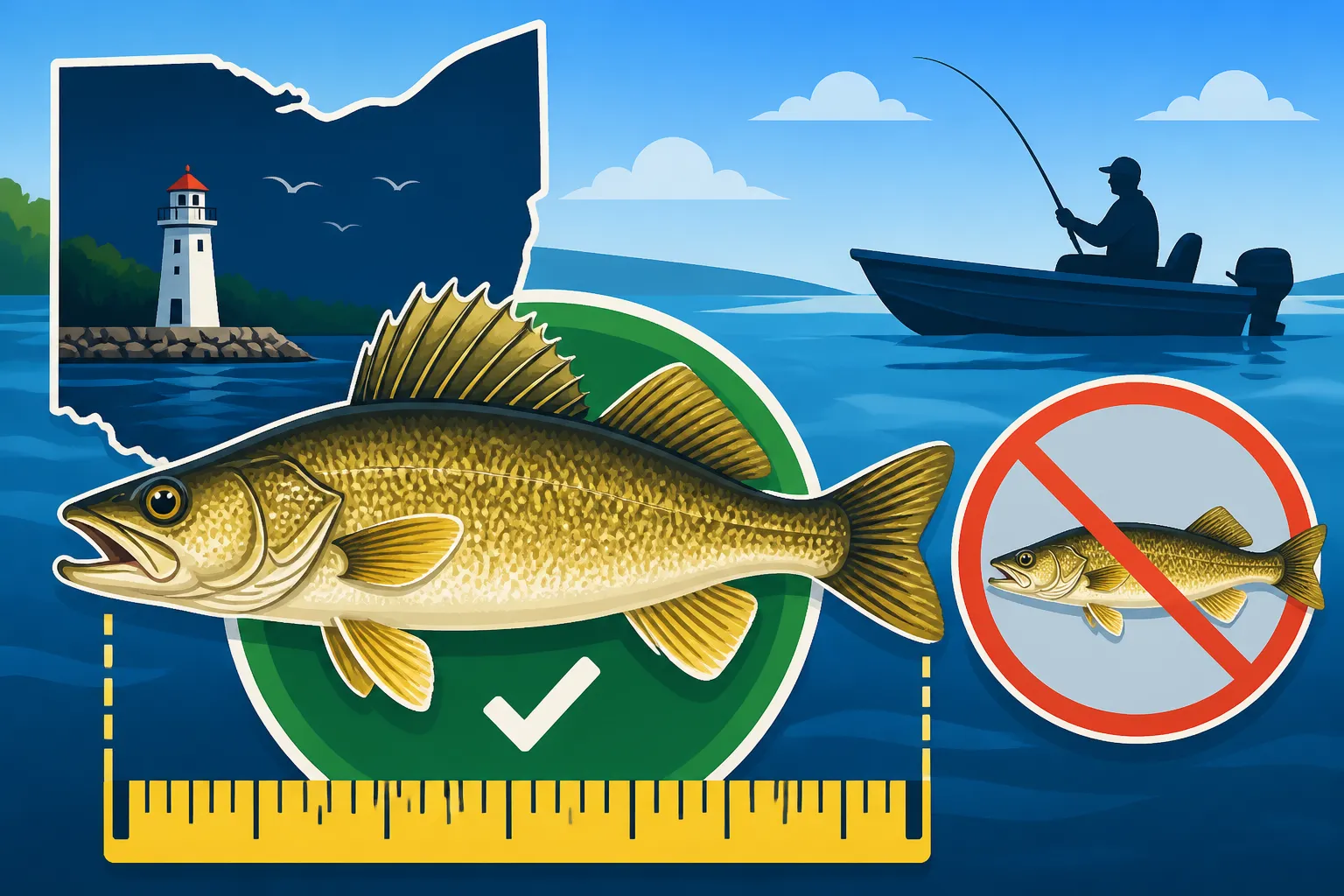
Let's cut right to the chase because this is the information everyone is looking for: the minimum length limit for walleye on Lake Erie, including its estuaries, bays, and tributaries up to the first dam, is currently 15 inches. This limit is in effect year-round, meaning whether you're chasing the spring bite, casting lines in the summer heat, or bundling up for a late fall excursion, that 15-inch mark is your golden rule. There are no special zones or varying limits for walleye across Lake Erie's different basins, which simplifies things considerably compared to, say, the varying yellow perch limits.
These regulations aren't just arbitrary numbers conjured up by folks in an office. They are the result of extensive scientific research conducted by biologists from the Ohio Department of Natural Resources (ODNR) and other Great Lakes agencies. The 15-inch minimum length helps ensure that a significant portion of walleye have at least one opportunity to spawn before they are harvested. This is crucial for maintaining a healthy and robust walleye population, which as we all know, is the lifeblood of Lake Erie's incredible fishery. Without these limits, there's a real risk of overfishing younger, smaller fish, which could severely impact future spawning classes and lead to a decline in the overall population. It's a delicate balance, and these rules are our way of doing our part to protect what we love.
It can be a bit of a bummer, of course, when you land a beautiful fish that just barely falls short of that 15-inch mark. I've been there, staring at a gorgeous 14.5-inch walleye, feeling that pang of disappointment before dutifully sending it back to grow bigger. But trust me, every walleye you release that's under the limit is an investment in future trophy catches. It's all about conservation and ensuring that Lake Erie continues to be the "Walleye Capital of the World" for years to come. Checking the Ohio Fishing Season Dates and Effective Periods and the full Ohio Fishing Regulations Every Angler Should Know before heading out is always a smart move, as regulations can sometimes see slight adjustments year to year, though the walleye limit has been quite consistent.
How to Measure Your Walleye Accurately on Lake Erie
Getting an accurate measurement of your walleye is absolutely critical. A quick glance or a guess just won't cut it, especially when a wildlife officer is involved. The official way to measure a fish in Ohio is from the tip of its snout (mouth closed) to the end of its tail (tail squeezed together to achieve maximum length). It’s not about how long it looks; it’s about that precise, nose-to-tail measurement.
To ensure accuracy and minimize stress on the fish, having the right measuring tool is essential. Many anglers use a specialized "bump board" which has a raised end to butt the fish's snout against, allowing for a precise measurement along a ruler. These are fantastic because they make it easy to quickly lay the fish down, get your measurement, and release it. Other options include adhesive measuring tapes you can stick to the side of your boat or a simple, sturdy ruler. Just make sure whatever you're using is clearly marked and easy to read. If you’re in need of a good bump board or a reliable, waterproof measuring tape, you can find a wide variety of options on platforms like Amazon, offering different materials and lengths to suit your specific boat or tackle box setup. Investing in a quality measuring device is a small price to pay for peace of mind and compliance.
Practicing quick, efficient measurements will also help you and the fish. Have your measuring tool readily accessible and know exactly how you're going to handle the fish before it even comes aboard. Wet your hands before touching the fish to protect its slime coat, lay it gently on the measuring device, quickly confirm the length, and then get it back in the water as fast as possible if it's undersized. Every second counts for a fish you intend to release. Understanding How to Handle and Release an Ohio Muskie or other species effectively can translate well to walleye, ensuring a higher survival rate for those future trophies.
Lake Erie Walleye Bag Limits and Zone Considerations
While the 15-inch minimum length is a steadfast rule, it's just one part of the walleye regulations puzzle. You also need to be keenly aware of the daily bag limit. For Lake Erie walleye, anglers are currently permitted to keep 6 fish per person per day. This means that regardless of how many legal-sized walleye you catch, you cannot possess more than six in a single day. This limit, combined with the minimum length, forms the backbone of Ohio's walleye management strategy, balancing recreational opportunity with conservation.
One common point of confusion for anglers, especially those new to Lake Erie, is whether there are different walleye regulations for different parts of the lake. It's true that for certain species, like yellow perch, Lake Erie is divided into various zones (Western, Central, and Eastern basins) with distinct daily bag limits. However, for walleye, the 15-inch minimum length and the 6-fish daily bag limit apply uniformly across the entire Ohio waters of Lake Erie, including its tributaries. You don't need to worry about crossing an imaginary line on the lake and suddenly having a different set of walleye rules. This simplifies things immensely and allows anglers to focus on finding those productive Ohio's Lake Erie Walleye Grounds without constantly re-checking regulations.
The season for these limits is also important to note. Currently, these walleye limits are generally effective year-round. There isn't a "closed season" for walleye on Lake Erie where you can't fish for them at all, nor do the minimum length or daily bag limits typically change with the seasons, unlike some other species in other water bodies. This consistency is a blessing for anglers who love to chase walleye throughout the year. Always refer to the most current Ohio Fishing Regulations Every Angler Should Know or the ODNR's annual fishing digest for any potential updates, as Mother Nature and fish populations can sometimes necessitate changes.
| Species | Waterbody | Minimum Length Limit | Daily Bag Limit | Notes |
|---|---|---|---|---|
| Walleye | Ohio Lake Erie | 15 inches | 6 fish | Applies year-round, no zone distinctions for walleye. |
| Yellow Perch | Ohio Lake Erie | None | Varies by zone | Western Basin: 30 fish, Central & East: 10 fish. |
What Happens If You Keep an Undersized Walleye
Let's talk about the less fun, but absolutely crucial, side of regulations: the consequences of not adhering to them. If you're found with an undersized walleye (or any other fish that doesn't meet its legal minimum length or exceeds its bag limit), you could face significant penalties. Ohio Wildlife Officers are diligent in patrolling Lake Erie and its tributaries, and they are authorized to enforce these regulations strictly.
The repercussions for keeping an undersized walleye can vary depending on the officer's discretion and the severity of the violation, but they typically include:
- Fines: You could be issued a citation with a monetary fine. These fines aren't trivial and can quickly add up, often ranging from hundreds to potentially thousands of dollars, plus court costs.
- Confiscation: Any illegally possessed fish will be confiscated. Don't expect to take home that undersized walleye for dinner once it's been deemed illegal. Your fishing gear might also be seized in some cases.
- License Suspension: In more serious or repeat offenses, your Ohio fishing license could be suspended, meaning you wouldn't be able to fish legally in Ohio for a period of time. This can be a real blow to passionate anglers.
- Criminal Charges: While less common for a single undersized fish, repeated or egregious violations could lead to more serious legal consequences.
The best defense, of course, is proactive compliance. Always measure your fish carefully and know the current limits. If you accidentally keep an undersized fish, the ethical and legal course of action is to immediately release it if it's still alive and capable of survival. If a fish is clearly dead or critically injured from the catch, it's a difficult situation, but the law is still the law. It’s paramount to understand What Happens If You Fish Without a License in Ohio as well, as these violations are treated with similar seriousness. Always carry your valid Ohio Fishing License Guide for Residents and Nonresidents and be prepared to show it to a wildlife officer.
Remember, wildlife officers are there to protect our natural resources, and they appreciate anglers who demonstrate respect for the regulations. A quick, accurate measurement and a proper release of an undersized fish is not only the right thing to do for the fishery but also keeps you on the right side of the law.
Disclaimer
The information provided in this guide is for general informational purposes only and is subject to change. While we strive to provide accurate and up-to-date information, fishing regulations are regularly reviewed and updated by the Ohio Department of Natural Resources (ODNR). It is always the angler's responsibility to consult the most current official Ohio Fishing Regulations Digest or the ODNR website before engaging in any fishing activity.