Muskie Growth Rate in Ohio Lakes
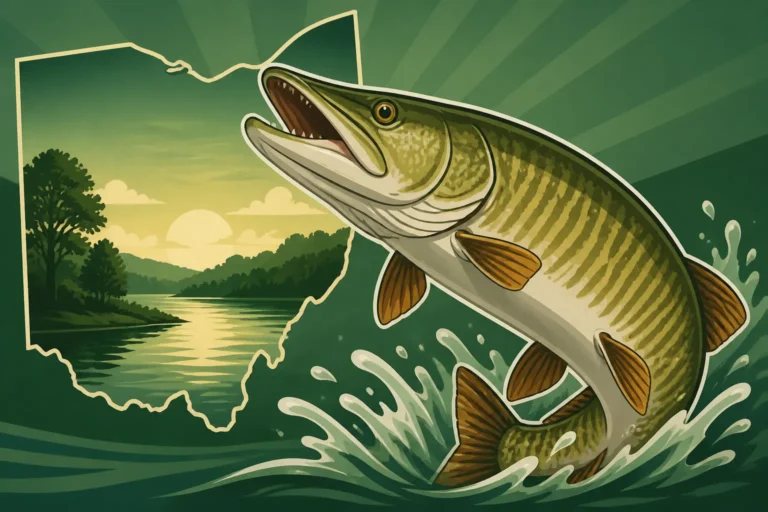
If you've spent any time on Ohio's waters chasing the elusive muskie, you know the immense dedication and patience it demands. You might catch a glimpse of a true monster and wonder, "Just how fast do these incredible fish grow, anyway?" It's a question that plagues many an angler, especially when you're dreaming of that once-in-a-lifetime trophy. Understanding the muskie growth rate in Ohio lakes isn't just a matter of curiosity; it can directly influence your fishing strategy, from the spots you target to the tackle you choose. This comprehensive guide will dive deep into the fascinating world of muskie growth, exploring the factors that contribute to their size and the unique characteristics of Ohio's diverse muskie fisheries.
Factors Influencing Muskie Growth in Ohio Lakes
Muskellunge, often simply called muskie, are apex predators, and their growth is a complex interplay of several environmental and biological factors. It’s not just a straightforward line on a graph; conditions can vary wildly from one lake to another, even within the same state. Understanding these variables can help explain why a muskie in one Ohio reservoir might outpace its cousin in another.
Diet and Forage Availability
The old adage "you are what you eat" holds especially true for muskie. These powerful fish require a high-protein diet to fuel their rapid growth. The abundance, size, and species diversity of forage fish in a lake are paramount. In lakes teeming with easily accessible prey like shad, suckers, or substantial panfish, muskie can pack on weight much faster. Imagine a muskie in a lake like West Branch, where there's a healthy population of gizzard shad and other baitfish, compared to a lake with sparser forage. That abundance means less energy expended on hunting and more energy dedicated to growth. If muskie have to work harder to find food, their growth might be stunted, or they might grow longer but remain thinner. It's a continuous feast or famine cycle in some waters, directly impacting how quickly they can put on inches and pounds.
Water Temperature and Season Length
Muskie are cold-blooded creatures, meaning their metabolism, and therefore their growth rate, is heavily influenced by water temperature. They thrive in cooler, well-oxygenated water. Ohio's distinct four seasons play a significant role. During the warmer summer months, when water temperatures are optimal for digestion and activity, muskie can experience substantial growth spurts. However, the lengthy cold-water periods of fall, winter, and early spring slow their metabolism considerably. A lake that warms up earlier and stays warmer later into the fall might offer a longer "growing season" for muskie. Conversely, a lake that remains cold for longer or experiences extreme temperature fluctuations might see slower overall growth. The duration of this active feeding and growth period is a critical component, influencing how much a muskie can bulk up before winter sets in again.
Genetics and Stocking Strains
Believe it or not, not all muskie are created equal, even within the same species. Genetic factors play a significant role in their inherent growth potential. The Ohio Department of Natural Resources (ODNR) often stocks muskie from specific strains, sometimes even those crossbred for aggressive growth or disease resistance. For example, some muskie strains might be genetically predisposed to reach trophy sizes more quickly than others, given the right environmental conditions. When you think about Ohio Muskie Fishing Guide, it's worth considering that the genetics of the stocked fish in a particular lake could influence the overall size structure of that fishery. Hatchery practices, the health of the parent stock, and the initial size of the fingerlings when stocked can all contribute to how well those fish establish themselves and grow in their new environment.
Average Growth Rates by Age and Lake Type
It's natural to wonder, "How big can these fish actually get, and how quickly?" While the image of a massive muskie is what usually comes to mind, their journey to that size is a gradual one, and it varies greatly. It's not uncommon for anglers to consult charts or anecdotes to gauge what they might encounter.
Typical Annual Growth Increments
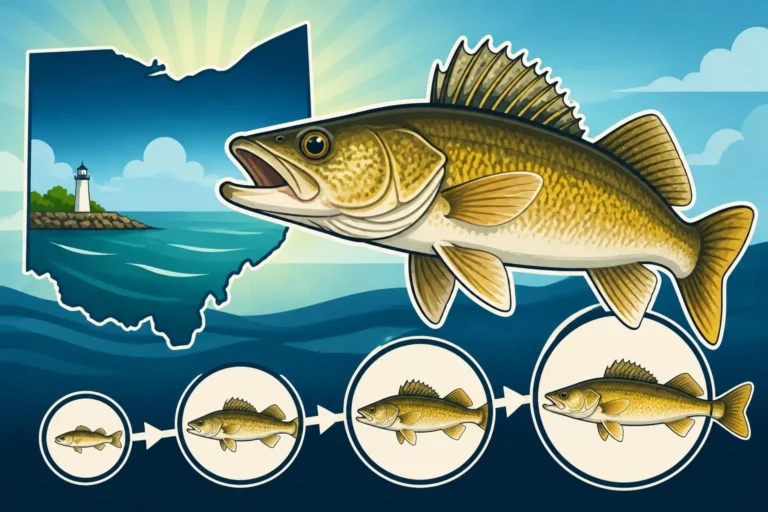
Muskie growth is usually fastest in their younger years, with growth gradually slowing down as they age. In their first year after stocking, muskie fingerlings can grow rapidly, sometimes reaching 10-15 inches within their first season in the lake. By year two or three, they might be in the 20-30 inch range. The 30-inch mark is often reached around ages 3-5, while 40-inch fish typically range from 6-10 years old. Reaching the coveted 50-inch mark usually takes a muskie 10-15 years, and sometimes even longer, depending on the specific lake and conditions. These are general ranges, of course, and a particularly fertile lake with abundant forage might see slightly faster growth. Factors like competition for food, water quality, and even the density of the muskie population itself can influence these annual increments. It's a long game to grow a true monster, which is why Ohio Muskie Minimum Length Limit on Inland Lakes exists—to protect these slow-growing fish.
| Age (Years) | Typical Length Range (Inches) | Growth Characteristics |
|---|---|---|
| 1-2 | 10-25 | Rapid initial growth, focused on length. |
| 3-5 | 25-35 | Steady growth, starting to add girth. |
| 6-9 | 35-45 | Continued length and significant girth development. |
| 10-14 | 45-55+ | Slower length growth, but substantial weight gain. |
| 15+ | 50-60+ | Trophy potential, often gaining more weight than length. |
Growth Variation in Different Ohio Lakes
Ohio boasts a number of fantastic muskie fisheries, but the growth rates can differ significantly from one water body to another. Lakes with large, stable populations of quality forage like gizzard shad or suckers tend to produce faster-growing and heavier muskie. For instance, a lake known for its ample baitfish may grow a 40-inch muskie faster than a smaller, less fertile lake. Water chemistry and habitat complexity also play a role. Clear, cool lakes with plenty of submerged structure and weed beds can provide excellent ambush points and healthier environments for both muskie and their prey. Contrast this with shallower, warmer lakes that might experience more stress on fish during hot summers. Anglers often discuss how the muskie in certain lakes, like West Branch Reservoir or Leesville Lake, seem to put on girth quicker than in other locations. It's a testament to the unique ecological balance of each specific body of water.
Early Life Stage Growth and Survival
The initial stages of a muskie's life are crucial for its long-term growth potential. Most muskie in Ohio are the result of stocking programs by the ODNR. When fingerlings are released, their immediate survival and growth depend heavily on finding suitable cover and readily available, appropriately sized forage. A strong start means better chances of reaching adulthood and larger sizes. Lakes that provide abundant shallow water habitat with aquatic vegetation, which serves as both cover for young muskie and nursery grounds for baitfish, tend to foster higher survival rates and more robust initial growth. Conversely, high predation pressure on stocked fingerlings or a lack of adequate early forage can significantly impact the overall population and the average size of muskie later on. This focus on early survival is why Ohio Youth Lifetime Fishing License programs also highlight the importance of nurturing fishing opportunities for the next generation of anglers.
Trophy Muskie: What it Takes to Get Big
Landing a muskie over 50 inches, or a fish pushing 30-plus pounds, is the dream for many anglers. These aren't just big fish; they represent years, sometimes decades, of growth and survival against all odds. It's a feat of nature as much as it is a challenge for the dedicated angler.
The Role of Longevity
To become a true trophy muskie, a fish needs to live a long, healthy life. While some fish might be genetically predisposed to grow quickly, reaching immense sizes ultimately requires surviving for many years. A muskie that avoids predators, disease, and angler harvest for 10-15 years or more has a much greater chance of becoming a behemoth. This longevity is why many muskie anglers are ardent advocates of catch and release. Every muskie released unharmed has the potential to grow larger and contribute to the genetic pool of trophy-sized fish. It's a testament to the resilience of these fish, but also a responsibility for anglers to ensure they can continue their journey. This is also why understanding How Old a Trophy Muskie Usually Is can help manage expectations.
Sustaining a Healthy Population
A lake that consistently produces trophy muskie isn't just lucky; it's usually a testament to sound fisheries management and a robust ecosystem. This includes ensuring a healthy balance of muskie and their forage, maintaining good water quality, and managing angler pressure. If a lake becomes overpopulated with muskie relative to its food source, or if too many smaller muskie are harvested, it can negatively impact the growth potential of the remaining fish. ODNR regulations, such as specific length limits and Ohio Muskie Daily Bag Limit, are put in place precisely to protect these fish and allow them to reach their full growth potential. A healthy population isn't just about numbers; it's about the entire food web and environmental conditions allowing each muskie the best chance to thrive.
Managing Expectations for Trophy Potential
It’s easy to get caught up in the allure of landing a 50-inch muskie, but it's important to have realistic expectations. Not every lake in Ohio is managed to produce state-record-sized fish, nor does every muskie have the genetic makeup or environmental opportunity to reach those dimensions. Some lakes might consistently produce healthy 35-45 inch muskie, which are fantastic catches in their own right, but rarely kick out those true giants. Understanding the typical growth rates for the specific lake you're fishing can help set appropriate goals. For example, if you're fishing a smaller body of water, a 40-inch muskie might be an absolute trophy, whereas on a renowned lake like West Branch, anglers might hold out for something even larger. Tools like a high-quality measuring board or a BogaGrip from Amazon can help you accurately measure and record your catches, allowing you to track your progress and celebrate every fish, regardless of its size.
Comparing Muskie Growth Across Ohio's Top Lakes
Ohio is blessed with several fantastic muskie fisheries, each with its own characteristics that influence how quickly and how large these powerful fish grow. Knowing the nuances of each lake can help you refine your angling approach and understand the potential of the waters you're fishing.
West Branch, Leesville, and Clear Fork Reservoirs
These three lakes are often considered the pillars of Ohio's muskie fishing scene, and for good reason.
- West Branch Reservoir: Located in Portage County, West Branch is consistently touted for producing both high numbers of muskie and true trophy-sized fish. Its expansive size, diverse structure, and abundant forage, including gizzard shad, allow muskie to grow exceptionally well. Anglers often report seeing muskie here with impressive girth, indicating a healthy and thriving population with excellent growth rates. It's a lake where the combination of consistent stocking and ideal habitat leads to quick-growing and large fish.
- Leesville Lake: Situated in Carroll County, Leesville is known for its clear waters and a specific strain of muskie that has a reputation for aggressive growth. The "Leesville strain" muskie are often discussed among avid anglers as being particularly robust. This lake, while smaller than West Branch, offers a deep, cool environment that supports these fish well, allowing them to achieve considerable size over time. It's not uncommon to hear about 40-inch plus fish regularly coming out of Leesville.
- Clear Fork Reservoir: In Richland and Ashland counties, Clear Fork is another gem. It’s a slightly smaller lake, but its deep, cool waters and good forage base contribute to excellent muskie growth. While perhaps not producing the sheer numbers of West Branch, Clear Fork is well-regarded for its potential to yield large, healthy muskie, often in the 40-50 inch range. Anglers targeting this lake understand that patience often pays off with a quality fish that has had ample opportunity to grow.
Piedmont and Alum Creek: Unique Growth Factors
While West Branch, Leesville, and Clear Fork are celebrated, other Ohio lakes also offer compelling muskie growth stories, each with their own unique environmental factors.
- Piedmont Lake: This AEP-owned lake in Belmont, Harrison, and Guernsey counties is a deep, clear impoundment known for its robust muskie program. Piedmont offers excellent habitat with deep points, submerged timber, and a good forage base of panfish and suckers. The muskie here tend to be strong, healthy fish that demonstrate good growth rates, often reaching well into the 40-inch class. Its somewhat remote nature and management as a trophy fishery contribute to the quality of its muskie population, allowing fish to grow larger due to less angling pressure compared to some other locations. For those seeking a guided experience, Ohio Muskie Guide Trip Cost might be worth investigating for this lake.
- Alum Creek Lake: Located just north of Columbus, Alum Creek is a large, multi-purpose reservoir that, despite heavy recreational use, sustains a quality muskie fishery. Its large size and a diverse forage base allow muskie to find plenty of food and grow. While perhaps not as renowned for the fastest growth as West Branch or Leesville, Alum Creek still produces plenty of muskie in the 30-45 inch range, with occasional larger specimens. The challenges of a heavily fished lake mean that the muskie that do reach larger sizes are truly survivors, demonstrating excellent adaptability. The diverse structure, from shallow flats to deep humps, gives muskie ample room to grow.
The Impact of Harvest Regulations on Size
Harvest regulations are arguably one of the most critical tools in managing muskie growth rates within a fishery. Muskie are a slow-growing, long-lived species, and allowing them to reach maturity and larger sizes before harvest is essential for the health of the population and the trophy potential of the lake. Ohio’s general minimum length limit on inland lakes for muskie is 36 inches, with some specific lakes having even higher minimums, such as 40 or 42 inches. For example, a regulation like Ohio Muskie Minimum Length Limit on Inland Lakes directly impacts the average size of fish caught. These regulations ensure that a significant portion of the muskie population has the opportunity to spawn multiple times and reach larger sizes, contributing to future generations and the "trophy" appeal of the fishery. Without these limits, smaller, faster-growing fish would be harvested more frequently, potentially leading to a decline in average size and the number of truly large muskie available.
Understanding Muskie Lifespan and Size Potential
The pursuit of muskie isn't just about the fight; it's about the majesty of a fish that can live for many years and grow to incredible proportions. Understanding their full potential helps appreciate what a special species they are.
Maximum Age and Size Records
Muskie are long-lived fish for a freshwater species. In Ohio, it's not uncommon for muskie to live 10-15 years, and some can even exceed 20 years in exceptional circumstances. The oldest recorded muskie in scientific studies have approached 30 years old! This incredible longevity directly correlates with their ability to reach impressive sizes. A muskie that survives into its late teens or early twenties will undoubtedly be a massive fish, having had many seasons to feed and grow. While specific weights and lengths vary by the individual fish and its environment, Ohio's state record muskie attests to the potential for truly massive fish in our waters. These record-breakers are typically very old fish that have benefited from ideal conditions and avoided harvest. Thinking about How Big Muskie Get in Ohio Lakes often puts these record-breaking fish into perspective.
Genetic Potential vs. Environmental Realities
Every muskie has a genetic blueprint that determines its potential for growth, much like any other living creature. Some fish are simply born with the genes to be bigger, stronger, and grow faster. However, this genetic potential can only be realized if the environmental conditions are favorable. A muskie with excellent genetics for growth won't reach its full size if it lives in a lake with sparse forage, poor water quality, or high angler harvest rates. Conversely, a muskie with average genetic potential might still grow quite large if it resides in an exceptionally fertile lake with abundant food and minimal stress. It's a delicate balance; the best muskie fisheries in Ohio are those where excellent genetics meet optimal environmental realities. This interplay highlights why managing habitat and forage is just as important as stocking quality fish.
Do Female Muskie Grow Bigger Than Males?
This is a common question among muskie anglers, and generally, the answer is yes. In most fish species, including muskie, females tend to grow larger and live longer than males. The prevailing theory is that females require more energy and resources to develop and carry eggs, leading to a biological imperative for greater size and longevity. This allows them to produce more offspring over their lifetime, a significant advantage for the species. So, if you're targeting that absolute behemoth, your best bet is often a mature female. This isn't to say male muskie don't get large, but the truly monstrous, record-breaking fish are almost invariably females. Understanding Do Female Muskie Grow Bigger Than Males? can sometimes help inform specific targeting strategies, especially for trophy hunters.
Conservation and Management: Protecting Ohio's Muskie Fisheries
The thrill of chasing muskie is unmatched, but it comes with a significant responsibility. The sustained growth and health of Ohio's muskie populations depend heavily on wise management practices and ethical angling. These efforts ensure that future generations can also experience the challenge and reward of pursuing these incredible fish.
The Importance of Catch and Release
Muskie are often referred to as "the fish of 10,000 casts" because of how challenging they are to catch. Given their slow growth rates, long lifespans, and the effort it takes to produce them, catch and release is paramount to maintaining healthy populations and ensuring the presence of trophy-sized fish. Every muskie safely released back into the water has the chance to grow larger, spawn again, and provide another thrilling encounter for an angler. This practice isn't just about ethics; it's a practical conservation strategy that directly supports the growth rates we've been discussing. If you do catch a muskie, be prepared with proper handling tools like a large, rubberized landing net and long-nosed pliers to minimize stress on the fish. You can find excellent nets and fish handling gloves on Amazon to ensure a quick and safe release.
Habitat Enhancement and Stocking Programs
The Ohio Department of Natural Resources (ODNR) plays a crucial role in managing and enhancing muskie fisheries across the state. This includes strategic stocking programs, where millions of muskie fingerlings are raised in hatcheries and released into designated muskie lakes. These stockings supplement natural reproduction, which can be limited in some areas. Beyond stocking, habitat enhancement efforts, such as creating submerged structure, managing aquatic vegetation, and improving water quality, are vital. Healthy habitats provide the necessary cover, spawning grounds, and forage opportunities that directly contribute to better growth rates and higher survival for muskie at all life stages. Without these dedicated efforts, many of Ohio's premier muskie lakes simply wouldn't be able to sustain the quality of fishing they offer.
Angler Responsibility in Promoting Growth
As anglers, we have a direct impact on muskie growth rates and the overall health of the fishery. Beyond catch and release, this includes adhering strictly to all Ohio Fishing Regulations Every Angler Should Know, including size and bag limits. It also involves educating ourselves on proper fish handling techniques to ensure released fish have the best chance of survival. Using appropriate tackle that can handle these powerful fish quickly, minimizing their fight time, and having a release plan in place before the fish is even in the boat are all part of responsible muskie fishing. Additionally, being mindful of protecting the environment, avoiding the spread of invasive species, and reporting any suspicious activity to wildlife authorities further contribute to the long-term health of these precious fisheries. Our collective actions directly influence how quickly these incredible fish grow and how many trophy muskie grace Ohio's waters for years to come. Remember to always have your Ohio Fishing License Guide for Residents and Nonresidents readily accessible.
Disclaimer
This article is for general informational purposes only and does not constitute professional advice. Laws, prices and regulations vary by location and change over time. Consult a qualified professional for guidance on your specific situation.