Do White Bass Run Up Ohio Rivers in Spring?
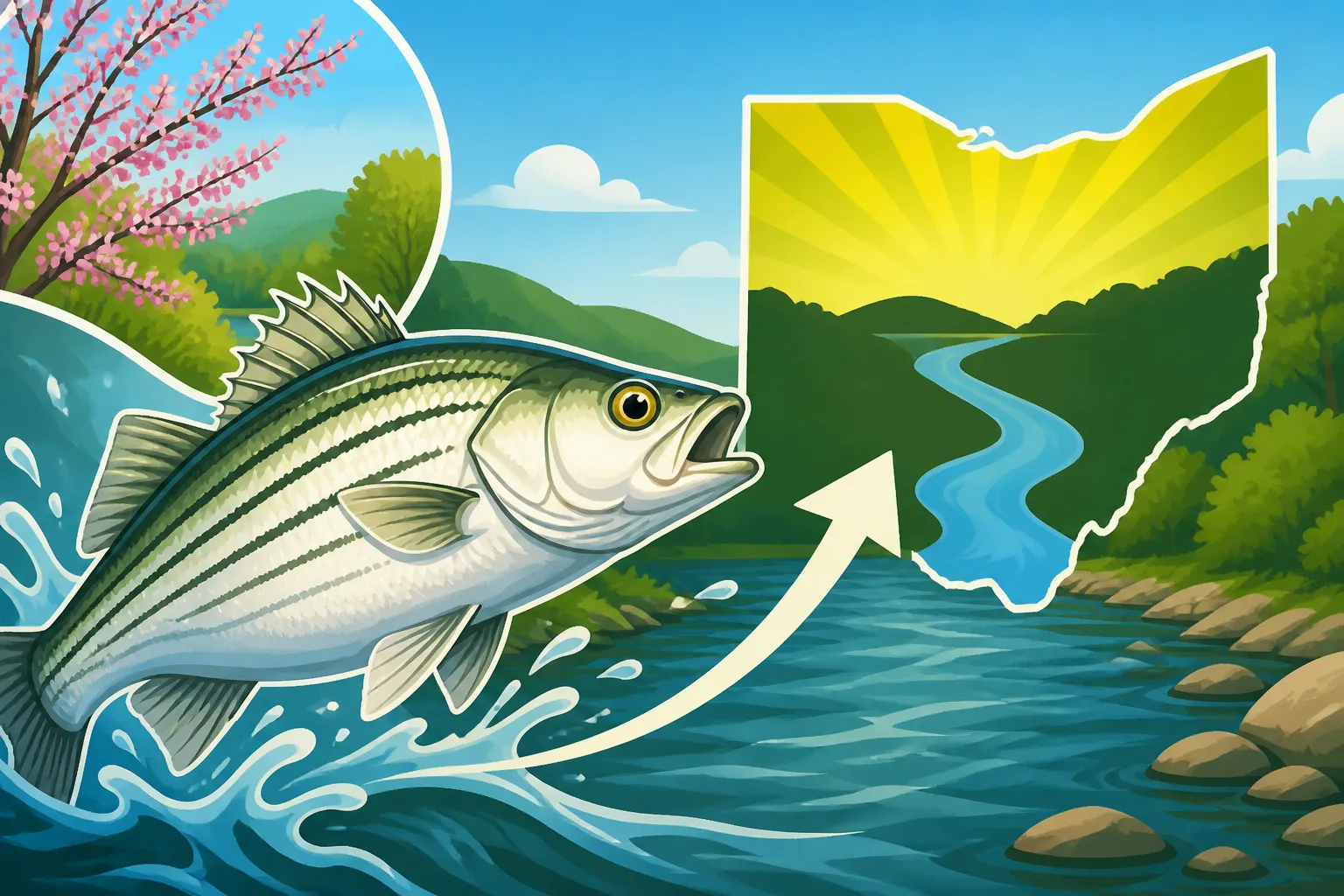
Oh, the age-old question that gets many of us Ohio anglers buzzing as the ice thaws and the days lengthen! You're not alone in wondering if those feisty white bass make their annual pilgrimage up our rivers when spring truly kicks in. It's a fantastic thought, conjuring images of fast-paced action and brimming livewells, and I'm here to tell you definitively: yes, they absolutely do! This guide will dive deep into everything you need to know to intercept these schooling fish during their exciting spring migration.
Understanding the White Bass Spring Run Phenomenon in Ohio
There's something magical about spring in Ohio, especially for us anglers. The warming temperatures don't just melt the last vestiges of winter; they trigger an ancient, powerful urge in many fish species, and white bass are certainly among them. Their spring run isn't just a rumor; it's a vibrant, annual event that transforms many of our calmer rivers and tributaries into hotspots of activity.
Why White Bass Migrate Upstream in Spring
At its core, the white bass spring run is all about reproduction. As the water temperatures climb into the mid-50s Fahrenheit, these fish receive nature's unmistakable signal: it's time to spawn. Unlike some species that build elaborate nests or hide their eggs, white bass are broadcast spawners. They prefer shallow, turbulent waters with a rocky or gravel bottom where their eggs can settle and adhere, increasing their chances of survival. These ideal conditions are often found in the upper reaches of rivers and streams, away from the deeper, calmer waters where they spend much of the rest of the year.
Think of it like an instinctual journey. They've spent the winter conserving energy in deeper lake basins or slower river sections, and now, with the promise of new life, they push hard against the current. This upstream movement is also fueled by a renewed feeding frenzy. After the slower metabolism of winter, the journey upstream requires a lot of energy, and the fish become incredibly aggressive, eager to strike at anything resembling a baitfish. This combination of spawning drive and voracious feeding is what makes the spring white bass run such an incredible opportunity for anglers.
Key Ohio Rivers Known for White Bass Runs
Ohio is blessed with a fantastic network of rivers and tributaries that experience these exhilarating white bass runs. When anglers talk about the "runs," they're often referring to the major tributaries that feed into Lake Erie, as well as larger river systems farther south.
Up north, rivers like the Maumee, Sandusky, and Grand River are legendary for their spring runs, not just for white bass but also for walleye and steelhead. Maumee River Walleye Run Fishing is a topic many anglers follow closely. While walleye often steal the headlines, the white bass follow closely behind, sometimes even overlapping with the tail end of the walleye run. These rivers offer extensive stretches of public access, from city parks to wildlife areas, making them prime destinations. The lower sections of these rivers, especially where currents pick up over rocky bottoms, become alive with schooling white bass.
Further inland and to the south, the Muskingum River, Scioto River, and even sections of the Great Miami River can experience impressive white bass runs, especially in their lower to mid-reaches before dams or significant rapids. These runs might not draw the same massive crowds as the Lake Erie tributaries, but they offer incredible action for those in the know. Many smaller tributaries and creeks also see smaller, localized runs, which can be fantastic if you find them. Knowing the Best Ohio Rivers for Steelhead can often give you clues about other species runs, as many of these rivers are vital migratory pathways.
The "Run" — What It Looks and Feels Like
When a white bass run is in full swing, it's an unmistakable spectacle. For the fish, it's a frantic upstream push. For the angler, it's pure pandemonium – in the best possible way! You'll often see large schools of white bass, sometimes in the hundreds or even thousands, gathered in specific river sections. They'll be finning, splashing, and chasing baitfish near the surface, often creating noticeable disturbances in the water.
From a fishing perspective, it can feel like every cast is met with an aggressive strike. Imagine casting a small spinner or jig into a riffle and feeling a solid thump almost instantly. You reel in a silvery, hard-fighting white bass, release it, cast again, and boom – another one. This isn't an exaggeration; during peak times and in prime locations, the action can be non-stop. You'll hear the shouts of joy from fellow anglers, see bent rods everywhere, and witness the unique camaraderie that forms when everyone is experiencing such incredible fishing. It's exhilarating, fast-paced, and truly one of Ohio's top fishing experiences, offering a chance to catch dozens of fish in a single outing.
Timing and Conditions for the Best White Bass Runs
Knowing that white bass run in the spring is one thing, but understanding when and under what conditions to target them is the key to consistent success. These runs are highly dependent on environmental factors, and a little knowledge goes a long way in timing your trip perfectly.
When to Expect the White Bass Run
The white bass run in Ohio typically kicks off in earnest when water temperatures consistently hit the mid-50s Fahrenheit, usually sometime in April. It's not a hard and fast date, as Mother Nature doesn't follow a calendar, but rather a thermometer. Depending on how mild or harsh the winter was, and how quickly spring temperatures arrive, the run can start anywhere from late March to early May.
The peak of the run often lasts for a few weeks, with the most intense activity usually occurring when temperatures hover between 55 and 65 degrees. Once the water gets much warmer, say into the 70s, the spawning activity wanes, and the fish begin to disperse back into larger bodies of water. Think of it as a limited-time engagement; you have to be ready to go when conditions are ripe. Many seasoned anglers keep a close eye on local fishing reports and online forums, as well as the weather forecast, to predict the opportune windows. For specific regional advice, look into resources like When the Maumee River Walleye Run Starts to get a feel for when fishing activity heats up in general.
Ideal Water Conditions for a Successful Run
Water conditions play a critical role, arguably as important as temperature, in determining the success and intensity of a white bass run.
- Water Levels: Stable or slightly rising water levels are generally ideal. A sudden, drastic rise due to heavy rains can blow out a river, making it muddy and swift, scattering the fish and making fishing extremely difficult. Conversely, very low water can make it hard for fish to navigate upstream and concentrate in shallower areas.
- Water Clarity: While white bass aren't as finicky as some sight-feeding fish, overly muddy water (like chocolate milk) will usually shut down the bite. They need at least some visibility to locate bait and their spawning grounds. A light stain, or "coffee with cream" color, is often considered perfect, as it offers fish a bit of cover while still allowing them to see.
- Current Flow: Moderate current is crucial. White bass love to hold in seams and eddies where they can conserve energy while waiting for prey to be swept past. Too little current, and they might not be as active; too much, and they'll be expending all their energy fighting the flow instead of feeding or spawning. Anglers often look for areas where the main current is broken by rocks, logjams, or bends in the river.
Reading the Signs: How to Spot an Active Run
You don't always need a fish finder to know when the white bass are running! Sometimes, they'll put on quite a show.
- Surface Activity: Keep an eye out for splashing or ripples on the surface that seem out of place. These could be schools of white bass busting on baitfish or simply moving energetically upstream. In prime areas, you might even see their backs or tails breaking the water.
- Bird Activity: Gulls, terns, and other fish-eating birds are excellent indicators. If you see them actively diving or congregating over a specific stretch of river, chances are there's a good concentration of baitfish or game fish below.
- Other Anglers: Let's be honest, we all keep an eye on each other! If you arrive at a popular access point and see a lot of people with bent rods, it's a pretty strong clue that the run is on. Don't be afraid to politely ask what's working and where the action is. Most anglers are happy to share general information, especially during a hot bite.
- Water Color and Temperature: Carry a small thermometer and observe the water color. A slight stain and temperatures climbing into that prime 55-65 degree range are prime indicators.
Essential Techniques and Tackle for Spring White Bass
White bass are aggressive, but having the right gear and knowing the best ways to present your lure will significantly increase your success during the spring run. You don't need highly specialized equipment, which is part of what makes this fishing so accessible and fun!
Go-To Lures and Baits for Aggressive White Bass
White bass are not particularly picky, especially when they're in a feeding frenzy, but certain lures consistently outperform others during the spring run.
- Small Jigs: Without a doubt, jigs are king. Small white, chartreuse, or pink bucktail jigs or soft plastic grub tails (1/8 to 1/4 ounce) are deadly. The key is to match the hatch, meaning use a size and color that imitates the baitfish (often shad or minnows) present in the river. Many anglers find great success with curly-tail grubs on a jig head, allowing the tail to undulate enticingly in the current. You can find a huge variety of these plastics and jig heads on Amazon, making it easy to stock up before the run.
- Inline Spinners: Classic Mepps or Rooster Tail spinners in silver, gold, or white are incredibly effective. The flash and vibration they create are irresistible to aggressive white bass. They work especially well when retrieved at a steady pace through current seams.
- Small Crankbaits: Shallow-diving crankbaits that mimic baitfish can also be excellent, particularly in slightly deeper pools or slower-moving sections. Look for patterns in chrome, shad, or firetiger.
- Spoons: Casting spoons, particularly slender ones that flutter on the retrieve, are great for covering water and imitating injured baitfish. Silver or gold spoons are often top producers.
- Live Bait: While artificials are often all you need, a small live minnow under a slip bobber or on a small jig head can be irresistible if the bite is tough. However, given the fast-paced nature of the run, most anglers opt for artificials for efficiency.
| Lure Type | Best Conditions | Retrieval Style | Pros | Cons |
|---|---|---|---|---|
| Small Jigs (1/8-1/4 oz) | All conditions, especially current seams | Cast upstream, drift with light jigging; steady retrieve | Very versatile, highly effective | Can snag on bottom if not careful |
| Inline Spinners | Moderate current, when fish are active | Steady retrieve, varies with current | Great flash and vibration, easy to use | Can twist line, less effective in deep holes |
| Small Crankbaits | Deeper pools, slower sections of river | Steady retrieve with occasional pauses | Good for covering water, triggers reaction | Can be expensive to lose, less versatile |
| Casting Spoons | Covering open water, imitating injured baitfish | Steady retrieve, lift-and-fall | Long casting distance, strong flash | Can be less subtle, may snag easily |
Rod, Reel, and Line Setup for River Fishing
You don't need heavy-duty gear for white bass. A light to medium-light spinning setup is perfect, offering sensitivity for those subtle bites and enough backbone to handle a spirited fight in the current.
- Rod: A 6 to 7-foot light or medium-light action spinning rod is ideal. Look for one with a fast or extra-fast tip that allows for precise casting of small lures and quick hook sets. Something like a St. Croix Panfish Series or a Berkley Lightning Rod would be excellent choices, readily available on Amazon.
- Reel: Pair it with a 1000 to 2500 series spinning reel. A smooth drag system is essential, as white bass are strong fighters, especially in current.
- Line: 6 to 8-pound test monofilament or fluorocarbon is generally sufficient. Some anglers prefer braided line (10-15 lb test) for its sensitivity and casting distance, especially when paired with a fluorocarbon leader (6-8 lb test) for invisibility. The low stretch of braid helps detect subtle taps when the fish aren't hitting aggressively.
Effective Fishing Strategies for River Currents
Fishing rivers requires a slightly different approach than fishing still lakes. Understanding how current affects your lure and the fish is paramount.
- Work the Current Seams: White bass will often hold just outside the main current, in the calmer water of an eddy or behind a large rock. These "current seams" are highways for baitfish being swept downstream, making them prime ambush points. Cast your lure into the faster water upstream and let it drift into the seam, retrieving as it moves.
- Fan Casting: Don't just cast straight out. Fan cast across the river, covering different angles and depths as you slowly move along the bank. This helps you locate schools of fish more quickly.
- Vary Your Retrieve: White bass can be fickle. Sometimes they want a fast, erratic retrieve; other times, a slow, steady pull is better. Experiment with different speeds and add pauses or twitches until you find what triggers a strike.
- Positioning: If wading, be mindful of how the current affects your line. Position yourself to cast effectively and maintain good control over your lure. Often, casting slightly upstream and allowing your lure to swing down through a target zone is highly effective. Remember that you might need to wear waders, which you can easily find on Amazon, for comfortable and safe access to prime river spots.
Maximizing Your Spring White Bass Experience
Beyond the basics of lures and techniques, there are several things you can do to make your spring white bass fishing trip safer, more enjoyable, and ultimately more successful.
Finding the Best Spots Along the River
Success often hinges on finding the right "spot on the spot." Rivers are dynamic, and white bass will congregate in very specific areas during their run.
- Riffles and Rapids: These turbulent areas often indicate rocky or gravelly bottoms, which are preferred spawning grounds. White bass will stage just below or within these sections.
- Confluence Points: Where a smaller stream or creek meets the main river, the mixing currents and potential for concentrated baitfish can create hotspots.
- Eddies and Backwaters: These areas of slower water, often behind a bend or structure, provide fish a resting place out of the main current while still offering easy access to passing food.
- Structure: Submerged logs, rock piles, bridge pilings, or even subtle changes in bottom contour can break the current and create holding areas for white bass. Pay attention to how the current flows around these features.
- Public Access Points: Look for Ohio Department of Natural Resources (ODNR) public access points, state parks, or local municipal parks along known white bass rivers. These often have easy bank access or boat launches. Ohio State Park Fishing Rules might provide specific guidance for certain areas.
Safety Considerations While River Fishing
River fishing, especially wading, comes with its own set of safety concerns. It's crucial to be aware and prepared.
- Wading Safety: If you plan to wade, always use a wading staff for stability and to probe the bottom ahead of you. Never wade alone, and know your limits. River currents can be deceptively strong, and drop-offs can be sudden. Wear a PFD (personal flotation device) if wading in strong currents or unfamiliar waters.
- Weather Awareness: Spring weather in Ohio can be unpredictable. Heavy rains upstream can cause rivers to rise rapidly, creating dangerous conditions. Always check the forecast and river gauge levels before heading out.
- Footing: River bottoms can be slick with algae-covered rocks. Felt-soled wading boots or boots with sturdy rubber soles and studs offer better grip than regular shoes.
- Hydration and Sun Protection: Even on cooler spring days, sun exposure and physical exertion can lead to dehydration. Bring plenty of water, wear a hat, sunglasses, and sunscreen.
Regulations and Responsible Angling
Before you even make your first cast, it's absolutely essential to be familiar with Ohio's fishing regulations. Ignorance is not an excuse, and wildlife officers are out there to ensure compliance.
- Fishing License: Everyone 16 years of age and older needs an Ohio fishing license. You can easily purchase one online through the ODNR website or from a licensed agent. Don't forget to check out Ohio Fishing License Guide for Residents and Nonresidents for all the details.
- Bag and Size Limits: While white bass are generally abundant and have generous daily limits, it's crucial to know the specific regulations for white bass in the waters you're fishing. These can sometimes vary by region or waterway. Always consult the current Ohio fishing regulations booklet.
- Catch and Release: While it's perfectly fine to keep a mess of white bass for the frying pan (they're delicious!), practice responsible catch and release for fish you don't intend to keep. Handle them gently, minimize their time out of the water, and release them carefully. This helps ensure healthy populations for future generations of anglers.
- Leave No Trace: Always pack out everything you pack in. Leave the river cleaner than you found it. This respects the environment and fellow anglers.
By understanding the "why" and "when" of the white bass run, gearing up properly, and fishing responsibly, you'll be well on your way to experiencing some of the most exciting fishing Ohio has to offer each spring. Get out there and enjoy the thrill of the chase!
Disclaimer
This article is for general informational purposes only and does not constitute professional advice. Laws, prices and regulations vary by location and change over time. Consult a qualified professional for guidance on your specific situation.