Size of Ohio’s Stocked Rainbow Trout
There's nothing quite like the thrill of feeling that tug on your line, especially when you're targeting those feisty rainbow trout in Ohio. But if you're like many anglers, you might often wonder, "Just how big are these fish they're stocking anyway?" It's a valid question, and sometimes the mystery of what you'll reel in can be part of the fun, but knowing what to expect can also help you prepare. This guide is going to clear up the common misconceptions and give you a realistic idea of the typical size range of the rainbow trout Ohio puts into its public waters, helping you get ready for your next trout-catching adventure.
The Purpose Behind Ohio's Trout Stocking Program
Before we dive into the nitty-gritty of fish size, it's helpful to understand why Ohio stocks rainbow trout in the first place. Unlike some states with abundant wild trout populations in pristine mountain streams, Ohio's natural environment isn't generally suited for sustained, year-round wild trout populations, especially in our warmer, slower-moving waters. Most of our streams get too warm in the summer to support cold-water species like trout. This is where the stocking program comes in, creating what's often called a "put-and-take" fishery.
The "Put-and-Take" Philosophy
The Ohio Department of Natural Resources (ODNR) maintains several fish hatcheries across the state. These facilities raise millions of fish each year, and a significant portion of that effort goes into rainbow trout. The "put-and-take" philosophy means that these trout are stocked primarily to provide immediate recreational fishing opportunities. They're not generally expected to establish self-sustaining populations or to grow significantly larger after they're released. Instead, they're put into various lakes, ponds, and streams, often at accessible locations like state parks and urban fishing holes, for anglers to enjoy right away. This approach ensures that even without native trout streams, Ohioans can experience the joy of trout fishing. It’s particularly beneficial for families and beginners looking for a relatively easy and rewarding fishing experience. If you’re planning your trips, knowing Ohio Inland Trout Stocking Schedule can be a huge help.
Recreational Goals and Accessibility
The primary goal of stocking trout in Ohio is to enhance recreational fishing. It creates opportunities for anglers of all skill levels, from seasoned veterans to excited kids with their first fishing rod. Think about those spring days when the weather is finally breaking, and you want to get outside with the family. Stocked trout ponds are often perfect for this. They offer a high likelihood of catching fish, which can be incredibly encouraging for young anglers who are just getting hooked on the sport. The ODNR aims to provide enough fish to create a fun, rewarding experience, often stocking fish in popular spots like Veterans Memorial Park in Delaware or various ponds within the Columbus Metroparks system. This focus on accessibility means that the trout need to be a catchable size right from the get-go.
The Typical Dimensions of an Ohio Stocked Rainbow Trout
Now, for the question on everyone's mind: how big are these fish? Generally speaking, when you hook into a rainbow trout in an Ohio stocked water, you can expect a fish that's a good eating size, but not necessarily a trophy lunker. The ODNR aims for a specific size range that balances cost-effectiveness for hatchery operations with angler satisfaction.
Average Length and Weight Expectations
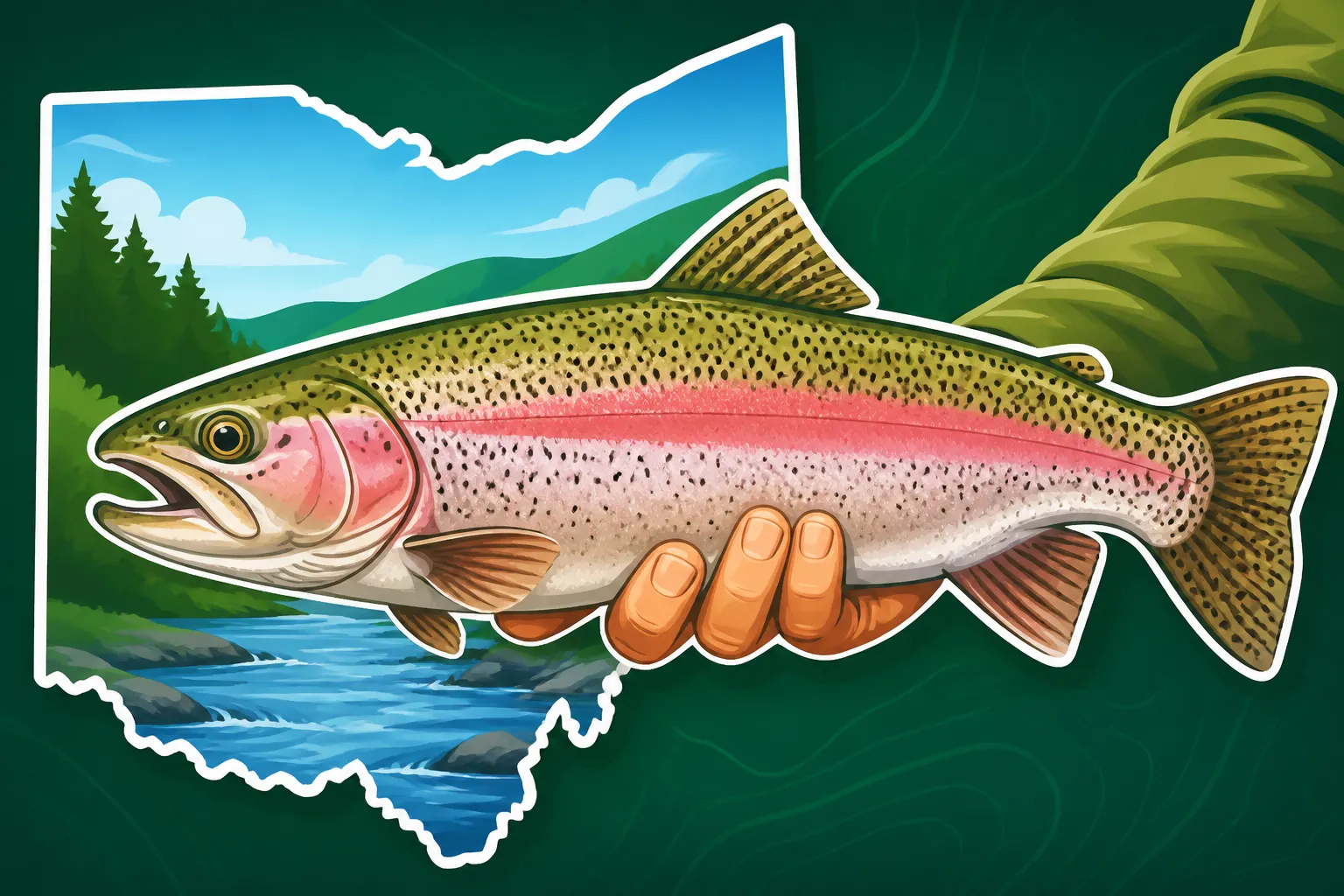
Most rainbow trout stocked in Ohio waters typically range from about 10 to 13 inches in length. This is a very common size for put-and-take programs nationwide. In terms of weight, you're usually looking at fish in the ¾ to 1.5-pound range. These aren't tiny, fragile fingerlings, nor are they massive, tackle-breaking giants. They're robust enough to put up a decent fight on appropriate light tackle and are perfectly sized for a delicious meal.
Think of it this way: when you buy a bag of frozen fish fillets at the grocery store, a 10-12 inch fish is about what you’d expect for a nice single serving. The hatcheries raise these fish to this specific size because it's the most efficient way to provide a large number of catchable fish across the state. Raising them much larger would significantly increase costs and reduce the number of fish that could be stocked, making it harder to meet the demand for these popular fishing events. It’s also important to remember the Ohio Inland Trout Daily Limit when planning your outing, as these regulations help ensure everyone has a chance to enjoy the catch.
The Occasional "Bonus" Fish
While the majority of stocked trout fall into that 10-13 inch range, there are always exceptions that add an extra layer of excitement to the experience. Sometimes, you might be pleasantly surprised to reel in a "bonus" fish that's notably larger. These might be trout that have been held over longer at the hatchery, or perhaps a few larger broodstock fish are included in a stocking to add a little extra thrill. These larger fish might push 15-18 inches and weigh a couple of pounds, providing a memorable fight.
For example, I remember a time fishing at a small pond near Findlay, where my buddy hooked into a rainbow that felt like a brick. After a spirited battle, we landed a beautiful 17-inch trout that definitely stood out from the others we caught that day. These bigger fish are never guaranteed, but they are a fantastic perk that keeps anglers coming back, hoping for that special tug. It’s like finding a rare trading card in a common pack—it happens, and it’s awesome when it does!
Here's a quick look at typical stocked trout dimensions:
| Characteristic | Typical Range (Inches) | Typical Range (Pounds) | Fight on Light Tackle |
|---|---|---|---|
| Length | 10 to 13 inches | – | Good |
| Weight | – | 0.75 to 1.5 pounds | Good |
| "Bonus" Fish | 14 to 18+ inches | 1.5 to 3+ pounds | Excellent |
What Factors Influence Trout Size After Stocking?
Once these rainbow trout are released into Ohio's lakes and ponds, their size generally doesn't change much. Remember, these are "put-and-take" fisheries, meaning they're meant to be caught relatively soon after stocking. However, there are a few factors that can subtly influence what you might encounter.
Limited Growth Potential in Stocked Waters
The environment of most Ohio stocked waters isn't designed for trout to thrive and grow substantially over long periods. As mentioned, many of these ponds and lakes get too warm in the summer to support cold-water species like trout indefinitely. While some trout might survive for weeks or even months in cooler, deeper pockets or during milder periods, significant growth is rare. They might put on a little weight if there's an abundance of easily accessible food, but don't expect them to double in size.
The stocked trout are also often quite acclimated to hatchery pellets, and while they will adapt to eating natural forage like insects, crustaceans, and smaller fish, it takes time. The clock is usually ticking, especially as water temperatures rise. This is why you rarely hear stories of someone catching a massive, years-old rainbow trout from a typical Ohio stocked pond; those are more common in true trout streams out west or in states with more suitable year-round trout habitat. This limited growth potential is a key reason why Do Ohio Trout Survive the Summer in Stocked Lakes? is such a frequently asked question.
Pressure and Forage Availability
The intensity of fishing pressure also plays a huge role. After a stocking event, word travels fast, and anglers flock to these locations. This high fishing pressure means that a large percentage of the stocked trout are caught within a short period. The more fish are removed, the less competition there is for remaining food, but also, simply, fewer fish are left to potentially grow.
If a trout manages to evade capture and survive for a while, its ability to grow will depend on the available forage. In some ponds, there might be a healthy population of insects, minnows, or other invertebrates. In others, food sources might be limited, especially if the pond is heavily stocked with other species or has poor water quality. It's a delicate balance, but ultimately, the short lifespan post-stocking in many Ohio waters means rapid growth isn't typically part of the equation. Knowing Ohio Fishing Season Calendar can help you time your visit to these newly stocked waters.
Equipping Yourself for Ohio's Stocked Rainbow Trout
Knowing the typical size of Ohio's stocked rainbow trout allows you to pick the perfect gear to maximize your fun and success. You don't need heavy-duty saltwater tackle; instead, thinking light and sensitive will be your best bet.
Choosing the Right Rod and Reel Setup
For these 10-13 inch trout, an ultralight or light action spinning rod is absolutely ideal. Look for a rod in the 5 to 6.5-foot range that has a fast or moderate-fast action, meaning the tip bends easily but the backbone is stiffer. This allows for sensitive bites and provides enough flex to absorb runs from a fighting trout. Pair it with a small spinning reel, something in the 1000 to 2000 series. Spool it with 4 to 6-pound monofilament or fluorocarbon line. Braided line can work too, especially if you add a fluorocarbon leader for stealth.
This kind of setup makes even a modest 12-inch trout feel like a monster. It allows for accurate casts with light baits and lures, and you'll feel every head shake. You can find excellent ultralight combos, often pre-spooled, on platforms like Amazon, which are perfect for getting started without breaking the bank. Don’t forget to check out a general Best Fishing Gear and Tackle Guide to round out your knowledge.
Effective Baits and Lures
Rainbow trout, especially those fresh from the hatchery, have a diverse palate. They're often accustomed to hatchery pellets, so anything that mimics that scent or looks appealing will grab their attention.
- Prepared Baits: The absolute classics here are PowerBait (in dough, nuggets, or worm forms) and corn. Yes, sweet kernel corn! Trout seem to love it. Marshmallows, often tipped with a bit of garlic spray, also work wonders. These baits are fantastic for still fishing with a light split shot or a small slip bobber. You can pick up a wide variety of these popular baits from a good local tackle shop or easily browse the selection on Amazon.
- Live Baits: Worms (like nightcrawlers or red wigglers) are always a winner. Small mealworms or wax worms can also be incredibly effective, especially for finicky trout. Fish these under a bobber or on a very light bottom rig.
- Small Lures: Spinners are excellent for active trout. Think smaller sizes, like #0 or #1 in classic patterns like Rooster Tails, Mepps Aglias, or Panther Martins. Cast them out and retrieve slowly. Small spoons, like Kastmasters or Little Cleos, can also entice strikes, especially in brighter colors on sunny days. These lures are often quite affordable and many brands are readily available on Amazon.
- Flies: If you're into fly fishing, small nymphs (like Prince Nymphs or Hare's Ears) and wet flies can be very productive. Woolly Buggers in black or olive are also great all-around patterns. For more specific lure advice, check out Best Lures for Ohio Fishing.
Presentation is Key
Regardless of your chosen bait or lure, proper presentation can make all the difference. For prepared and live baits, drifting them naturally with the current (if any) or suspending them just off the bottom is often most effective. A simple slip bobber rig allows you to easily adjust your depth and present your bait right in the strike zone. For lures, a slow, steady retrieve with occasional twitches can mimic injured baitfish or insects. These trout aren't usually in super-fast currents, so a subtle approach often works best. For beginners, simple techniques are best, and this can be explored further in Ohio Fishing Techniques for Beginners.
Finding and Making the Most of Stocked Trout Opportunities
Ohio makes it pretty straightforward to find where and when these rainbow trout are stocked. Staying informed will ensure you're at the right place at the right time.
Locating Stocked Waters
The ODNR Division of Wildlife typically releases a detailed stocking schedule each spring and fall. This schedule lists the specific lakes, ponds, and sometimes stream sections that will receive trout, along with the approximate dates. You can usually find this information on the ODNR's official website. Many state parks, city parks, and wildlife areas across Ohio are common stocking locations. Examples include Lake White in Pike County, Barnesville City Lake in Belmont County, and various ponds in the Cleveland Metroparks. It's always a good idea to check the most current schedule before you head out, as stocking dates can sometimes shift due to weather or hatchery conditions. Remember, you'll need an Ohio Fishing License Guide for Residents and Nonresidents to participate!
Understanding Post-Stocking Behavior
When trout are first stocked, they can be a bit disoriented but often very eager to bite. They're used to a consistent feeding schedule in the hatchery, so they're usually looking for food. In the initial days after stocking, they might school up in certain areas, sometimes near the stocking point, but they'll disperse as time goes on. Look for areas with slightly deeper water, submerged structure like fallen trees, or any signs of cooler water. They might hang out along weed lines or near culverts where fresh, cooler water enters. In lakes with inlets or outlets, these can be prime spots. They also tend to stick to cooler, oxygenated water, which might be found near the bottom in deeper ponds. Checking the specific Ohio State Park Fishing Rules for your chosen location is also a good idea.
Local Resources and Community Engagement
Don't underestimate the value of local bait shops! The folks working there are often a wealth of up-to-date information on recent stocking events, what baits are working best, and even tips on specific spots within a lake. They live and breathe local fishing. Online fishing forums and local social media groups dedicated to Ohio fishing are also great resources. Anglers love to share their success stories and sometimes even their frustrations, which can give you a real-time pulse on fishing conditions and recent catches. Engaging with these communities can not only improve your fishing but also connect you with fellow enthusiasts who share your passion for Ohio's waters and its angling opportunities, all while staying informed about Ohio Fishing Regulations Every Angler Should Know.
Disclaimer
This article is for general informational purposes only and does not constitute professional advice. Laws, prices and regulations vary by location and change over time. Consult a qualified professional for guidance on your specific situation.