Ohio Largemouth and Smallmouth Bass Minimum Length Limit
Reeling in a feisty largemouth or hard-fighting smallmouth bass is one of the true joys of fishing in Ohio. But that feeling of accomplishment can quickly turn into a moment of doubt when you're staring at your catch, wondering, "Is this bass long enough to keep, or do I need to send it back?" It's a common dilemma, and navigating Ohio's bass minimum length limits can be confusing. This comprehensive guide will untangle all the specifics, ensuring you know exactly what's legal and why these rules are so important for maintaining healthy fish populations.
Understanding Ohio's Statewide Bass Minimum Length Limit
Let's cut right to the chase with the most common question: what's the general rule for bass length in Ohio? For the vast majority of inland waters across the state, the Ohio Division of Wildlife has established a clear minimum length limit for both largemouth and smallmouth bass. This statewide rule is designed to protect younger fish, allowing them to mature and spawn at least once before being harvested, contributing to future generations of bass.
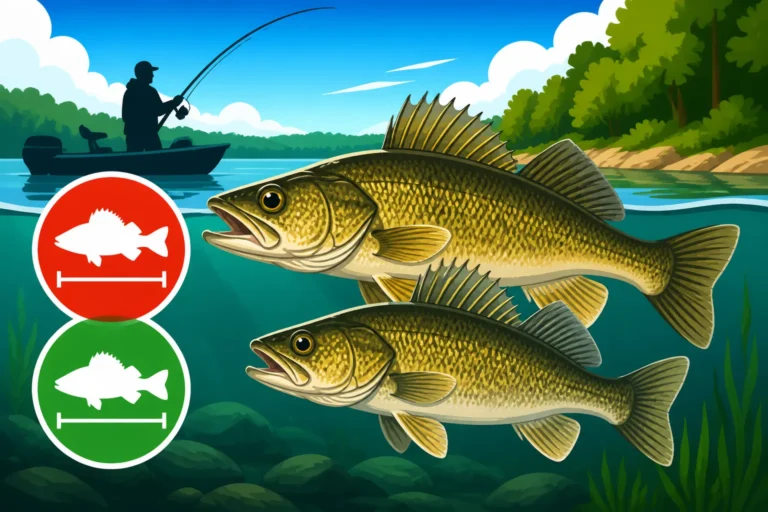
For most of Ohio's public lakes, reservoirs, and rivers, the standard minimum length limit for both largemouth and smallmouth bass is 12 inches. This means if you catch a bass shorter than 12 inches from the tip of its nose to the end of its tail (with the tail compressed), you must immediately release it back into the water. It’s a pretty straightforward rule that applies to countless fishing spots, from tranquil farm ponds to larger public impoundments. However, like with many things in life, there are always exceptions, and those are crucial to understand. Always carry a reliable tape measure or a dedicated fishing ruler, easily found on platforms like Amazon, to ensure you're always in compliance. For a broader overview of all species, check out our guide on Ohio Statewide Bag and Size Limits.
Measuring Your Catch Accurately
Getting an accurate measurement is absolutely critical. You don't want to mistakenly keep an undersized fish, which could lead to a fine, nor do you want to release a legal fish if you could have kept it. The official way to measure fish in Ohio is from the tip of the nose to the tip of the tail, with the tail compressed or squeezed together. Lay the fish flat on a measuring board or ruler, making sure its mouth is closed and pressed against the starting point of the ruler. Then, gently squeeze the tail lobes together to get the maximum length.
It sounds simple enough, but in the heat of the moment, especially with a lively bass, it can be tricky. My personal go-to is a sturdy, foldable measuring board. I picked mine up years ago, and it's been a lifesaver. You can find a wide variety of these, some even floating, on sites like Amazon, making the process much safer for both you and the fish. Remember, quick and accurate measurement also contributes to the fish's survival if it needs to be released, minimizing its time out of the water.
Why Length Limits Are Essential
These length limits aren't just arbitrary numbers set by a bunch of folks in an office. They are rooted deeply in scientific data and conservation efforts. The primary reason for minimum length limits is to protect bass populations by allowing them to reach sexual maturity and reproduce at least once, and ideally multiple times, before they're harvested. This ensures a healthy and sustainable population for future generations of anglers.
Think about it: if every angler kept every bass they caught, regardless of size, the population would quickly dwindle, and the average size of fish would decrease dramatically. Minimum length limits act as a safeguard, letting smaller fish grow into larger, more robust specimens, which makes for better fishing experiences for everyone down the line. It's a key component of sound fisheries management, working hand-in-hand with daily bag limits to create a balanced ecosystem. This proactive approach helps maintain not just the quantity but also the quality of fishing in Ohio, fostering bigger, healthier fish that are a blast to catch. For a deeper dive into the broader regulatory landscape, explore our guide on Ohio Fishing Regulations Every Angler Should Know.
Specific Ohio Waters with Unique Bass Regulations
While the 12-inch statewide minimum is a great baseline, Ohio is home to many diverse waterways, and some of them have very specific, unique regulations for bass. Ignoring these can get you into trouble, so it's paramount to know if the lake or river you're fishing falls under one of these special management zones. These exceptions are typically put in place to address specific ecological needs of a particular fishery, such as improving trophy potential or recovering a struggling population.
For instance, some lakes might have a 15-inch minimum length limit for bass, while others might implement slot limits, where you can keep fish below a certain size and above another, but not those in between. This helps manage the population structure, often reducing the number of intermediate-sized fish to allow more food for the remaining ones, leading to faster growth and larger bass. It's always a good idea to check the latest Ohio Fishing Regulations booklet, available online or at most bait shops, before heading out.
Common Special Regulations to Watch For
Let's look at a few examples of where you might encounter different rules. These are just illustrative, and the official regulations are your ultimate source of truth:
- Higher Minimums: Some popular bass lakes, particularly those managed for trophy potential, might have a 15-inch or even 18-inch minimum length limit for largemouth bass. These lakes are often highlighted in the regulation booklet. You might see this on places like Clear Fork Reservoir or specific sections of the Ohio River. The goal here is to let more bass grow to truly impressive sizes, creating a unique angling experience.
- Slot Limits: This is where it gets a little more complex. A slot limit means you can keep bass under a certain length (say, 12 inches) and over another length (say, 15 inches), but you cannot keep fish that fall within the 12-to-15-inch "slot." This is often used to protect prime breeding-age fish in that middle size range, ensuring they contribute to spawning for several years. An example of this type of regulation might be found on some smaller, intensely managed lakes.
- No Minimum Length: In a few rare instances, particularly for very small ponds or waters where bass populations might be overpopulated with stunted fish, there might be no minimum length limit. This encourages anglers to harvest smaller bass, which can actually improve the overall health and growth rate of the remaining fish. These situations are uncommon but do exist, so always verify.
It’s truly a testament to Ohio’s commitment to varied fishing opportunities. Before every trip, especially to a new spot, I pull up the Ohio Division of Wildlife website on my phone and quickly review the specific regulations for that body of water. A few minutes of prep can save you a lot of headache on the water, and ensure you're practicing responsible angling. If you're targeting other species, remember that similar nuanced rules apply, such as those covered in Ohio Muskie Size and Bag Limits or Lake Erie Walleye Bag Limits.
Important Waters with Unique Bass Rules
Ohio has numerous waters with specific bass regulations that deviate from the statewide 12-inch minimum. Here’s a brief table outlining some common examples, but always confirm with the most current official Ohio Fishing Regulations guide, as these can change annually.
| Water Body Example | Primary Bass Species | Minimum Length Limit (Inches) | Special Notes |
|---|---|---|---|
| Lake Erie & Tributaries | Smallmouth Bass | 14 | Applies to the main lake and all its tributaries from April 1 to April 30. During May 1 to June 24, there's a 14-inch limit, and after that, it's 12 inches. |
| Ohio River | Largemouth/Smallmouth | 12 | General statewide applies, but always check for reciprocal agreements with neighboring states and any specific pool limits. |
| Caesar Creek Lake | Largemouth Bass | 15 | Often managed for larger bass. |
| Mohican River | Smallmouth Bass | 12 | Standard statewide limit applies here, but always confirm for any potential seasonal changes. |
| Pymatuning Reservoir | Largemouth Bass | 15 | This large reservoir on the Ohio-Pennsylvania border has shared, specific regulations, including a higher bass limit. |
Disclaimer: This table provides general examples. Always refer to the current official Ohio Fishing Regulations for the most accurate and up-to-date information for your specific fishing location.
The key takeaway here is due diligence. Never assume. The Ohio Division of Wildlife (ODOW) makes these regulations easily accessible, and a quick check can prevent any issues. This attention to detail is part of being a respectful and responsible angler, contributing to the health of Ohio's aquatic resources. For further details on season dates, which often coincide with length limit changes, consult Ohio Fishing Season Dates and Effective Periods.
Practicing Catch and Release for Undersized Bass
Once you’ve measured a bass and determined it’s under the legal length, the next crucial step is ensuring a safe and successful release. The goal of catch and release, especially for undersized fish, is to minimize stress and injury so the fish can swim away strongly and continue to grow. Many anglers view catch and release as not just a regulation, but an ethical practice that supports conservation.
Think about the future of fishing. Every healthy bass released today contributes to the vibrant fisheries we'll enjoy tomorrow. It’s a core principle of maintaining a robust and thriving ecosystem, ensuring that these iconic fish populations continue to flourish in Ohio's waters. It also often means you're releasing a potential trophy for your next trip!
Best Practices for Healthy Release
Here are some tried-and-true methods to ensure your undersized bass has the best chance of survival:
- Minimize Handling Time: The longer a fish is out of water, the more stressed it becomes. Have your measuring device, hook removers, and camera ready before you even bring the fish in. Aim for seconds, not minutes, when handling.
- Wet Your Hands: Always wet your hands thoroughly before touching the fish. Dry hands can remove the protective slime coat, making the fish susceptible to infections and diseases.
- Support the Fish Properly: If you must lift the fish for a photo or measurement, support its belly. Avoid holding bass vertically by the jaw for extended periods, as this can damage their jaw and internal organs, especially on larger, heavier fish. A horizontal hold, supporting the weight, is ideal.
- Use Barbless Hooks or Pinch Barbs: Barbless hooks, or hooks with pinched barbs, make hook removal much easier and quicker, causing less damage to the fish's mouth. This is a simple modification that can make a huge difference. You can often find specialized hook removal tools on Amazon that are designed for quick and safe extraction.
- Remove Hooks Gently: Use needle-nose pliers or a dedicated hook remover to gently back the hook out. If the fish is deeply hooked (which is less common with bass but can happen), cut the line as close to the hook as possible rather than tearing the hook out, as this can cause fatal internal damage.
- Revive the Fish if Necessary: If the bass seems sluggish or disoriented, hold it gently in the water, facing into the current (if there is one), and move it back and forth slightly to push oxygenated water over its gills. Release it only when it’s strong enough to swim away on its own.
By following these simple steps, you significantly increase the survival rate of released bass, contributing directly to better fishing in Ohio. It's a small effort that yields massive returns for our aquatic environments. Learning to handle fish properly is a skill, just like casting, and it’s one every responsible angler should master. Many guides, like those you might find if looking for Ohio Bass Fishing Techniques, will emphasize these practices for a reason.
Consequences of Violating Bass Length Limits
It’s important to understand that minimum length limits aren't just suggestions – they are legally binding regulations. Violating these rules can lead to serious consequences. Wildlife officers patrol Ohio's waters, and they are well-versed in the regulations. Getting caught with an undersized bass, or too many bass, can result in penalties that can put a serious damper on your fishing trip and your wallet.
The specific penalties can vary depending on the severity of the violation, whether it's a first offense, and the discretion of the wildlife officer and court. However, typically, fishing violations in Ohio can result in fines, court costs, and potentially the confiscation of your fishing gear. Repeat offenders might even face more severe penalties, including loss of fishing privileges for a period. It's simply not worth the risk. Always make sure your Ohio Fishing License Guide for Residents and Nonresidents is current and that you understand all the rules for the waters you're fishing. Being informed is your best defense against accidental violations.
Disclaimer
The information provided in this guide is for general informational purposes only and is not intended as legal advice. Fishing regulations in Ohio can change, and it is the angler's responsibility to consult the most current official Ohio Fishing Regulations provided by the Ohio Department of Natural Resources (ODNR), Division of Wildlife, before engaging in any fishing activities. Always adhere to state and local laws and regulations.