Ohio Nonresident Fishing License Cost
Planning a fishing trip to Ohio can be incredibly exciting, especially with the promise of Lake Erie walleye or a quiet day on an inland reservoir. However, one of the first hurdles many out-of-state anglers face is navigating the seemingly complex world of nonresident fishing licenses. It's easy to get bogged down by different rules, prices, and validity periods, leaving you wondering exactly what you need to fish legally. This guide is here to untangle all that confusion, giving you a clear, comprehensive breakdown of Ohio nonresident fishing license costs and options so you can focus on what matters most: catching fish.
Understanding Ohio's Nonresident Fishing License Options
Coming to Ohio from another state, you might be used to a different set of fishing regulations and license structures. It's a common point of frustration for many anglers traveling across state lines – every state has its own system, and Ohio is no different. The key takeaway here is that if you're not a legal resident of Ohio, you'll need a specific nonresident license to fish in our public waters, regardless of whether you're targeting smallmouth bass in the Ohio River or yellow perch in Lake Erie.
Why a Nonresident License is Necessary
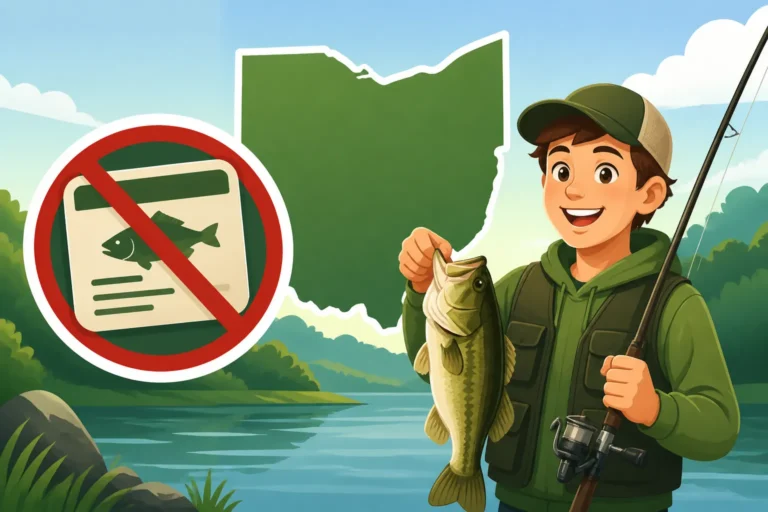
First and foremost, purchasing a nonresident fishing license in Ohio isn't just a bureaucratic hurdle; it's a legal requirement. State laws mandate that anyone aged 16 and older who isn't an Ohio resident must possess a valid nonresident fishing license to fish, angle, or take frogs or turtles from Ohio waters. This applies to everyone, whether you're casting from shore, fishing from a boat, or even ice fishing. The Ohio Department of Natural Resources (ODNR) relies on these license sales to fund critical conservation efforts.
Think about it: the money generated from fishing licenses directly contributes to managing our fisheries, stocking programs that ensure healthy populations of popular species like walleye and trout, habitat restoration projects, and the enforcement of fishing regulations. Without these funds, the incredible angling opportunities Ohio offers simply wouldn't be sustainable. So, while it might feel like an extra step, your nonresident license purchase is actually a vital investment in the future of Ohio's fishing heritage. It’s also important to remember that reciprocity agreements between states can be tricky and often don’t apply to basic fishing licenses, so don't assume your home state license will cut it here.
Different License Durations Available
Ohio understands that nonresidents visit for varying lengths of time, which is why they offer a few different options to cater to your trip duration. This flexibility is really helpful, as it prevents you from having to buy a full annual license if you're only planning a quick weekend getaway. The main options for nonresidents are one-day, three-day, and one-year licenses. Unlike Ohio residents, nonresidents don't have access to multi-year or lifetime fishing license options. These longer-term licenses are typically reserved for those who contribute to the state's tax base year-round.
Choosing the right duration depends entirely on your travel plans. If you're just passing through or dedicating a single day to fishing, the one-day license is your most economical choice. For a longer weekend or a full-fledged fishing vacation that spans several days, the three-day license offers better value. And for those who frequent Ohio throughout the year, perhaps visiting family or owning property here, the one-year license is usually the best bet, providing unlimited access for an entire license year.
Detailed Breakdown of Nonresident Fishing License Costs
Now, let's get down to the nitty-gritty: how much will that Ohio nonresident fishing license actually set you back? The costs are fairly straightforward, designed to provide options without breaking the bank for a short visit. Knowing these prices ahead of time will help you budget for your trip and decide which license type makes the most sense for your angling adventure.
Ohio Nonresident One-Day Fishing License Cost
The Ohio nonresident one-day fishing license is priced at $14.00. This is a fantastic option for those spontaneous trips or when you only have a single day carved out for fishing. Imagine you're visiting family near Columbus and decide last minute to hit Hoover Reservoir for some crappie, or you're driving through on a road trip and want to experience the legendary Lake Erie walleye for just one afternoon. This license covers you for 24 hours from the time you select for its activation.
The beauty of the one-day license is its flexibility. You don't have to buy it on the exact day you plan to fish; you can purchase it in advance and designate the start date and time. This means less hassle and more time on the water. It’s perfect if you're trying out a new fishing spot in Ohio for the first time, like the excellent smallmouth opportunities in the Grand River, and aren't sure if you'll be back soon. Just be sure to note your chosen activation period. For a quick dip into Ohio's diverse fishing scene, the Ohio Nonresident One-Day Fishing License Cost is designed to be accessible and convenient.
Ohio Nonresident Three-Day Fishing License Cost
If your Ohio fishing adventure extends beyond a single sunrise and sunset, the Ohio nonresident three-day fishing license is likely your best value. This license comes in at $25.00. For just an additional $11 compared to the one-day option, you get two more full days of fishing. This makes it ideal for a long weekend trip, a dedicated Lake Erie charter experience, or exploring multiple inland lakes or rivers over a few days.
Consider a scenario where you're staying in the Port Clinton area for three days, dedicating one day to a walleye charter, another to casting for bass from shore, and a third to targeting yellow perch from a pier. Buying three individual one-day licenses would cost you $42, so the three-day license saves you $17, which you could put towards some new lures or a hearty breakfast. It's a popular choice for many out-of-state anglers who want to make the most of their time in Ohio without committing to an annual pass. You can easily find the specific details regarding the Ohio Nonresident Three-Day Fishing License Cost on the ODNR website.
Ohio Nonresident One-Year Fishing License Cost
For those who find themselves returning to Ohio multiple times within a license year, the Ohio nonresident one-year fishing license, priced at $50.00, is undoubtedly the most cost-effective solution. This license provides fishing privileges from March 1st of the current year through the last day of February of the following year, regardless of when you purchase it within that period.
This annual option is particularly beneficial for nonresidents who own property in Ohio, have family they visit frequently, or perhaps participate in a regular fishing tournament circuit here. If you plan to make two or more trips to Ohio within a single license year, this license quickly pays for itself compared to buying multiple shorter-term licenses. For example, two three-day licenses would total $50, so any additional trip after that makes the annual license a clear winner. It simplifies your fishing plans, ensuring you're always covered, whether you decide to chase steelhead in the Rocky River in the fall or hit the spring walleye run on the Maumee River. Understanding the full scope of the Ohio Nonresident One-Year Fishing License Cost is crucial for maximizing your value.
Here's a quick comparison of the current nonresident license costs:
| License Type | Duration | Cost | Ideal For |
|---|---|---|---|
| Ohio Nonresident One-Day | 1 Day | $14.00 | Short, spontaneous trips, single-day outings |
| Ohio Nonresident Three-Day | 3 Consecutive Days | $25.00 | Long weekends, multi-day fishing vacations |
| Ohio Nonresident One-Year | March 1 – Feb 28/29 | $50.00 | Frequent visitors, multiple trips within a year |
Prices are subject to change by the Ohio Department of Natural Resources (ODNR). It's always best to verify current pricing on the official ODNR website before purchasing.
Important Considerations for Nonresident Anglers
Beyond just the cost, there are several other critical factors nonresidents need to be aware of when planning to fish in Ohio. Misunderstandings about age requirements, combination licenses, or even how to display your license can lead to unnecessary complications. Let’s make sure you're fully prepared.
Age Requirements and Exemptions
A common question that pops up, especially for families traveling with children, is whether younger anglers need a license. In Ohio, residents and nonresidents alike share the same rule: children under the age of 16 are not required to have a fishing license. This is fantastic news for encouraging youth participation in fishing, making it easier and more affordable for families to enjoy time on the water together. You can take your little ones out on Lake Erie, an inland lake like Alum Creek Lake, or a local pond without worrying about their license status.
However, once an angler turns 16, that exemption ends, and a valid license becomes mandatory. This is often where confusion arises, especially if your home state has different age cutoffs. For example, some states might require a license at 12 or 10 years old. In Ohio, 16 is the magic number. It's also important to note that unlike residents, nonresidents do not qualify for senior discounts on fishing licenses, regardless of their age. The various Ohio Fishing License Exemptions for Kids are in place to foster a love for fishing early on, but once they hit those teenage years, they'll need to join the ranks of licensed anglers. If you're unsure, it's always better to check. For more detailed information, you can also refer to articles like Do Kids Need a Fishing License in Ohio?.
Combination Licenses and Special Permits
Ohio does offer combination hunting and fishing licenses for residents, but the options for nonresidents can be a bit different. Generally, if you're a nonresident, you'll purchase your fishing license separately from any hunting licenses you might need. There isn't a direct "nonresident combo" license that bundles both fishing and hunting at a significant discount in the same way residents might receive. If you plan to both hunt and fish during your visit, you'll likely need to purchase a nonresident hunting license in addition to your chosen nonresident fishing license. This can sometimes feel like an added expense, but it ensures you're legally covered for both activities. You can read more about the Ohio Combination Hunting and Fishing License if you're a resident, which will also clarify why the nonresident structure is different.
Furthermore, there are situations where special permits might be required, even beyond your basic fishing license. For instance, if you're planning to organize or participate in a fishing tournament, there might be specific Ohio Fishing Tournament Permit Requirements to consider. These are typically for the event organizers, but it's good to be aware that additional regulations can apply to certain fishing activities. Also, some private lakes or metropolitan parks may have their own access fees or local permits, though this is separate from the state fishing license itself. Always check local rules for any specific body of water you plan to fish.
Digital vs. Physical Licenses
In this digital age, many anglers appreciate the convenience of carrying their fishing license on their smartphone. Good news: Ohio generally accepts digital copies of your fishing license. When you purchase your license online through the ODNR's website, you'll typically receive an email with a printable version, which you can also save to your phone's photo gallery or a dedicated app. This means you don't necessarily need a traditional paper copy tucked into your wallet or tackle box.
However, my veteran angler advice is always to have a backup! Technology can fail. Your phone battery could die, or you might lose service in a remote area, leaving you unable to access your digital proof of license. For this reason, many anglers still prefer to print a physical copy. It's a good idea to keep a printed version laminated or stored in a waterproof holder, especially if you're heading out on the boat or fishing in unpredictable weather. While Ohio's acceptance of digital licenses is a convenience, it’s worth asking yourself if Is a Paper Copy of an Ohio Fishing License Required on the Water? for that extra peace of mind. While not strictly "required" if you have digital access, it can certainly save a headache. Furthermore, if you're looking for the complete rulebook, you can often find a downloadable Ohio Fishing Regulations PDF Online to keep on your device. For more insight into having a printed version, check out Does Ohio Offer a Printable Fishing License?.
Where and How to Purchase Your Nonresident License
So, you've decided which nonresident fishing license is right for your Ohio adventure. Now, how do you actually get your hands on one? Fortunately, Ohio has made the purchasing process quite accessible, whether you prefer the convenience of online shopping or the personal touch of a local retailer.
Online Purchase Process
For most people, buying an Ohio nonresident fishing license online is the easiest and quickest method. The Ohio Department of Natural Resources (ODNR) operates a user-friendly licensing portal that allows you to purchase your license from anywhere, at any time, before you even set foot in the Buckeye State. This is particularly handy for nonresidents who want to ensure everything is sorted before their trip.
Here’s a general step-by-step guide to the online process:
- Visit the Official ODNR Website: Navigate to the "Wild Ohio" customer portal on the ODNR's official website. This is your primary hub for all hunting and fishing licenses.
- Create an Account or Log In: If you're a first-time user, you'll need to create a customer profile. This usually involves providing your personal information, including your name, address, date of birth, and driver's license number. If you've purchased an Ohio license before, you can simply log in.
- Select "Purchase Licenses": Once logged in, look for the option to purchase fishing licenses.
- Choose Your License Type: Select the appropriate nonresident fishing license – one-day, three-day, or one-year. Make sure you double-check that you're selecting the nonresident option.
- Designate Activation (for short-term licenses): If you're buying a one-day or three-day license, you'll be prompted to select the specific date and time you want your license to become active. This is a crucial step, so pay close attention.
- Complete Payment: Enter your payment information to finalize the purchase.
- Print or Save Your License: After successful payment, you'll receive a confirmation and often an email with a printable PDF of your license. You can print this immediately or save it to your mobile device for easy access.
This streamlined process makes it incredibly convenient, especially if you're planning your trip on the fly. You can literally be sitting in another state, buy your license, and be ready to fish the moment you cross the Ohio border. For a complete walkthrough, refer to How to Buy an Ohio Fishing License Online.
In-Person Retailers and Agents
While online purchasing is popular, some anglers prefer the traditional route of buying their license in person. Maybe you like to chat with a local bait shop owner for some tips, or perhaps you're just more comfortable with a physical transaction. Whatever your reason, Ohio makes it easy to purchase nonresident fishing licenses from a vast network of authorized license agents across the state.
These agents include:
- Sporting Goods Stores: Large retailers like Walmart and various regional sporting goods stores often have a dedicated counter for purchasing licenses.
- Bait and Tackle Shops: These are prime locations, as you can pick up your license and stock up on local bait and tackle all at once. The folks behind the counter usually have invaluable, hyper-local fishing advice too, which can be gold for an out-of-state angler.
- ODNR Offices: You can also purchase licenses directly from select ODNR district offices.
- Convenience Stores: Many smaller convenience stores, especially those popular with hunters and anglers, are licensed agents.
When purchasing in person, you'll typically need to provide the same personal identification details as you would online. Just be sure to bring a valid ID, like your driver's license. If you're going to be fishing around popular areas like Lake Erie, there are numerous bait and tackle shops in towns like Port Clinton, Sandusky, and Marblehead that serve as excellent places to pick up your license and get the latest fishing reports. For a more comprehensive list and locations, check out Where to Buy an Ohio Fishing License in Person.
Understanding the License Validity Period
This is a critical detail that can sometimes trip up even experienced anglers, especially nonresidents who are used to different systems. The validity period varies depending on the type of license you purchase.
- One-Day and Three-Day Licenses: These licenses are valid for the specific 24-hour or 72-hour period you select at the time of purchase. For example, if you buy a one-day license and set its activation for July 15th at 8:00 AM, it will be valid until July 16th at 7:59 AM. This gives you precise control over when your fishing window begins.
- One-Year Licenses: An Ohio one-year fishing license, for both residents and nonresidents, is valid from March 1st through the last day of February of the following year. This means if you buy a one-year license in, say, August, it will still expire on the last day of February. So, if you're planning a trip late in the calendar year and then another early the next year, you might need two separate annual licenses, or carefully consider if a short-term license would be more economical for the initial trip.
It’s crucial to understand these dates to avoid unintentionally fishing without a valid license. Many other states have licenses that are valid for 365 days from the date of purchase, so Ohio's fixed annual period can be a point of confusion. Always double-check the expiration date on your license after purchase. The ODNR provides clear guidance, and understanding How Long an Ohio Fishing License Stays Valid will prevent any unwelcome surprises.
Penalties for Non-Compliance and Responsible Angling
No one wants their fishing trip to end with a fine or a run-in with law enforcement. Understanding the consequences of not adhering to Ohio's fishing license requirements and other regulations is just as important as knowing where to buy your license. It ensures a smooth, enjoyable, and legal experience on the water.
Consequences of Fishing Without a License
Fishing without a valid license in Ohio is not just a minor oversight; it's a violation of state law. Wildlife officers from the Ohio Department of Natural Resources (ODNR) Division of Wildlife are regularly patrolling lakes, rivers, and streams to ensure compliance. If you're caught fishing without the proper nonresident license, the consequences can be more than just an inconvenience.
Typically, the penalty for fishing without a license is a fine. While the exact amount can vary based on the specific circumstances and the discretion of the court, these fines can be substantial. Beyond the monetary penalty, wildlife officers also have the authority to confiscate your fishing equipment, including rods, reels, and even your catch. In some cases, repeated offenses or severe violations could even lead to more serious legal repercussions, potentially impacting your ability to obtain licenses in other states. It's simply not worth the risk, especially when a one-day or three-day license is so affordable. To fully grasp the severity, you can research What Happens If You Fish Without a License in Ohio and specifically the Ohio Fine for Fishing Without a License to see the direct financial impact. These penalties serve as a stark reminder of the importance of compliance, and the money collected helps fund the very conservation efforts mentioned earlier.
Adhering to Ohio Fishing Regulations
Beyond having a valid license, it’s equally important for nonresident anglers to familiarize themselves with and adhere to Ohio's extensive fishing regulations. These rules cover a wide array of topics, from species-specific bag and size limits to restrictions on certain fishing methods or equipment. Just because you have a license doesn't mean you can keep every fish you catch!
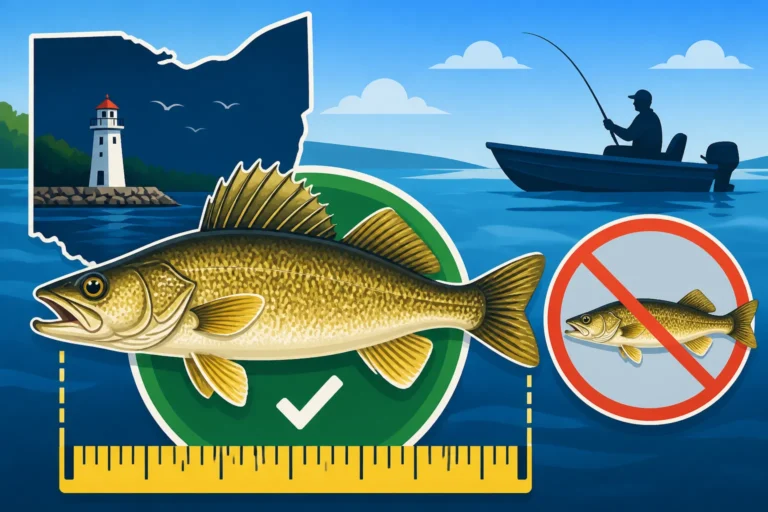
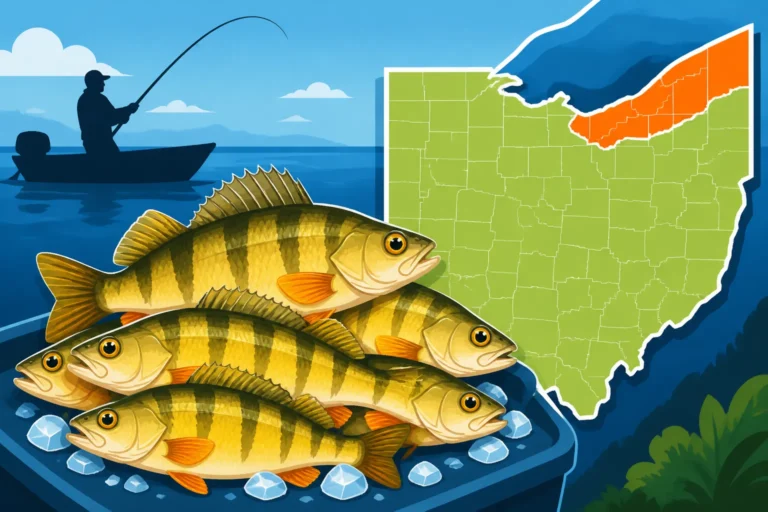
Ohio's regulations are designed to protect fish populations and ensure sustainable angling for everyone. For example, Lake Erie has specific daily bag and size limits for walleye and yellow perch that can change seasonally. Inland lakes might have different rules for largemouth bass or crappie. You also need to be aware of rules regarding:
- Bag Limits: The maximum number of fish of a certain species you can keep in one day.
- Size Limits: The minimum or maximum length a fish must be to be legally kept.
- Gear Restrictions: Limitations on the number of rods you can use, or prohibitions on certain types of nets or traps. For instance, Ohio generally has a two-pole and line limit rule.
- Closed Seasons: Certain species or water bodies might have specific times of the year when fishing is prohibited to protect spawning fish.
Before you head out, make it a habit to consult the latest Ohio Fishing Regulations booklet, which is available online as a PDF or in print at most license agent locations. A quick search on Amazon might even turn up waterproof regulation cards or laminated guides you can keep handy. Ignorance of the law is not an excuse, and wildlife officers enforce these regulations rigorously to maintain healthy fisheries across the state. Articles like Ohio Statewide Bag and Size Limits and Lake Erie Fishing Regulations in Ohio are excellent resources to help you stay informed.
Conservation Efforts and Your Contribution
When you purchase an Ohio nonresident fishing license, you're doing more than just buying the right to fish; you're directly contributing to the conservation and management of Ohio's natural resources. The funds generated from license sales, whether from residents or nonresidents, are vital to the Ohio Department of Natural Resources' Division of Wildlife.
These funds support a wide range of critical programs, including:
- Fish Stocking: Millions of fish, including walleye, steelhead, trout, and various panfish, are stocked annually in Ohio's lakes and rivers. This ensures robust populations and provides exciting fishing opportunities.
- Habitat Restoration: Projects to improve fish habitat, such as creating spawning areas, enhancing aquatic vegetation, and restoring stream banks, are crucial for healthy ecosystems.
- Research and Monitoring: Scientists continuously study fish populations, water quality, and environmental factors to make informed management decisions.
- Enforcement: Wildlife officers, whose efforts protect fish and wildlife from poaching and illegal activities, are funded by license sales.
- Public Access: Funds also go towards maintaining public boat ramps, fishing piers, and other access points to Ohio's waters.
So, while obtaining your nonresident license is a legal necessity, it's also an act of environmental stewardship. Your $14 for a one-day license or $50 for an annual pass helps ensure that Ohio's waters remain vibrant and full of fish for generations to come. It’s a small price to pay for the incredible angling experiences Ohio offers, and a direct way to give back to the waters you enjoy.
Disclaimer
Please note that fishing regulations and license costs are subject to change by the Ohio Department of Natural Resources (ODNR). While this guide strives to provide the most up-to-date and accurate information, it is always recommended to verify current regulations and pricing on the official ODNR website or by contacting the ODNR directly before planning your fishing trip. This content is for informational purposes only and does not constitute legal advice.