Can You Fish With Two Poles at Once in Ohio?
It's a question many of us have pondered when we're out on the water, especially when the bite is slow, or we're trying to cover more ground: "Can I use more than one fishing pole in Ohio?" The frustration is real when you see other anglers seemingly juggling multiple setups, and you're not sure if you're breaking a rule or just missing out on an opportunity. This guide is here to clear up that confusion, diving deep into Ohio's regulations regarding multi-pole fishing, what it means for your angling strategy, and how to stay on the right side of the law.
Understanding Ohio's Two-Pole Rule for Anglers
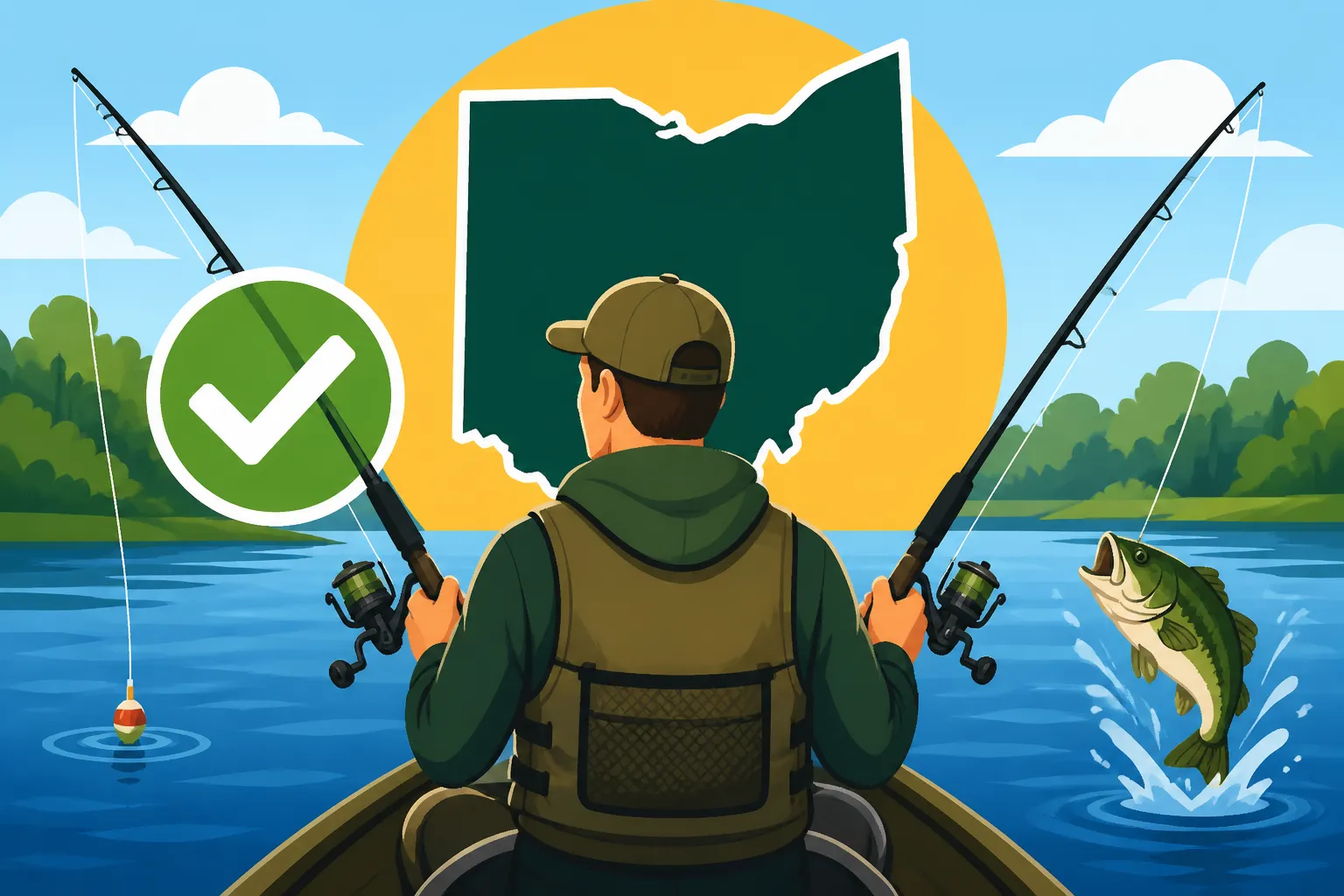
Let's cut right to the chase, because nobody wants to feel like they're guessing about regulations when they're trying to enjoy a peaceful day on the water. The good news for most recreational anglers in Ohio is that, generally speaking, yes, you can fish with two poles at once. This rule is a common one across many states, acknowledging that anglers often want to maximize their chances or employ different techniques simultaneously. However, like most things in life, there are nuances and specific conditions that go along with this privilege.
The Ohio Department of Natural Resources (ODNR) Division of Wildlife stipulates that a licensed angler can typically use up to two fishing rods and lines at any given time. This isn't just a casual suggestion; it's a foundational regulation that shapes how many of us approach our fishing trips. The critical phrase here is "under the immediate control" of the angler. This isn't a license to spread out a small arsenal of rods along the bank and take a nap; you need to be actively engaged and capable of attending to both lines if they get a strike or need adjustment. Imagine trying to land a trophy walleye on one rod while a huge catfish decides to hammer your second bait – you need to be ready for that kind of multi-tasking! Understanding the general Ohio Fishing Regulations Every Angler Should Know is always a good starting point for any trip.
The philosophy behind allowing two poles is often to enhance the fishing experience without leading to over-harvest or abandoned tackle that can become hazards for wildlife. It gives anglers the flexibility to try a jig on one rod and a minnow under a bobber on the other, or troll two different crankbaits to find the sweet spot for Lake Erie walleye. It's about efficiency and exploration, within reasonable limits. Just remember, these regulations are put in place to ensure sustainable fishing for everyone, now and in the future.
What "Two Poles" Actually Means in Practice
When the ODNR talks about "two poles," they're referring to fishing rods and lines, typically with a reel attached, that you're actively using. It's not a blanket term for every type of fishing device available. This distinction is incredibly important because Ohio fishing regulations are quite specific about different methods and their associated limits.
For example, using trotlines, which are long lines with multiple baited hooks, or jug lines, which are essentially free-floating lines, falls under entirely different categories of regulation. These methods often require special permits, tags, and have strict rules about the number of hooks, placement, and attendance. For the vast majority of us who are casting and retrieving, or setting a bobber, we're talking about standard rod and reel setups. You can dive deeper into various equipment options with a comprehensive Best Ohio Fishing Gear and Tackle Guide.
Another common scenario where the "two poles" rule differs is during ice fishing. If you've ever ventured onto a frozen Ohio lake, you'll know that ice anglers often have multiple holes drilled, each with a tip-up or a jigging rod. In the case of ice fishing, Ohio regulations typically allow for a greater number of lines, often up to six, but again, they must be under the angler's immediate control. This means you can't set up your tip-ups and then drive home for dinner; you need to be right there, monitoring them. So, while the general rule for open water is two poles, don't confuse that with the specific allowances for Ohio Ice Fishing Guide because those are different beasts entirely!
It’s also crucial to remember that each pole you're using must adhere to all other relevant regulations. This includes having a valid Ohio Fishing License Guide for Residents and Nonresidents, respecting Ohio Statewide Bag and Size Limits for whatever species you're targeting, and adhering to any specific length or lure restrictions for the body of water you're on. For instance, if you're fishing for largemouth bass at a lake with a slot limit, both of your poles must be rigged in a way that allows you to comply with that limit, and any fish you keep must meet the criteria. Don't forget that a standard Ohio fishing license covers your two-pole usage, but it’s still your responsibility to understand the nuances.
Here's a quick look at the distinctions in a table format:
| Fishing Method | Number of Rods/Lines Allowed (General Rule) | Key Condition |
|---|---|---|
| Open Water Fishing | Up to 2 rods/lines | Under immediate control of the angler |
| Ice Fishing | Up to 6 lines (e.g., tip-ups, jigging rods) | Under immediate control of the angler |
| Trotlines/Jug Lines | Specific limits, tags, and permits required | Different set of regulations entirely |
| Snagging/Spearing | Not considered "pole fishing" | Specific regulations apply (often prohibited) |
This table should help clarify that while two poles are usually fine for your standard cast-and-retrieve day, always double-check the specific method and body of water you're fishing to ensure compliance.
Practical Benefits and Challenges of Using Two Poles
Alright, so you know you can use two poles. But should you? And how do you do it effectively without turning your peaceful fishing trip into a tangled mess? There are definite advantages to fishing with two rods, but also some challenges that you'll quickly discover if you're not prepared.
One of the biggest benefits, especially if you're targeting a specific species like walleye on Lake Erie or catfish on the Ohio River, is the ability to experiment with different baits or depths. Imagine you're out on the lake, and the fish finder shows some marks, but you're not sure if they want a crankbait or a crawler harness. With two poles, you can run one setup with a deep-diving crankbait and another with a bottom bouncer and a nightcrawler. This greatly increases your chances of figuring out what the fish are hitting, saving you valuable time on the water. Many anglers swear by this method, especially when Trolling for Lake Erie Walleye where different depths and lure colors can be key.
Another advantage is the increased water coverage. If you're shore fishing, you can cast one line further out while keeping another closer to the bank, perhaps in shallower cover. This is particularly useful in lakes and reservoirs where fish might be scattered, or you're unsure of their preferred holding areas. For instance, if you're targeting crappie, you might cast one minnow rig to a submerged brush pile and set another pole with a jig under a bobber near a dock. This "spread" approach can be incredibly effective. Consider looking into Best Ohio Lakes for Crappie if this sounds like your style.
However, using two poles isn't without its challenges. The most common issue? Tangles. It happens to the best of us. Whether it's a double hook-up, a bird's nest in one reel while fighting a fish on the other, or simply drifting lines getting crossed, tangles are almost inevitable if you're not careful. Keeping an eye on your lines, especially in current or windy conditions, becomes twice as important. This is where having quality gear that performs reliably, and lines that are in good condition, really pays off. You might find some excellent deals on extra rods or fishing line on sites like Amazon, ensuring you have reliable backups for your setup.
Another challenge is managing a double hook-up. While exciting, it can quickly turn chaotic. If you hook a fish on one line, what do you do with the other? Do you reel it in quickly, or try to manage both? Often, the best strategy is to quickly reel in the second line (if possible and safe) before focusing all your attention on the fish you've hooked. This is where investing in some good rod holders for your boat or a sturdy bank stick can be a lifesaver. Being prepared for the potential chaos of two fish on at once is part of the fun (and the frustration!) of multi-pole fishing. You might even find some useful accessories for managing multiple rods on Amazon.
Tips for Successfully Fishing with Two Poles
So, you're ready to embrace the two-pole lifestyle. Fantastic! But before you head out, let's talk about some practical tips to make sure your experience is more productive and less prone to headaches. Mastering the art of managing two lines can truly elevate your fishing game in Ohio.
First and foremost, stay organized. This might sound basic, but it’s incredibly important. Have distinct setups for each pole if you're using different techniques. For example, if one rod is rigged for bottom fishing for catfish and the other for casting lures for bass, make sure your tackle is easily accessible for each specific task. This means keeping your bait and tackle organized in separate compartments or bags if necessary. Having your tackle box or a small bag easily accessible helps tremendously. You can find a wide range of organizational tackle boxes and bait storage solutions on Amazon.
Next, know your fishing spot and the conditions. Are you in a high-current area? Is it windy? Is there heavy boat traffic? All these factors will influence how you manage your two lines. In strong currents, your lines might drift and tangle more easily, requiring closer attention. If you're in a crowded spot, be mindful of other anglers to avoid casting over their lines. Consider the depth and structure as well; knowing what's beneath the surface can help you avoid snagging both lines simultaneously. For instance, when fishing the Ohio River Fishing Guide, current is a major factor, and you'll want to adjust your strategy accordingly.
Prioritize immediate control. The ODNR regulation about "immediate control" isn't just about legality; it's about good angling practice. Always be close enough to both rods to react quickly. This might mean having one rod in a holder right next to you and the other in your hand, or both in holders within arm's reach. If you're bank fishing, avoid setting one rod far down the bank where you can't reach it quickly. This constant vigilance is key to preventing lost fish, tangled lines, or even lost gear. This is also why understanding How Many Fishing Lines You Can Use in Ohio applies to various methods and scenarios.
Finally, practice and adapt. Like anything else in fishing, managing two poles effectively takes practice. Start in less challenging conditions, perhaps a calm pond or a slow-moving river, before attempting it in strong currents or heavy winds. Pay attention to how your lines react, how quickly you can switch between rods, and what works best for your personal fishing style. You'll quickly develop a rhythm that allows you to confidently run two lines and increase your chances of a successful day on the water. Many anglers find that a simple spinning reel and rod combo, especially one from brands like Ugly Stik or a value-packed option from Amazon, is a great starting point for a second rod. These are often durable and versatile, perfect for trying out new techniques without breaking the bank.
By keeping these tips in mind, you can take full advantage of Ohio's two-pole rule, enhance your fishing experience, and hopefully, bring home more fish!
Disclaimer
Please note that fishing regulations can change. While every effort has been made to provide accurate and up-to-date information, it is always the angler's responsibility to consult the most current Ohio Department of Natural Resources (ODNR) fishing regulations before heading out. This guide is for informational purposes only and should not be considered legal advice.