Penalty for Keeping an Oversized Muskie in Ohio
Landing a big muskie is often the pinnacle of an angler's year, a true test of skill and patience. But nothing can turn that proud moment into a crushing disappointment faster than realizing you've misjudged its length and are now facing stiff penalties for keeping an oversized fish in Ohio. It's a real and understandable worry for many, especially with muskie regulations being so specific. This guide is here to walk you through exactly what those penalties entail, how to avoid them, and why Ohio's muskie rules are in place to protect these magnificent fish.
Understanding Ohio's Muskie Regulations
Muskie fishing in Ohio is an exciting pursuit, drawing dedicated anglers from all over. These powerful, elusive fish are often called the "fish of a thousand casts" for a reason! Because they are such a sought-after and slow-growing species, robust regulations are absolutely critical to ensure their populations thrive for future generations.
Why Muskie Regulations Are So Strict
Let's be honest, nobody likes feeling constrained by rules, especially when you're out enjoying the peace and thrill of fishing. But when it comes to muskie, the strictness isn't arbitrary – it's born out of necessity and a deep understanding of these fish. Muskie are apex predators, sitting at the top of the food chain in many Ohio waters. They grow slowly, taking many years to reach trophy sizes. A 40-inch muskie, for instance, could be 8 to 10 years old, or even older depending on the specific lake and conditions. Compare that to a crappie or bluegill, which reach maturity much faster.
This slow growth rate means that if too many large muskie are harvested, the breeding population can quickly diminish, impacting the entire ecosystem. The goal of the regulations, particularly the minimum size limits, is to allow muskie to reach sexual maturity and spawn multiple times before they can be legally kept. This strategy helps maintain a healthy, self-sustaining population, ensuring that Ohio waters continue to offer incredible muskie fishing opportunities for years to come. It’s all about sustainability and preserving the thrill of the chase.
Current Muskie Size and Bag Limits in Ohio
Ohio's Division of Wildlife (ODOW) sets clear, non-negotiable rules for muskie. These are updated periodically, so it’s always wise to check the latest regulations before you head out, especially if you haven't fished for muskie in a while. Generally, the statewide minimum length limit for muskie is 48 inches. This means any muskie you catch that measures less than 48 inches from the tip of its nose to the end of its tail must be immediately released, unharmed.
The daily bag limit is typically one (1) muskie per angler per day. This limit is critical, even if you happen to hook into multiple legal-sized fish. The combination of a strict length limit and a low bag limit works in tandem to protect the muskie population. It encourages catch and release for most encounters, while still allowing the opportunity for a truly special, trophy-sized harvest. Remember, these regulations apply across all public waters in Ohio, unless specific water bodies have even more stringent local rules, which is something you'd find in the official Ohio fishing regulations Every Angler Should Know. For specific details on where to find the official information, you can always check out the latest Ohio Muskie Size and Bag Limits.
It's worth noting that some anglers choose to practice catch-and-release exclusively for muskie, regardless of size, simply out of respect for the species and a desire to contribute to their conservation. That’s a personal choice, but adhering to the legal limits is a requirement for everyone.
The Penalties for Exceeding Muskie Limits
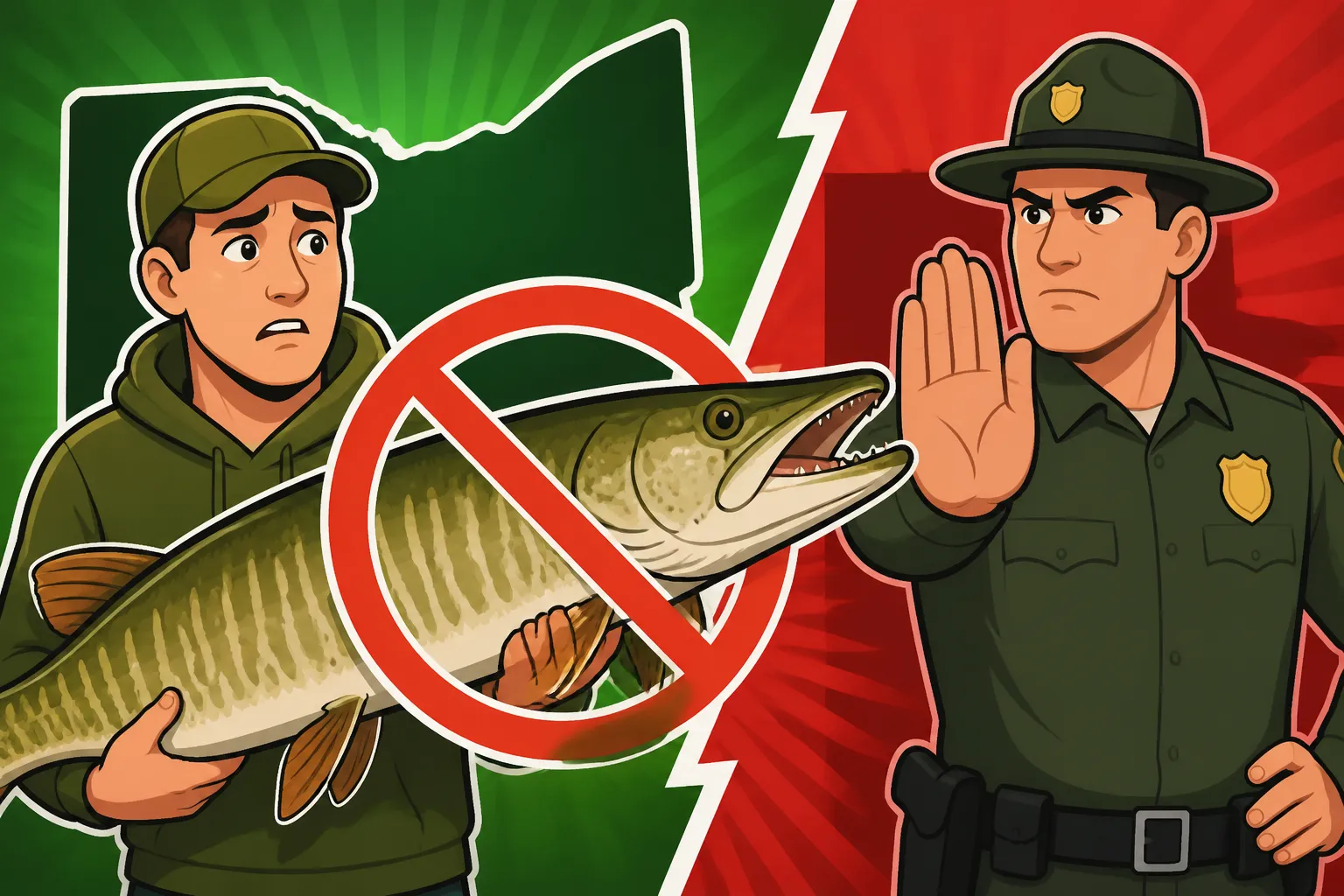
So, what actually happens if you make a mistake, or worse, intentionally ignore the rules and decide to keep a muskie that doesn't meet the legal length? The consequences can range from a slap on the wrist to severe legal and financial repercussions, easily turning a great fishing trip into a nightmare. Ohio wildlife officers take muskie conservation very seriously, and violations are not taken lightly.
What Constitutes a Violation
A violation related to muskie regulations typically falls into a few categories:
- Possession of an Undersized Muskie: This is the most common scenario. You’ve kept a fish that measures less than the 48-inch minimum length. Even if it’s just by an inch or two, it’s a violation. Sometimes anglers will try to argue that they measured incorrectly, but ignorance of the law is generally not a defense.
- Exceeding the Daily Bag Limit: If you have more than one muskie in your possession that day, even if they are both legal length, you’re in violation of the one-fish daily limit.
- Failure to Immediately Release: The regulations often stipulate that undersized fish must be immediately released. This means no excessive photo sessions, no putting them in a livewell "just to see," and certainly no trying to take them home.
- Fishing Without a License: While not directly related to muskie size, any fishing violation, including those related to species limits, will be compounded if you don't even have a valid fishing license. This is a fundamental rule, and you can learn more about it in our Ohio Fishing License Guide for Residents and Nonresidents.
Wildlife officers are trained to identify these violations. They often patrol popular muskie lakes like Alum Creek Lake, Leesville Lake, and Clear Fork Reservoir. If they observe you violating a regulation or conduct a routine check and find an infraction, they will take action.
Potential Fines and Court Costs
The financial penalties for keeping an oversized (or undersized, which is more often the case) muskie can be substantial. In Ohio, most wildlife violations are considered misdemeanors. The specific fine can vary depending on the severity of the offense, the discretion of the officer, and the judge, but typically, you're looking at fines that can start in the hundreds of dollars.
For example, a first-offense misdemeanor for an undersized fish could carry a base fine of around $150 to $250. However, this is just the fine. You also have to factor in court costs, which can add another $100-$200 or more. So, that "free" undersized muskie you thought you were taking home could easily cost you $300-$500 or more out of pocket. Repeat offenses, or violations deemed more severe (like attempting to conceal the fish or multiple fish), can lead to much higher fines, potentially reaching $1,000 or even more, plus extended court costs.
You can find a general overview of these penalties in the Ohio Wildlife Officer Fishing Violation Fine Schedule, which lays out the range of fines for various infractions. It's a sobering read, and a good reminder of why compliance is so important.
Other Possible Consequences
Beyond the immediate financial hit, there are other, often more inconvenient or long-lasting consequences of violating muskie regulations:
- Forfeiture of the Fish: Any illegally possessed muskie will be seized by the wildlife officer. You won’t get to keep it, and it will often be donated to charity or used for educational purposes.
- Forfeiture of Equipment: In some cases, especially with repeat offenses or more egregious violations, the court might order the forfeiture of fishing equipment used in the commission of the crime. This could include your rod, reel, tackle, or even your boat if it was deemed instrumental in the violation. Imagine losing your prized muskie rod and reel simply for a poor decision.
- License Suspension: This is perhaps one of the most painful consequences for a passionate angler. Your Ohio fishing license can be suspended for a period of time, often for one to three years for a first offense, and potentially longer for subsequent violations. A suspended license means no fishing in Ohio at all, for any species, for the duration of the suspension. For someone who lives for fishing, this can feel like an eternity.
- Criminal Record: Since these are misdemeanors, a conviction will result in a criminal record. While perhaps not as severe as a felony, a misdemeanor conviction can still impact things like background checks for employment, professional licenses, or even travel.
- Reputational Damage: Among the tight-knit community of muskie anglers, a reputation for not adhering to regulations can be severely damaging. The muskie community is often fiercely protective of these fish and frowns heavily upon those who disregard conservation efforts.
All in these consequences, from fines to license suspension, make it abundantly clear that adhering to the letter of the law is not just a suggestion, but a necessity for anyone fishing for muskie in Ohio.
How Wildlife Officers Enforce Regulations
It's natural to wonder how these regulations are actually enforced on the water. Ohio's wildlife officers are dedicated professionals, and they have various methods for ensuring compliance, not just with muskie rules, but with all Ohio Fishing Regulations Every Angler Should Know.
Common Enforcement Scenarios
Wildlife officers don't just appear out of nowhere; they conduct patrols and checks based on observation, known fishing hotspots, and sometimes even tips. Here are a few common scenarios:
- Routine Boat or Shore Checks: Officers frequently patrol popular fishing areas by boat or vehicle. They might approach your boat on Lake Erie or your spot on the bank of a reservoir and politely ask to see your fishing license and check your catch. This is a common and legal practice. They'll also check for compliance with rules like the Two-Pole and Line Limit Rules in Ohio.
- Observation from a Distance: Officers are skilled at observing angler behavior from a distance using binoculars or spotting scopes. If they see suspicious activity, such as an angler quickly putting a fish into a cooler without measuring, or making multiple trips to a vehicle with a hidden catch, they might investigate further.
- Creel Surveys: Sometimes, officers will conduct creel surveys, asking anglers about their catch, what they used, and where they were fishing. While often for data collection, these surveys can also lead to enforcement actions if violations are discovered.
- Access Point Checks: Officers might set up checks at boat ramps or popular access points, inspecting coolers and livewells as anglers leave the water. This is an efficient way to check a large number of anglers quickly.
It's important to remember that wildlife officers have the same authority as any other law enforcement officer in Ohio when it comes to enforcing wildlife and fishing laws. They are there to protect the resource, and they do their job with professionalism.
What to Do If You're Approached by an Officer
Encountering a wildlife officer can be a bit nerve-wracking, especially if you’re unsure about regulations. However, knowing how to respond can make the interaction smooth and positive, even if a mistake has been made.
- Stay Calm and Cooperative: The most important thing is to remain calm and be polite. Officers appreciate cooperation. Resist the urge to argue or become defensive.
- Identify Yourself and Show License: When asked, present your valid Ohio fishing license and any required identification (like a driver's license). If your license is digital, make sure your phone is charged and you can access it.
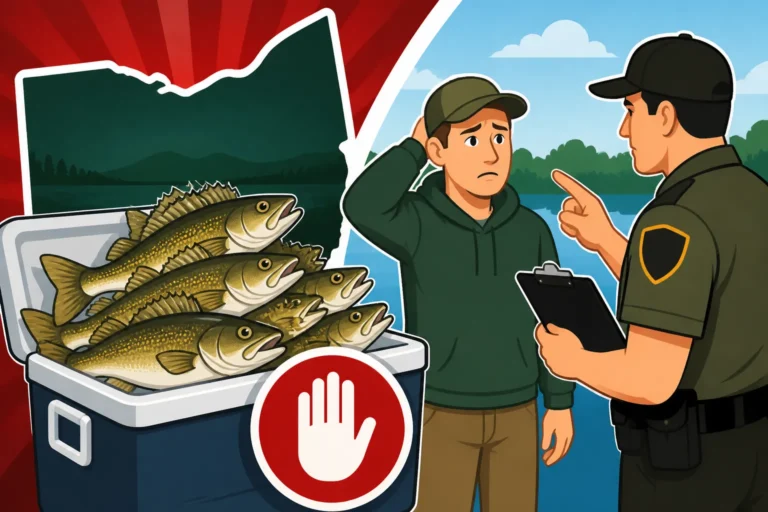
- Allow Inspection: Officers have the right to inspect your catch, fishing gear, and any containers where fish might be stored (coolers, livewells). Cooperate fully with these requests.
- Answer Questions Honestly: Answer any questions truthfully. If you've made an honest mistake, explaining the situation calmly is better than attempting to deceive an officer, which could escalate the situation.
- Understand Your Rights: You have the right to remain silent regarding self-incriminating statements, but you generally must provide identification and comply with inspections. If you are issued a citation, accept it without argument. You will have an opportunity to present your case in court.
A respectful attitude goes a long way. Officers are often more understanding of genuine, accidental errors from cooperative individuals than from those who are belligerent or attempt to hide violations.
Avoiding Costly Mistakes and Protecting Muskie
Nobody wants to face penalties, especially for something as enjoyable as fishing. The good news is that avoiding violations, particularly with muskie, is entirely within your control. It comes down to preparation, knowledge, and responsible angling practices.
Double-Checking Regulations Before You Go
This might sound like a broken record, but it truly is the first and most critical step. Regulations can change, even slightly, from year to year. Don't rely on what you remember from last season or what a buddy told you. Before every muskie trip, take a few minutes to:
- Consult the Official Ohio Fishing Regulations: The Ohio Department of Natural Resources (ODNR) Division of Wildlife publishes a new fishing digest annually. You can find this online as a PDF or pick up a physical copy at many bait shops and ODNR offices. Look specifically for the Ohio Muskie Minimum Length Limit on Inland Lakes and the statewide bag limits.
- Check for Special Regulations: Some specific lakes or reservoirs might have different rules than the statewide standard. Always verify if the body of water you're targeting has any unique regulations. For instance, sometimes a specific lake might have a different length limit for certain species.
- Confirm Season Dates: While muskie generally have a long season, it's good practice to verify effective dates. Our Ohio Fishing Season Dates and Effective Periods guide can help keep you informed.
A quick check can save you hundreds, if not thousands, of dollars and a lot of headaches. It's truly a small investment of time for massive peace of mind.
Best Practices for Catch and Release
Even if you intend to keep a legal-sized muskie, most muskie anglers practice catch and release for the majority of their catches. Proper catch and release techniques are paramount for the survival of these sensitive fish, especially those under the legal limit. A poorly handled muskie might swim away, but could die later from stress or injury.
Here are key tips for responsible muskie catch and release:
- Use Appropriate Gear: Heavy action rods and reels with strong line (50-80 lb braid) are essential to land muskie quickly, minimizing stress on the fish.
- Minimize Fight Time: Bring the fish to the boat as quickly as possible. Prolonged fights exhaust muskie, reducing their chances of survival.
- Use a Large, Rubberized Net: A big, knotless rubber landing net is crucial. It protects the muskie's slime coat and fins much better than traditional knotted nylon nets. You can find excellent options on online retailers like Amazon.
- Keep the Fish in the Water: Whenever possible, keep the muskie in the water while unhooking and measuring. If you must bring it aboard, use a cradle or sling net to support its entire body, never hold it vertically by its jaw or gills.
- Unhook Quickly and Carefully: Have long-nosed pliers, bolt cutters, and jaw spreaders readily available. Remove hooks quickly. If a hook is deeply embedded and cannot be removed easily, cut the line as close to the hook as possible.
- Measure Accurately: Use a reliable measuring board to get an accurate length. Don't guess! Lay the fish flat on the board, pinch the tail, and read the measurement carefully. This is where you confirm if you Can You Keep a 28-Inch Muskie in Ohio?. No, you can't!
- Limit Photo Time: While you want a great photo, keep the fish out of water for only a few seconds. Support its body horizontally with both hands.
- Revive the Fish: If the muskie is lethargic, hold it gently in the water, facing into the current or move it back and forth to force water over its gills until it regains strength and swims away on its own power. Learn more about how to properly How to Revive a Muskie Before Release.
Practicing these techniques ensures that even the fish you release have the best chance of survival, contributing to healthy muskie populations.
Essential Gear for Responsible Muskie Fishing
Having the right tools isn't just about catching muskie; it's about handling them responsibly and adhering to regulations without stress.
- Reliable Measuring Device: A stiff, foldable muskie measuring board is a must-have. Don't rely on a flimsy tape measure that can be inaccurate or hard to use with a thrashing fish. Brands like Musky Shop or Chaos Tackle offer excellent, durable options that are often available on Amazon.
- Large Landing Net: As mentioned, a big, rubberized net is non-negotiable for muskie. Look for one with a hoop size of at least 40 inches. A good quality net is an investment in both your success and the fish's well-being. Consider models from Frabill or Beckman.
- Hook Removal Tools: Long-nose pliers (at least 12 inches), jaw spreaders, and bolt cutters are indispensable. Muskie have sharp teeth and powerful jaws, and these tools allow you to remove hooks safely and quickly for both you and the fish.
- Camera with Quick Access: If you plan on taking photos, have your camera ready to go. Minimize the time the fish is out of water.
This specialized gear not only helps you adhere to regulations by enabling accurate measurements and safe releases but also enhances the overall muskie fishing experience. Investing in quality gear, perhaps even from a reputable online store like Amazon, shows your commitment to responsible angling.
| Violation Type | Typical Penalty (First Offense) | Additional Consequences |
|---|---|---|
| Possession of Undersized Muskie | $150 – $500 fine + court costs | Forfeiture of fish, potential fishing license suspension (1-3 years), possible forfeiture of equipment, criminal record. |
| Exceeding Daily Bag Limit | $150 – $500 fine + court costs | Forfeiture of fish, potential fishing license suspension (1-3 years), possible forfeiture of equipment, criminal record. |
| No Valid Fishing License | $100 – $250 fine + court costs | Immediate requirement to purchase a license or cease fishing, potential for additional fines if combined with other violations. Learn about What Happens If You Fish Without a License in Ohio. |
| Failure to Immediately Release | $100 – $300 fine + court costs | Forfeiture of fish, depending on severity. |
| Repeat Offenses | Significantly higher fines and costs | Extended license suspensions (3+ years, or permanent), higher likelihood of equipment forfeiture, increased scrutiny from wildlife officers, more severe criminal record impact. Also, significant penalties like Penalty for Keeping an Oversized Muskie in Ohio are strictly enforced. |
Remember, this table provides typical ranges. Actual penalties can vary based on specific circumstances and judicial discretion.
Disclaimer
The information provided in this guide is for general informational purposes only and does not constitute legal advice. Fishing regulations in Ohio are subject to change by the Ohio Department of Natural Resources (ODNR) Division of Wildlife. Always consult the most current official Ohio fishing regulations digest or the ODNR website before engaging in any fishing activities to ensure compliance with all applicable laws and rules.