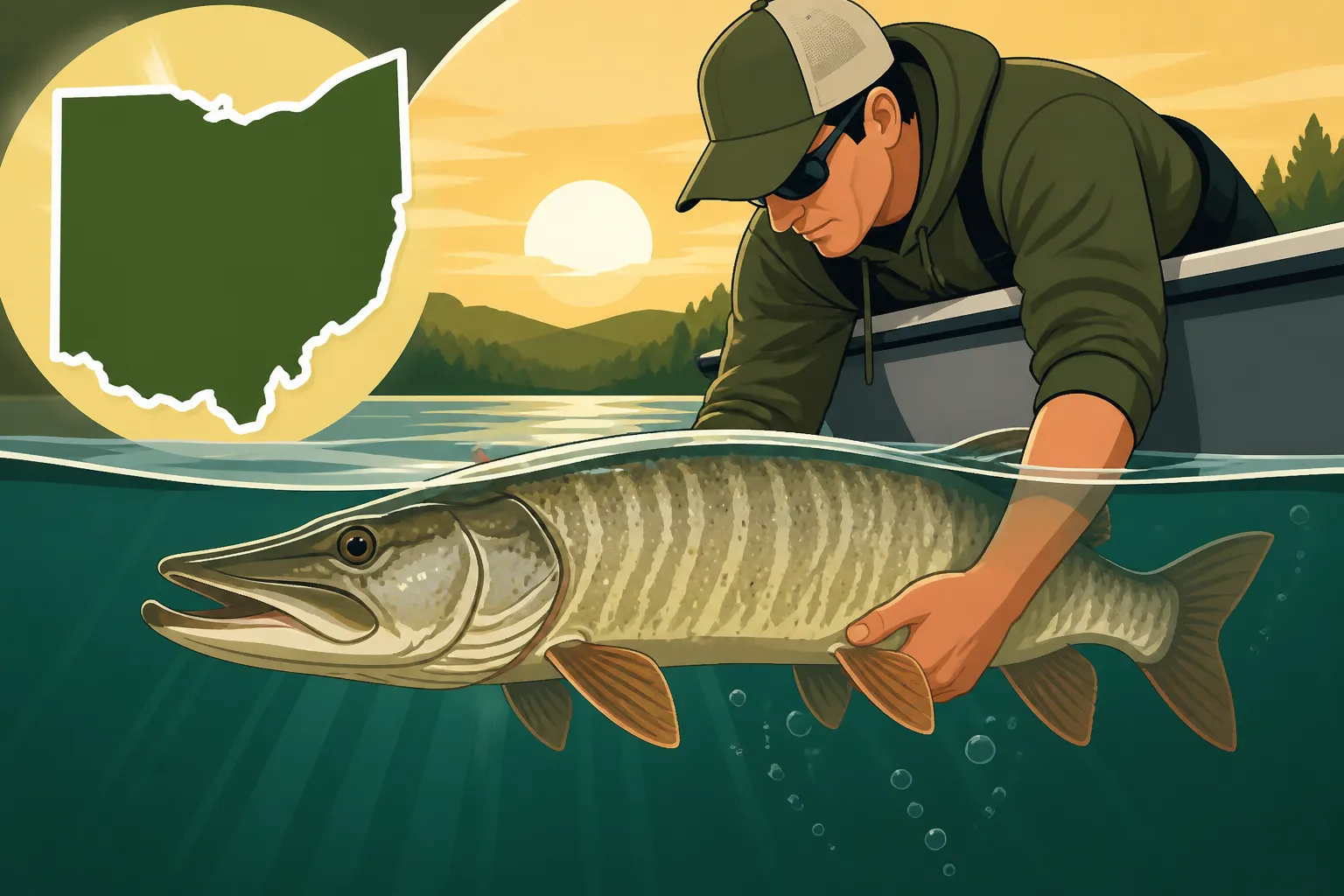
How to Revive a Muskie Before Release
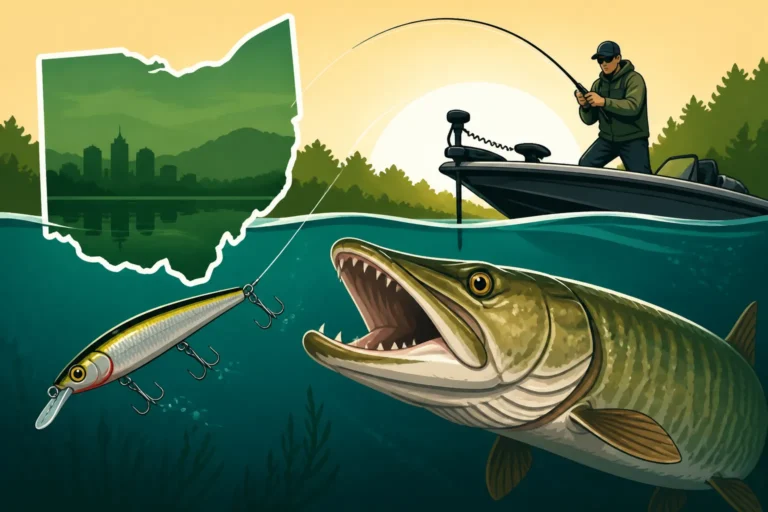
It's a moment every muskie angler dreams of: the violent strike, the intense battle, and finally, the magnificent "fish of 10,000 casts" at the side of the boat. But once you’ve landed that toothy predator, the real challenge often begins: ensuring a healthy release. A muskie, despite its fearsome appearance, is surprisingly delicate, and mishandling can quickly lead to its demise. This guide is here to walk you through the crucial steps and best practices for reviving a muskie, ensuring it swims away strong to fight another day, protecting Ohio's precious trophy fishery.
Why Muskie Revival is So Important for Ohio's Waters
Catching a muskie is an incredible accomplishment, but the responsibility doesn't end when the fish is in your net. These fish are more than just a trophy; they are a vital part of Ohio’s aquatic ecosystems and a testament to dedicated conservation efforts. Ensuring a proper revival and release is paramount to maintaining healthy muskie populations and guaranteeing that future generations of anglers can experience the thrill you just did.
The Muskie's Fragile Nature
Despite their formidable size and powerful physique, muskellunge are surprisingly susceptible to stress and injury during the catch-and-release process. Unlike some other game fish that can shrug off a quick unhooking, muskies can be easily exhausted, especially after a long fight. Their large size, combined with the energy expended in the struggle, can lead to lactic acid buildup in their muscles, which is essentially like a runner cramping up after a marathon, but on an organ-damaging scale. This metabolic stress, if not properly addressed, can prevent the fish from recovering once it's back in the water.
Beyond metabolic stress, their delicate slime coat, gills, and internal organs are vulnerable to damage from improper handling. Dry hands, rough surfaces, or even being held vertically for too long can strip away their protective layer, making them prone to infection, or cause internal damage that isn't immediately visible. It’s a sad reality that some muskies swim away only to perish later due to preventable issues. Our goal, as responsible anglers, is to minimize this post-release mortality as much as possible, especially for such a prized and slow-growing species.
Conservation and Future Generations
Muskellunge are often referred to as "the fish of 10,000 casts" for a reason – they're not always easy to find, and they grow slowly. In Ohio, our muskie fisheries in lakes like Alum Creek, Leesville, and Piedmont are carefully managed through stocking programs and strict regulations. Every muskie, especially the larger, mature females, represents years of growth and is crucial for the genetic health and future success of the population. A healthy release means that fish can continue to grow, potentially spawn, and provide incredible angling opportunities for others down the line.
Thinking about the long game, responsible catch and release practices are fundamental to the sustainability of this sport. If we don't take the time to revive these magnificent creatures properly, we risk depleting the very resource we cherish. It's about respecting the fish and the privilege of pursuing them. Our actions today directly impact the quality of fishing for our children and grandchildren. Education and adherence to best practices, as outlined in this guide and resources like the Ohio Muskie Fishing Guide, are cornerstones of muskie conservation.
Recognizing a Stressed Muskie
Before you even think about releasing a muskie, you need to be able to tell if it's had a tough fight and needs some extra TLC. Just like a person might show signs of exhaustion, a muskie will give you visual cues that it's feeling the strain. Missing these signs can mean the difference between a successful release and a fish that struggles to survive.
Signs of Distress
When you're holding a muskie in the water, pay close attention to its behavior. A healthy muskie, ready for release, will typically try to orient itself upright, perhaps giving a strong kick of its tail. A stressed muskie, however, will often exhibit several tell-tale signs:
- Loss of equilibrium: This is one of the most obvious indicators. If the fish is listing to one side, upside down, or struggling to hold itself upright in the water, it's definitely in distress. It simply doesn't have the energy to right itself.
- Lack of fin movement: Healthy fish will gently fan their fins to maintain balance and oxygen flow over their gills. A tired muskie's fins might be limp or show very little movement.
- Gasping or heavy breathing: While it's hard to see "gasping" like a human, you might notice rapid gill movements or extended periods where the gill covers are flared open more than usual. This indicates it's trying desperately to get more oxygen.
- Unresponsive or sluggish: A muskie that's just limp in your hands, not reacting to gentle nudges, or feels "dead weight" is a clear sign it's exhausted. It lacks the natural fight or flight response.
- Mucus or slime coat disruption: Excessive slime loss, or patches where the slime appears rubbed off, can indicate stress and improper handling, making the fish more vulnerable to infection.
If you observe any of these signs, your muskie needs a dedicated revival effort. Don't rush the process; the fish's life depends on your patience.
Common Stressors During a Catch
Understanding why a muskie gets stressed can help you prevent it in the first place. The primary stressors usually occur during the fight and subsequent handling:
- Extended Fight Times: Long battles, especially on light tackle, exhaust muskies severely. While it's tempting to use lighter gear for the sport, matching your tackle to the potential size of the muskie can help shorten the fight, especially when you're targeting big fish that often grow fast in places like Lake Erie or some of Ohio's inland lakes. If you're using appropriate gear, you can land the fish quicker, minimizing the physiological strain.
- Warm Water Temperatures: Muskies are cold-water fish, and fishing for them in warm summer water (especially above 75 degrees Fahrenheit) significantly increases stress and post-release mortality. The oxygen content in warmer water is lower, making it harder for a stressed fish to recover. Many dedicated muskie anglers cease fishing for them in peak summer heat for this reason.
- Air Exposure: Any time a muskie is out of the water, it's holding its breath, and its delicate gills can be damaged. Prolonged air exposure, especially for pictures, is incredibly detrimental. Even a few seconds too long can make a difference. The more air time, the less likely a full recovery.
- Improper Handling: Lifting a muskie vertically by the head or tail, allowing it to flop on the boat deck, or gripping it tightly with dry hands are all major stressors. These actions can damage internal organs, strip the protective slime coat, or cause spinal injuries. Always support the fish horizontally and keep your hands wet.
By being mindful of these stressors, you can modify your angling practices to reduce the impact on the fish. From using the right gear to minimizing air time, every little bit helps in ensuring a healthy release and contributing positively to the overall muskie population.
Step-by-Step Muskie Revival Techniques
Okay, you've landed your muskie, admired its beauty, maybe snapped a quick, responsible photo, and now it's time for the most important part: the revival. This isn't just about tossing it back; it's an active, hands-on process that gives the fish the best chance at survival.
The Water Release Method
This technique is often the first step, and it's all about getting oxygen flowing back through the fish's gills.
- Keep the Fish in the Water: First and foremost, never remove the muskie from the water unless absolutely necessary for a quick photo (and even then, only for seconds, not minutes). If you're in a boat, keep it submerged in the net. If you're on shore, find a shallow, calm spot where you can gently cradle the fish.
- Support Horizontally: With both hands, gently support the muskie horizontally. One hand should be supporting its belly/chest area, and the other can lightly grasp the base of its tail or support its body. Never hold it vertically by the jaw or tail, as this can cause severe internal damage, especially to such a long, heavy fish.
- Ensure Water Flow Over Gills: The goal is to get oxygenated water moving over its gills. If you're in a moving boat, you can slowly move forward, allowing water to flow naturally through the gills. Maintain a very slow idle speed, just enough to create a gentle current. If you're shore fishing or in a stationary boat, you can gently move the fish back and forth in the water. The key here is forward movement, mimicking how a fish swims. Don't pump it up and down like an old-fashioned hand pump; this can actually damage the gills.
- Observe for Recovery: Continue this gentle forward movement, keeping a close eye on the muskie. You're looking for those signs of recovery: the fish righting itself, fanning its fins, and eventually, a strong kick of its tail. This process might take anywhere from a few minutes to 15-20 minutes, depending on the length of the fight and water temperature. Be patient. Don't release until the fish is actively resisting your hold and swims away on its own power. Sometimes, a gentle nudge will cause it to give a strong tail kick – that's often a good sign it's ready.
Remember, if you need to unhook it, keep it in the water or use a proper release tool like long-nose pliers or jaw spreaders. Avoiding any air exposure during this critical phase is key.
The "Figure-Eight" Revival
Sometimes, a fish is truly exhausted, and simply holding it in place with water flowing isn't quite enough. This is where the "figure-eight" or "prop wash" method comes in handy, especially when boat fishing.
- Prepare the Boat: With the muskie still supported horizontally in the water (ideally in a large, rubberized net that prevents fin damage), position your boat so that the muskie's head is near the prop wash.
- Gentle Prop Wash: Engage your boat's motor at a very, very slow idle speed, just enough to create a gentle current. Do not rev the engine, as a strong prop wash can harm the fish. The idea is to create a constant, gentle flow of oxygenated water over the gills without the need for you to manually move the fish. The prop wash is often richer in oxygen due to aeration, which can be beneficial.
- Observe and Support: Continue to support the muskie, ensuring it stays upright and its head is in the gentle current. Again, watch for those critical signs of revival: fin fanning, steady equilibrium, and strong tail kicks. The prop wash helps push water through the gills more efficiently than manual back-and-forth motion.
- The Figure-Eight Motion (Optional but Effective): While using the prop wash, some anglers also gently move the muskie in a figure-eight pattern. This slight movement further simulates swimming, helping to work fresh water over the gills and potentially aiding in muscle recovery. It’s a subtle motion, not a vigorous one.
- Release When Ready: Just like with the water release method, wait until the muskie is vigorously resisting your hold and swims away with authority. A premature release might see the fish float belly-up moments later, a devastating sight for any angler. When the muskie is actively trying to pull away from your grip and gives a powerful thud with its tail, it’s signaling its readiness.
This method, often taught by experienced muskie guides, is a powerful tool in your catch-and-release arsenal. It’s particularly effective for large fish that have expended a lot of energy. This deep understanding of muskie behavior is also why guides are so important for learning techniques like How to Revive a Muskie Before Release.
Special Considerations for Big Fish
Trophy muskies, those truly enormous specimens, require even more care and attention during the revival process. Their sheer size and weight mean they're more susceptible to internal damage and exhaustion.
- Dedicated Team Effort: If you're fishing with a partner, designate one person to manage the boat (if applicable) and prop wash, and the other to focus entirely on the fish. This division of labor ensures that the muskie receives undivided attention. For a truly massive fish, two people might be needed to support its weight properly in the water.
- Extended Revival Time: Expect to spend more time reviving a trophy muskie. A 50-inch plus fish might need 20-30 minutes, or even longer, especially if the water is warm or the fight was prolonged. Do not rush this. Your patience is the muskie's best chance. A big muskie represents years of growth, as detailed in articles like Muskie Growth Rate in Ohio Lakes, and deserves every effort you can give it.
- Minimizing Air Exposure to Zero: For true giants, try to keep them fully submerged or with only their head briefly breaking the surface, even for photos. If a photo is desired, hold the fish horizontally, completely out of the water, for an absolute maximum of 5-10 seconds. This means having the camera ready, shot framed, and everything rehearsed before the fish ever leaves the water. Think about practicing with a smaller fish or even a prop. Every second counts, and dry hands are a huge no-no.
- Large, Rubberized Landing Nets: A proper net is essential for large muskies. It helps contain the fish without damaging its fins or slime coat and keeps it in the water. Look for large, cradle-style nets with rubberized mesh, which are much gentler than traditional nylon mesh. These can be found on sites like Amazon. Using the right gear helps you maintain control and minimizes direct contact with the fish’s body.
- Listen to the Fish: Sometimes, even after a long revival, a very large fish might simply not be ready. If you release it and it starts to list or float, gently net it again and restart the revival process. It's better to spend another 10-15 minutes than to have a magnificent fish perish unnecessarily. They will tell you when they're truly ready with that powerful tail kick.
Essential Gear for Responsible Muskie Anglers
Having the right tools at your disposal is just as important as knowing the techniques. The gear you use can significantly reduce stress on the muskie and make the catch-and-release process smoother and safer for both you and the fish.
Landing Nets and Release Tools
When it comes to landing and handling a muskie, certain tools are non-negotiable for the responsible angler.
- Large, Rubberized Landing Net: Forget your bass net. For muskies, you need a net that's specifically designed for them. Look for a large hoop size and a deep, rubberized mesh. The rubber coating helps protect the fish's delicate slime coat, prevents fins from getting tangled, and makes it easier to remove hooks. A good muskie net should be large enough to cradle most of the fish's body, keeping it secure and calm in the water. Many reputable fishing brands sell excellent muskie nets, and you can find a wide selection on platforms like Amazon. Having a high-quality net, as discussed in Best Landing Net for Ohio Muskie Fishing, is the first line of defense against undue stress.
- Long-Handled Hook Removers/Pliers: Muskies have formidable teeth, and trying to reach a deeply set hook with your fingers is a recipe for injury. Invest in a pair of long-handled pliers or, even better, a specialized hook remover designed for toothy critters. These tools allow you to quickly and safely extract hooks while minimizing your hand's proximity to those sharp choppers, and more importantly, minimizing the fish's time out of the water or struggling in the net.
- Jaw Spreaders: For deeply hooked fish, especially when the lure is in the "danger zone" of the gill arches, jaw spreaders are invaluable. They keep the muskie's mouth open, giving you a clear view and access to the hook. Always use them carefully and only when necessary, ensuring they are not forcing the jaw unnaturally wide or causing injury. Again, these are readily available on Amazon and other fishing tackle sites.
- Heavy-Duty Bolt Cutters: This might sound extreme, but sometimes, a hook is so deeply lodged or tangled in the gills that removing it cleanly is impossible without causing more damage. In such rare cases, it's far better to cut the hook shank with bolt cutters than to struggle and tear up the fish's vital organs. This allows you to release the fish quickly, and the hook will eventually rust out. This is a last resort, but a critical one for truly ethical release.
Keeping Your Hands Wet
It sounds simple, but keeping your hands wet whenever you touch a muskie is a game-changer. The protective slime coat on a fish is essential for its health, acting as a barrier against parasites, bacteria, and fungi.
- Protecting the Slime Coat: Dry hands, gloves with abrasive textures, or rough boat surfaces can strip away this vital slime coat, leaving the fish vulnerable to infection. Think of it like stripping off a human's skin – it leaves them exposed and prone to illness.
- Reduced Friction: Wet hands also provide less friction, allowing you to handle the fish more smoothly and reduce the chance of accidentally rubbing off its protective layer. Before you even touch the fish, dunk your hands in the lake or river.
- Safe Gripping: While handling, especially for a quick photo, ensure your hands are thoroughly wet. If you need a firm grip on the tail to stabilize it, your hand should still be wet. Some anglers even suggest wearing specialized handling gloves that are designed to retain moisture and provide grip without damaging the slime. When you're dealing with big fish, this seemingly small detail can make a huge difference in their post-release survival. Remember, the goal is always to minimize direct contact with the fish’s body and get it back into the water as quickly and safely as possible.
What NOT to Do When Releasing a Muskie
Just as important as knowing what to do is understanding what not to do. Many common mistakes, often made with good intentions, can severely jeopardize a muskie's chances of survival after release. Avoiding these pitfalls is crucial for responsible angling.
Avoiding Common Mistakes
It's easy to get caught up in the excitement of landing a muskie, but staying disciplined during the release is paramount.
- No Vertical Holds: This is perhaps the most critical rule for muskie. Never, ever hold a muskie vertically by the gill plate, jaw, or tail. Their long, heavy bodies are not designed to support their weight in this position, and it can cause severe internal organ damage, rupture blood vessels, or even break their spine. Imagine lifting a heavy, wet noodle straight up from one end; it's going to stretch and tear. Always support the fish horizontally, using two hands, one under the belly and one near the tail, keeping its body parallel to the water surface. This distributed support is vital for large fish.
- Don't Drop the Fish: Allowing a muskie to flop around on the boat deck, hit the gunwale, or fall from your hands is extremely harmful. The impact can cause internal bruising, scale loss, or even brain damage. Always keep the fish in the net until you're ready to unhook it, and if it must come out for a quick photo, do so gently and deliberately. This is why having a large net and practicing your handling routine is so important.
- Avoid Excessive Squeezing: When trying to control a feisty muskie, it's tempting to squeeze tightly. However, this can crush internal organs or damage its delicate musculature. Use a firm but gentle grip, letting the net do most of the work to contain the fish. If you need to manipulate the fish for unhooking, apply pressure only as necessary and always support its weight properly.
- Do Not Drag on Rough Surfaces: Never drag a muskie over gravel, rocks, or even the rough carpet of a boat deck. This instantly removes its protective slime coat and can abrade its skin, creating open wounds that are highly susceptible to infection. Keep the fish submerged in its net or on a wet, smooth surface like a release mat specifically designed for fish.
These common mistakes, born from inexperience or excitement, are easily avoidable with a bit of forethought and the right tools. Your attention to these details directly impacts the muskie's fate.
The Dangers of "Hero Shots"
We all want that amazing photo of our trophy catch, and there's nothing wrong with celebrating a beautiful muskie. However, the pursuit of the "hero shot" often leads to practices that are detrimental to the fish's survival.
- Extended Air Exposure: The biggest danger with hero shots is prolonged air exposure. Every second a muskie is out of the water is a second it's not getting oxygen. The longer it's out, the greater the stress and the lower its chance of survival. A true hero shot minimizes air time to mere seconds. This means having your camera ready, the shot framed, and the person taking the photo prepared before the fish ever leaves the water.
- Improper Support for Photos: Often, in the quest for an impressive photo, anglers will hold the fish in unnatural or damaging positions. This includes vertical hangs, supporting only one end of the fish, or letting the fish flop wildly while out of water. Even if it's only for a few seconds, an improperly supported muskie can suffer significant harm. Always keep the fish horizontal, supporting its full weight, and bring it as close to the water as possible, even dipping it back in between shots if needed.
- "Bracing" on the Boat: Allowing a muskie to thrash against the side of the boat or against your leg can cause severe damage. Always maintain control and support. If the fish is too active for a safe photo, forgo the picture and prioritize its release. The memory will be just as vivid, and a healthy fish is a better trophy than a picture of a dead one.
- Prioritizing the Photo Over Revival: Sometimes, anglers are so focused on getting the perfect shot that they neglect the signs of distress the fish might be showing. If a muskie is clearly exhausted, prioritize its revival immediately. The photo can wait, or simply not happen if it jeopardizes the fish's life. A strong revival process, as discussed in How to Revive a Muskie Before Release, should always come first.
Remember, the true testament to a responsible angler isn't just the fish they catch, but the healthy ones they release. By understanding and avoiding these common pitfalls, you become a better steward of Ohio's fantastic muskie fishery. We're all in this together to protect these incredible fish for generations to come.
Planning for a Successful Muskie Release
A successful muskie release isn't something that just happens; it's the culmination of preparation, proper technique, and a respectful mindset. By planning ahead, you can minimize stress on the fish and ensure it swims away strong.
Preparing Your Release Station
Before you even make your first cast, especially when targeting such a hard-fighting species like a muskie, you should have your release station ready. This proactive approach saves precious time when every second counts for the fish's health.
- Designate a Spot: In your boat, identify a clear, unobstructed area where you can manage the fish in the net. This spot should be easily accessible, ideally near the water line, and free of tackle, ropes, or other hazards that could entangle the fish or your tools. Think about how you'll maneuver the net and the fish without unnecessary lifting or struggling.
- Organize Your Tools: Have all your muskie release tools—your large, rubberized net, long-handled pliers, jaw spreaders, and bolt cutters—easily accessible and within arm's reach. Don't waste time rummaging through tackle boxes when you have a live, thrashing muskie in the net. Keep them in a bucket or secured holder right where you'll need them. Some anglers even keep a small spray bottle of water nearby to keep their hands and the fish wet, as discussed in this guide.
- Clear the Deck: Before the fight even begins, ensure the boat deck is clear of any items that could interfere with the landing or release. Snagging a lure on an errant towel or tripping over a cooler can lead to dropped fish or injury to yourself. A clean deck is a safe deck for both angler and muskie.
- Practice Your Routine: If you're new to muskie fishing or bringing a new fishing buddy, take a few minutes to walk through your catch-and-release routine without a fish. Who handles the net? Who grabs the pliers? Who preps the camera? A smooth, coordinated effort dramatically reduces stress on the fish and gets it back in the water quicker. This also helps you quickly differentiate between an Ohio Muskie vs Northern Pike Identification if you happen to catch the latter.
Having a well-thought-out plan for your release station means that when that moment finally arrives, you can act quickly and efficiently, putting the muskie's well-being first.
The Mindset of a Responsible Angler
Beyond the tools and techniques, a crucial element of successful muskie release is adopting the right mindset. This isn't just about following rules; it's about a deep respect for the fish and the environment.
- Prioritize Fish Health Over the Trophy Shot: As discussed, the desire for an epic photo is strong, but the muskie's health must always come first. If the fish is severely stressed, forego the photo. A healthy release is the ultimate trophy. Celebrate the catch in your mind, knowing you did right by the fish.
- Patience is Key: Muskie revival takes time, especially for larger specimens or in warmer water. Don't rush it. Resist the urge to quickly toss the fish back if it's still showing signs of distress. Your patience in the moments after the catch directly correlates with the muskie's chances of survival. It might take 15-20 minutes of gentle fanning or prop wash, and that's perfectly normal.
- Learn and Adapt: Every fishing situation is different. Pay attention to how the fish responds to different revival techniques. Learn from each experience. Observe water temperatures, fight times, and how different muskie behave. The more you learn, the better you become at ensuring a healthy release. Consider reading articles like Ohio Fishing Season Dates and Effective Periods to understand optimal fishing times for muskie and other species, which can indirectly help reduce stress.
- Lead by Example: Share your knowledge and practices with other anglers. Be an advocate for responsible catch and release. Encourage others to use proper tools and techniques. The muskie fishery in Ohio is a precious resource, and protecting it is a community effort. By demonstrating best practices, you inspire others to do the same, contributing to the overall health and future of these magnificent fish in our lakes and rivers.
Conclusion
Releasing a muskie properly is just as much a part of the angling experience as catching it. It's an act of respect, conservation, and dedication to the future of our fisheries. By understanding the muskie's delicate nature, recognizing the signs of stress, employing effective revival techniques like the water release or figure-eight method, and arming yourself with the right gear, you contribute directly to the health of Ohio's muskie populations. Remember to always prioritize the fish's well-being over a momentary photo, keep your hands wet, and be patient during the revival process. When that magnificent muskie gives a powerful kick and swims away into the depths, you'll know you've done your part to ensure its survival, and that, my friend, is the greatest trophy of all.
Disclaimer
This article is for general informational purposes only and does not constitute professional advice. Laws, prices and regulations vary by location and change over time. Consult a qualified professional for guidance on your specific situation.