Lake Erie Fishing Regulations in Ohio
There's nothing quite like the thrill of fishing on Lake Erie, is there? The sheer size of it, the incredible walleye and perch populations – it’s an angler's paradise. But let's be honest, trying to keep track of all the rules and regulations can sometimes feel like trying to untangle a particularly nasty line snarl. It’s frustrating when you just want to enjoy your time on the water without worrying about accidentally breaking a rule. That's why I've put together this comprehensive guide to help you navigate the specific Lake Erie fishing regulations in Ohio, so you can focus on reeling in that next big catch with confidence.
Understanding Ohio's Fishing Licenses for Lake Erie
Before you even think about dropping a line into the vast waters of Lake Erie, the very first thing you need to make sure you have squared away is your fishing license. It might seem obvious, but the nuances of who needs one, what kind to get, and where to buy it can sometimes trip people up. Trust me, you don't want to be caught on the water without the proper credentials – it can quickly turn a peaceful day into a costly one.
Who Needs a License and Who is Exempt
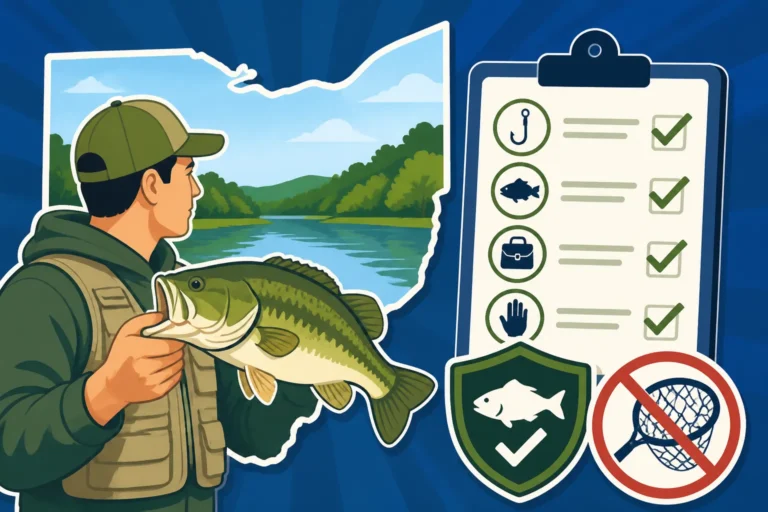
Generally speaking, if you're 16 years of age or older and plan to fish in Ohio's public waters, including Lake Erie, you need an Ohio fishing license. This isn't just a suggestion; it's a legal requirement designed to help fund conservation efforts and manage fish populations, ensuring that Lake Erie remains a thriving fishery for generations to come. It’s a small investment with a big impact. There are, however, some specific exemptions. For instance, children under 16 years of age are not required to have a fishing license. This is fantastic for families, making it easier to introduce youngsters to the joys of fishing without an extra financial burden. Also, certain landowners fishing on their own private ponds, or those participating in Ohio's free fishing days, are exempt. It’s always a good idea to check the official Ohio Department of Natural Resources (ODNR) website or their annual fishing regulations booklet, which you can often find at local bait shops or even order online from retailers like Amazon, to confirm any specific exemptions that might apply to your situation, especially if you think you fall into a unique category. For a general overview, check out our guide on the Ohio Fishing License Guide for Residents and Nonresidents.
Resident vs. Non-Resident Licenses and Their Costs
The type of license you'll need depends on whether you're considered an Ohio resident or a non-resident. This distinction is crucial because the costs can vary significantly. An Ohio resident is typically someone who has lived in the state for at least six consecutive months immediately preceding the application. If you meet this criterion, you'll be eligible for the more affordable resident rates. These licenses come in various durations, from a single day to multi-year options, and even a lifetime license for those truly dedicated to Ohio fishing. For those living outside of the Buckeye State but wanting to experience Lake Erie's bounty, a non-resident license is your ticket. These are generally more expensive but still offer flexible options like a one-day, three-day, or annual license, making it convenient whether you're just passing through or planning an extended fishing vacation. Understanding the specifics of your residency status and the available options is key to purchasing the correct license. You can find detailed information on these costs in our dedicated articles like Ohio Resident Fishing License Cost and Ohio Nonresident Fishing License Cost.
How and Where to Purchase Your License
Gone are the days when you absolutely had to trek to a physical store to get your license. While that's still an option, Ohio has made it incredibly convenient to purchase and renew your fishing license. The easiest and often quickest way is online through the Ohio Department of Natural Resources (ODNR) website. You can purchase your license from the comfort of your home, print it out, or even keep a digital copy on your phone, which is perfectly acceptable as proof. Just imagine, you could be planning your Lake Erie trip, realize your license is expired, and have a new one in minutes! Alternatively, if you prefer a more traditional approach, you can visit any authorized license vendor. This includes most bait and tackle shops, sporting goods stores, and even some county auditors' offices across the state. These places often have knowledgeable staff who can answer any last-minute questions you might have about regulations or local fishing conditions. Always ensure you purchase your license from an authorized vendor to avoid any issues. For a comprehensive look at your purchasing options, refer to our guide on Where and How to Buy an Ohio Fishing License.
Lake Erie Specific Bag and Size Limits for Key Species
Lake Erie is famous for a reason, and a big part of that is its incredible fish populations. But with such popularity comes the need for careful management. The Ohio Department of Natural Resources (ODNR) implements specific bag and size limits for various species in Lake Erie to ensure sustainable fishing for years to come. These limits are absolutely critical to follow, not just because they’re the law, but because they help maintain the health of the fishery. Trust me, nothing ruins a great fishing story faster than a wildlife officer asking to see your cooler and finding an illegal catch.
Walleye Limits: The Crown Jewel of Lake Erie
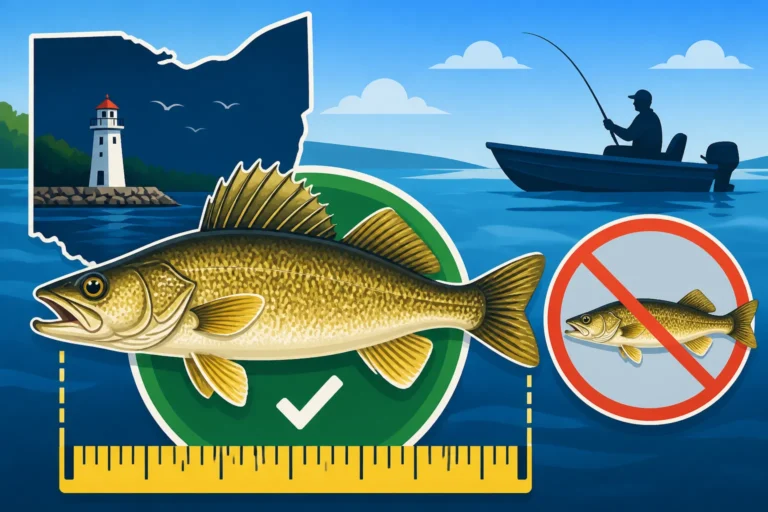
Walleye. Just the name conjures images of epic battles and delicious fillets. Lake Erie is often dubbed the "Walleye Capital of the World," and for good reason! The walleye population here is phenomenal, but it’s also highly managed. The daily bag limit for walleye on Lake Erie can vary throughout the year, often changing with the seasons and population assessments. It’s crucial to know the current daily limit before you head out. Typically, there's also a minimum size limit. This means any walleye you catch that doesn't meet this minimum length must be immediately and carefully released back into the water. The reasoning behind this is to allow younger fish to grow to maturity and contribute to spawning, ensuring future generations of walleye. These limits are updated annually, so always double-check the most current regulations. For the most up-to-date information, you'll definitely want to consult our article on Lake Erie Walleye Bag Limits. These details are often published in the annual Ohio Fishing Regulations booklet, available at local tackle shops or for purchase online, sometimes even via platforms like Amazon.
Yellow Perch Limits: A Panfish Favorite
If walleye are the kings of Lake Erie, then yellow perch are definitely the beloved commoners. These tasty panfish offer incredible action, especially for family outings or when the walleye bite is slow. However, yellow perch regulations on Lake Erie are a bit unique because they often involve different bag limits depending on which zone of the lake you are fishing in. Lake Erie is divided into three zones – Western, Central, and Eastern – each with potentially different daily bag limits for yellow perch. This zonal approach is based on varying population densities and fishing pressures across the vast lake. For example, the Western Basin, known for its shallower, warmer waters, might have different limits than the deeper, cooler Central Basin. It's vital to know your location on the lake and the corresponding perch limits. Just like with walleye, there’s usually a minimum size limit to protect juvenile fish. Always be sure to identify your location and adhere to the specific limits for that zone to avoid any issues. Our guide on Lake Erie Yellow Perch Zone Limits provides a detailed breakdown of these zonal rules.
Smallmouth Bass and Other Game Fish Regulations
While walleye and perch often steal the spotlight, Lake Erie also boasts an impressive smallmouth bass fishery, especially around rocky structures and the islands. Smallmouth bass are feisty fighters, and catching a trophy smallmouth is a highlight for many anglers. Similar to walleye and perch, smallmouth bass have specific daily bag and minimum size limits. These limits are often designed to protect the population during critical spawning periods and to ensure enough fish reach maturity. Beyond smallmouth, other popular species you might encounter in Lake Erie, such as channel catfish, white bass, and even the occasional steelhead (especially near tributaries), also have their own set of rules. It’s essential to be familiar with the regulations for all species you might target. Carrying a physical copy of the Ohio fishing regulations booklet, or having the digital version readily accessible on your phone, is a smart move. It’s better to double-check a regulation than to face a fine for an unintentional violation.
Here’s a quick overview of some common Lake Erie species regulations, but always consult the current year's official ODNR regulations for the most accurate and up-to-date information:
| Species | Daily Bag Limit (Lake Erie) | Minimum Length Limit (Lake Erie) | Notes |
|---|---|---|---|
| Walleye | Varies seasonally | Varies seasonally | Check current ODNR regulations; often higher bag limits during peak seasons, usually 15 inches minimum. |
| Yellow Perch | Varies by Zone | None | Western Basin: Often 30 fish. Central Basin: Often 30 fish. Eastern Basin: Often 30 fish. Always confirm current zonal limits. |
| Smallmouth Bass | 5 fish | 14 inches | No harvest from May 1 to June 24 in the Lake Erie fishing district. |
| Channel Catfish | No limit | None | |
| White Bass | 30 fish | None | |
| Steelhead Trout | 5 fish (in Lake Erie fishing district) | 12 inches | Specific tributary regulations apply during runs. |
Disclaimer: This table is for general informational purposes and may not reflect current regulations. Always consult the official Ohio Department of Natural Resources (ODNR) fishing regulations for the most accurate and up-to-date information before fishing.
Gear Restrictions and Fishing Methods on Lake Erie
Fishing isn't just about knowing where the fish are and what limits apply; it's also about understanding the rules for how you can catch them. Ohio has specific regulations governing fishing gear and methods, particularly in a large, diverse fishery like Lake Erie. These rules are in place to ensure fair chase, prevent overfishing, and maintain safety on the water. It’s easy to get caught up in the excitement of new tackle or techniques, but a quick check of the regulations can save you a lot of headache.
Line and Hook Regulations: The Two-Pole Rule
One of the most frequently asked questions I hear from fellow anglers, especially those new to Ohio, revolves around how many fishing lines you can use. The general rule in Ohio's public waters, including Lake Erie, is that an angler may use a maximum of two fishing lines at any one time. This "two-pole rule" means you can have two rods and reels actively fishing, whether you're casting from shore, drifting in a boat, or trolling. Each line can be equipped with no more than three hooks, whether those are single hooks, treble hooks, or a combination. So, if you're running a crawler harness with two hooks and a single hook dropper, you're fine, as long as the total doesn't exceed three hooks per line. This regulation helps prevent an individual from monopolizing a fishing spot or over-harvesting fish. It’s important to note that if you have multiple people on your boat, each licensed angler can deploy two lines, significantly increasing your coverage. For more details on this, our article on How Many Fishing Lines You Can Use in Ohio breaks it down completely.
Trolling and Other Common Lake Erie Techniques
Lake Erie is a massive body of water, and certain techniques are particularly effective and popular here. Trolling for walleye, for example, is an absolute staple, especially in the central and western basins. This involves using a boat to pull lures or baits through the water at various depths and speeds. While trolling itself is perfectly legal and incredibly productive, all the general line and hook regulations still apply. You can't just throw out a dozen lines because your boat allows for it; each licensed angler on board is still limited to their two lines. Anglers often use planer boards to spread out their lines, covering a wider swath of water, but this doesn't exempt them from the two-line rule per person. Drift fishing for yellow perch, where you let your boat drift with the wind or current while presenting baits near the bottom, is another common and effective method. Ice fishing, when conditions allow, also has its own set of techniques and regulations, but generally falls under the two-line limit as well. Whatever your preferred method, always ensure your setup adheres to the maximum number of lines and hooks. If you're looking to dial in your trolling game, check out our piece on Trolling for Lake Erie Walleye.
Live Bait and Artificial Lure Rules
When it comes to bait, Ohio fishing regulations are generally quite liberal, allowing for a wide variety of live baits and artificial lures. For walleye and perch on Lake Erie, live bait like minnows, nightcrawlers (often on crawler harnesses), and leeches are incredibly effective and widely used. Artificial lures, ranging from crankbaits and stickbaits to jigs and spoons, are also immensely popular and productive. There aren't many restrictions on the type of bait you can use, with a few important exceptions. The key is to ensure any live bait is legally acquired and, if using species like baitfish, that they aren't invasive species that could harm the ecosystem if released. For example, it's generally illegal to possess or use live emerald shiners (a common Lake Erie baitfish) if they've been transported out of the Lake Erie basin into inland waters, to prevent the spread of diseases or invasive species. Always dispose of unused live bait properly – never release it into a different water body. When buying live bait, especially from local shops near Lake Erie, you can be reasonably confident it's appropriate for use in those waters. Just exercise caution if collecting your own bait or bringing it from a different region.
Important Lake Erie Zones and Seasonal Considerations
Lake Erie is a dynamic fishery, and its vastness means that conditions and fish behaviors can vary significantly from one end to the other. To effectively manage such a large and diverse body of water, the Ohio Department of Natural Resources has implemented specific zoning and seasonal regulations. Understanding these distinctions is paramount for any angler hoping to have a successful and compliant outing. It's not just about what you catch, but also where and when you catch it.
Understanding Lake Erie's Three Perch Zones
As I mentioned earlier, Lake Erie’s yellow perch regulations are unique because the lake is divided into three distinct management zones: the Western Basin, the Central Basin, and the Eastern Basin. This division isn't arbitrary; it reflects the ecological differences and fish population dynamics across the lake. The Western Basin is generally shallower and warmer, known for its extensive spawning grounds and high productivity. The Central Basin is deeper and cooler, transitioning into more open water. The Eastern Basin, which Ohio shares with Pennsylvania and New York, is the deepest part of the lake. Each year, the ODNR reviews scientific data and angler harvest reports to set the daily bag limit for yellow perch in each of these zones. It is not uncommon for the limits to be different from one zone to another, and these limits can also change from year to year. Therefore, it's absolutely critical to know which zone you are fishing in and what the current perch limit is for that specific area. Many marine GPS units will show the approximate boundaries, and up-to-date fishing maps or the official ODNR regulations booklet will clearly delineate these zones. Don't rely on old information; always check the current year's rules, especially for yellow perch.
Walleye Spawning Season and Impact on Regulations
Walleye are undoubtedly the stars of Lake Erie, and their spawning season is a critical time for the health of the fishery. Walleye typically spawn in the spring when water temperatures reach a certain range, usually in shallower rocky areas, often in the western basin or up tributary rivers like the Maumee and Sandusky. While Ohio does not typically implement a closed season for walleye on Lake Erie during their spawning period, it's a time when many anglers shift their focus, and the fish behavior changes dramatically. In some areas or for specific tributaries, there might be temporary restrictions or altered bag limits to protect the spawning population. For example, during the famous Maumee River walleye run, specific regulations often apply to that river system that might differ from the open lake regulations, emphasizing the need to check localized rules. Even without a specific "closed season" on the main lake, many anglers choose to practice catch-and-release more diligently during this sensitive time. It’s always a good idea to stay informed about any seasonal advisories or subtle regulation changes that might coincide with the walleye spawn, as these are often communicated by the ODNR through their website or local news.
Ice Fishing Specific Rules for Lake Erie
When Lake Erie freezes over, it transforms into an entirely different fishing landscape, offering some of the best ice fishing opportunities in the region, particularly for walleye and yellow perch. However, ice fishing on Lake Erie comes with its own set of safety concerns and specific regulations. While the general two-line rule still applies, there are additional considerations. For instance, temporary ice shanties or shelters must be clearly marked with the owner's name and address or customer identification number (CIN) when left unattended after dark. There are also rules about when these shanties must be removed from the ice to prevent them from becoming hazards as the ice melts in the spring. More importantly, ice conditions on Lake Erie can be notoriously unpredictable, changing rapidly due to wind and currents. Always prioritize safety above all else, ensuring the ice is thick enough (a minimum of 4 inches for foot travel, more for ATVs or vehicles) before venturing out. While the core fishing regulations (bag and size limits) remain the same as open-water fishing, understanding the unique ice fishing safety guidelines and equipment rules is essential. For those brave enough to venture onto the hard water, our comprehensive Ohio Ice Fishing Guide provides invaluable information. You can often find specialized ice fishing gear, from augers to shanties, through online retailers like Amazon.
Beyond the Basics: Other Important Lake Erie Rules
While licenses, bag limits, and gear restrictions form the foundation of Lake Erie fishing regulations, there are several other critical aspects that often go overlooked until you encounter a specific situation. These "beyond the basics" rules can make a significant difference in your fishing experience and your compliance with the law. Knowing them can prevent awkward encounters with wildlife officers or unnecessary headaches.
Understanding Lake Erie's Border Waters and Reciprocity
Lake Erie is shared by four U.S. states (Ohio, Michigan, Pennsylvania, New York) and the Canadian province of Ontario. This means that if you're fishing near state lines, or if your boat drifts into another state's waters, you could potentially be subject to their regulations. This can get a little tricky, and it’s a source of frequent frustration for anglers who just want to fish! Generally, your Ohio fishing license is only valid in Ohio waters. There are no blanket reciprocal agreements that allow an Ohio license to be used in, say, Michigan waters without also having a Michigan license, or vice-versa. However, there are often specific agreements for border waters – areas where the state lines are less clear or where navigation is common across boundaries. For Lake Erie, it's safest to assume that if you cross into another state's jurisdiction, you need their license and must adhere to their regulations for that specific water body. Always carry a reliable GPS that shows state boundaries if you plan to fish near them. If you launch from a different state's port, even if you plan to primarily fish Ohio waters, you might need their license to legally transit through their territory. When chartering a boat, the captain will ensure the boat is licensed appropriately, but each individual angler is still responsible for their own personal fishing license.
Special Rules for Specific Lake Erie Locations
Even within Ohio’s portion of Lake Erie, specific locations can sometimes have unique rules. These often apply to areas like state park docks, public fishing piers, or within certain marinas. For instance, some state park areas might have restrictions on certain types of bait, specific fishing hours, or require you to purchase an additional state park permit (though this is rare for general fishing access). Areas like the docks and piers in popular spots such as Port Clinton, Sandusky, or Cleveland often have signs posted with any localized rules. It’s always a good practice to scan for such signage before you cast a line in a new area. Marinas, being private property or managed by specific entities, might have their own rules regarding fishing from their docks, launching points, or specific areas within their boundaries, regardless of state regulations. Always respect private property rules and posted signs. When in doubt, a quick call to the local park office or marina management can clear things up.
Reporting Violations and Wildlife Officer Authority
Wildlife officers, often referred to as game wardens, play a crucial role in enforcing fishing regulations and protecting Ohio's natural resources. These officers have the authority to check your fishing license, inspect your catch (for species, size, and bag limits), and examine your fishing gear. It’s important to be courteous and cooperative if you're approached by a wildlife officer; they are just doing their job to ensure fair and sustainable fishing for everyone. If you witness a fishing violation – perhaps someone is clearly over their limit, fishing illegally, or engaging in harmful practices – you can and should report it. The ODNR provides ways to anonymously report poaching or other violations. This helps maintain the integrity of our fisheries and ensures that everyone is playing by the same rules. Remember, these officers are out there to protect the resources we all enjoy, so respecting their authority and assisting them when necessary is part of being a responsible angler. To understand the potential ramifications of not following the rules, you might want to read about What Happens If You Fish Without a License in Ohio.
Catch and Release Practices and Fish Handling
Fishing isn't always about filling the cooler; sometimes, it's about the thrill of the catch and the satisfaction of releasing a fish to fight another day. Even when you plan to keep your legal limit, proper fish handling is essential for the health of the fish and the quality of your catch. On Lake Erie, where trophy-sized walleye and smallmouth bass are common, understanding and practicing good catch-and-release techniques is more important than ever.
Best Practices for Handling and Releasing Fish
If you intend to release a fish, the goal is to do so with minimal harm, giving it the best chance of survival. This starts from the moment the fish bites. Try to land the fish as quickly as possible to avoid over-stressing it, especially larger species like walleye or bass. Use a proper landing net (rubber-coated nets are best as they protect the fish's slime coat and fins better than knotted nylon). Minimize the time the fish is out of the water; even a minute can be too long, especially on a hot day. When handling the fish, wet your hands first to protect its delicate slime layer, which acts as its primary defense against disease. Support the fish horizontally, especially larger ones, to avoid damaging its internal organs or spine. If using forceps or pliers to remove hooks, do so gently and quickly. Barbless hooks can make this process much easier and are highly recommended for catch-and-release fishing. Avoid "lip locking" bass with vertical pressure, and never drag a fish on rough surfaces. Once unhooked, gently place the fish back in the water, headfirst if possible, and hold it upright until it swims away under its own power. Sometimes, a gentle forward and backward motion can help push oxygen over its gills, aiding in its recovery.
Rules for Culling and Livewells
Culling, the practice of releasing a previously caught fish to replace it with a larger one, is generally permitted in Ohio, but with specific rules, particularly when using a livewell. If you are going to cull, the fish must be kept alive in a livewell that is constantly circulating fresh water to maintain proper oxygen levels. This is critical for the fish's survival. You cannot simply keep fish on a stringer or in a bucket and then decide to release one later if you catch a bigger fish; they must be actively maintained in a livewell. Only legal fish can be held in a livewell for culling; any fish under the minimum size limit must be immediately released. Once you make the decision to cull, the smaller fish must be immediately released back into the water where it was caught. The idea behind these rules is to allow anglers to maximize their legal harvest without unnecessarily harming fish that are ultimately released. Using a measuring board to quickly and accurately measure fish can help you make culling decisions efficiently, minimizing stress on the fish.
Legal Ways to Transport Your Catch
Once you've decided which fish to keep and have adhered to all bag and size limits, you need to know how to legally transport them home. The most common and accepted method is to keep your fish in a cooler with ice. This not only preserves the quality and freshness of the fish but also helps prevent spoilage. When transporting fish, it's generally required that they remain in a condition where their species and length can be determined. For most species, this means keeping them whole until you're off the water or back at your cleaning station. Filleting fish while still on the water or at a boat ramp can sometimes lead to issues if a wildlife officer can't verify that the whole fish met the size and bag limits. Some jurisdictions have specific rules about leaving a "patch of skin" on fillets for identification purposes, though this is less common for general recreational fishing in Ohio unless specifically outlined for certain species. Always consult the current regulations for any species-specific transport requirements. For example, a quality cooler packed with ice, available from retailers like Amazon, is an angler's best friend for maintaining the freshness of their catch on the ride home from Lake Erie.
Consequences of Non-Compliance: Fishing Without a License or Breaking Limits
Let’s be real, nobody wants to get a ticket while they’re out enjoying a day on the water. But unfortunately, ignorance of the law is no excuse, and violating fishing regulations can carry some pretty significant consequences. It's not just about paying a fine; it can affect your fishing privileges and even your reputation. Understanding the potential repercussions is a strong motivator to ensure you're always fishing by the book.
Fines and Penalties for Common Violations
The Ohio Department of Natural Resources takes its conservation mission seriously, and violating fishing regulations can result in various penalties. The most common violations include fishing without a valid license, exceeding the daily bag limit, or keeping undersized fish. Fines for these infractions can range from moderate to substantial, depending on the severity and frequency of the violation. For example, a first offense for fishing without a license might incur a fine of several hundred dollars, plus court costs. Repeated offenses or more egregious violations, such as grossly exceeding bag limits or catching protected species, can lead to much higher fines, confiscation of fishing gear, and even potential jail time in serious cases. Beyond monetary fines, one of the most impactful penalties for an avid angler can be the suspension of fishing privileges. This means you could be prohibited from purchasing a fishing license for a certain period, effectively banning you from the waters you love. For more specific details on what you might face, our article on the Ohio Fine for Fishing Without a License can provide some clarity. It's truly not worth the risk when a license is so easily obtainable.
The Importance of Knowing the Rules
It might sound like a broken record, but knowing the rules isn't just about avoiding a ticket; it's about being a responsible steward of our natural resources. The regulations, whether they involve bag limits, size restrictions, or gear specifications, are all put in place for a reason. They're based on scientific data and aimed at managing fish populations sustainably, protecting spawning grounds, and ensuring the long-term health of fisheries like Lake Erie. If everyone ignored the rules, the incredible walleye and perch populations we enjoy today could rapidly decline, impacting future generations of anglers. Think of it as investing in the future of fishing. By taking the time to understand the annual Ohio Fishing Regulations booklet (which, again, you can often find a current copy of on Amazon or at your local bait shop) and adhering to them, you’re contributing to the conservation efforts that make Ohio one of the best fishing destinations in the country. It’s a shared responsibility among all of us who love to cast a line. For a broad understanding, make sure to read Ohio Fishing Regulations Every Angler Should Know.
How to Avoid Accidental Violations
Sometimes, even with the best intentions, it's possible to accidentally run afoul of the regulations. The best way to avoid these unintentional slips is to be proactive and prepared. First, always purchase your license before you go fishing and keep it with you, either physically or digitally on your phone. Second, always review the most current Ohio fishing regulations for the year, especially before fishing a new body of water or targeting a new species. Regulations can change annually, so don't rely on memory from last year. Keep a measuring tape or ruler handy in your tackle box to quickly check fish lengths, and a small scale can help with weight limits if applicable. Double-count your fish frequently to ensure you're within the bag limit. If you're fishing with children or multiple anglers, clearly communicate the rules and keep track of everyone's catch. If you find yourself in a situation where you're unsure about a rule, err on the side of caution. It's always better to release a fish or ask for clarification than to risk a violation. By taking these simple steps, you can ensure your Lake Erie fishing adventures are not only productive but also compliant and worry-free.
Disclaimer
Please remember that fishing regulations, bag limits, and licensing requirements can change. While I strive to provide the most accurate and up-to-date information, it is always your responsibility as an angler to consult the official Ohio Department of Natural Resources (ODNR) fishing regulations and advisories for the current year before engaging in any fishing activities. This article is for informational purposes only and should not be considered a substitute for the official legal regulations.