Ohio’s Lake Erie Yellow Perch Grounds
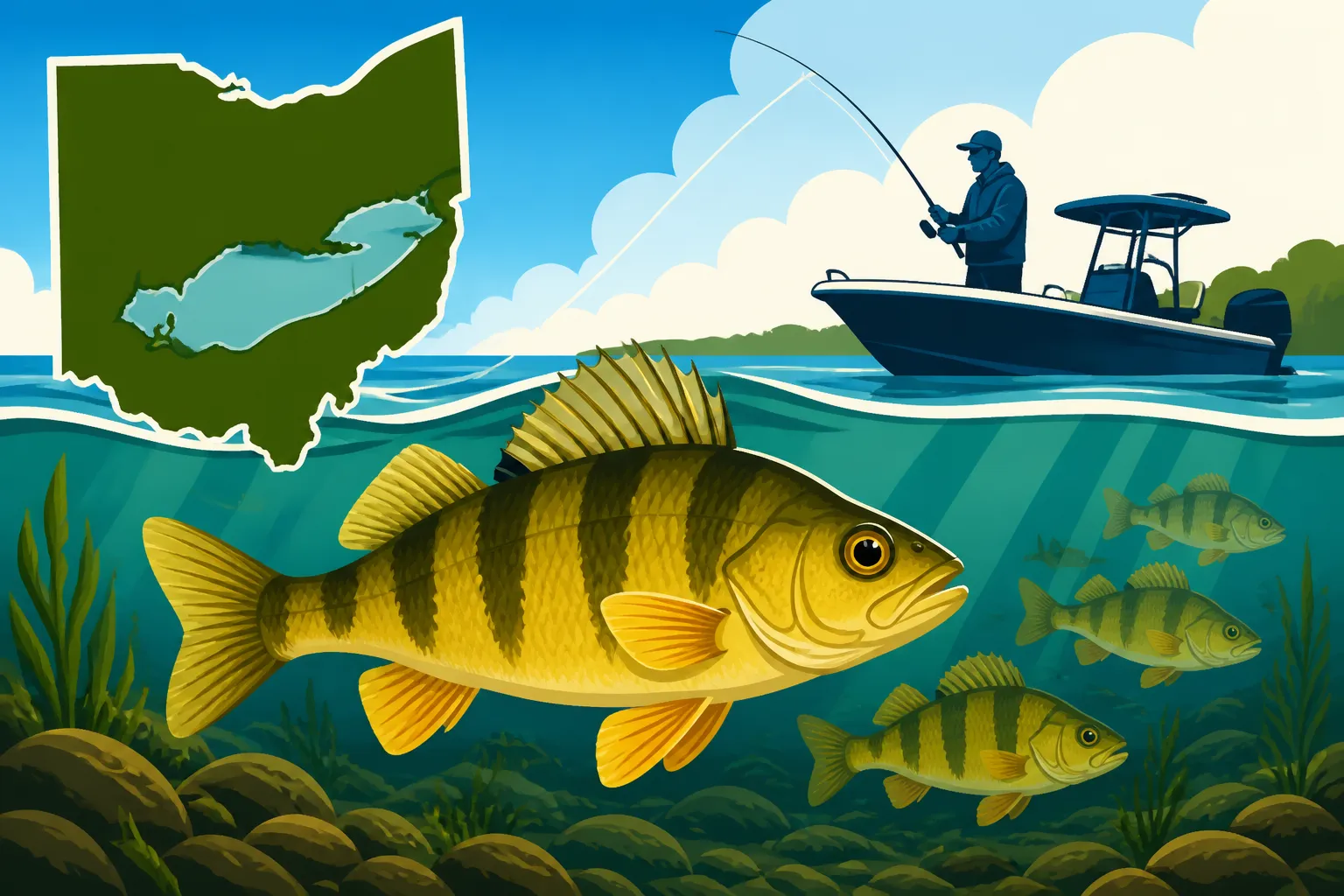
Trying to find those prime yellow perch grounds on Lake Erie can feel like searching for a needle in a haystack, especially with a body of water so vast and diverse, spanning three distinct basins in Ohio. Many anglers spend countless hours just trying to locate the schools, often coming up empty-handed. This comprehensive guide will demystify Lake Erie's yellow perch habitats, pinpoint the best fishing locations across its distinct basins, and equip you with the knowledge to consistently fill your cooler with these delicious panfish.
The Irresistible Appeal of Lake Erie Yellow Perch Fishing
There's just something incredibly satisfying about a day spent reeling in plump yellow perch on Lake Erie. For many Ohio anglers, it's a rite of passage, a tradition, and a dependable way to stock the freezer with some of the best-tasting freshwater fish around. But beyond the delectable fillets, there's a unique charm to perch fishing that keeps people coming back year after year.
Why Perch Hold a Special Place in Anglers' Hearts
Yellow perch aren't just a fish; they're a cornerstone of Ohio's angling culture. They offer a fantastic blend of accessibility, consistent action, and culinary delight. Unlike some of Lake Erie's more elusive trophies, perch are often found in large schools, meaning when you find one, you're likely to find many. This makes them an ideal target for anglers of all skill levels, from seasoned veterans to families introducing kids to the joys of fishing. The light tackle, the quick bites, and the vibrant flash of their golden-yellow bodies make every catch exciting. Plus, the community aspect of perch fishing, often shared with friends and family, creates lasting memories and stories that are retold for years.
Imagine a crisp autumn morning, the boat drifting slowly over a submerged reef, and suddenly, rods start twitching all around. That rapid-fire action, the steady pull of a decent-sized perch, and the anticipation of what the next drop will bring – it’s an experience that truly embodies the simple pleasures of fishing. For those looking to introduce someone new to the sport, perch provide an excellent entry point due to their cooperative nature and the sheer numbers you can often encounter. It's truly a species that brings smiles and full coolers.
The Incredible Ecosystem Sustaining Lake Erie's Perch
Lake Erie isn't just a big lake; it's a dynamic, incredibly productive ecosystem, particularly when it comes to supporting a robust yellow perch population. The lake's relatively shallow western and central basins, combined with nutrient-rich inflows from rivers like the Maumee, Sandusky, and Detroit, create an ideal environment for perch. These areas boast vast expanses of soft bottom, broken up by rocky reefs, submerged structures, and dense weed beds – all prime habitat for perch and their prey.
The key to Lake Erie's perch success lies in its immense forage base. Small invertebrates, insect larvae, and juvenile baitfish like emerald shiners and gizzard shad provide a constant buffet for growing perch. This abundant food supply allows perch to grow quickly and reach impressive sizes, often referred to as "jumbo perch." The lake's annual turnover and strong currents also help oxygenate the water and distribute nutrients, maintaining a healthy environment. Understanding this rich, fertile environment helps anglers grasp why Lake Erie continues to be a world-class yellow perch fishery, year in and year out.
Deconstructing Lake Erie's Yellow Perch Zones and Their Distinct Personalities
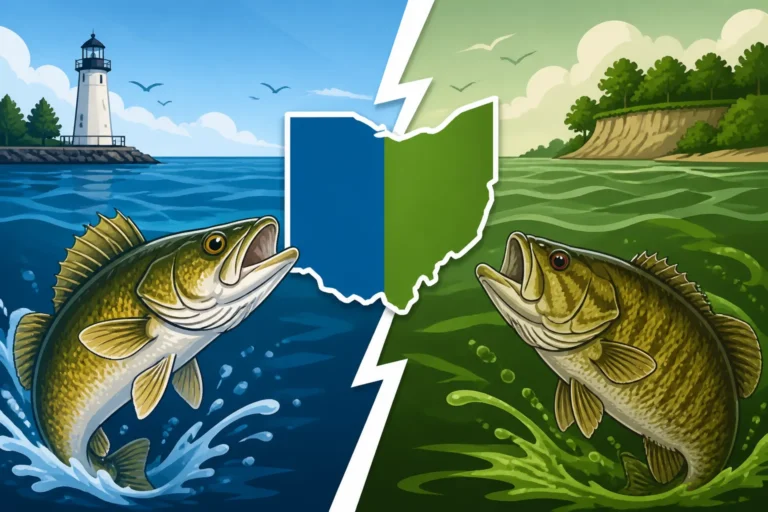
Lake Erie is often informally divided into three basins – Western, Central, and Eastern – each with its own unique characteristics, depths, and, consequently, its own flavor of yellow perch fishing. While perch can be found throughout the Ohio waters of the lake, understanding these distinctions is crucial for targeting them effectively.
The Western Basin: A Perch Factory
The Western Basin, often considered the shallowest and warmest part of Lake Erie, is arguably its most famous "perch factory." Extending from Toledo east to a line roughly drawn between Sandusky and Pelee Island, this basin is a diverse underwater landscape of expansive mudflats, rocky reefs, and numerous islands. Its average depth is only about 24 feet, which contributes to quicker warming in spring and summer, and faster cooling in the fall.
The rich, fertile waters here are a hotbed for aquatic life, providing an incredible food source for yellow perch. This basin's extensive shallow areas, particularly around the islands and major river mouths, create ideal spawning grounds and nursery habitats. The abundance of food and sheltered areas allows perch populations to explode, often resulting in larger schools and phenomenal catch rates, especially during peak seasons. If you’re looking for sheer numbers, the Western Basin is often your best bet, though you'll also be sharing the water with many other eager anglers.
The Central Basin: Consistent Action and Diverse Structure
Moving east from the Western Basin, you enter the Central Basin, which stretches from the Sandusky/Pelee Island line all the way past Cleveland, roughly to the Ohio-Pennsylvania border. This basin is considerably deeper than the Western, averaging about 60 feet, with some areas dropping to over 80 feet. The increased depth brings cooler water temperatures and a different kind of structure.
The Central Basin is characterized by vast mud bottom interspersed with deeper humps, rock piles, shipwrecks, and artificial reefs. These structures act as magnets for baitfish and, in turn, for yellow perch. While the perch might not always be as concentrated in massive schools as in the Western Basin, they are consistently present and often grow to impressive sizes due to the stable environment and abundant food found in deeper waters. Anglers here often focus on specific contour changes or bottom features detected with sonar, rather than just drifting over wide expanses. The fishing can be highly rewarding, offering a mix of size and consistent action for those who know where to look.
The Eastern Basin: A Quieter, Deeper Perch Pursuit
While less renowned for its yellow perch than its western counterparts, the Ohio portion of the Eastern Basin still offers opportunities for anglers willing to explore. This basin is the deepest part of Lake Erie, with average depths exceeding 80 feet and some trenches plunging over 200 feet, though the extreme depths are primarily in Canadian and New York waters. The Ohio section of the Eastern Basin, roughly from Ashtabula eastward, is primarily characterized by steep drop-offs and cooler, clearer waters.
Perch here tend to relate more to the subtle bottom contours, offshore humps, and the occasional structure in deeper water. They might be harder to locate in large schools, but when found, these perch are often robust and well-fed. The Eastern Basin typically sees less fishing pressure for perch, offering a more serene angling experience. Success in this basin often comes down to precise boat positioning, advanced sonar interpretation, and a willingness to explore different depths throughout the season.
Here’s a quick overview of how these basins compare:
| Basin | Average Depth | Key Characteristics | Primary Perch Season | Typical Perch Size | Key Fishing Methods |
|---|---|---|---|---|---|
| Western Basin | 24 ft | Shallow, warm, islands, reefs, mudflats, river mouths | Spring, Summer, Fall | Abundant, good size | Drifting, anchoring |
| Central Basin | 60 ft | Deeper, cooler, mud bottom, humps, wrecks, reefs | Summer, Fall | Larger, consistent | Drifting, structure fishing |
| Eastern Basin | 80+ ft (OH) | Deepest, coolest, steep drop-offs, subtle contours | Late Summer, Fall | Large, less frequent | Deepwater jigging, specific drifts |
Navigating the Prime Yellow Perch Grounds by Basin
Knowing the general characteristics of each basin is one thing; pinpointing the actual hotspots is where the real knowledge comes in. Lake Erie is dynamic, and fish move, but there are perennial areas that consistently hold yellow perch throughout the season.
Western Basin's Legendary Perch Havens
The Western Basin is a treasure trove of perch fishing opportunities. Many anglers consider it the "walleye capital of the world," but it's also a major draw for perch. The islands, like Kelleys Island and South Bass Island, create natural structure, current breaks, and prime feeding grounds. The shallow waters surrounding the islands, especially the rocky reefs and gravel bottoms, are often packed with schools. You’ll find anglers congregating in areas like the Pelee Passage, the waters around the "C" buoy near Kelleys, and the deeper channels between the islands.
Nearshore, the areas surrounding popular ports like Port Clinton and Sandusky offer excellent opportunities. Sandusky Bay itself, while often overlooked for open-lake perch, can be phenomenal, particularly in cooler months or during specific baitfish movements. The mudflats extending offshore from these areas, particularly when dotted with subtle changes in depth or bottom composition, are textbook perch habitat. Many charter captains, often found listed on sites like FishingBooker, make their living guiding clients to these exact spots, proving their consistent productivity.
Central Basin's Productive Perch Patches
The Central Basin requires a bit more navigation skill, but the rewards are often worth the effort. The vastness of this basin means fish can be spread out, but they also gravitate towards specific features. From Huron to Cleveland, public access points and harbors like the Huron River mouth and the Lorain Lighthouse offer immediate access to nearshore opportunities. However, the truly productive areas often lie a few miles offshore.
Here, anglers hunt for subtle rises in the mud bottom, known as humps or ridges, that can be 3 to 10 feet higher than the surrounding bottom. These elevated areas act as ambush points and gathering spots for baitfish. Wrecks, both natural and artificial, also attract schools. Popular spots include the deep water off of Vermilion, Lorain, and the vast expanse north of Cleveland. It’s not uncommon to find successful anglers drifting large areas of mud bottom in 40 to 60 feet of water, meticulously watching their sonar for schools. Don't underestimate the potential of the Cleveland area for yellow perch; it's a bustling hub for both recreational and charter fishing.
Eastern Basin's Niche Perch Opportunities
While fewer in number, the Eastern Basin still holds its own for yellow perch, particularly for those seeking a less crowded experience and often larger individual fish. The deeper, clearer waters necessitate a slightly different approach. Key areas include the waters off of Ashtabula and Conneaut, where anglers focus on the deeper structure and contour lines.
The perch here often relate to the steeper drop-offs and submerged points, particularly where there are changes from rocky to muddy bottom. Anglers might find schools suspended over deeper water, chasing baitfish, or hugging the bottom along a contour line. Success in the Eastern Basin often means employing a more targeted approach, using precise boat control and paying close attention to sonar readings. While not a numbers game like the Western Basin, the quality of the fish here can be exceptional, offering a different kind of thrill for the dedicated perch angler.
Mastering the Art of Lake Erie Yellow Perch Fishing
Catching yellow perch on Lake Erie isn't just about finding them; it's also about presenting your bait effectively and understanding their behavior. From specialized rigs to smart electronics use, there are several techniques that can dramatically improve your success.
Essential Gear and Rigging for Maximum Success
When it comes to yellow perch, a lighter touch is generally better. You don't need heavy-duty saltwater gear; a medium-light to medium action spinning rod, 6 to 7 feet long, paired with a reliable spinning reel spooled with 6 to 10 lb test monofilament or fluorocarbon line, is perfect. The sensitivity of lighter gear allows you to detect those subtle perch bites that heavier rods might miss.
For rigging, the ubiquitous "spreader rig" or "crappie rig" is king on Lake Erie for perch. This simple setup involves a main line, a weight (often a bell sinker or pyramid sinker, ¼ to 1 oz depending on depth and current), and two dropper lines with hooks. These dropper lines keep your bait suspended just off the bottom and allow you to present two baits simultaneously, increasing your chances. Another effective rig, especially when fish are suspended or you want more sensitivity, is the drop shot. This rig places the weight at the very bottom, with one or more hooks tied directly to the main line above the weight. This keeps your bait directly in the strike zone and allows for a very natural presentation. Remember to use small, sharp hooks – size 6 or 8 Aberdeen or Octopus hooks are standard. For those looking to optimize their setup, checking out tips for Best Rig for Yellow Perch on Lake Erie can provide even more specialized advice.
Locating the Elusive Perch Schools: Beyond Just Casting
Finding yellow perch on Lake Erie is often half the battle, and this is where modern electronics become your best friend. A good fish finder or sonar unit is invaluable. Look for dense schools of fish, often appearing as "clouds" or "arcs" near the bottom, but sometimes suspended in the water column. Don't be afraid to motor around slowly, marking potential schools on your GPS before setting up a drift.
Once you’ve located a school, precise boat positioning is critical. Drift fishing is a popular and highly effective technique, allowing you to cover ground and present your bait to a wider area. Pay attention to wind and current, as these will dictate your drift speed and direction. If the drift is too fast, you might need to deploy a drift sock or sea anchor to slow down and stay over the fish longer. For those times when perch are tightly grouped or holding to specific structure, anchoring directly over the school can be incredibly productive, allowing you to fish vertically and keep your bait in their face. It’s a constant dance between searching, drifting, and sometimes, setting the anchor for consistent action.
Seasonal Strategies for Consistent Catches
Yellow perch in Lake Erie exhibit distinct seasonal patterns, and understanding these movements is key to consistent success. In spring, after ice-out, perch often move into shallower, warmer waters, particularly around river mouths and protected bays, to spawn. They can be found in 10-25 feet of water, actively feeding as water temperatures rise.
As summer progresses, especially by July and August, perch tend to migrate to deeper, cooler waters, often congregating over the expansive mudflats of the Western and Central Basins. You’ll find them in 30-70 feet of water, relating to subtle changes in bottom contour or suspended baitfish schools. This is a prime time for consistent offshore action. Come fall, as water temperatures begin to drop, perch become highly active feeders, often moving back towards slightly shallower offshore humps and structures. They're trying to fatten up for winter, and this can lead to some of the best "jumbo perch" fishing of the year. For more specific timing, consult guides on the Best Month to Catch Yellow Perch on Lake Erie.
Understanding Ohio's Lake Erie Yellow Perch Regulations
Fishing regulations are not just bureaucratic hurdles; they are vital tools for ensuring the sustainability of our fisheries. For Lake Erie yellow perch, understanding the rules, especially the zone-specific daily bag limits, is paramount to being a responsible angler.
Daily Bag and Size Limits Across the Basins
One of the most important aspects of perch fishing on Lake Erie is understanding the daily bag limits, which, crucially, vary by basin. This can be a point of confusion for many anglers who are used to statewide limits. The Ohio Department of Natural Resources (ODNR) Division of Wildlife manages these limits to ensure a healthy and sustainable population, taking into account the unique dynamics of each basin.
Currently, the daily bag limits for yellow perch in Ohio's Lake Erie waters are:
- Western Basin: Generally a more generous limit due to higher productivity. For specific numbers, it's essential to check the official ODNR regulations or the Lake Erie Yellow Perch Daily Limit in the West Zone.
- Central Basin: Often has a slightly more conservative limit than the Western Basin. Anglers should consult the Lake Erie Yellow Perch Daily Limit in the Central Zone for current details.
- Eastern Basin: Typically has the most conservative limit, reflecting the lower overall perch density in these deeper waters. Detailed information can be found in the Lake Erie Yellow Perch Daily Limit in the East Zone.
These limits are subject to change annually, so always double-check the latest regulations before heading out. There are no minimum size limits for yellow perch on Lake Erie in Ohio, which is why you’ll often hear anglers talking about "jumbos" versus "fryers" – it's all about personal preference and the size of the fillets! It’s also crucial to be aware of When Ohio's Lake Erie Daily Limits Take Effect Each Year so you are always fishing within the current legal framework.
The Importance of a Valid Ohio Fishing License
Before you even think about dropping a line into Lake Erie for yellow perch, you absolutely must possess a valid Ohio fishing license. This isn't just a suggestion; it's a legal requirement for anyone 16 years of age or older. Fishing without one can lead to significant fines and penalties, quickly turning a fun day on the water into a costly headache. Wildlife officers patrol Lake Erie diligently, and they don't take kindly to unlicensed anglers.
Purchasing a license is straightforward and can be done online through the ODNR website, at many bait and tackle shops, or at most sporting goods stores like those found at a local Meijer or Walmart. There are various options available, from annual resident and nonresident licenses to one-day or multi-year options, catering to different needs. For a comprehensive breakdown of options and requirements, you can refer to the Ohio Fishing License Guide for Residents and Nonresidents or specifically check the Ohio Fishing License Costs Explained. Your license fees directly support conservation efforts, habitat restoration, and fish stocking programs, ensuring that Lake Erie remains a fantastic fishery for generations to come.
Planning Your Ultimate Lake Erie Yellow Perch Expedition
A successful fishing trip is rarely accidental. It's the result of careful planning, smart choices, and a little bit of local knowledge. When targeting Lake Erie yellow perch, putting in the preparation beforehand can make all the difference between a memorable day and a frustrating one.
When to Go: Timing Your Trip for Peak Perch Action
Timing is everything when it comes to Lake Erie perch. While you can catch them year-round, certain seasons offer peak opportunities. As discussed, spring (April-May) can be excellent for shallow-water spawning perch, particularly in the Western Basin. However, weather can be unpredictable, making consistent boat access challenging. Summer (June-August) offers more stable weather and consistent offshore action, especially in the Central Basin where perch move to deeper, cooler waters. This is when many anglers find large schools concentrated over mudflats.
But for many dedicated perch anglers, fall (September-November) is the absolute sweet spot. As water temperatures cool, perch go on a feeding frenzy, bulking up for winter. This often leads to some of the largest, healthiest perch of the year and incredibly aggressive bites. The weather can still be fickle, with strong winds and chop, but calm days in the fall can produce epic catches. Winter, through the ice in safe conditions, also offers a unique opportunity for those brave enough to venture out, particularly in the shallower Western Basin.
Chartering a Course to Perch Paradise: When to Hire a Pro
For many, especially those new to Lake Erie or without their own boat, hiring a fishing charter is an excellent way to experience world-class yellow perch fishing. A reputable Lake Erie charter captain lives and breathes perch fishing; they know the lake intimately, understand seasonal patterns, have up-to-date sonar equipment, and can quickly locate active schools. This takes all the guesswork out of finding fish and maximizes your actual fishing time.
Booking a charter, whether through a service like FishingBooker or directly with a captain, provides several benefits:
- Expertise: Captains know where the fish are, what baits they're hitting, and how to set up drifts.
- Equipment: All necessary gear, including rods, reels, and bait, is typically provided. You don't need to invest in specialized equipment.
- Safety: Captains are licensed, insured, and prioritize safety, especially on a large body of water like Lake Erie.
- Efficiency: They can get you on fish fast, making the most of your day on the water.
When considering a charter, look for captains specializing in perch. You can often find a variety of options, from half-day trips perfect for families to full-day excursions for serious anglers. Researching guides and checking their reputation, perhaps on FishingBooker, can help you pick the right fit. For more details on what to expect, guides like the Lake Erie Perch Charter Guide or information on Lake Erie Perch Charter Cost can provide invaluable insights for planning your trip. A quality charter isn't just a boat ride; it's a guided tour to some of Ohio's finest yellow perch grounds.
Disclaimer
Fishing conditions and regulations in Ohio can change. Always check the latest official regulations from the Ohio Department of Natural Resources (ODNR) Division of Wildlife before heading out on the water. Safety should always be your top priority.