Best Places to Fish in Ohio
Finding the perfect fishing spot in Ohio can feel like trying to solve a puzzle with a thousand pieces. With such an incredible variety of waters, from the vast expanse of Lake Erie to countless hidden inland lakes and winding rivers, knowing where to cast your line for the best chance at a great catch can be genuinely overwhelming. This comprehensive guide is here to untangle that complexity, leading you to Ohio's most rewarding fishing destinations for every species and season.
Discovering Ohio's Freshwater Gems for Anglers
Ohio boasts an incredible array of fishing opportunities, truly something for every angler. From the mighty Great Lake to the winding rivers and calm inland waters, the diversity is astounding. It’s not just about finding water; it’s about understanding the unique characteristics of each type of fishery to maximize your chances of a memorable day.
Lake Erie: The Walleye Capital
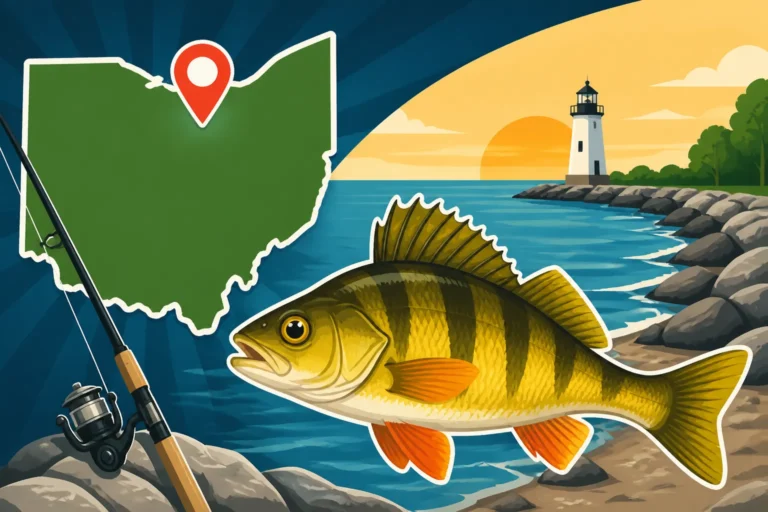
Let's be honest, when most people think of fishing in Ohio, their minds immediately drift to Lake Erie. And for good reason! This isn't just any lake; it's renowned globally as the "Walleye Capital of the World," and once you experience a hot bite here, you'll understand why. The sheer abundance of fish, particularly walleye and yellow perch, is unparalleled, drawing anglers from all over the country.
The lake itself is segmented into three primary basins, each offering slightly different experiences. The Western Basin, famous around cities like Port Clinton and Sandusky, is shallower and warms up faster in the spring, making it a prime location for early-season walleye. This area is a true walleye factory, with vast schools of fish moving through. It's also an excellent spot for chunky yellow perch, especially when they concentrate over structure. Many folks find their ideal charter through services like FishingBooker, which can connect you with captains operating out of these bustling ports.
As you move east towards the Central Basin, around cities like Cleveland and Ashtabula, the lake gets deeper, and the fishing season for walleye often extends further into the summer and fall. This basin offers incredible opportunities for larger, often trophy-sized walleye, which typically suspend over deeper water, requiring different trolling tactics. It's a fantastic spot for anglers looking to put in the time for that truly massive fish. Don't forget the smallmouth bass fishing here either; the rocky bottom and structure in the Central Basin create ideal habitat for these hard-fighting bronze backs.
The Eastern Basin, while still productive, is less frequently targeted by Ohio anglers due to its distance, but it still holds strong populations of walleye, yellow perch, and even some steelhead that migrate from tributary rivers. No matter which basin you choose, Lake Erie truly offers a world-class fishing experience that every Ohio angler should try. If you're planning a trip to this incredible fishery, you'll want to dive deep into our dedicated guide: Lake Erie Fishing Guide for Ohio Anglers.
Major Rivers and Tributaries: Steelhead, Catfish, and More
Beyond the vastness of Lake Erie, Ohio's network of rivers and their tributaries offers a completely different, yet equally exciting, fishing landscape. These waters are often more intimate, requiring different approaches and offering diverse species.
The Ohio River, forming the southern border of the state, is a behemoth in its own right, a crucial waterway that often gets overlooked by anglers focused solely on Lake Erie. This mighty river is an absolute treasure trove for catfishermen, harboring impressive populations of channel catfish, flathead catfish, and even some monster blue catfish. Fishing the Ohio River often means targeting deeper holes, current breaks, and log jams, where these bottom-dwelling giants love to lurk. Beyond catfish, you can also find excellent sauger fishing, especially during the colder months when they stack up in deeper pools and around dams. Understanding the unique dynamics of this interstate waterway is key, and our Ohio River Fishing Guide can help you get started.
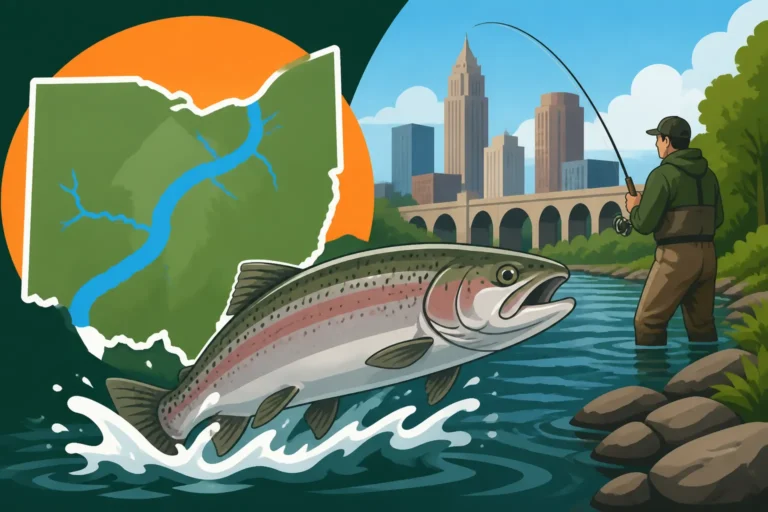
Then there's "Steelhead Alley," a collection of Lake Erie tributaries in northeast Ohio that become a mecca for fly anglers and spin fishermen alike every fall, winter, and spring. Rivers like the Rocky River, Vermilion River, Chagrin River, Grand River, and Conneaut Creek are annually stocked with steelhead trout by the Ohio Department of Natural Resources (ODNR), creating an incredible migratory fishery. These rivers offer a thrilling challenge as powerful steelhead battle their way upstream from Lake Erie to spawn. Each river has its own character, from the more urban accessibility of the Rocky and Chagrin to the more remote and wild feel of the Grand and Conneaut. Catching these chrome-bright, acrobatic fish often involves specific techniques like drift fishing with spawn bags, beads, or small jigs. If you're ready for the fight of a lifetime, learning about Ohio Steelhead Fishing Techniques is a must.
Other significant rivers, like the Maumee River near Toledo, are famous for their spring walleye run, where thousands of walleye push upstream from Lake Erie to spawn, creating a massive shoreline and boat fishery. The Scioto River and Muskingum River also offer good fishing for smallmouth bass, saugeye, and catfish throughout the state, providing excellent options for anglers looking for moving water challenges.
Top Inland Lakes and Reservoirs for Diverse Species
While Lake Erie might grab the headlines, Ohio's inland lakes and reservoirs are the unsung heroes of the state's fishing scene. These diverse bodies of water offer everything from trophy walleye and saugeye to feisty bass and abundant panfish, often providing more sheltered and accessible fishing experiences than the Great Lake.
Walleye and Saugeye Hotspots
For those who love the taste and fight of walleye but prefer a calmer, more contained environment than Lake Erie, Ohio's inland reservoirs provide fantastic opportunities. These waters are often heavily stocked and managed by the ODNR to create sustainable fisheries.
Alum Creek Lake, located just north of Columbus, is a prime example. This large reservoir is well-known for its excellent walleye and saugeye populations, with anglers often finding success trolling crankbaits or casting jigs along contours and points. The diverse structure, including submerged timber and old roadbeds, provides ample ambush points for these predatory fish. It's a popular spot for both boat and shore anglers, offering numerous access points.
Further east, Mosquito Creek Lake in Trumbull County is another walleye and saugeye powerhouse. This shallow, sprawling reservoir with extensive submerged timber and stump fields is a unique challenge but rewards persistent anglers with good numbers of quality fish. It's particularly popular for ice fishing, where anglers target hungry walleye and crappie through the ice.
Indian Lake in Logan County and Hoover Reservoir near Westerville also hold impressive saugeye populations, a hybrid cross between a walleye and a sauger that thrives in these inland environments. Saugeye often exhibit characteristics of both parents, growing large and providing a great fight. Anglers often target them with jigs tipped with minnows or plastics, especially during low light conditions or when they school up along drop-offs. For a deeper dive into these specific fisheries, check out our guide on the Best Ohio Reservoirs for Walleye and Saugeye.
Premier Bass Fishing Lakes
If the adrenaline rush of a hard-fighting largemouth or smallmouth bass is what you're after, Ohio has you covered with some truly fantastic bass lakes. These waters offer diverse habitats, from shallow weedy flats to rocky points and deep timber, catering to all bass fishing styles.
Mohican State Park is a popular destination, not just for its scenic beauty but for its excellent smallmouth bass fishing in the Clear Fork River and nearby Pleasant Hill Lake. The river offers wade-fishing opportunities for smallmouth, while the lake can produce good numbers of both smallmouth and largemouth.
For pure largemouth bass action, lakes like Piedmont Lake in eastern Ohio offer excellent opportunities. Known for its clear waters and abundant cover, Piedmont has produced some truly giant largemouth over the years. Anglers here often employ techniques like flipping jigs into submerged brush or working topwater lures over weed beds.
Other notable bass fishing destinations include Lake St. Marys in western Ohio, which has seen significant improvements in its bass fishery in recent years, and Caesar Creek Lake near Waynesville, a deep, clear reservoir that consistently produces strong numbers of both largemouth and smallmouth. These lakes often host local tournaments, which is a testament to the quality of their bass populations. For more details on where to find these bucketmouths and bronze backs, our Best Ohio Lakes for Bass Fishing article is an invaluable resource.
Crappie and Panfish Havens
Sometimes, you just want to relax, catch a lot of fish, and enjoy a day on the water, especially with family or beginners. For this, Ohio's crappie and panfish havens are perfect. These lakes are usually brimming with bluegill, sunfish, and crappie, offering consistent action and a great introduction to fishing.
Buckeye Lake, a large, relatively shallow lake east of Columbus, is a perennial favorite for crappie anglers. Its numerous docks, brush piles, and shallow flats provide ample cover for large schools of both black and white crappie. Fishing with small jigs or minnows under a bobber is a classic and highly effective method here. The lake's easy access and family-friendly atmosphere make it a perfect choice for a leisurely day.
Indian Lake, in addition to its saugeye, also offers excellent crappie and panfish fishing. Its numerous coves, channels, and submerged structures are ideal for targeting these schooling fish. Similarly, Tappan Lake and Seneca Lake in eastern Ohio are Corps of Engineers reservoirs known for their healthy populations of crappie, bluegill, and even some quality channel catfish, providing diverse opportunities.
For a true panfish paradise, consider Clendening Lake, also in eastern Ohio. This lake is known for its excellent numbers of big bluegill and redear sunfish, which can offer a surprisingly strong fight on light tackle. Many of these lakes have public docks and accessible shorelines, making them ideal for new anglers or those looking for a stress-free outing. Check out our comprehensive guide on the Best Ohio Lakes for Crappie for more details on these fantastic panfish spots.
Exploring Ohio's Steelhead Alley Tributaries
For many Ohio anglers, the term "Steelhead Alley" conjures images of chrome-bright, leaping fish in cold, clear rivers. This unique fishery, fed by Lake Erie, is a bucket-list experience for anyone seeking a challenging and rewarding fishing adventure. The tributaries that pour into Lake Erie along Ohio's northeastern coast become temporary homes for these powerful migratory trout, creating a distinct seasonal opportunity.
The Grand River: A Steelhead Mecca
The Grand River, particularly its lower stretches and tributaries around the Fairport Harbor area, is often considered the crown jewel of Ohio's Steelhead Alley. It's a larger river than some of its neighbors, offering a mix of slower, deeper pools and faster runs, providing diverse holding water for steelhead. Anglers flock here, especially in the fall and spring, to intercept steelhead returning from Lake Erie to spawn.
Access points are abundant, from the publicly owned properties managed by the ODNR to various county parks like Lake Metroparks Grand River Greenway, which offer excellent shore and wade-fishing opportunities. Drifting spawn bags, small jigs tipped with maggots or waxworms, and various fly patterns are popular and effective methods. The Grand can also be a fantastic river for float fishing from a drift boat or kayak, allowing anglers to cover more water and reach less pressured spots. The sheer volume of fish that move through the Grand makes it a truly exciting destination, though it can get crowded during peak runs. Knowing the river's flow and clarity is crucial here, as conditions can change rapidly after rain.
Rocky River and Chagrin River: Urban Steelhead Opportunities
Closer to the bustling metropolis of Cleveland, the Rocky River and Chagrin River offer incredibly accessible steelhead fishing. This proximity to a major city means these rivers often see heavier fishing pressure, but their consistent stocking and strong runs ensure plenty of action for those willing to put in the time.
The Rocky River, flowing through the Cleveland Metroparks system, is easily one of the most popular steelhead streams in the state. Its numerous access points, from the Rocky River Reservation to various bridges and trails, make it convenient for anglers living in or visiting the Cleveland area. Anglers can often be found wading in the runs or fishing from the banks, targeting steelhead in classic holding water. The river also offers unique opportunities, such as fishing near the mouth where it empties into Lake Erie, especially during the early stages of a run.
Similarly, the Chagrin River, located just east of Cleveland, provides another excellent option. It's a bit smaller than the Grand but features a good mix of riffles, runs, and pools that steelhead utilize. Both the Rocky and Chagrin Rivers can be fantastic during high water events, when fresh steelhead push in from Lake Erie. Anglers should be prepared for varying conditions, from low and clear water requiring finesse tactics to high and muddy flows that call for heavier presentations. These rivers truly demonstrate that world-class fishing can exist right on the doorstep of urban environments.
Lesser-Known Gems: Conneaut Creek and Vermilion River
While the Grand, Rocky, and Chagrin often steal the spotlight, Ohio's "Steelhead Alley" also includes some fantastic, slightly less pressured options like Conneaut Creek and the Vermilion River. These rivers offer a slightly different experience, often with a more rustic feel or unique characteristics.
Conneaut Creek, located in the far northeastern corner of Ohio, close to the Pennsylvania border, is renowned for its incredible runs of steelhead, often boasting some of the largest fish. Its more rural setting means fewer crowds than some of the more urban rivers, providing a sense of solitude for anglers willing to explore. The creek features a mix of shale bedrock, gravel runs, and deep pools. Access can be found through various public easements and state lands. Fishing here often involves longer drifts with bobber and spawn, or intricate fly fishing presentations in its clearer sections.
The Vermilion River, situated west of Cleveland, offers another excellent opportunity. While perhaps not as large as the Grand, it has consistently strong steelhead runs. The Vermilion's unique geology, with its shale bedrock formations and scenic gorges, adds to the beauty of the fishing experience. Access points are available through the Lorain County Metro Parks and other public lands. Anglers here can find success with similar methods as on other steelhead rivers, adapting to the specific river conditions and fish behavior. Exploring these "smaller" rivers can often lead to some truly memorable and less crowded encounters with Ohio's magnificent steelhead.
Best Locations for Family-Friendly Fishing Trips
Introducing kids or new anglers to fishing should be a fun, engaging, and relatively easy experience. The goal isn't necessarily a trophy fish, but consistent bites and a pleasant day outdoors. Ohio offers numerous locations perfectly suited for family-friendly outings, emphasizing safety, accessibility, and the likelihood of catching smaller, abundant species.
State Parks and Wildlife Areas with Easy Access
Ohio's state parks and wildlife areas are absolute goldmines for family fishing trips. They are typically well-maintained, offer numerous amenities, and often feature waters teeming with panfish and smaller bass that are eager to bite. These locations prioritize public access, meaning you'll often find ample parking, restrooms, and clear pathways to the water.
Consider Lake Hope State Park in southeastern Ohio's Zaleski State Forest. This beautiful, tranquil lake is perfect for kids to catch bluegill and crappie from the shore, a fishing pier, or a rented rowboat. The park also offers camping, hiking, and educational programs, making it a full family adventure. Another great option is Burr Oak State Park, a bit further south, which also provides excellent panfish and some largemouth bass opportunities in a serene setting.
Cowan Lake State Park in southwestern Ohio is another fantastic choice. It's known for its clean waters and good populations of crappie and bluegill. The park has several fishing piers, a boat ramp, and plenty of shoreline for easy casting. The beauty of these state parks is the holistic experience they offer: you can fish for a few hours, then picnic, hike, or simply enjoy nature. The focus is on a low-stress, high-enjoyment outing where the simple joy of a bobber disappearing is the main prize.
Metro Parks and Urban Fishing Ponds
You don't always have to drive hours to find a great fishing spot. Ohio's metro park systems, particularly those around Columbus and Cleveland, have done an outstanding job of creating accessible and productive urban fishing opportunities. These parks often feature smaller ponds and lakes that are regularly stocked, making them perfect for a quick trip or for teaching a beginner.
In the Columbus Metro Parks system, places like Sharon Woods Metro Park or Antrim Park offer easily accessible ponds where kids can catch bluegill, channel catfish, and sometimes even largemouth bass. These ponds often have paved paths, benches, and excellent infrastructure, making them incredibly convenient. They might even have designated "kids fishing zones" or host fishing derbies, further enhancing the family appeal.
Similarly, the Cleveland Metroparks manage several lakes and ponds, such as the Hinckley Lake in the Hinckley Reservation or Wallace Lake in the Mill Stream Run Reservation, which are regularly stocked with trout, catfish, and offer good panfish action. These urban oases provide a much-needed connection to nature and the thrill of fishing for city dwellers. The convenience of being able to spontaneously decide to go fishing without a long drive is a huge plus for busy families. Plus, you never know what kind of wildlife you might spot around these urban ponds.
Private Ponds and Farm Lakes
While public access is fantastic, nothing beats the consistent action and often larger fish found in well-managed private ponds and farm lakes. If you have the opportunity to fish one of these, seize it! Many landowners are willing to grant access to respectful anglers, especially if you ask politely and offer to practice catch-and-release.
Private ponds are often less pressured than public waters, allowing fish to grow larger and become less wary. They are typically brimming with eager largemouth bass, bluegill, and sometimes channel catfish. For a child, a private pond can be an absolute paradise, where bites are frequent, and the fish are often more cooperative. Imagine a continuous stream of bluegill tugging at the line – it's the perfect way to hook a youngster on the sport.
The key to fishing private ponds is securing permission. Always ask the landowner first. Never trespass. Once you have permission, treat their property with respect, pack out everything you pack in, and consider offering to share your catch or a photo of a prize fish. The intimacy and productivity of a private pond can provide some of the most memorable and successful family fishing outings, fostering a deep love for the sport in a relaxed environment. Remember, you might still need an Ohio Fishing License Guide for Residents and Nonresidents even on private waters if the pond isn't entirely self-contained and stocked by the owner.
Unique and Under-the-Radar Fishing Experiences
Beyond the well-known hotspots for walleye, bass, and panfish, Ohio offers some truly distinct and challenging fishing experiences for anglers looking to diversify their pursuits. These aren't always about catching the most fish, but about targeting specific species, exploring different environments, or embracing particular seasonal challenges.
Targeting Muskie in Ohio's Deep Waters
The muskie, often called "the fish of 10,000 casts," is one of Ohio's most elusive and revered freshwater predators. These toothy giants demand patience, specialized gear, and a dedication to the pursuit. But the reward, when a massive muskie finally strikes, is an unforgettable adrenaline rush. Ohio has several lakes that are consistently producing trophy-sized muskellunge, thanks to robust stocking programs by the ODNR.
Piedmont Lake is arguably the most famous muskie fishery in Ohio, regularly producing some of the largest fish in the state, including multiple state records. Its deep, clear waters and abundant forage create an ideal environment for muskie to thrive. Anglers here often spend long hours casting large bucktails, jerkbaits, and swimbaits, meticulously working structure like deep points, weed edges, and submerged timber.
Leesville Lake and West Branch Reservoir are two other top-tier muskie lakes, each with its own character. Leesville, with its shallower, weedier bays, can be excellent for casting, while West Branch's deeper, clearer water often requires trolling or targeting specific deep-water structure. Alum Creek Lake, while known for walleye, also holds a growing population of muskie, offering a chance to catch one of these beasts closer to Columbus. Muskie fishing is a commitment, but for those who embrace the challenge, Ohio's muskie waters offer the chance to hook into a true freshwater leviathan. Learning about Ohio Muskie Fishing Guide will be essential before you hit these waters.
Catfish and Carp in the Ohio River System
While Lake Erie hogs the attention for table fare, the Ohio River system offers incredible opportunities for some truly massive, hard-fighting bottom dwellers: catfish and carp. These species are abundant, accessible, and can provide incredible action, especially during warmer months or at night.
The main Ohio River channel, along with the lower reaches of its major tributaries like the Scioto River and Muskingum River, are prime spots for targeting flathead and blue catfish. These fish can grow to enormous sizes, with flatheads often preferring live bait like bluegills or suckers, and blues responding well to cut bait. Fishing for them often involves anchoring in current breaks, near submerged cover, or in deep holes, and using heavy-duty tackle to withstand their powerful runs. Night fishing for catfish on the Ohio River is a popular and often highly productive strategy, as these nocturnal feeders become more active after dark.
Beyond catfish, the Ohio River system and many inland lakes are teeming with common carp. While often overlooked by anglers, carp are powerful fighters that can provide a thrilling battle on the right tackle. They are also incredibly smart, making them a challenging target for those who appreciate finesse fishing with dough balls, corn, or specialized carp baits. Spots like the river locks and dams, deeper channels, and slower-moving backwaters on the Ohio River can be fantastic for both species. If you're looking for strong pulls and consistent action, especially with bigger fish, don't underestimate the potential of Ohio's catfish and carp fisheries.
Ice Fishing Adventures on Frozen Lakes
When winter descends and temperatures plummet, many anglers pack away their gear. But for a dedicated few, it's merely the opening of another season: ice fishing. Ohio offers some fantastic ice fishing opportunities, particularly in its northern half, where lakes reliably freeze thick enough for safe access.
Mosquito Creek Lake, with its expansive shallow areas, is a premier ice fishing destination in northeast Ohio. Anglers here target walleye, saugeye, and crappie, often setting up portable shanties over known humps, submerged timber, or weed edges. The key to success is often using small jigs tipped with minnows or waxworms, and constantly moving to find active schools of fish. The sheer size of Mosquito Lake means there's always new territory to explore.
Indian Lake in western Ohio is another popular spot for hardwater enthusiasts, known for its crappie and saugeye through the ice. Its shallower depth often means it freezes earlier and more consistently than some other large lakes. For the adventurous, even parts of Lake Erie's Western Basin can offer world-class walleye and perch ice fishing during exceptionally cold winters, though this requires extreme caution and local knowledge due to the unpredictable nature of the lake ice. However, don't risk it unless you are with experienced guides and conditions are confirmed safe.
Other reliable ice fishing spots include Portage Lakes near Akron, which offer excellent panfish and some bass, and numerous smaller ponds throughout the state. Safety is paramount when ice fishing: always check ice thickness, go with a buddy, and carry safety gear. But for those who embrace the cold, the tranquility and unique challenges of ice fishing can be incredibly rewarding. You'll want to review our full Ohio Ice Fishing Guide before heading out.
Planning Your Ohio Fishing Expedition
Embarking on a fishing trip in Ohio, whether it's a quick weekend jaunt or a week-long adventure, requires a bit of thoughtful planning. Understanding the rules, having the right gear, and knowing when to seek expert help can make all the difference between a frustrating day and a fantastic experience.
Understanding Licensing and Regulations
Before you even think about casting a line, the absolute first step is to ensure you're compliant with Ohio's fishing laws. This isn't just about avoiding a fine; it's about supporting conservation efforts that keep our fisheries healthy and productive. Every resident and non-resident angler aged 16 and older needs an Ohio fishing license to fish in public waters, with very few exceptions.
The Ohio Department of Natural Resources (ODNR) Division of Wildlife is the authority that sets these rules, covering everything from daily bag limits and minimum size limits for various species to specific regulations for certain bodies of water (like Lake Erie or the Ohio River). These regulations can change annually, so it's vital to stay updated. You can purchase your license easily online through the ODNR website, or at hundreds of bait shops and sporting goods stores across the state. Remember, a fishing license is your ticket to enjoying Ohio's fantastic waterways responsibly. For a detailed breakdown of who needs what, refer to our comprehensive article: Ohio Fishing License Guide for Residents and Nonresidents. Moreover, it's crucial to familiarize yourself with the specific rules for the area you plan to visit, which you can find in Ohio Fishing Regulations Every Angler Should Know.
Essential Gear and Local Bait Shops
Once your license is sorted, it's time to think about gear. The "right" gear really depends on what you're targeting and where. For a general family outing at a state park pond, a simple spinning rod and reel combo, a handful of hooks, bobbers, sinkers, and some live bait (like worms or minnows) or basic lures will suffice. However, for specialized pursuits like muskie fishing or targeting Lake Erie walleye, you'll need more specific equipment.
Don't underestimate the value of local bait shops! These aren't just places to buy worms; they are hubs of local knowledge. The folks behind the counter often have real-time intel on what's biting, where the fish are, and what baits or lures are working best. They can tell you about recent water conditions, unexpected hatches, or changes in fish behavior. A quick stop at a local tackle shop before hitting the water can dramatically improve your chances of success. Plus, supporting these small businesses helps maintain the local fishing community. Even if you're an experienced angler, a chat with a local can reveal secrets you wouldn't find online.
Booking Guides and Charters for a Successful Trip
For those venturing into unfamiliar waters, targeting a challenging species, or simply wanting to maximize their time on the water, booking a fishing guide or charter service is an excellent investment. This is especially true on a vast body of water like Lake Erie, where navigating can be intimidating and finding fish requires specialized knowledge and equipment.
A professional guide or charter captain brings invaluable experience, local knowledge, and often, all the necessary high-end gear. They know the patterns, the hot spots, and the techniques specific to the local fishery. For instance, a Lake Erie walleye charter captain operating out of Port Clinton will know exactly where the walleye are holding, what depth to fish, and which lures are currently producing. They also provide a safe and comfortable environment, taking care of all the navigation and boat handling, allowing you to focus purely on fishing. If you're looking for a hassle-free, productive trip, especially for species like walleye, muskie, or steelhead, a guided trip can be incredibly rewarding.
When considering a guide, look for licensed and insured professionals. Resources like FishingBooker can be incredibly helpful for comparing different charters and guides across Ohio, reading reviews, and booking with confidence. Whether you're planning a trip to the Ohio River for catfish, a muskie hunt on Piedmont Lake, or a steelhead expedition on the Grand River, finding the right guide can transform your trip from a guessing game into a well-executed fishing adventure. For more in-depth information on selecting and booking these services, our Ohio Fishing Charter Guide provides everything you need to know.
Ohio's Diverse Fishing Opportunities by Species
To help you quickly pinpoint the perfect spot for your next target species, here's a handy overview of some of Ohio's best fishing locations.
| Species | Top Lake Erie Locations | Top Inland Lakes/Reservoirs | Top Rivers/Creeks | Best Seasons |
|---|---|---|---|---|
| Walleye | Western & Central Basins (Port Clinton, Sandusky, Cleveland) | Mosquito Creek Lake, Alum Creek Lake, Indian Lake | Maumee River (Spring Run) | Spring, Summer, Fall |
| Yellow Perch | Western & Central Basins (Sandusky, Cleveland) | Buckeye Lake, Indian Lake, Tappan Lake | (Less common in rivers) | Summer, Fall, Winter |
| Saugeye | (Not found in Lake Erie) | Alum Creek Lake, Indian Lake, Hoover Reservoir, Deer Creek Lake | Muskingum River, Scioto River | Spring, Summer, Fall, Winter |
| Steelhead | (Migrate from Lake Erie) | (Not stocked inland) | Rocky River, Grand River, Chagrin River, Vermilion River, Conneaut Creek | Fall, Winter, Spring |
| Largemouth Bass | Lake Erie (Central Basin near structure) | Piedmont Lake, Caesar Creek Lake, Atwood Lake, Lake St. Marys | Slow river backwaters, smaller creeks | Spring, Summer, Fall |
| Smallmouth Bass | Lake Erie (Rocky areas, islands), Ohio River | Caesar Creek Lake, Mohican State Park (Pleasant Hill Lake) | Clear Fork River, Ohio River, Lake Erie tributaries | Spring, Summer, Fall |
| Muskellunge | (Rarely caught in Lake Erie) | Piedmont Lake, Leesville Lake, West Branch Reservoir, Alum Creek Lake | (Limited, sometimes in larger river pools) | Spring, Summer, Fall |
| Channel Catfish | Lake Erie (Estuaries, harbors) | Indian Lake, Tappan Lake, Clendening Lake | Ohio River, Scioto River, Muskingum River | Spring, Summer, Fall |
| Flathead Catfish | (Rarely in Lake Erie) | Clendening Lake | Ohio River, Scioto River, Muskingum River | Summer, Fall |
| Crappie | Lake Erie (Harbors, marinas) | Buckeye Lake, Indian Lake, Mosquito Creek Lake, Seneca Lake | (Less common in rivers) | Spring, Fall, Winter (Ice) |
| Bluegill/Panfish | Lake Erie (Shallow bays, harbors) | Most inland lakes, state park ponds, metro park ponds | Small creeks, river backwaters | Spring, Summer, Fall |
Disclaimer
The information provided in this guide is for general informational purposes only and is subject to change. Fishing regulations, season dates, and license requirements are set by the Ohio Department of Natural Resources (ODNR) and can be updated annually. Always consult the official ODNR fishing regulations guide or website for the most current and accurate information before planning your fishing trip. While we strive for accuracy, we cannot guarantee that all information is completely up-to-date at all times. Always prioritize safety, especially when on the water or ice.