Fishing Kelleys Island for Smallmouth Bass
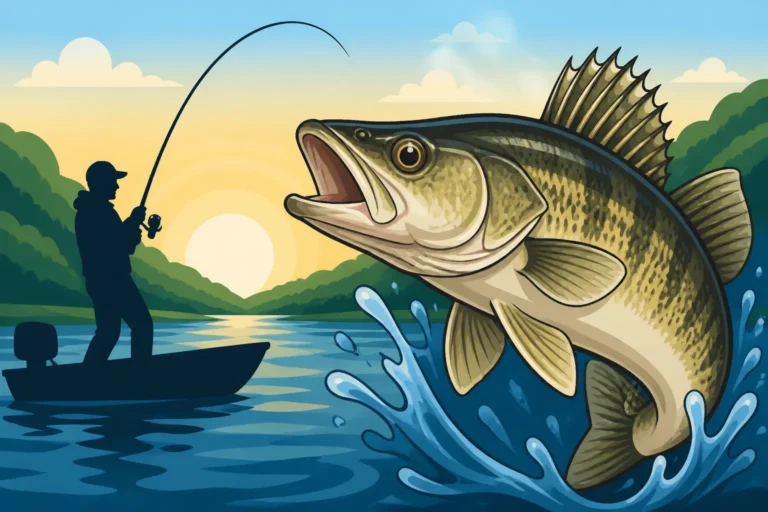
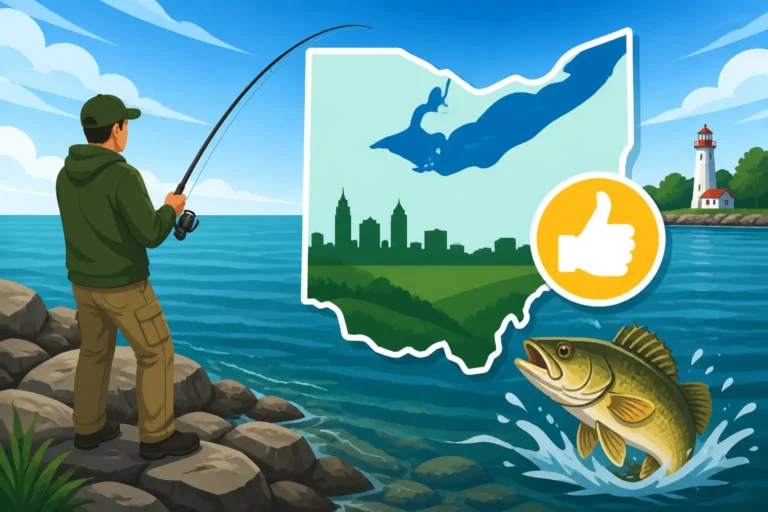
For many Ohio anglers, the quest for a truly exhilarating smallmouth bass fight often leads to frustration, especially when battling crowded shorelines or vast, featureless stretches of water. But if you’re looking for a legitimate smallmouth bass hotspot that offers both incredible action and a stunning natural backdrop, then Kelleys Island in Lake Erie is an absolute game-changer. This isn't just another spot; it's a premier destination where rocky structures, clear water, and abundant forage create the perfect storm for big, bronze smallmouth. This guide will walk you through everything you need to know to make your Kelleys Island smallmouth bass fishing trip a success, from understanding the best times to go to the specific techniques that will put fish in your boat.
Why Kelleys Island Is a Smallmouth Bass Paradise
When you first approach Kelleys Island, you’re immediately struck by its unique character. Unlike the often-turbid waters found closer to shore in the western basin, the waters around Kelleys are typically much clearer, thanks to its position further north and the island's rocky geological makeup. This clarity is a huge factor for smallmouth bass, which are sight feeders and thrive in environments where they can ambush prey. But it's more than just clear water; the island itself is a submerged treasure chest of structure that smallmouth adore.
Geology and Structure That Attract Smallmouth
Kelleys Island is primarily composed of limestone, a legacy of ancient glacial activity, which has carved out incredible underwater landscapes. Think of it: massive rock piles, sharp drop-offs, underwater ledges, and rocky reefs – these aren’t just pretty features, they’re prime smallmouth real estate. Smallmouth bass are notorious structure-oriented fish, constantly looking for places to hide, ambush baitfish, and protect their spawning beds. Around Kelleys, they don’t have to look far.
The island’s northern and eastern shores, in particular, are riddled with these rocky havens. These areas provide current breaks and ambush points where smallmouth can wait for unsuspecting baitfish like emerald shiners, gobies, and crayfish to drift by. The depth variations are significant too, ranging from shallow flats just a few feet deep, perfect for spring spawning, to abrupt drops into 20-30 feet or more, where bass retreat during the summer heat. This complex underwater topography provides year-round habitat, ensuring consistent fishing opportunities if you know where to look.
Abundant Forage and a Healthy Ecosystem
Another critical element making Kelleys Island a smallmouth hotspot is the sheer abundance of food. Lake Erie is a nutrient-rich lake, and the areas around Kelleys Island support a thriving ecosystem that smallmouth bass absolutely feast on. The invasive round gobies, while problematic in some ways, have actually become a primary food source for larger smallmouth, contributing to their impressive growth rates. Beyond gobies, you'll find crayfish scurrying among the rocks, various baitfish schools, and even smaller yellow perch and shiners in the mix.
This rich buffet means the smallmouth here are well-fed and aggressive. They grow quickly and can reach impressive sizes, making the possibility of landing a true trophy smallmouth a very real one. The clear water also allows sunlight to penetrate deeper, supporting healthy aquatic vegetation in certain sheltered coves, which further enhances the forage base by providing cover for insects and smaller fish. It’s a dynamic, healthy environment that’s tailor-made for these bronze beasts.
Best Times and Conditions for Smallmouth Fishing Around Kelleys Island
Fishing for smallmouth bass around Kelleys Island isn't a "one-size-fits-all" endeavor. Their behavior changes significantly with the seasons and even with daily weather patterns. Understanding these nuances is key to planning a successful trip and knowing what to expect once you’re out on the water.
Seasonal Patterns and Water Temperatures
-
Spring (April – Early June): Pre-Spawn and Spawn Frenzy
Spring is arguably one of the most exciting times to target smallmouth bass around Kelleys Island. As water temperatures climb into the 45-55°F range, smallmouth begin to move shallower, staging for their annual spawn. You'll find them congregating around rocky points, sheltered bays, and shallow flats (5-15 feet deep) that warm up quickly. During the actual spawn (typically late May to early June when water temperatures are 58-65°F), male smallmouth guard their nests in even shallower water, making them aggressive and relatively easy to locate. This is prime time for sight fishing in calm, clear conditions. Later in the spring, as the water warms further, the bass become very active, feeding heavily after the rigors of spawning. -
Summer (Late June – August): Deep Water and Structure
As the Lake Erie water warms into the 70s, smallmouth bass move to deeper, cooler waters and relate more tightly to significant underwater structure. Look for them on offshore reefs, around deep rock piles, and along sharp drop-offs in 20-40 feet of water. They'll still make forays into shallower areas during low light conditions or when baitfish schools move in, but generally, summer fishing requires a different approach, focusing on vertical presentations or deep-diving baits. The key is to locate their preferred depth where they feel comfortable and have access to forage. -
Fall (September – November): Feeding Frenzy Before Winter
Fall is another fantastic time for Kelleys Island smallmouth. As water temperatures begin to drop again (65-50°F), smallmouth go on a major feeding binge, trying to pack on weight for the lean winter months. They can be found in a wider range of depths, often moving between deeper structure and shallower feeding flats throughout the day. Aggressive lures like crankbaits, jerkbaits, and swimbaits can be incredibly effective during this period, as the fish are actively chasing prey. They’re usually less pressured than during the spring spawn, offering excellent opportunities for trophy fish.
Ideal Weather and Water Conditions
Smallmouth bass are incredibly sensitive to changes in weather and water conditions. Here's what to look for:
- Wind: A moderate chop (1-3 foot waves) can actually be beneficial. The surface disturbance breaks up light penetration, making the bass feel more secure, and also disorients baitfish, making them easier targets. Extremely calm, sunny days can make bass skittish in the clear waters, pushing them deeper or under cover. Conversely, heavy winds (over 3-4 feet) make boat control difficult and can churn up the water, impacting visibility, though dirty water is less common directly around Kelleys Island itself.
- Cloud Cover: Overcast days are often fantastic for smallmouth, especially in clear water. The diffused light allows them to remain active in shallower water for longer periods without feeling exposed.
- Barometric Pressure: A stable or rising barometer generally indicates good fishing. A falling barometer, often associated with approaching storms, can sometimes trigger a feeding spree just before the weather hits, but fishing usually slows down significantly once the storm arrives or immediately afterward.
- Water Clarity: As mentioned, clear water is typically preferred for Kelleys Island smallmouth. If a strong storm or heavy rain has temporarily muddied some nearshore areas, target the clearer water on the opposite side of the island or slightly offshore.
Top Fishing Spots and Techniques Near Kelleys Island
Now that we understand why Kelleys Island is so good and when to fish it, let's talk about where and how to target those smallmouth. The key is to leverage the island's natural structure and the smallmouth's feeding habits.
Prime Smallmouth Fishing Locations Around the Island
Kelleys Island is surrounded by various points of interest for smallmouth anglers. Here are a few general areas to focus on, though detailed maps and a good fish finder will be your best friends.
- Northern Shoreline: This is a classic smallmouth area. The northern side of Kelleys Island features extensive rock reefs, sudden depth changes, and current breaks. Look for submerged boulders and ledges, especially near the glacial grooves. These areas are excellent in spring and fall.
- South Side Shoals and Reefs: While often known for walleye, the deeper shoals and rock structures off the southern side of the island also hold quality smallmouth, particularly during the summer months when they retreat to deeper, cooler water. A good example is the area around the remains of the old stone quarry.
- The "Gap" Between Kelleys and South Bass Island: This channel, with its varying depths and currents, is a natural funnel for baitfish and often concentrates smallmouth. It's a prime area for drifting or slow-trolling.
- Island Points and Bays: Any prominent point extending from the island, or a sheltered bay with a rocky bottom, is worth investigating. In the spring, bays offer warmer water and protection for spawning.
- Cedar Point Chausee Area: While not directly Kelleys Island, the structures and depths near the Cedar Point Chausee on the mainland side can be very productive and are within easy reach from the island, particularly for those looking for a different angle or perhaps a less pressured spot.
Effective Techniques and Lure Choices
Smallmouth bass are aggressive predators, and a variety of techniques can be highly effective. The key is to match your presentation to the conditions and the fish's mood.
- Drop-Shotting: This technique is a smallmouth killer, especially in clear water and around vertical structure. It allows you to present a soft plastic bait (like a minnow imitation, worm, or goby) naturally off the bottom, keeping it in the strike zone directly in front of the fish. Use a light to medium-light spinning rod, 6-10 lb fluorocarbon line, and a small, sharp hook. The best baits imitate gobies or emerald shiners.
- Tube Jigs: Tubes are incredibly versatile and mimic both crayfish and gobies, two primary smallmouth food sources. Cast them around rocky points, let them fall, and work them with short hops and pauses. In deeper water, a heavier tube jig head will help maintain bottom contact. Colors like green pumpkin, brown, and black are often excellent choices.
- Crankbaits and Jerkbaits: When smallmouth are aggressive, especially in spring and fall, these baits are dynamite. Choose deep-diving crankbaits to probe offshore reefs and ledges, and suspend jerkbaits to entice strikes from suspended fish or those holding slightly off the bottom. Experiment with retrieve speeds and pauses. Brands like Rapala, Strike King, and Berkley offer excellent options for these techniques.
- Topwater Baits: On calm mornings or evenings, particularly in warmer months, nothing beats a topwater strike. Walk-the-dog baits (like Heddon Super Spook Jr.) or poppers can trigger explosive strikes from aggressive smallmouth patrolling shallower flats or near rocky shorelines.
- Swimbaits: Paddle tail swimbaits rigged on a jig head are excellent for imitating baitfish and can be fished at various depths. They have a natural swimming action that smallmouth find irresistible.
- Power Fishing: Sometimes, just covering water with a spinnerbait or ChatterBait along rocky edges can quickly locate active fish, especially during periods of high feeding activity.
When choosing gear, a good medium-heavy spinning rod or baitcasting setup, spooled with 10-15 lb braided line and a fluorocarbon leader, will handle most smallmouth scenarios. Having a couple of different setups for different techniques will give you an edge. For those new to Lake Erie fishing, you might consider booking a Lake Erie Walleye Charter Guide – many captains also specialize in bass or can guide you on the best tactics for these powerful fish. If you prefer to find your own charter, sites like FishingBooker offer a wide selection of experienced captains in the Lake Erie region who know the waters around Kelleys Island like the back of their hand.
| Season | Optimal Water Temperature | Primary Locations | Recommended Techniques/Lures |
|---|---|---|---|
| Spring | 45-65°F | Shallow flats, rocky points, sheltered bays (5-15 ft) | Drop-shot (gobies, minnows), Tube Jigs, Suspending Jerkbaits, Spinnerbaits |
| Summer | 68-75°F | Deep reefs, rock piles, drop-offs (20-40+ ft) | Drop-shot (gobies, worms), Tube Jigs (heavier), Deep-diving Crankbaits, Vertical Jigs |
| Fall | 50-65°F | Transition areas, deeper points, feeding flats (10-30 ft) | Crankbaits, Jerkbaits, Swimbaits, Tube Jigs, Blade Baits |
Planning Your Kelleys Island Smallmouth Adventure
A trip to Kelleys Island for smallmouth bass can be a truly memorable experience, but like any good fishing trip, it requires a bit of planning to ensure everything runs smoothly. From getting there to understanding the rules, a little preparation goes a long way.
Getting to Kelleys Island and Local Amenities
Kelleys Island is accessible by ferry, private boat, or even small plane. The Kelleys Island Ferry Boat Line operates regularly from Marblehead, Ohio, and can accommodate vehicles, which is a huge plus if you’re bringing your own boat on a trailer or need a car to get around the island. Be sure to check their schedule and make reservations, especially during peak season, as it can get busy.
If you’re bringing your own boat, Kelleys Island has public docks and several private marinas that offer transient slips, fuel, and supplies. Checking ahead for availability and rates is always a smart move. On the island itself, you'll find a handful of restaurants, shops, and places to stay, from quaint cottages to a few small hotels. Remember, it's an island, so resources might be more limited than on the mainland. If you plan to stock up on bait or tackle, it's often best to do so before you leave the mainland, though a few island shops may have basic supplies.
For those flying in, Kelleys Island also has a small public airport. Whether you're traveling via ferry or private craft, don't forget your Ohio Fishing License Guide for Residents and Nonresidents!
Ohio Fishing Regulations and Considerations for Lake Erie
Fishing in Lake Erie comes with its own set of rules, and it’s critical to be aware of them. While the general Ohio Fishing Regulations Every Angler Should Know apply statewide, there are specific Lake Erie Fishing Regulations in Ohio that you absolutely must understand, especially concerning length limits and daily bag limits for smallmouth bass. These regulations can change annually, so always consult the current Ohio Department of Natural Resources (ODNR) fishing regulations digest before heading out.
Currently, the daily bag limit for smallmouth bass in Lake Erie and its tributaries is 5 fish from May 1 through June 24, and 3 fish from June 25 through April 30 of the following year. The minimum size limit for smallmouth bass is 14 inches. Always measure your fish carefully and release any that don't meet the legal requirements. Practicing catch and release, especially for larger breeding fish, helps ensure the health and sustainability of the fishery for future generations.
If you're considering a guided trip, many excellent charter captains operate out of nearby ports like Port Clinton or Sandusky and make runs to Kelleys Island. Websites like FishingBooker can help you find and compare charters, see reviews, and book directly. Booking a charter can be a fantastic way to learn the ropes, especially if you're unfamiliar with Lake Erie or targeting smallmouth for the first time. They provide the boat, gear, and expertise, allowing you to focus on the fishing experience.
Safety First on Lake Erie
Lake Erie, while offering incredible fishing, can also be unpredictable. Weather can change rapidly, and waves can build quickly. Always check the marine weather forecast before you head out, and if you’re in your own boat, make sure it’s properly equipped with all required safety gear, including life jackets for everyone on board. Let someone know your float plan, and if conditions deteriorate, don’t hesitate to cut your trip short. No fish is worth risking your safety. A reliable VHF radio and a GPS unit are also invaluable tools for navigating the lake and staying safe.
Kelleys Island is a gem in Lake Erie, offering some of the most exciting smallmouth bass fishing opportunities in the state. With its unique rocky structure, clear waters, and abundant forage, it’s a destination that every serious smallmouth angler should experience. By understanding the seasonal patterns, targeting the right spots with the right techniques, and planning thoughtfully, you'll be well on your way to a thrilling and successful smallmouth adventure.
Disclaimer
The information provided in this guide is for general informational purposes only. Fishing regulations, conditions, and availability of services can change rapidly. Always consult the latest Ohio Department of Natural Resources (ODNR) fishing regulations before your trip. The author and publisher are not responsible for any inaccuracies, omissions, or any actions taken based on the information provided herein. Fishing involves inherent risks; always prioritize safety on the water.