Fishing Atwood Lake, Ohio
There's nothing quite like the excitement of discovering a new fishing spot in Ohio, especially one that promises both peace and plenty of opportunities to reel in some fantastic catches. Many anglers get caught in the trap of visiting the same well-known lakes year after year, sometimes missing out on hidden gems that offer incredible diversity and a less crowded experience. If you're looking to explore beyond the usual suspects and find a freshwater paradise that caters to all skill levels, then this comprehensive guide to fishing Atwood Lake is exactly what you need to plan your next memorable outing.
Atwood Lake's Angler Appeal: What Makes It Special
Atwood Lake, nestled in Tuscarawas and Carroll counties, is one of Ohio's true unsung heroes when it comes to fishing. It's not just a beautiful spot with rolling hills and clear waters; it’s a genuinely productive fishery managed with care, offering something for everyone. Whether you’re a seasoned pro chasing trophy fish or a family looking for a relaxing day of catching panfish, Atwood delivers. What makes it so special isn't just its size – over 1,500 acres of water – but its consistent population of desirable species and the unique blend of challenging depths and accessible shorelines.
The lake is part of the Muskingum Watershed Conservancy District (MWCD) system, meaning it’s well-maintained and offers a range of recreational facilities beyond just fishing. This careful management ensures healthy fish populations and a clean environment. Anglers often find that while some areas can get busy during peak summer weekends, there are always quieter coves and stretches of shoreline where you can find solitude and focus on your cast. It's a fantastic alternative to the hustle and bustle of some of Ohio's larger, more famous lakes, providing a more intimate angling experience without sacrificing quality.
Fish Species Calling Atwood Home
Atwood Lake is a multi-species haven, boasting a robust population of several popular game fish. You’ll find anglers targeting everything from feisty bass to delicious panfish, with a strong contingent also pursuing walleye and saugeye. The diversity means you can tailor your trip to your preferred target, or even try to catch a grand slam of species in one day!
Here's a closer look at what you can expect to encounter:
- Walleye and Saugeye: These are perhaps the most sought-after species at Atwood. The lake is regularly stocked, especially with saugeye (a walleye-sauger hybrid), which grow quickly and offer an excellent fight. Their clear, flaky meat also makes them a favorite for the dinner table. You can find them lurking in deeper waters, especially around structure or along the old creek channels.
- Largemouth and Smallmouth Bass: Both black bass species thrive in Atwood. Largemouth prefer the weed beds, submerged timber, and shallower coves, while smallmouth bass are more likely to be found around rocky points, ledges, and deeper breaks. They offer exciting topwater action in warmer months and aggressive bites on crankbaits and jigs. For those looking for a diverse experience, Atwood is considered one of the Best Ohio Lakes for Bass Fishing.
- Crappie (Black and White): If you're bringing the family or just enjoy a day of steady action, Atwood's crappie population is fantastic. Both black and white crappie are present, often schooling around brush piles, submerged trees, and bridge pilings. They are relatively easy to catch and provide excellent light-tackle fun.
- Channel Catfish: For those who enjoy a strong pull and night fishing, Atwood has a healthy population of channel catfish. They can be found throughout the lake, especially in deeper holes or along mud flats. They're not picky eaters, making them a great target for bait fishing.
- Bluegill and Other Panfish: Rounding out the species list are plenty of bluegill, sunfish, and even some yellow perch. These are perfect for beginner anglers, kids, or anyone looking for consistent bites. They're abundant in shallower areas, particularly around docks, lily pads, and shoreline vegetation.
Understanding the Lake's Layout and Depths
Atwood Lake's structure is a key factor in its fishing productivity. It’s a relatively deep reservoir, reaching depths of around 40 feet in some areas, particularly near the dam and along the old creek channels. The deepest spots provide excellent thermal refuges for fish during extreme temperatures, while numerous shallower coves and flats create ideal spawning and feeding grounds.
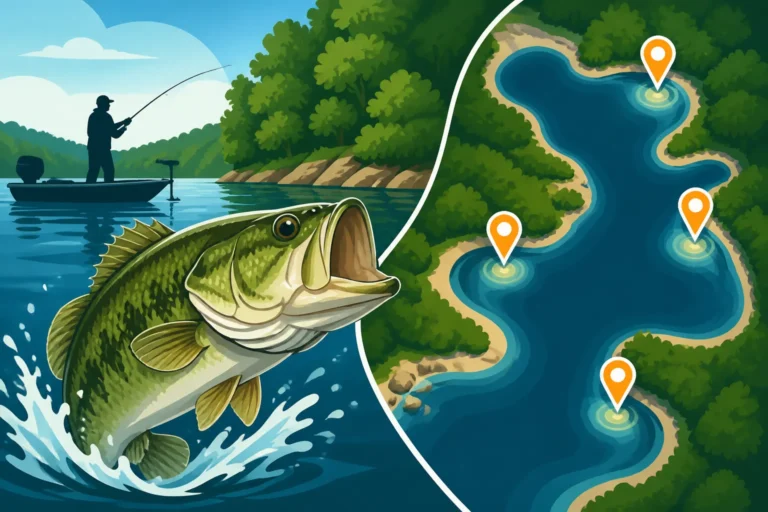
The lake itself is irregularly shaped, with many fingers, bays, and points. This varied topography creates a multitude of fishing opportunities. The main lake basin can be wide and exposed, especially to wind, while the narrower arms offer more sheltered conditions. Submerged timber, rock piles, and artificial fish attractors (often marked with buoys by the ODNR) are scattered throughout, providing crucial cover and ambush points for predatory fish. Knowing where these structures are can be the difference between a slow day and a successful one.
For boat anglers, understanding the no-wake zones and speed limits is important, especially around marinas and residential areas. The lake has two marinas: Atwood Lake Marina and Atwood Lake Resort & Conference Center Marina. These locations not only offer boat services but often hold valuable local fishing information.
Shoreline access is also quite good, especially within Atwood Lake Park and other public areas. There are plenty of public docks, fishing piers, and stretches of bank that are easily accessible, making it a great choice even if you don't have a boat.
Mastering Walleye and Saugeye at Atwood Lake
Walleye and saugeye are the crown jewels of Atwood Lake, drawing anglers from all over Ohio. These species are known for their delicious fillets and their challenging nature, often requiring a bit of finesse and understanding of their habits. The consistent stocking efforts by the Ohio Department of Natural Resources (ODNR) have ensured that Atwood remains a premier destination for these prized fish. Successfully targeting them means understanding their seasonal movements and preferred presentations.
One common frustration for new walleye anglers is their light bite – it can often feel like a gentle tap rather than an aggressive strike. This is where patience and sensitivity in your rod setup become crucial. Many experienced anglers dedicate entire trips to these species, and for good reason: the reward of a fresh walleye dinner is hard to beat.
Seasonal Strategies for Walleye Success
Catching walleye and saugeye at Atwood Lake requires adapting your strategy to the time of year, as their behavior changes dramatically with water temperature and spawning cycles.
- Spring (March – May): As ice recedes and water temperatures begin to rise, walleye and saugeye move shallower for their spawning rituals. This is often one of the best times for shore anglers and boaters alike. Look for them in areas with rocky bottoms or gravel, especially near points or creek channels leading into the main lake. Jigging with minnows or soft plastics, slow-trolling crankbaits, or even using slip bobbers with live bait near the bottom can be incredibly effective. The Ohio Fishing Season Calendar often highlights prime times for these species.
- Summer (June – August): When the water warms up, walleye and saugeye will often move to deeper, cooler waters, seeking out structure and cover. This means targeting drop-offs, submerged humps, old creek beds, and deeper points. Trolling with crankbaits (like those from Bandit Lures or Berkley Flicker Shads) at various depths becomes a dominant strategy, often using planer boards to cover more water. Bottom bouncers with crawler harnesses are also deadly, especially when fish are relating to the bottom. Don't overlook night fishing during the summer; walleye often move shallower to feed under the cover of darkness.
- Fall (September – November): As temperatures drop again, walleye and saugeye become highly active, feeding aggressively to bulk up for winter. They can often be found shallower again, similar to spring, but might be more spread out. Trolling is still effective, but jigging spoons or blade baits on sharp breaks can also produce big fish. Concentrate on areas where baitfish are abundant, as the walleye will be following their food sources.
- Winter (December – February): If ice conditions are safe, ice fishing for walleye and saugeye at Atwood can be phenomenal. They tend to congregate in deeper areas, often suspended over old creek channels or near significant drop-offs. Jigging with small spoons, blade baits, or minnows under a tip-up are standard tactics. Always prioritize safety when venturing onto the ice.
Best Baits and Lures for Percid Perfection
Having the right bait and lure selection is crucial for consistent success with walleye and saugeye at Atwood Lake. While their preferences can vary day-to-day, there are some tried-and-true options that every angler should have in their tackle box.
- Live Bait: Minnows are universally effective for walleye and saugeye, especially when fished under a slip bobber or on a jig. Nightcrawlers, particularly on a crawler harness, are deadly in summer. Leeches are also excellent, especially in spring and early summer. Always use fresh, lively bait for the best results.
- Jigs: Lead head jigs (1/8 to 1/4 ounce) tipped with a minnow, a piece of nightcrawler, or a soft plastic grub are essential. Colors like chartreuse, white, orange, and purple are often productive. Work them slowly along the bottom or jig them vertically in deeper water.
- Crankbaits: Trolling crankbaits are a staple, particularly for covering water and finding active fish. Deep-diving models that reach the desired depth where fish are holding are key. Shad-style baits and slender minnow imitations in natural colors (perch, smelt) or brighter hues (firetiger, clown) are popular. Brands like Rapala, Berkley, and Bandit offer reliable options.
- Blade Baits and Spoons: These are fantastic for vertical jigging, especially when fish are suspended or relating tightly to bottom structure. Their flash and vibration can trigger strikes from hesitant fish. Silver, gold, and vibrant patterns work well.
- Crawler Harnesses: A spinner rig (crawler harness) usually consists of a few beads, a small spinner blade (Colorado or Indiana style), and two snelled hooks designed to hold a nightcrawler. These are extremely effective when trolled slowly or drifted with a bottom bouncer.
| Season | Primary Location | Recommended Baits/Lures | Key Technique |
|---|---|---|---|
| Spring | Shallow flats, rocky points, creek channels | Live minnows, jigs (1/8-1/4 oz), small crankbaits | Jigging, slip bobbers, slow trolling |
| Summer | Deeper humps, old creek beds, main lake basin | Crawler harnesses, deep-diving crankbaits | Trolling with planer boards, bottom bouncing |
| Fall | Transition areas, points, baitfish schools | Medium crankbaits, blade baits, larger jigs | Trolling, vertical jigging, casting |
| Winter (Ice) | Deeper basin, suspended over structure | Small spoons, blade baits, live minnows (tip-ups) | Vertical jigging, setting tip-ups |
Remember that walleye and saugeye are often light biters, so a sensitive rod and braided line with a fluorocarbon leader can help detect those subtle takes. Using a fish finder to locate schools of baitfish or structure will significantly increase your odds of success.
Pursuing Bass and Panfish Opportunities
While walleye and saugeye get a lot of attention at Atwood Lake, the bass and panfish fishing is equally exceptional and often more accessible for many anglers. Largemouth and smallmouth bass provide thrilling fights, while crappie, bluegill, and other panfish offer consistent action, making them perfect targets for a relaxed outing or for introducing new anglers to the sport. Many times, the most memorable trips involve a mix of species, and Atwood is perfectly set up for that.
Targeting Largemouth and Smallmouth Bass Hotspots
Atwood Lake's diverse underwater landscape makes it a prime location for both largemouth and smallmouth bass. Understanding where each species prefers to hide is key to success.
- Largemouth Bass: These green-backed bruisers love cover. Think about areas with dense weed beds, lily pads, fallen trees, brush piles, and shallow coves. Early mornings and evenings in the warmer months are prime times for topwater action near these areas. During the day, they'll retreat deeper into the cover or to shaded spots.
- Hotspots: Look for largemouth in the shallower, stump-filled coves, especially in the upper arms of the lake. Areas near the public swimming beach and other protected bays often hold good numbers. Submerged timber near drop-offs can also be incredibly productive.
- Techniques: For largemouth, Texas-rigged or Carolina-rigged soft plastics (worms, creature baits) worked slowly through cover are excellent. Spinnerbaits and chatterbaits are great for covering water and eliciting reaction strikes. Squarebill crankbaits bounced off stumps and rocks are also highly effective. Flipping and pitching jigs into heavy cover can yield big fish.
- Smallmouth Bass: Known for their bronze color and hard-fighting nature, smallmouth prefer rocky areas, ledges, and deeper points where they can ambush baitfish. They often inhabit cleaner, deeper water than largemouth.
- Hotspots: Focus on the main lake basin, particularly around the dam area, rocky points that extend into deeper water, and any hard-bottom structure you can find. The old roadbeds and humps often attract smallmouth.
- Techniques: Smallmouth respond well to finesse techniques like drop-shotting with small plastics, Ned rigs, and tube jigs fished along breaks and ledges. Crankbaits that mimic crawfish or baitfish are also very effective, as are jerkbaits when fish are active. Look for feeding frenzies on the surface, especially early or late in the day, where poppers and walk-the-dog topwater lures can shine.
Regardless of the species, always pay attention to depth changes, baitfish presence, and any visible cover. Sometimes the smallest clump of weeds or a single rock can hold a trophy bass. If you are looking for specific guidance on Ohio Largemouth and Smallmouth Bass Limits, be sure to check the current regulations.
Crappie and Bluegill: Family-Friendly Fun
Atwood Lake is an ideal destination for family fishing trips or anyone who just wants to enjoy consistent action. Crappie and bluegill are abundant, relatively easy to catch, and provide endless fun, especially for kids.
- Crappie: Both black and white crappie call Atwood home. They are schooling fish, so when you find one, you're likely to find many!
- Hotspots: Crappie love structure. Look for them around submerged brush piles, standing timber, bridge pilings (like the US-212 bridge crossing), and docks. They often suspend at specific depths, so a fish finder is invaluable for locating the schools. In spring, they'll move into shallower coves to spawn.
- Techniques: Light tackle is key for crappie. Small jigs (1/32 to 1/16 ounce) tipped with tiny soft plastic bodies (tubes, curly-tail grubs) or live minnows are deadly. Fishing them under a bobber or slowly vertical jigging them through schools are effective methods. For more in-depth tips, check out our Ohio Crappie Fishing Guide.
- Bluegill and Other Panfish: These ubiquitous sunfish are the perfect target for beginners and offer consistent action throughout the day.
- Hotspots: Bluegill are everywhere! Look for them in virtually any shallow, protected water with vegetation, docks, or shoreline cover. They congregate around lily pads, fallen trees, and shallow weed edges.
- Techniques: The simplest methods are often the best. A small hook (size 8 or 10) baited with a piece of worm, a wax worm, or a small grub under a bobber is all you need. Fly fishing with tiny poppers or wet flies can also be incredibly productive and a lot of fun.
Bringing a small cooler with snacks and drinks, and perhaps some sunscreen and bug spray, will make a panfish outing even more enjoyable. The sheer number of bluegill and crappie makes Atwood a fantastic place for kids to experience the thrill of a bending rod repeatedly. If you want to dive deeper into the basics of panfish, check out our Ohio Panfish Identification Guide.
Navigating Atwood Lake: Access, Regulations, and Amenities
Planning a fishing trip to Atwood Lake involves more than just knowing what fish to target and how to catch them. You'll want to understand the practicalities: how to get on the water, what rules to follow, and what facilities are available to make your visit comfortable and convenient. Atwood Lake is a well-developed recreation area, so there are plenty of options whether you're bringing your own boat, renting one, or just fishing from shore.
It's easy to get caught up in the excitement of a trip, but overlooking the necessary details can lead to headaches. From remembering your fishing license to understanding local boat ramp etiquette, a little preparation goes a long way to ensure a smooth and enjoyable experience on the water.
Public Access Points and Boat Ramps
Atwood Lake offers excellent public access, whether you prefer to fish from a boat or the shoreline. The lake is managed to provide multiple entry points for anglers and boaters.
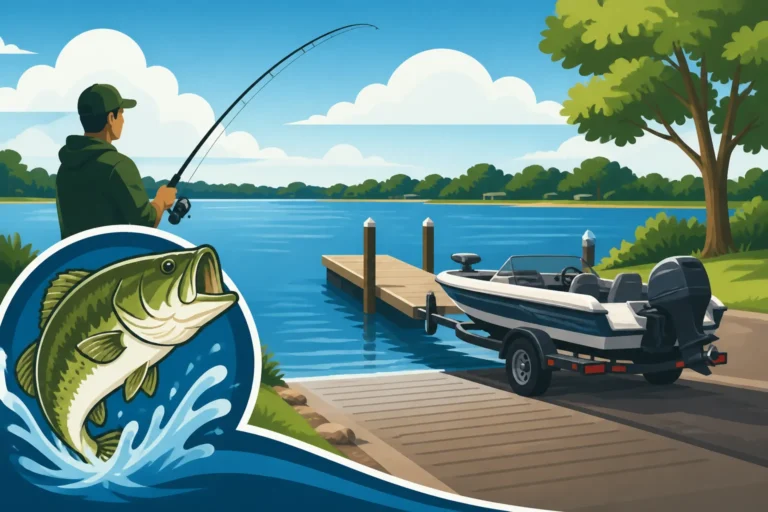
- Atwood Lake Park Marina: Located on the north side of the lake, this is one of the primary access points. It features multiple boat ramps, ample parking, and often has bait, tackle, and boat rentals available. This marina is a hub of activity and a great place to start your day.
- Atwood Lake Resort & Conference Center Marina: Situated on the south side, this marina also provides boat ramps and services. While primarily catering to resort guests, the ramps are generally open to the public. It's a convenient option if you're staying at the resort or in that vicinity.
- Public Fishing Piers and Shoreline Access: Within Atwood Lake Park, there are several designated fishing piers and extensive stretches of accessible shoreline. These areas are well-maintained and perfect for bank anglers, those with disabilities, or families with small children who prefer to stay on solid ground. Look for marked fishing areas, especially near picnic spots and campgrounds.
- Kayak and Canoe Launch Points: For paddle craft enthusiasts, there are numerous smaller, informal launch areas throughout the lake that are perfect for kayaks, canoes, and stand-up paddleboards. These can offer access to quieter coves and shallows that larger boats can't reach.
Always check the current conditions and hours of operation for marinas and parks before your visit, especially during the off-season. Some ramps might be closed or have limited services.
Understanding Local Fishing Regulations
Fishing in Ohio, including at Atwood Lake, requires adherence to specific regulations designed to protect fish populations and ensure fair sport for all. Failing to understand these rules can lead to fines and a ruined day.
- Ohio Fishing License: Every angler 16 years of age and older needs a valid Ohio fishing license. There are different types of licenses available, including annual, multi-year, and short-term options. Non-residents also need a license. You can typically purchase these online, at bait shops, or at many sporting goods stores. A detailed guide on the Ohio Fishing License Guide for Residents and Nonresidents is a must-read for first-timers.
- Statewide Regulations: Atwood Lake falls under Ohio's statewide fishing regulations for most species, which cover daily bag limits and minimum size limits. However, there might be specific exceptions or special regulations for certain species or areas of the lake.
- For example, while there are statewide limits for walleye, saugeye, bass, and panfish, always consult the current Ohio Fishing Regulations booklet or the ODNR website to ensure you have the most up-to-date information. Pay close attention to the Ohio Statewide Bag and Size Limits to avoid any issues.
- Boating Regulations: If you're using a boat, be aware of Ohio's boating laws, including speed limits, no-wake zones, and required safety equipment. Atwood Lake has specific zones where wake restrictions apply. Always carry your boating registration and proof of insurance.
- Fishing Methods: The number of lines an angler can use is typically limited to two in Ohio waters, but always verify current rules. Ice fishing often has different regulations regarding tip-ups and shelters.
- Lead-Free Zones: While not universally mandated, some conservation-minded anglers opt for lead-free tackle to protect wildlife.
It is your responsibility to know and follow all current fishing and boating regulations. Ignorance of the law is not an excuse. When in doubt, err on the side of caution or consult official ODNR resources.
Staying and Playing: Accommodations and More
Atwood Lake is more than just a fishing destination; it's a full-service recreation area with a variety of amenities that can enhance your trip, whether you're planning a day outing or a longer stay.
- Camping: Atwood Lake Park offers extensive camping facilities, from primitive tent sites to full-hookup RV sites. Many of these sites are waterfront or offer easy access to fishing spots. Camping is a fantastic way to extend your fishing trip and enjoy the natural beauty of the area.
- Cabins and Cottages: For those who prefer more comfort, the park and surrounding areas also offer cabins and cottages for rent. These are often fully equipped and provide a home-away-from-home experience.
- Atwood Lake Resort & Conference Center: This full-service resort provides lodging, dining, a golf course, and other recreational activities. It's a great option if you're looking for a luxurious stay or want to combine fishing with other leisure activities.
- Other Activities: Beyond fishing, Atwood Lake offers swimming beaches, hiking trails, disc golf, playgrounds, and opportunities for paddleboarding and kayaking. There are also picnic areas with grills, making it ideal for family gatherings.
- Dining and Supplies: The marinas and nearby towns (like Dellroy and Leesville) offer bait and tackle shops, convenience stores, and local eateries where you can grab a bite or restock your supplies.
If you're considering hiring a local expert to guide you on the lake, especially if you're targeting specific species or want to maximize your time, resources like FishingBooker can help you find and book experienced guides who know Atwood Lake like the back of their hand. These guides often provide all the necessary gear and can dramatically increase your chances of a successful outing. Booking through a reputable platform ensures you get a licensed and insured guide, and it can save you a lot of research time. Planning a guided trip with a service like FishingBooker can also be a great option for a family or group, ensuring everyone has a fantastic, hassle-free time on the water.
Whether you're roughing it in a tent or relaxing at a resort, Atwood Lake provides a complete outdoor experience that goes hand-in-hand with fantastic fishing.
Disclaimer
Please be aware that fishing regulations, lake conditions, and available amenities can change. Always consult the most current Ohio Department of Natural Resources (ODNR) fishing regulations and check with local authorities or park offices for the latest information before planning your trip. Practice responsible angling and respect the environment.