Fishing Tappan Lake, Ohio
Tappan Lake, a picturesque reservoir nestled within Ohio's unglaciated Appalachian Plateau, offers a diverse and often challenging fishing experience. Many anglers arrive eager to cast a line but quickly become frustrated trying to decipher the lake's unique characteristics and target specific fish. This comprehensive guide aims to demystify fishing Tappan Lake, Ohio, covering everything from its prime fishing spots and diverse species to seasonal strategies and essential access points, ensuring your next outing is a well-informed and successful adventure.
Tappan Lake: A Hidden Gem in Ohio's Hill Country
Nestled primarily in Harrison County, with portions extending into Guernsey County, Tappan Lake is part of the Muskingum Watershed Conservancy District (MWCD) system. It’s a place where the rolling hills meet tranquil waters, creating a serene backdrop for anglers, campers, and outdoor enthusiasts alike. But beneath its calm surface lies a vibrant ecosystem waiting to be explored by those who understand its secrets.
Understanding Tappan Lake's Geography and Depth
Tappan Lake spans an impressive 2,350 acres at normal pool, making it one of the larger reservoirs in eastern Ohio. However, its actual size can fluctuate significantly due to flood control operations, which are a common characteristic of MWCD lakes. This means that shorelines and access points might look different depending on recent rainfall and seasonal drawdowns. The lake boasts a maximum depth of approximately 42 feet near the dam, but a significant portion of its fishing grounds consists of shallower coves, submerged creek channels, and expansive flats.
The lake was impounded in 1936 by damming the Little Stillwater Creek, a tributary of the Tuscarawas River. This history means it has a lot of submerged timber and old roadbeds, which are fantastic fish habitat but can be tricky for boaters. These underwater structures, combined with varying depths and fluctuating water levels, create a dynamic environment where fish constantly adjust their patterns. Knowing the historical creek channels and how to read your electronics for submerged cover is paramount to success here. Many anglers get disheartened by the sheer size and apparent lack of structure, but with a good map and some patience, the hidden gems reveal themselves.
Lake Characteristics and Water Clarity
Tappan Lake typically exhibits a moderate level of water clarity, often described as stained rather than crystal clear. This "stained" water, common in many Ohio reservoirs due to agricultural runoff and natural tannins, can actually be a huge advantage for anglers. It often makes fish less wary of baits and allows for a broader range of lure colors and presentations. However, after heavy rains, the lake can become quite muddy, especially in the upper arms, which might require adjusting your tactics, perhaps by using noisier baits or brighter colors that stand out in turbid water.
The lake's bottom composition varies, with areas of silt and muck in the shallower bays and harder bottom (like gravel and rock) around points and old creek channels. These harder bottoms are often key areas for spawning fish in the spring and for baitfish in the fall. Understanding these subtle differences in substrate can help you pinpoint where different species are likely to hold during various seasons. For instance, crappie often relate to wood cover over softer bottoms, while smallmouth bass might prefer rocky points.
Unlocking the Species of Tappan Lake
Tappan Lake is a multi-species powerhouse, offering something for every type of angler. From the elusive muskie to abundant panfish, the lake supports a healthy population of several popular game fish. Each species has its preferred habitat and feeding patterns, and understanding these can dramatically increase your chances of a successful outing.
Walleye and Saugeye Populations
Tappan Lake is one of Ohio's notable destinations for walleye and saugeye. While natural reproduction occurs, the Ohio Department of Natural Resources (ODNR) Division of Wildlife regularly stocks saugeye to maintain a robust population. Saugeye, a hybrid cross between a walleye and a sauger, are known for their faster growth rates and ability to thrive in turbid reservoir environments, often biting more aggressively than their pure walleye cousins. If you're looking to catch some, check out our guide on Ohio Walleye Fishing Guide.
Anglers targeting these toothy critters often find success by focusing on the old creek channels, humps, and points, particularly during low-light conditions or after dark. Trolling with crankbaits or presenting a jig-and-minnow combination are classic techniques that produce results. In the spring and fall, saugeye will often congregate in shallower staging areas before and after their spawning runs. During the summer, they might suspend over deeper water or relate to main lake points. A common frustration is finding them one day and having them vanish the next, but persistence and covering water are key.
Crappie and Panfish Abundance
If you're after consistent action and a delicious meal, Tappan Lake's crappie and other panfish (bluegill, sunfish) are typically plentiful. This lake is well-regarded as one of the Best Ohio Lakes for Crappie. Crappie, both black and white varieties, thrive around the lake's abundant submerged timber, brush piles, and fallen trees. You'll often find them schooling up, making for some fast and furious fishing once you locate a productive brush pile.
For crappie, small jigs tipped with minnows or soft plastics are deadly effective. In spring, look for them moving into shallower coves and around docks to spawn. As summer progresses, they'll retreat to deeper water, often suspending around submerged structure or congregating along channel edges. Bluegill and other sunfish are usually found closer to shore, especially around weed beds, lily pads, and docks, offering fantastic opportunities for younger anglers or those simply looking for steady bites using worms or small jigs under a bobber.
Bass: Largemouth and Smallmouth Opportunities
Tappan Lake offers excellent opportunities for both largemouth and smallmouth bass, solidifying its reputation as one of the Best Ohio Lakes for Bass Fishing. Largemouth bass typically prefer the shallower, cover-rich areas of the lake, such as fallen trees, weed lines (where present), docks, and the back ends of coves. They are ambush predators and will often be found tucked into the densest cover.
Smallmouth bass, on the other hand, tend to prefer rockier areas, main lake points, bluff walls, and submerged humps, especially where there's current or deeper access nearby. They are often found patrolling open water near structure, chasing baitfish. Both species offer exciting topwater action during low-light periods, particularly in warmer months. Spinnerbaits, crankbaits, jigs, and soft plastics are all highly effective, depending on the season and the fish's mood. Don't be surprised to find some quality fish here; patience and varied techniques are often rewarded.
Catfish and Muskie
Beyond the popular sportfish, Tappan Lake also holds impressive populations of catfish and muskie, offering anglers a chance at truly trophy-sized fish. Channel catfish are abundant throughout the lake, often found in deeper holes, along creek channels, and near submerged timber. They are notorious for biting well at night and can be caught using a variety of smelly baits, cut bait, or live worms. For more tips on landing these whiskered giants, consult our Ohio Channel Catfish Fishing Guide.
Tappan Lake has also gained a reputation as one of Ohio's premier muskie fisheries. While these fish are famously difficult to catch, their sheer size and powerful fight make them a bucket-list species for many anglers. Muskie are present throughout the lake, often relating to large submerged structures, deep weed lines, and the edges of creek channels. Targeting them requires specialized gear and a great deal of patience. Large bucktails, jerkbaits, and swimbaits are common presentations. If you're serious about chasing the "fish of 10,000 casts," our Ohio Muskie Fishing Guide offers valuable insights, and remember to check the Ohio Muskie Size and Bag Limits.
Seasonal Strategies and Proven Techniques
Fishing Tappan Lake successfully means adapting your strategies to the changing seasons and the unique habits of the fish throughout the year. What works in spring won't necessarily be effective in summer or winter, and understanding these shifts is crucial.
Spring Fishing Hotspots and Techniques
Spring is a time of renewal and increased activity for Tappan Lake's fish. As water temperatures begin to climb into the 50s and 60s, many species move from deeper wintering grounds to shallower areas for spawning.
- Crappie: Early spring, as water temperatures hit the mid-40s to low 50s, crappie will stage in deeper water near their spawning flats. Once temps reach the mid-50s, they move into shallow coves, around brush piles, and submerged timber. Target them with small jigs (1/32 to 1/16 oz) tipped with minnows or tube baits, fished under a bobber or slowly retrieved. The back ends of larger coves and protected bays are often prime areas.
- Bass: Both largemouth and smallmouth bass become very active in spring. Largemouth will seek out warming shallows, often around existing cover like laydowns and old roadbeds. Spinnerbaits, lipless crankbaits, and jigs are excellent choices. Smallmouth will patrol rocky points and bluff walls, where jerkbaits and suspending crankbaits can be incredibly effective. Look for them feeding aggressively before the spawn, often referred to as the pre-spawn bite.
- Saugeye: As ice-out occurs and water temperatures creep into the 40s, saugeye begin their pre-spawn movements. They’ll often stage in deeper sections of the main creek channels or around the dam area. Trolling with crankbaits or vertical jigging with minnows or blade baits can be highly productive. As water warms into the 50s, they'll move shallower, making evening bank fishing with minnows or soft plastics a good option.
Summer Heat and Deeper Water Tactics
When the Ohio summer heat sets in and water temperatures climb into the 70s and 80s, many fish species retreat to deeper, cooler waters or become more active during low-light hours.
- Crappie: Summer crappie fishing requires patience and a good fish finder. They will often suspend over deep water, especially in the main lake basin, or relate tightly to submerged brush piles and timber in 15-25 feet of water. Spider rigging with multiple rods, presenting minnows or small jigs at different depths, can be very effective. Night fishing under lights can also draw them in.
- Bass: Largemouth bass will often move to deeper docks, submerged weed edges, and offshore brush. Texas-rigged worms, creature baits, and deep-diving crankbaits are good choices. Topwater lures during early morning or late evening can still produce explosive strikes. Smallmouth bass will be found deeper on rocky humps, points, and channel edges. Drop-shot rigs, Ned rigs, and football jigs are excellent for probing these deeper structures.
- Catfish: Summer is prime time for catfish! They are highly active in the warm water, especially at night. Targeting them in deeper holes, along the old river channels, or near cover with stink baits, cut bait, or live bluegill is a recipe for success. Don't forget to check out our guide on Catfish Regulations by Species.
- Saugeye: During the summer, saugeye often suspend over main lake basins or cling to the edges of creek channels in deeper water. Trolling with deep-diving crankbaits at various depths is a common and effective tactic. You might also find them congregated around thermoclines if the lake stratifies, so paying attention to your fish finder is critical.
Fall Action and Winter Ice Fishing
Fall is a fantastic time to fish Tappan Lake, as cooling water temperatures trigger a feeding frenzy for many species, preparing for winter. And if the ice gets thick enough, winter offers unique opportunities.
- Fall Feeding Frenzy: As water temperatures drop into the 60s and 50s, many fish become highly aggressive. Crappie will school up tightly and can be found around brush piles and channel swings. Bass will feed heavily on baitfish, making spinnerbaits, crankbaits, and swimbaits very effective. Saugeye will move shallower again, similar to spring, often biting well in the evenings or on overcast days. Trolling or casting blade baits and larger jerkbaits can be very productive. The key in fall is often following the baitfish.
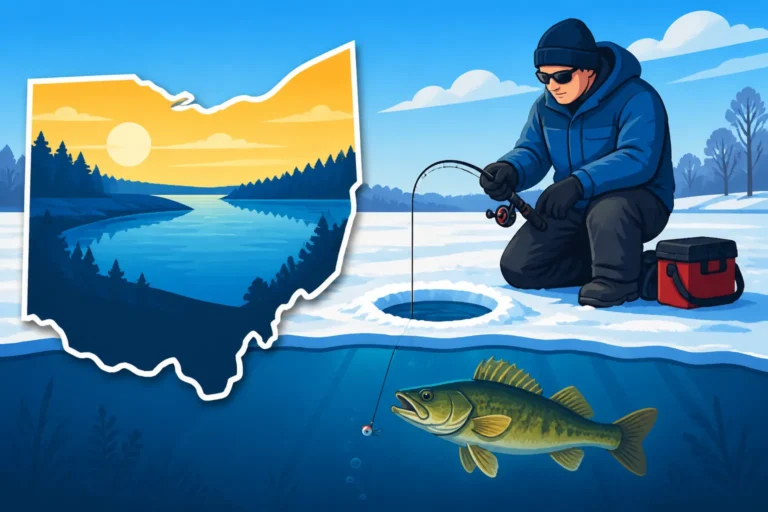
- Winter Ice Fishing (when safe): While Tappan Lake doesn't always have safe ice conditions every year, when it does, it can offer incredible opportunities. Target crappie and bluegill over brush piles and submerged structure using small jigs tipped with waxworms or plastics. For saugeye, focus on the main lake channels and deeper flats, jigging with spoons, blade baits, or minnows. Always prioritize safety and check ice thickness before venturing out. Our Ohio Ice Fishing Guide provides crucial safety tips.
Accessing Tappan Lake: Ramps, Shorelines, and Stay
Getting to Tappan Lake and finding suitable access is relatively straightforward, thanks to the MWCD's management. However, understanding the best places to launch your boat, fish from shore, or even stay overnight can greatly enhance your experience.
Boat Ramps and Marinas
Tappan Lake offers several public boat ramps scattered around its perimeter, making it accessible from various directions. The Tappan Lake Marina, located on the northern side of the lake, is a central hub. It provides multiple launch ramps, fuel, bait, tackle, and boat rentals. This marina is a convenient starting point, especially if you need to stock up on essentials or are renting a boat for the day.
Other ramps are available, such as those near the campground or further down the lake. Always check the current water levels, especially if you're using a larger boat, as some ramps might be less accessible during significant drawdowns. The MWCD website is an excellent resource for up-to-date information on ramp conditions and lake levels. Bringing a reliable boat is essential for covering the vast amount of water and getting to those secluded spots that hold the biggest fish.
Shore Fishing and Public Access Areas
For anglers without a boat, Tappan Lake still offers plenty of opportunities for success. Numerous public access areas, including sections around the Tappan Lake Park and Marina, provide ample shoreline fishing. Fishing piers and designated bank access points are available, offering chances to catch panfish, bass, and even saugeye, particularly during the spring and fall when fish are shallower.
Some of the best shore fishing spots are often found near submerged cover or points that drop off into deeper water. Using a sturdy long rod can help you cast further from shore to reach these productive areas. Additionally, walking the shoreline and looking for signs of baitfish or structure can lead you to overlooked honey holes. Remember to adhere to all park rules and be mindful of other visitors.
Camping and Lodging Options
Tappan Lake is a fantastic destination for extended fishing trips, and the Tappan Lake Park campground offers a range of camping options, from primitive tent sites to full hook-up RV sites. Staying at the campground means you're just minutes from the water, allowing for early morning starts and late-night fishing sessions. The park also provides amenities like swimming beaches, hiking trails, and picnic areas, making it a great destination for families where not everyone is solely focused on fishing.
For those preferring more creature comforts, there are cabin rentals available through the MWCD, offering a cozy retreat after a long day on the water. Beyond the immediate lake area, nearby towns might offer additional lodging options, though these are typically further away. Planning ahead, especially during peak season, is always a good idea to secure your preferred accommodation. If you’re looking to combine your trip with professional guidance, remember that platforms like FishingBooker can sometimes help you identify local guides who might also offer insights into lodging or package deals.
Navigating Tappan Lake's Regulations
Before you cast a line in Tappan Lake, it’s imperative to be familiar with Ohio's fishing regulations. These rules are in place to ensure the sustainability of fish populations and the safety of all anglers. Ignorance of the law is not an excuse, and violations can lead to fines and other penalties.
General Fishing Regulations and Limits
Like all public waters in Ohio, Tappan Lake falls under the statewide fishing regulations. This includes needing a valid Ohio Fishing License Guide for Residents and Nonresidents. It’s a common misconception that because it’s a regional lake, it might have different rules, but the basic requirements apply. Always carry your license with you when fishing.
Beyond the license, anglers must adhere to the Ohio Statewide Bag and Size Limits for various species. For example, there are specific length and creel limits for bass, crappie, walleye/saugeye, and muskie. These limits are subject to change, so always consult the most current Ohio Fishing Regulations booklet, available from the ODNR Division of Wildlife or online. Pay particular attention to species like muskie, which often have high minimum length limits designed to protect trophy-sized fish.
Special Rules for Tappan Lake and MWCD Properties
While general Ohio regulations apply, some MWCD lakes, including Tappan, occasionally have specific rules that might differ slightly or impose additional restrictions. It's always a good idea to check for any lake-specific signs at boat ramps or consult the MWCD website. For instance, some areas might have idle-only zones for boats or specific restrictions on bait types.
One common rule for MWCD lakes relates to the use of two fishing poles. In Ohio, you are generally allowed to fish with up to two poles and lines at one time. This is a crucial detail, especially for those who like to set out multiple baits or troll with several lines. Understanding rules like these can prevent accidental violations.
Boating Regulations and Safety on the Lake
Beyond fishing, boating on Tappan Lake also comes with its own set of rules, all designed for safety. This includes requirements for life jackets for all occupants, especially children, and proper lighting for night operation. Tappan Lake does allow for unlimited horsepower motors, which is a significant draw for many boaters. However, this freedom comes with the responsibility of operating your vessel safely and respectfully.
Always be aware of other boaters, swimmers, and paddlecraft. Observe any posted speed limits in coves or near crowded areas. If you're new to boating or operating a larger craft, consider taking a boater education course. Safety on the water is paramount, not just for you but for everyone else enjoying the lake.
Beyond the Basics: Tips for Consistent Success
Fishing Tappan Lake, like any large body of water, has its nuances. To truly maximize your success and enjoy your time on the water, consider these additional tips and insights.
Reading the Lake: Structure, Cover, and Electronics
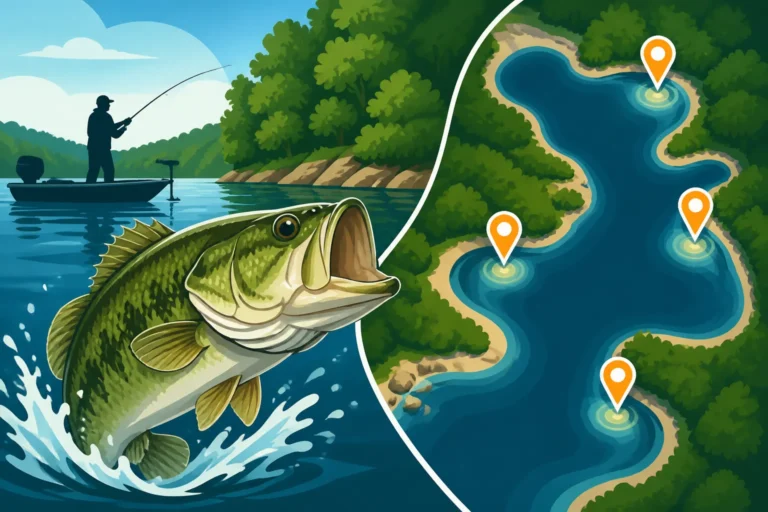
One of the biggest frustrations for new anglers on Tappan Lake is simply not knowing where to start. The lake is full of hidden treasures, but you need to know how to find them. Investing in a good topographic map of the lake is your first step. These maps will show you the old creek channels, humps, points, and sudden depth changes that fish relate to. Pay close attention to areas where old creek beds intersect with points or other forms of cover.
Modern fish finders and GPS units are invaluable tools on Tappan Lake. Use your electronics to locate submerged timber, brush piles, and schools of baitfish. Side imaging and down imaging can help you identify fish-holding structure that you might otherwise miss. Don't just look for fish arches; look for baitfish, cover, and changes in bottom composition. Fish are rarely just "anywhere"; they relate to something. Learning to interpret these signals will transform your fishing.
Essential Gear and Tackle for Tappan Lake
While you don't need the most expensive gear to catch fish, having the right tackle for the job makes a huge difference.
- Rods and Reels: A versatile medium-heavy spinning or baitcasting rod (6'6" to 7'6") is a good starting point for bass and saugeye. For crappie, a lighter, more sensitive panfish rod is ideal. Muskie fishing requires specialized heavy-duty gear, including stout rods and large baitcasting reels capable of handling big lures and powerful fish.
- Line: Match your line to your target species and technique. For most bass and saugeye fishing, 8-15 lb fluorocarbon or monofilament is common. Braided line can be excellent for sensitivity and strength, especially when fishing around heavy cover, but often requires a fluorocarbon leader. For crappie, light 4-6 lb test is usually sufficient.
- Lures and Baits: Pack a diverse tackle box. Minnows, nightcrawlers, and leeches are universal live baits. For artificials, include crankbaits (shallow, medium, and deep divers), spinnerbaits, jigs (various weights and colors), soft plastics (worms, tubes, grubs), and topwater lures. For muskie, bring a selection of bucktails, jerkbaits, and large swimbaits. Having a range of options means you can adapt to what the fish are biting on any given day.
Tapping into Local Knowledge and Guides
One of the quickest ways to shorten the learning curve on Tappan Lake is to tap into local knowledge. This could mean chatting with staff at the marina, visiting local bait shops, or even engaging with other anglers at the boat ramp (respectfully, of course!). Local anglers often have invaluable insights into current patterns, productive areas, and effective baits that aren't widely published.
If you're serious about maximizing your time and learning the lake quickly, consider hiring a local fishing guide. Guides who specialize in Tappan Lake can put you on fish, teach you specific techniques, and help you understand the lake's unique characteristics. Services like FishingBooker can be an excellent resource for finding reputable guides in the area. They often provide details on the guide's specialties, boat, and customer reviews, helping you choose the perfect fit for your Tappan Lake adventure. Even experienced anglers can benefit from a day with a guide to learn new tricks or explore unfamiliar waters.
Disclaimer
The information provided in this guide is for general informational purposes only and is subject to change. Fishing regulations, lake conditions, and fish populations can vary. Always consult the official Ohio Department of Natural Resources (ODNR) Division of Wildlife regulations and the Muskingum Watershed Conservancy District (MWCD) for the most current and accurate information before planning your fishing trip to Tappan Lake. Fish responsibly and safely.