Scioto River Fishing Guide
There's a unique charm to fishing a river that flows right through the heart of Ohio, but let's be honest, the Scioto River can be a real head-scratcher for anglers. From its winding headwaters to its broader, more urban stretches, figuring out where to cast a line and what to expect can feel like navigating a maze. If you've ever felt overwhelmed by the river's sheer length or confused about what fish species are biting where, you're not alone. This comprehensive guide is here to untangle those complexities, offering a realistic look at the Scioto River's fishing opportunities, the species you'll encounter, and the best ways to tackle its diverse waters.
Exploring the Scioto River's Angling Potential
The Scioto River is a sprawling waterway, stretching over 230 miles from its origins in Auglaize County, through the state capital of Columbus, and eventually joining the mighty Ohio River. This incredible length means it's far from a monolithic fishing experience; instead, it presents a fascinating patchwork of environments. Understanding these different sections is key to unlocking its full potential, whether you're a seasoned local or a newcomer looking to explore.
Unpacking the River's Diverse Sections
Think of the Scioto River not as one river, but many, each with its own character. Upstream, north of Columbus, the river is often narrower, shallower, and more wadeable. These sections, especially before they meet larger impoundments like O'Shaughnessy or Griggs Reservoirs, are classic smallmouth bass country. You'll find rocky riffles, swift currents, and plenty of submerged structure where these feisty bronzebacks love to hide. This is where an angler can truly feel immersed in nature, even if civilization isn't far away. It’s an experience that really connects you to the natural flow, and it often feels a world away from the hustle and bustle.
As you move south, particularly through and around the Columbus metro area, the Scioto transforms. Here, it’s considerably wider and deeper, often requiring a boat, kayak, or canoe to effectively cover water. The river in these urban stretches is influenced by impoundments like Griggs and O'Shaughnessy Reservoirs, which act as massive pools that hold a different class of fish and offer varying fishing challenges. Below these dams, you often find tailwater fisheries with consistent flows and excellent opportunities for species like saugeye and even migrating walleye, especially during cooler months. It's a different beast entirely, requiring a different approach and often a bit more planning to navigate.
The Impact of Reservoirs and Dams
The reservoirs along the Scioto River are game-changers, fundamentally altering the river's flow, depth, and fish populations. O'Shaughnessy Reservoir, for instance, not only provides drinking water for Columbus but also creates a significant deep-water fishery for species like saugeye, walleye, and even muskellunge in its upper reaches. Below the O'Shaughnessy Dam, the tailwaters are highly productive, concentrating fish and providing easy access for shore anglers. Similarly, Griggs Reservoir contributes to a slower, wider section of the river, creating excellent habitat for largemouth bass and various panfish, while still holding good numbers of saugeye.
These impoundments often feature dedicated boat ramps, making them fantastic spots for those who prefer to fish from a vessel. However, they also create specific regulations that you need to be aware of. For example, some reservoir areas might have specific horsepower limits or idle-only zones. Always check the local regulations for specific pools and tailwaters, as they can differ from the general river rules. It's not just about finding the fish; it's about knowing the rules of engagement for each unique stretch.
Targeting the Scioto's Prime Fish Species
The Scioto River is a multi-species angler's dream, offering a chance to hook into everything from hard-fighting bass to bottom-dwelling catfish. Knowing what's biting and where to find them is half the battle, and the Scioto provides ample opportunities if you know what to look for.
Brawling Bass: Smallmouth and Largemouth
When it comes to bass fishing on the Scioto, you really get the best of both worlds. The upper and middle sections of the river, characterized by rocky bottoms, riffles, and current, are quintessential smallmouth bass habitat. These bronze warriors thrive in the moving water, often holding behind boulders, log jams, and current seams, ready to ambush unsuspecting baitfish. Targeting them with small crankbaits, jigs, or soft plastic tubes can lead to explosive strikes. If you're a fan of a tough fight on light tackle, the Scioto's smallmouth won't disappoint. To learn more about specific regulations, check out our guide on Ohio Largemouth and Smallmouth Bass Limits.
For those who prefer the chunky largemouth, the slower, deeper pools and the reservoir sections of the Scioto are your best bet. Here, you'll find them lurking around fallen trees, weed beds, and submerged cover. Spinnerbaits, Texas-rigged worms, and topwater lures can be incredibly effective, especially during low-light conditions or when the bass are actively feeding in shallow cover. Many anglers find the urban stretches, surprisingly, hold some monster largemouth due to abundant cover and less fishing pressure in certain hard-to-reach spots.
Channel Catfish and Flatheads: River Monsters
If you're after something big and strong, the Scioto River is absolutely loaded with catfish. Channel catfish are abundant throughout the entire system, from the narrower upstream sections to the wider urban and lower river stretches. They're opportunistic feeders, making them relatively easy to catch on a variety of baits, from cut bait and chicken livers to stink baits and worms. Night fishing for channel cats can be incredibly productive, especially during the warmer months, as they become more active in cooler water. Our Ohio Channel Catfish Fishing Guide delves deeper into specific techniques and locations.
Flathead catfish, the true river monsters, also call the Scioto home, particularly in the deeper, slower sections downstream from Columbus and closer to the Ohio River confluence. These powerful predators prefer live bait – think bluegills, shad, or even large shiners – and often lurk around heavy cover like log jams, deep holes, and undercut banks. Be prepared with stout tackle if you're targeting flatheads; they'll test your gear and your resolve. Finding a reputable guide on platforms like FishingBooker can be incredibly helpful for deciphering the best flathead spots, especially in the larger, more complex sections of the river.
Walleye and Saugeye: Elusive but Rewarding
While Lake Erie gets all the glory for walleye, the Scioto River does offer opportunities for these prized fish, particularly its close cousin, the saugeye. Saugeye, a hybrid cross between a walleye and a sauger, are frequently stocked in Ohio's reservoirs, including O'Shaughnessy and Griggs, and will migrate into the river proper. They thrive in these deeper, impounded sections and often congregate in the tailwaters below dams. Jigging with minnows or soft plastics, trolling crankbaits, or drift fishing with a crawler harness are all productive methods. Learning more about these fascinating fish can be done through our Ohio Saugeye Fishing Guide.
True walleye might be less common in the Scioto itself compared to Lake Erie, but they do show up, especially in the lower river sections closer to the Ohio River during their spawning migrations or when moving upstream from the larger river. The best times to target walleye and saugeye are typically during the cooler months of spring and fall, and even into winter through the ice on the reservoirs. Pay close attention to current seams and structure in the tailwaters; that's where they often stack up.
Mastering Scioto River Fishing Techniques and Tactics
Fishing the Scioto River successfully requires a flexible approach, as the techniques that work in one section might be completely ineffective just a few miles upstream or downstream. Adaptability is your best friend when tackling this diverse waterway.
Effective Lures and Baits for Each Species
For smallmouth bass, versatility is key. Small to medium-sized crankbaits in crawfish or baitfish patterns are excellent for covering water in current. Soft plastic tubes (2.5-3.5 inches) rigged on jig heads are deadly when dragged or hopped along the bottom, mimicking crayfish. Spinnerbaits and buzzbaits can also be effective in stained water or during low-light conditions.
Largemouth bass respond well to traditional tackle. Texas-rigged plastic worms or creature baits worked through cover are a staple. Lipless crankbaits are great for covering flats, while topwater frogs or poppers shine in areas with lily pads or heavy vegetation. Don't overlook jigs with various trailers, especially around fallen timber or deep pockets.
Catfish are less finicky but still have preferences. For channel cats, anything stinky often works: chicken livers, pre-made dough baits, or cut bait from shad or carp. For flatheads, live bait is almost always king. A frisky bluegill or chub hooked through the back and fished near heavy cover on a stout circle hook is your best bet. A good strong line, like a 20-30 lb monofilament or braid, is crucial when you’re wrestling with these powerful fish.
Saugeye and walleye often hit jigs tipped with minnows or nightcrawlers. Blade baits can be incredibly effective in cold water or strong currents, mimicking dying baitfish. Small crankbaits that dive to the appropriate depth are also very productive, particularly when trolled slowly in reservoir sections or cast in tailwaters.
Adapting to River Conditions and Seasons
The Scioto River's water levels and clarity can change dramatically after rainfall. High, muddy water often means fish move closer to the banks to escape strong currents and find clearer water. In these conditions, baits that create vibration or have a strong scent, like spinnerbaits, chatterbaits, or cut bait for catfish, become more effective. During periods of low, clear water, fish can become spooky, requiring lighter lines, smaller baits, and a stealthier approach. This is when finesse techniques for bass or smaller jigs for saugeye really shine.
Seasonal changes also dictate tactics. Spring brings spawning activity for many species, concentrating them in shallower areas. This is a prime time for largemouth bass around emergent vegetation and smallmouth in river shallows. Summer sees fish seeking deeper, cooler water and heavier cover during the day, making early morning or late evening topwater sessions for bass particularly rewarding, and night fishing for catfish paramount. Fall is often a feeding frenzy as fish bulk up for winter, making it an excellent time for aggressive retrieves and targeting saugeye in tailwaters. Winter, while challenging, can offer incredible ice fishing opportunities on the reservoirs for saugeye and panfish, or cold-water jigging for walleye and saugeye below the dams. Always refer to the Ohio Fishing Season Dates and Effective Periods to know what to expect.
| Species | Preferred Habitat (Scioto River) | Best Baits/Lures | Key Techniques | Peak Season |
|---|---|---|---|---|
| Smallmouth Bass | Rocky riffles, current seams, log jams (upper/middle river) | Small crankbaits, soft plastic tubes, spinnerbaits | Wade casting, jigging | Spring, Summer, Fall |
| Largemouth Bass | Slow pools, weed beds, fallen trees (urban/reservoir sections) | Texas-rigged worms, topwater lures, jigs | Casting to cover, flipping | Spring, Summer |
| Channel Catfish | Throughout the river, deep holes, slower currents | Cut bait, chicken liver, stink baits, worms | Bottom fishing, drift fishing | Summer, Fall, Night |
| Flathead Catfish | Deep log jams, undercut banks (lower river) | Live bait (bluegill, shad) | Heavy tackle, still fishing | Summer, Fall, Night |
| Saugeye/Walleye | Reservoir sections, tailwaters below dams, current seams | Jigs (tipped w/ minnows), blade baits, crankbaits | Jigging, trolling, drift fishing | Spring, Fall, Winter |
| Panfish | Quiet backwaters, slower eddies, structure | Small worms, crickets, tiny jigs | Bobber fishing, ultralight jigging | Spring, Summer |
Navigating Access Points and Regulations on the Scioto
One of the biggest hurdles for any angler is knowing where they can legally and practically get to the water. The Scioto River, weaving through rural and urban landscapes, has a mix of public and private access. Always be respectful of private property, and make sure you’re following all local and statewide regulations.
Public Access Points and Parks
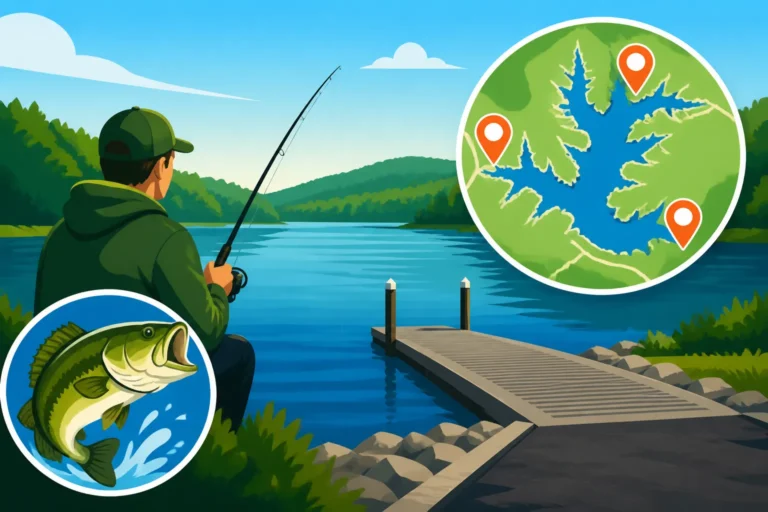
Thankfully, there are numerous public access points along the Scioto River, especially within and around the Columbus area. Metro Parks, such as Scioto Audubon Metro Park, provide excellent shore fishing opportunities, fishing platforms, and often kayak/canoe launches right in the city. These spots are usually well-maintained and offer easy parking, making them perfect for a quick evening trip or a family outing. Greenways and bike paths often run alongside the river, giving anglers additional access points to wade or bank fish.
Outside the urban core, state parks, wildlife areas, and local parks offer further access. Check the Ohio Department of Natural Resources (ODNR) website for detailed maps and lists of public access points, including boat ramps and designated fishing areas. For instance, areas around O'Shaughnessy Reservoir and Griggs Reservoir have multiple boat launches and shoreline access points. When you’re planning a trip to a new area, consulting a resource like FishingBooker can sometimes reveal lesser-known public access points or connect you with local guides who are intimately familiar with hidden gems.
Understanding Ohio's Fishing Regulations on the Scioto
Fishing in the Scioto River means adhering to Ohio's statewide fishing regulations, but it’s crucial to remember that some specific stretches, especially within reservoirs or certain wildlife areas, might have additional rules. This includes bag limits, size restrictions, and even specific gear restrictions. For example, while the general Ohio Fishing Regulations Every Angler Should Know apply, individual reservoirs might have unique rules for certain species or types of fishing.
Before you head out, always make sure your Ohio Fishing License Guide for Residents and Nonresidents is up to date. You can easily purchase or renew your license online through the ODNR website or at authorized vendors. Ignorance of the law is never an excuse, and wildlife officers do patrol these waters. It’s always better to be safe than sorry; a quick check of the current ODNR fishing regulations pamphlet (available online or at most bait shops) can save you a lot of headache.
Boating and Wading Considerations
For the wider, deeper sections of the Scioto, especially south of Columbus and through the reservoir systems, a boat, kayak, or canoe is often the most effective way to reach prime fishing spots. Public boat ramps are available at various locations, but always check for any horsepower restrictions on specific reservoirs. For those venturing into the smaller, shallower upstream sections, wading can be incredibly productive for smallmouth bass. However, always exercise caution when wading; river bottoms can be uneven, currents can be surprisingly strong, and water levels can rise quickly after heavy rains. Wearing appropriate wading gear and using a wading staff for stability are always recommended. Safety first, so you can enjoy the fishing for years to come.
Disclaimer
Fishing conditions and regulations in Ohio can change. Always consult the latest official Ohio Department of Natural Resources (ODNR) fishing regulations and local advisories before heading out on the water. This guide is for informational purposes only and should not be considered a substitute for official legal documentation.