Ohio’s Eastern Basin of Lake Erie
It can feel overwhelming trying to figure out where to even begin when planning a fishing trip on Lake Erie, especially when you realize just how massive and diverse this incredible fishery is. Many anglers get stuck trying to understand the nuances between the different sections of the lake, like the distinct characteristics and fishing opportunities that separate the Western, Central, and Eastern Basins. This guide aims to demystify Ohio's Eastern Basin of Lake Erie, providing you with all the detailed insights you need to confidently plan and execute a successful angling adventure in its unique waters.
Understanding Ohio's Eastern Lake Erie Basin
The vast expanse of Lake Erie can be broken down into three primary basins: the Western, Central, and Eastern. Each has its own distinct characteristics, from depth and bottom composition to the predominant fish species and even the clarity of the water. For us Ohio anglers, understanding the Eastern Basin means recognizing a fundamental shift from the shallower, often warmer waters to the west.
Geographic Boundaries and Characteristics
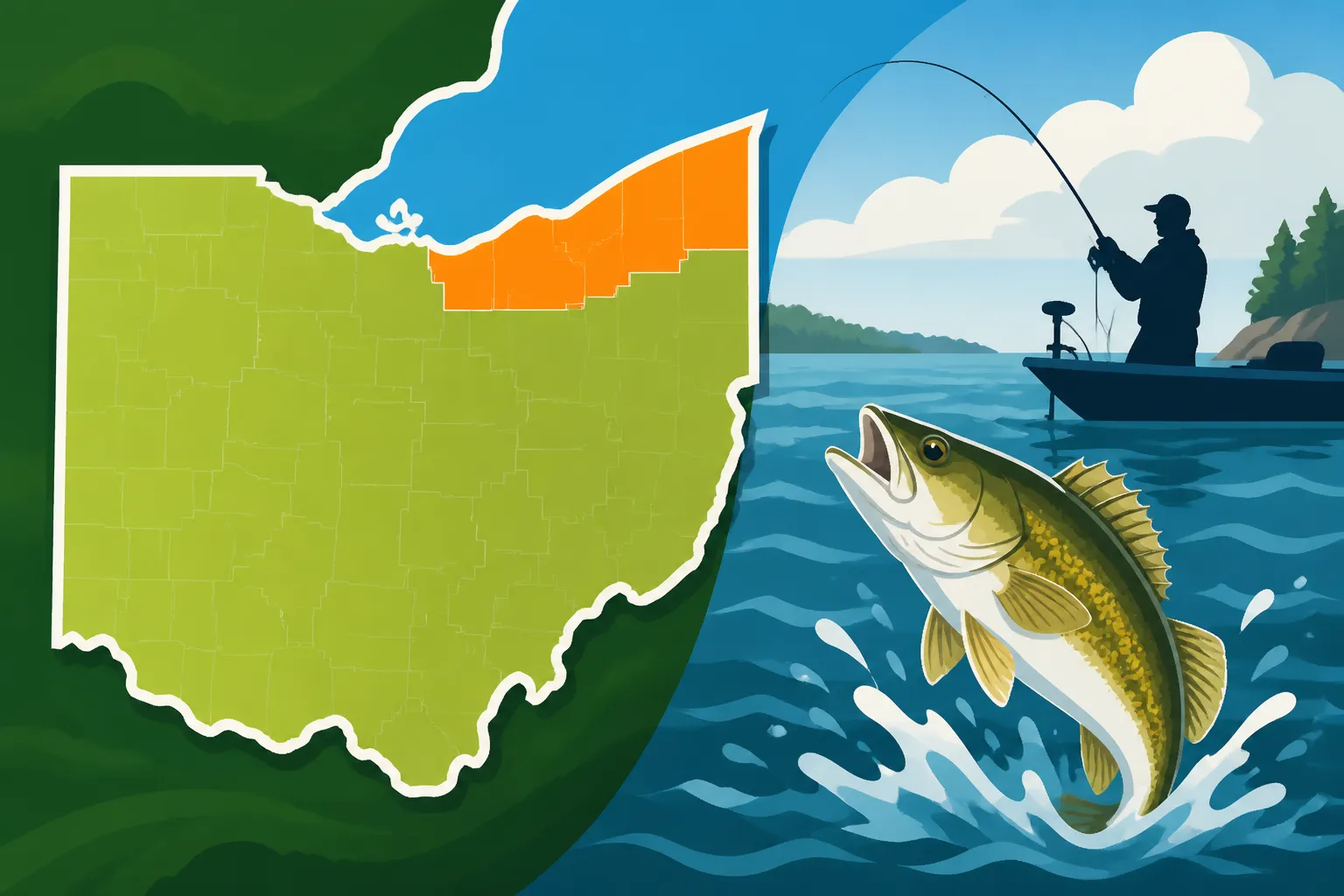
Ohio's Eastern Basin generally stretches eastward from roughly the area of Fairport Harbor, extending all the way to the Pennsylvania state line. While the true Eastern Basin of Lake Erie reaches much further into New York and even Canada, our focus here is on the significant Ohio portion. This part of the lake is characterized by its rapidly increasing depths. As you move east, the lake floor drops off dramatically, reaching depths well over 60 feet and even exceeding 100 feet as you approach the state line. This deep water fundamentally changes how fish relate to the environment and, consequently, how we approach fishing here.
Unlike the often turbid, nutrient-rich waters of the Western Basin, the Eastern Basin tends to be clearer and colder. This is due to its greater depth and distance from major river inputs that carry heavy sediment loads. The bottom composition shifts from the mud and clay common in the west to more rocky structures, gravel, and even sheer drop-offs, especially closer to the shoreline. These features create diverse habitats, from deep-water ledges to extensive offshore reefs and submerged humps, all attracting different species.
Key Fish Species and Their Habitats
While walleye are a major draw across all of Lake Erie, the Eastern Basin offers a slightly different experience. Here, you'll still find healthy populations of walleye, but they often inhabit deeper, cooler waters, especially during the warmer months. Anglers targeting them will be looking for thermoclines and structure in these deeper zones.
Perhaps even more iconic to the Eastern Basin and its tributaries are the phenomenal smallmouth bass and steelhead trout fisheries. Smallmouth bass thrive in the rocky, clear water, frequently holding around submerged ledges, rock piles, and points closer to shore. They're aggressive and a blast to catch on light tackle. Steelhead, on the other hand, are an anadromous rainbow trout strain that migrate from the lake into the tributary rivers to spawn. These powerful fish offer world-class river fishing opportunities, especially in the fall and spring, in rivers like the Grand, Chagrin, and Conneaut Creek that empty into the Eastern Basin. You can also target them in the open lake during certain times of the year, particularly near the mouths of these rivers.
Yellow perch are also present, though their populations can vary and are often found schooled up over specific deep-water structures. Other species like lake trout, coho salmon, and even Atlantic salmon are occasionally caught in the deeper, colder waters, particularly in the far eastern reaches closer to Pennsylvania.
Prime Fishing Opportunities in the Eastern Basin
The Eastern Basin isn't just a place to fish; it's a diverse angling playground offering unique challenges and rewards. Whether you're chasing the trophy of a lifetime or looking for a cooler full of fillets, this area has something special to offer.
Deep Water Walleye Hotspots
When it comes to walleye in the Eastern Basin, you're often talking about deeper water and a different approach than the Western Basin's shallow-water trolling. During the peak summer months, walleye tend to congregate in the deeper, cooler parts of the basin, often suspending in the water column or relating to structure well below 40 feet. Anglers here might focus on areas offshore from Ashtabula, Geneva-on-the-Lake, or Fairport Harbor, exploring the deeper humps and ledges.
Popular techniques include deep-water trolling with downriggers or weighted lines, using crankbaits that dive to considerable depths, or pulling crawler harnesses on inline weights. You're looking for baitfish schools on your electronics, as the walleye won't be far behind. Sometimes, a more stationary approach like vertical jigging with blade baits or heavy spoons can be incredibly effective when you mark dense schools of fish on your fish finder. Being able to read your electronics is absolutely crucial for success when targeting walleye in these deeper waters. Many experienced anglers utilize mapping software and GPS to mark productive drifts or trolling passes.
Shoreline and Nearshore Bass Havens
For smallmouth bass enthusiasts, the Eastern Basin is a dream come true. The clear, rocky waters provide ideal habitat for these hard-fighting fish. Nearshore areas, rocky points, break walls, and submerged rock piles are all prime targets. Look for transition zones where shallower flats drop off into deeper water. Popular areas include the harbors and jetties around Cleveland, Fairport Harbor, Ashtabula, and Conneaut.
Shoreline fishing can be incredibly productive for smallmouth, especially in areas with public access like parks and boat launches that offer rocky structure. Using techniques like drop-shotting, Ned rigs, tube jigs, or small crankbaits can be highly effective. The clearer water often means using lighter line and more natural bait presentations. Early morning and late evening are often the best times, especially during summer, as the smallmouth move shallower to feed. For those with boats, exploring the countless rocky outcrops and nearshore reefs away from the crowds can yield some truly exceptional smallmouth. You can learn more about specific techniques in our guide to Ohio Largemouth and Smallmouth Bass Limits.
Tributary Steelhead Runs
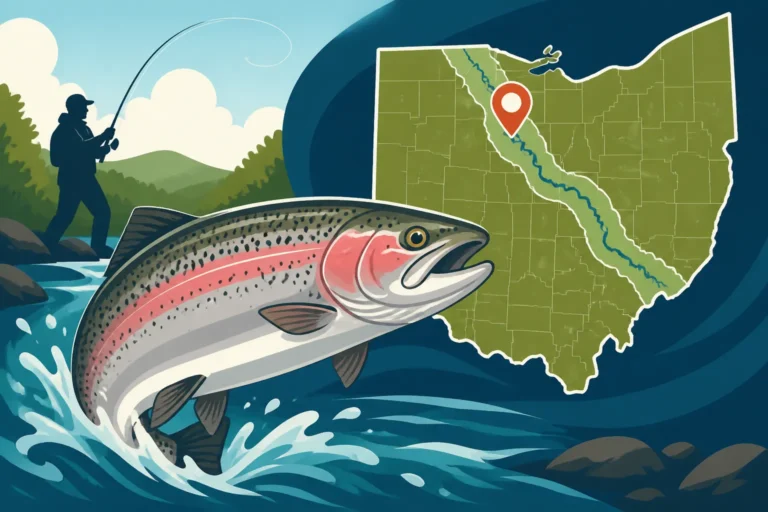
The Eastern Basin is synonymous with Ohio's "Steelhead Alley," a stretch of rivers known for incredible steelhead fishing. These magnificent trout migrate from Lake Erie into tributaries like the Rocky River, Grand River, Chagrin River, Vermilion River, and Conneaut Creek to spawn. The fall (October-December) and spring (March-May) are prime times for these runs, offering some of the most exciting freshwater fishing experiences in Ohio.
Anglers targeting steelhead in these rivers typically use techniques like drift fishing with spawn bags, beads, or small jigs under a float. Fly fishing is also extremely popular, with nymphing and swinging flies being highly effective methods. The key is to find holding water—pools, deep runs, current seams, and areas behind submerged structure where steelhead will rest. Waders are essential for navigating these rivers, and patience is a virtue, as these fish can be finicky. Keep an eye on river conditions and water levels, as these can drastically impact the fishing. A good way to track this is often through local bait shops or online resources, some of which are compiled by services like FishingBooker when you're looking for a guided trip. Many anglers also find our guide on Ohio Steelhead Fishing Guide Services incredibly helpful.
Essential Techniques for Eastern Basin Success
Fishing the Eastern Basin requires a bit of adaptability, given its unique characteristics. The techniques that shine here are often different from those you'd employ in other parts of Lake Erie, demanding a nuanced approach to tackle, presentation, and strategy.
Mastering Deep Water Trolling
Deep water trolling is a cornerstone technique for walleye and other pelagic species in the Eastern Basin, especially once the summer heat pushes fish into deeper, cooler thermoclines. This isn't your grandma's shallow-water pull-a-crankbait trolling; it's about precision and getting your baits down to where the fish are holding, which can be 40 to 80 feet or even more.
Anglers often employ specialized equipment like downriggers, which are essentially winches that lower a heavy cannonball with a release clip, allowing you to run lures at precise depths. Alternatively, weighted lines, Dipsy Divers, Jet Divers, or even simple snap weights can be used to achieve depth. The choice of lure is critical; deep-diving crankbaits that mimic baitfish are popular, as are spoons in various colors. Experiment with trolling speeds and directions, as walleye can be sensitive to presentation. Using your fish finder to mark schools of baitfish and individual fish at specific depths is paramount. Once you locate fish, try to stay on them by making precise turns or zig-zagging patterns. Our guide on Trolling for Lake Erie Walleye offers even more in-depth advice.
Jigging and Drifting Strategies
While trolling covers a lot of water, jigging and drifting are incredibly effective when fish are concentrated in specific areas, especially for walleye and yellow perch. For walleye, vertical jigging with blade baits, spoons, or heavy hair jigs can be deadly when you mark a tight school of fish on your electronics. The key is to present the lure directly to the fish, often with an aggressive lift and fall motion. This is particularly effective in fall and spring or during periods when fish are tightly schooled over structure.
For yellow perch, drifting with a perch rig (often a two-hook spreader rig) tipped with emerald shiners or pieces of nightcrawler is the go-to method. You'll want to find schools of perch using your fish finder and then drift over them, keeping your bait close to the bottom. Sometimes, anchoring directly over a productive spot can yield consistent catches. Pay attention to wind and current, as these will dictate your drift speed and the amount of weight needed to keep your bait in the strike zone. The lighter the weight you can get away with while still maintaining bottom contact, the better your presentation will be. Our article on Ohio Yellow Perch Fishing Guide dives deeper into this topic.
Shore-Based and Tributary Fishing
The Eastern Basin isn't just for boaters; shore anglers have fantastic opportunities, especially for smallmouth bass and steelhead. For smallmouth, casting from break walls, jetties, and rocky shorelines with tube jigs, Ned rigs, or small crankbaits can be highly productive. The key is to fan-cast and work your lures slowly, paying attention to any subtle taps or changes in line tension.
When it comes to tributary fishing for steelhead, accessing the rivers requires a different mindset. Many public access points exist along rivers like the Grand, Chagrin, and Conneaut. Anglers often wade these rivers, moving from pool to pool, casting spawn bags, beads, or small jigs under floats. Fly fishing is also incredibly popular, using nymph patterns, streamers, or egg patterns. Success often hinges on stealth, reading the water to identify holding lies, and having the right presentation for current conditions. Remember to check local regulations for specific river sections, as they can sometimes differ from general Lake Erie rules.
Navigating Regulations and Best Practices
Fishing in Ohio, especially on a dynamic body of water like Lake Erie, means staying informed about the rules and adopting practices that ensure a healthy fishery for generations to come. The Eastern Basin, with its distinct species and varied fishing opportunities, has specific considerations you need to be aware of.
Understanding Lake Erie Regulations
Ohio fishing regulations are in place to manage fish populations and ensure sustainable angling. It's absolutely crucial to familiarize yourself with the current rules, which can change annually. The Ohio Department of Natural Resources (ODNR) Division of Wildlife publishes a comprehensive fishing regulation booklet and online resources. Key areas of focus for the Eastern Basin will be walleye, yellow perch, smallmouth bass, and steelhead limits.
For walleye and yellow perch, Lake Erie has specific daily bag and size limits that can differ from inland waters. For example, Lake Erie Walleye Bag Limits might fluctuate year to year based on population assessments. Smallmouth bass often have specific size and bag limits, and sometimes even a closed season during their spawning period to protect them. Steelhead in the tributaries will have their own set of regulations, including daily limits and potentially bait restrictions on certain river sections. Always double-check before you head out, and if you’re unsure, ask a local tackle shop or consult the ODNR website. Remember, a valid Ohio Fishing License Guide for Residents and Nonresidents is always required for anyone 16 years of age or older.
Ethical Angling and Conservation
Beyond just following the law, ethical angling practices are vital for maintaining the quality of fishing in the Eastern Basin. This includes practicing catch-and-release, especially for species like muskie (though less common here) or if you've already met your bag limit for other species. When releasing fish, handle them gently, minimize their time out of water, and use proper de-hooking tools.
Reducing your environmental impact is also key. Pack out everything you pack in, and avoid leaving any trash, fishing line, or bait containers. Be mindful of spawning areas and give other anglers space, particularly in crowded tributary spots during steelhead runs. Taking care of the environment ensures that these incredible fishing opportunities remain available for everyone. When you book a trip with a professional guide or charter through services like FishingBooker, they will almost always emphasize and uphold these best practices, providing a great example for all anglers.
Safety on the Water
Lake Erie, while beautiful, can be unpredictable, especially in the deeper Eastern Basin. Weather conditions can change rapidly, leading to rough waters. Always check the marine forecast before heading out, and be prepared to cut your trip short if conditions deteriorate. Life jackets are a must, and make sure everyone on board knows where they are and how to use them.
If you're fishing from a boat, ensure all your safety equipment is onboard and in working order – flares, sound-producing devices, a fire extinguisher, and a well-maintained engine. Let someone know your float plan, including where you're going and when you expect to return. For tributary anglers, wearing studded boots or cleated waders can help prevent slips and falls on slick river rocks, and always be aware of rising water levels after heavy rain.
Planning Your Eastern Basin Fishing Trip
A successful fishing trip to Ohio's Eastern Basin is as much about planning as it is about execution. From choosing the right time to visit to finding accommodations and selecting a charter, a little foresight goes a long way.
Best Times to Visit and Target Species
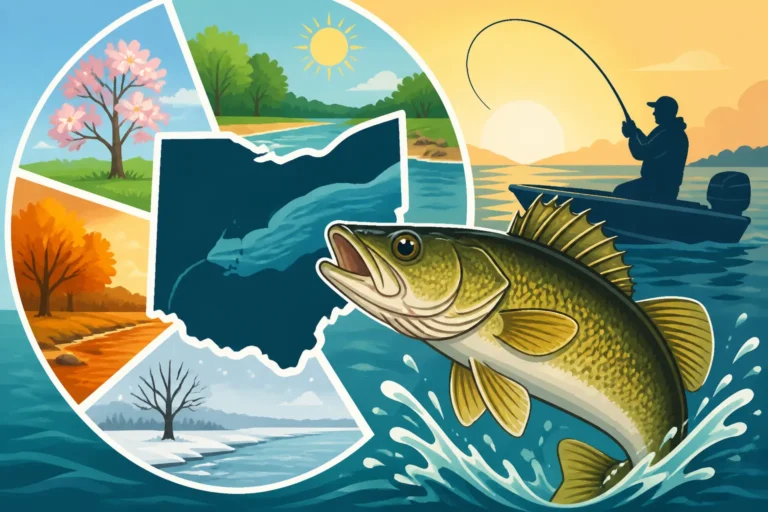
The "best" time to fish the Eastern Basin largely depends on what you're hoping to catch:
- Spring (April – May): This is prime time for steelhead in the tributaries as they make their spawning runs. Walleye also become more active in the open lake as water temperatures rise, often found in shallower to mid-depths before moving deep. Smallmouth bass fishing heats up as they move towards pre-spawn and spawning areas.
- Summer (June – August): Walleye fishing is excellent offshore in the deeper waters of the Eastern Basin. Smallmouth bass remain active around rocky structures. Yellow perch can be found in schools over deep humps. This is also a great time for warmer weather, making boat trips more comfortable.
- Fall (September – November): The steelhead runs are in full swing in the tributaries, drawing anglers from all over. Walleye fishing remains strong, especially as they begin to move shallower again with cooling water temperatures. Smallmouth bass also put on the feedbag before winter.
- Winter (December – March): Ice fishing can be an option on smaller, protected embayments or harbors if conditions allow, but the open waters of the Eastern Basin rarely freeze solid enough for safe ice fishing. Steelhead fishing can still be good in the rivers during warmer winter thaws.
Consulting a local Ohio Fishing Season Calendar can provide more specific dates and insights.
Finding Accommodations and Services
The Eastern Basin region offers a range of accommodations, from quaint bed and breakfasts to chain hotels and rental cabins, particularly in popular towns like Ashtabula, Geneva-on-the-Lake, and Conneaut. Many of these towns cater to anglers, with bait shops, marinas, and restaurants readily available.
When looking for services, local bait and tackle shops are invaluable resources for up-to-date fishing reports, local hot spots, and current conditions. They often carry the specific baits and lures that are working best in the area. If you're new to the area or prefer a guided experience, consider booking a charter or guide. A service like FishingBooker can help you find and book experienced captains who specialize in Eastern Basin fishing, whether you're after walleye, perch, or looking for a Ohio Steelhead Fishing Guide Services to hit the rivers. They often provide all the necessary gear and local expertise.
Charter and Guide Options
For many anglers, especially those visiting the area or new to Lake Erie's Eastern Basin, hiring a charter captain or a fishing guide is an excellent investment. These professionals know the lake intimately, have specialized equipment, and can put you on fish quickly, maximizing your time on the water.
When selecting a charter, consider the captain's experience, their specialty (e.g., walleye, perch, smallmouth), and their boat's capacity. Make sure they are licensed and insured, and ask about what's included (tackle, bait, fish cleaning) and what you need to bring. Reputable charters will communicate clearly about these details. For those targeting steelhead in the rivers, a wade-fishing guide can be an invaluable asset, teaching you the nuances of river fishing and putting you in the best spots. Services like FishingBooker often list detailed profiles and reviews for captains, making it easier to choose the right fit for your trip.
Final Thoughts on Fishing Ohio's Eastern Basin
Fishing the Eastern Basin of Lake Erie is a deeply rewarding experience, offering a diverse array of angling opportunities that stand apart from its western and central counterparts. It demands respect for its deeper, often clearer waters and rewards those who come prepared with the right techniques and an understanding of its unique ecosystems. Whether you're trolling deep for walleye, casting for smallmouth bass along rocky shores, or wading a cold tributary for powerful steelhead, the Eastern Basin promises memorable adventures.
With its blend of challenging conditions and incredible fish populations, this part of Lake Erie isn't just a fishing destination; it's a place where anglers connect with the wild beauty of Ohio's North Coast. So, gear up, do your homework, and get ready to experience some of the best fishing the Buckeye State has to offer!
Disclaimer
Please note that fishing regulations, conditions, and fish populations can change. Always consult the latest Ohio Department of Natural Resources (ODNR) Division of Wildlife regulations before heading out. The information provided in this guide is for general informational purposes only and should not be considered legal or professional advice.