Choosing the Right Ohio Fishing Line
Finding yourself staring blankly at an aisle full of fishing lines, wondering which one is actually right for your next Ohio angling adventure, is a frustration many of us know all too well. With so many options, from monofilament to fluorocarbon and braid, it's easy to feel overwhelmed. This guide is here to untangle the confusion, helping you confidently choose the perfect fishing line for every scenario you'll encounter on Ohio's diverse waters.
Understanding the Main Types of Fishing Line
When you first step into the world of fishing, or even if you’ve been at it for a while, the sheer variety of fishing lines can be daunting. It’s not just about color or brand; different materials offer unique performance characteristics that can make or break your day on the water. Knowing the fundamental differences between monofilament, fluorocarbon, and braided lines is your first step to becoming a more effective angler here in Ohio. Each type has its own strengths and weaknesses, making it more suitable for certain situations, species, or fishing techniques.
Monofilament Line: The Classic Choice
Monofilament, often just called "mono," is arguably the most common and traditional fishing line, and for good reason. It’s made from a single strand of nylon, which gives it a certain level of stretch and flexibility. This stretch can be a real advantage, acting like a shock absorber when a fish makes a sudden run or when you set the hook hard, preventing break-offs, especially with powerful species or lighter tackle. Many anglers appreciate mono for its forgiveness and ease of handling, making it an excellent choice for beginners and experienced fishermen alike.
Beyond its elasticity, monofilament line is relatively inexpensive, readily available, and very easy to tie knots with. It tends to float, which is a big plus for topwater fishing techniques or when you want your bait to stay suspended. However, its main drawbacks include significant memory, meaning it retains the shape of the spool and can cause coils and tangles, and its susceptibility to UV light, which degrades the line over time, necessitating more frequent replacement. You’ll also find it more visible in the water compared to other lines, which can sometimes spook wary fish, especially in clear water conditions common in many of Ohio's inland lakes. Despite these points, mono remains a staple for many Ohio anglers, especially for species like crappie or bluegill where a gentle presentation and shock absorption are key.
Fluorocarbon Line: The Invisible Advantage
Fluorocarbon line has gained immense popularity over the last couple of decades, primarily due to its near-invisibility underwater. Made from polyvinylidene fluoride (PVDF), it has a refractive index very close to that of water, making it almost impossible for fish to see. This makes it a fantastic choice for targeting pressured or finicky fish, or when fishing in crystal clear waters, like some of Ohio's deeper reservoirs. This stealth factor alone can significantly increase your bite ratio, giving you an edge when every nibble counts.
Unlike monofilament, fluorocarbon sinks, which is beneficial for getting your baits down quickly and keeping them there, particularly when fishing jigs, soft plastics, or diving crankbaits. It also boasts much lower stretch than mono, providing increased sensitivity to feel subtle bites and better hook-setting power. Furthermore, fluorocarbon is highly abrasion-resistant, a huge benefit when fishing around sharp rocks, submerged timber, or zebra mussel beds, which are common hazards in places like Lake Erie. While it's generally more expensive than monofilament and can be a bit stiffer, making knot tying a bit trickier, the advantages often outweigh the cons for serious anglers. Many use it as a leader material paired with braided main line, combining the best of both worlds for an incredibly versatile setup for Ohio's diverse fisheries, from the powerful smallmouth bass of Lake Erie to the cunning walleye.
Braided Line: Power and Sensitivity
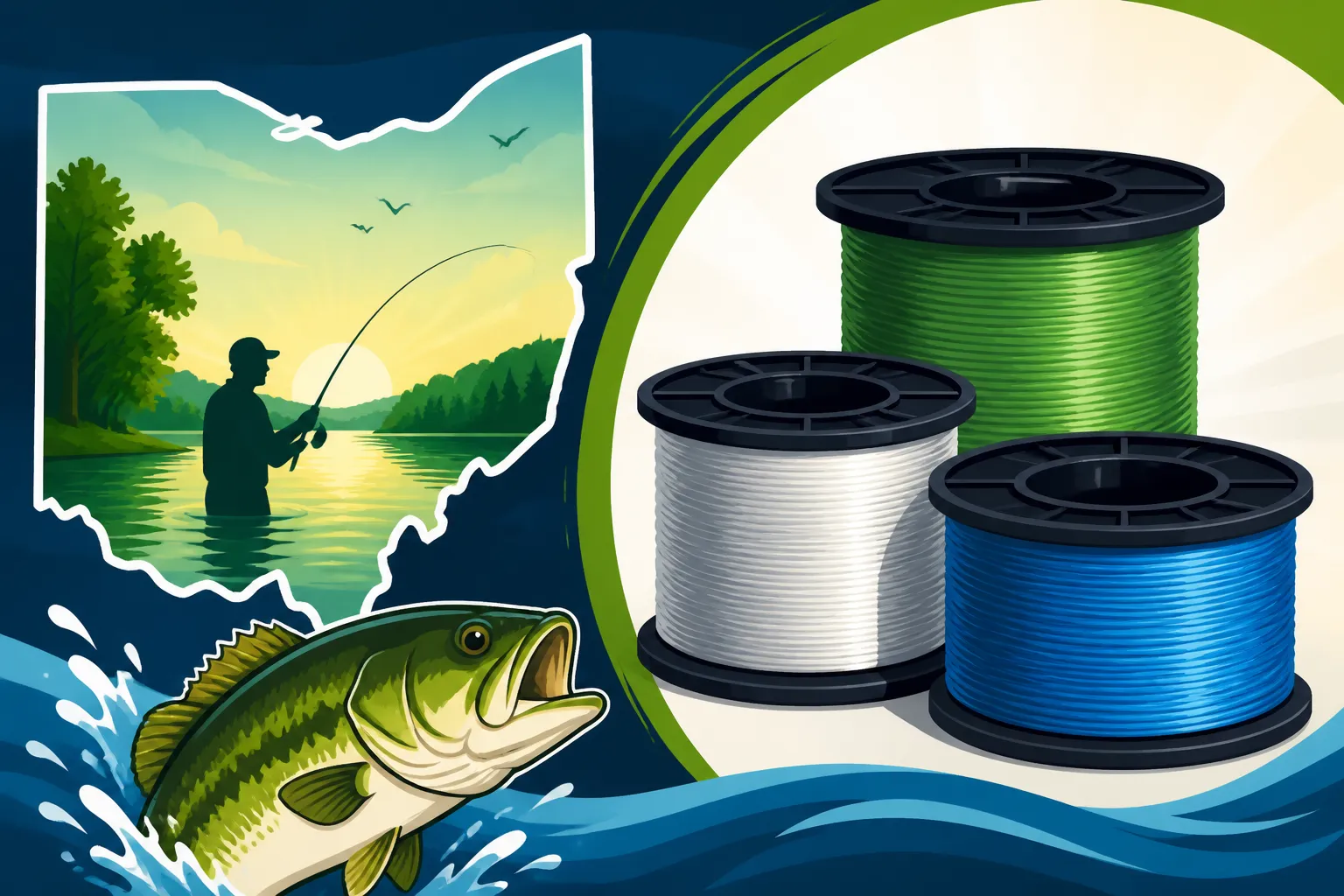
Braided line is constructed from multiple strands of synthetic fibers, often polyethylene, woven together. This unique construction gives it incredible strength for its diameter, virtually no stretch, and exceptional sensitivity. When you're looking for maximum pulling power, the ability to feel the slightest tap on your lure, and the strength to pull fish out of heavy cover, braid is often the answer. Its thin diameter also means you can spool a lot more line onto your reel compared to monofilament or fluorocarbon of the same breaking strength, which can be crucial when casting long distances or fighting a big fish that wants to run.
The zero-stretch characteristic of braided line offers unparalleled sensitivity, allowing you to feel every bump, grind, and subtle bite, which is invaluable for techniques like jigging or when fishing deep. It also provides incredibly powerful hook sets, as all your force is transferred directly to the hook. However, braid’s high visibility in clear water and its tendency to "cut" into itself on the spool under heavy pressure are common concerns. It's also more expensive than mono and can be challenging to cut without sharp scissors. For these reasons, many Ohio anglers pair braided main line with a fluorocarbon leader, particularly for species like walleye or bass where both strength and invisibility are desired. This setup is popular for its balance of power, sensitivity, and stealth. When considering your overall Best Ohio Fishing Gear and Tackle Guide, understanding these three line types is foundational.
Key Line Characteristics to Consider
Choosing a fishing line isn't just about picking monofilament, fluorocarbon, or braid and calling it a day. There's a deeper dive into the specific characteristics within each type that can drastically alter your fishing experience. Understanding factors like line strength, diameter, color, and how much it stretches or resists abrasion will empower you to make more informed decisions, tailoring your setup precisely for the conditions you'll face on Ohio's waters. It's these nuances that truly set apart a successful outing from a frustrating one.
Line Strength Test and Diameter
The "test" of a fishing line refers to its breaking strength, measured in pounds. For example, an 8-pound test line is designed to break at approximately 8 pounds of pressure. However, this is just a guideline, and actual breaking strength can vary by brand and manufacturing process. Choosing the right line strength is critical and depends heavily on the species you’re targeting and the environment you’re fishing in. For delicate panfish like bluegill in a clear pond, a light 4-6 pound test might be perfect, allowing for longer casts and a more subtle presentation. But for trophy muskie in a snag-filled reservoir or robust catfish in the Ohio River, you'll need something significantly stronger, perhaps 50-80 pound test braid, to handle their brute force and keep them from tangling in cover.
Beyond strength, line diameter plays an equally important role. Thinner lines of the same breaking strength generally cast further, have less resistance in the water (which can help lures run deeper), and are less visible to fish. For instance, a 20-pound braided line might have the same diameter as an 8-pound monofilament. This is why many anglers opt for braid when they need strength without bulk. However, thinner lines can be more prone to wind knots or digging into your reel spool, especially with lighter lures. It’s a delicate balance, and the best choice often involves considering the trade-offs between strength, castability, and stealth for your specific fishing style. Remember to check local regulations, too; sometimes there are specific rules on How Many Fishing Lines You Can Use in Ohio or gear restrictions.
Line Color and Visibility
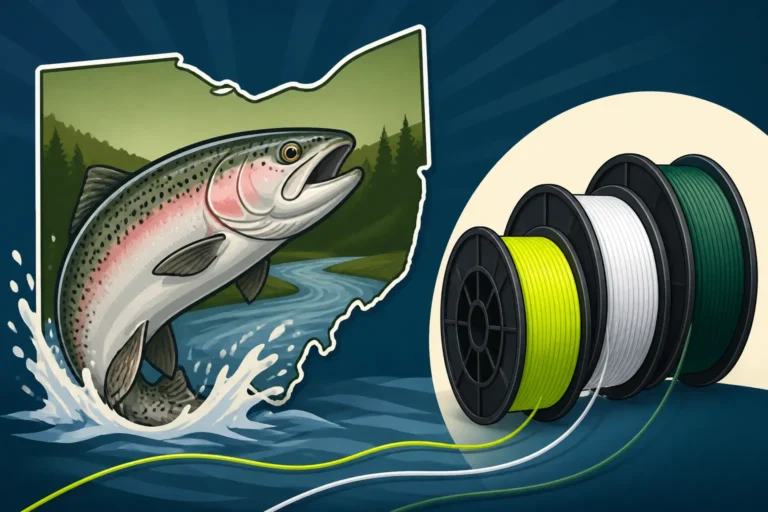
The color of your fishing line might seem like a cosmetic choice, but it can actually impact your fishing success, especially in Ohio's varied water conditions. When it comes to visibility to fish, clear or low-visibility lines (like fluorocarbon) are usually preferred, especially in clear water or when targeting wary species. However, for the angler, a high-visibility line can be a huge advantage. Bright colors like neon green, yellow, or even orange allow you to easily track your line, detect subtle bites by watching for twitches, and manage your line more effectively, particularly when drift fishing for walleye on Lake Erie or casting for steelhead in murky rivers.
For anglers who want the best of both worlds, a common strategy is to use a high-visibility braided main line for its strength and sensitivity, then tie on a long, clear fluorocarbon leader. This setup gives you the ability to see your line above water while presenting a nearly invisible connection to your lure underwater. This combination is incredibly popular for many techniques, from bass fishing with jigs to trolling for walleye. Different water conditions in Ohio, from the stained waters of some inland reservoirs to the often-turbid spring steelhead streams, might call for different line color choices. In darker or muddy water, a high-vis line might be less of a concern for fish, but still invaluable for you to monitor your presentation.
Abrasion Resistance and Stretch
Abrasion resistance refers to a line’s ability to withstand nicks, scrapes, and cuts from rubbing against rough surfaces like rocks, timber, docks, or even the sharp teeth of a fish. This characteristic is paramount in many Ohio fishing scenarios. Imagine you're fishing for Ohio Channel Catfish Fishing Guide in a river filled with submerged debris, or casting for Ohio Largemouth Bass Fishing Guide around fallen trees – a line with poor abrasion resistance will quickly fray and break, leading to lost fish and tackle. Fluorocarbon is generally superior in abrasion resistance compared to monofilament, while braided lines, though strong, can sometimes fray if a single strand is cut.
Line stretch, on the other hand, refers to how much a line elongates under tension. Monofilament has significant stretch, which can be a double-edged sword. It acts as a shock absorber, preventing hooks from tearing out of a fish's mouth and absorbing the impact of a strong strike. However, too much stretch reduces sensitivity, making it harder to detect subtle bites, and diminishes hook-setting power, especially at long distances or in deep water. Fluorocarbon offers low stretch, providing a good balance of sensitivity and a little give. Braided line has virtually no stretch, offering maximum sensitivity and direct hook-setting power. This zero stretch is fantastic for feeling everything happening at the end of your line, but it means you need to be mindful of your drag settings and softer when setting the hook to avoid ripping the lure from a fish’s mouth or breaking your rod. Carefully weighing these factors against your target species and fishing style will greatly enhance your success.
Matching Line to Ohio's Diverse Fishing Scenarios
Ohio offers an incredible variety of fishing opportunities, from the vast expanse of Lake Erie to countless inland lakes, winding rivers, and small streams. Each unique environment and target species demands a specific approach, and choosing the right fishing line is a crucial part of tailoring your strategy. What works wonders for a monstrous walleye might be completely unsuitable for a feisty smallmouth or a delicate trout. Let's break down some common Ohio fishing scenarios and the best line choices for each.
Walleye and Perch Fishing on Lake Erie
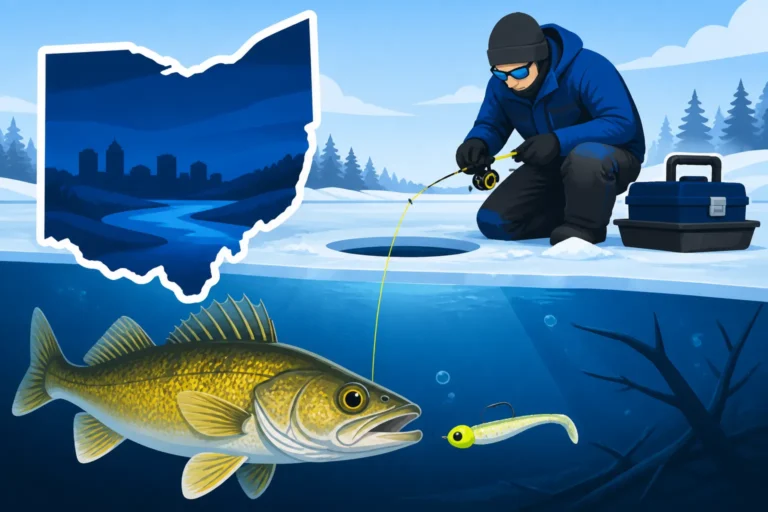
Lake Erie is world-renowned for its walleye and yellow perch fishing, but the vastness and dynamics of the lake require specific line considerations. For walleye, whether you're trolling with crankbaits or crawler harnesses, or jigging in deeper water, you'll need a line that offers a good blend of sensitivity, strength, and abrasion resistance. Many experienced walleye anglers on Lake Erie opt for 10-20 pound test braided main line. Its thin diameter allows lures to dive deeper and presents less water resistance when trolling. The no-stretch quality of braid is fantastic for feeling subtle bites, especially when the walleye are hitting light, and for solid hook sets on long lines.
For added stealth and abrasion resistance, especially when fishing near rocky bottom structure or zebra mussels, a 10-15 foot fluorocarbon leader of 10-15 pound test is almost universally recommended. Brands like Seaguar and Berkley offer excellent fluorocarbon choices that stand up to the challenge. For yellow perch fishing, which often involves drifting with spreaders and live bait, a lighter touch is usually preferred. A 6-10 pound monofilament or fluorocarbon line is excellent. Monofilament offers a little stretch, which can prevent tiny perch mouths from tearing, while fluorocarbon gives you invisibility for finicky biters. However, many perch specialists will even go as light as 4-6 pound braid with a short fluorocarbon leader for maximum sensitivity to those faint perch nibbles. If you're planning a trip, definitely check out the Ohio Walleye Fishing Guide and Ohio Yellow Perch Fishing Guide for more in-depth information.
Bass Fishing in Inland Lakes and Reservoirs
Ohio's inland lakes and reservoirs are home to thriving populations of both largemouth and smallmouth bass, each presenting different fishing challenges. For largemouth bass, which often lurk in heavy cover like lily pads, submerged timber, or thick weeds, you need a strong, abrasion-resistant line with good hook-setting power. For flipping and pitching into dense cover, many anglers spool up with 30-65 pound braided line. The braid cuts through weeds, allows you to feel strikes in heavy cover, and has the brute strength to winch big bass out of thick stuff. For open water presentations or when fishing clear water, a 10-15 pound fluorocarbon line is often favored for its low visibility and good sensitivity, especially when fishing jigs, shaky heads, or crankbaits.
Smallmouth bass, particularly on Lake Erie or rocky reservoirs like Alum Creek, often prefer clear, rocky environments. Here, stealth is paramount. A 8-12 pound fluorocarbon line is a top choice for smallmouth, offering near-invisibility and excellent sensitivity for detecting those subtle smallmouth bites on drop shots, tubes, or swimbaits. Some anglers will opt for a braided main line (10-15 lb) with a 6-10 foot fluorocarbon leader (8-12 lb) for even greater casting distance and sensitivity, especially when fishing deeper breaks. The key with both species is to match your line to the cover you're fishing and the lure you're presenting. Exploring the Best Ohio Lakes for Bass Fishing will give you a good idea of specific waters and their unique demands.
Steelhead Fishing in Tributary Streams
Steelhead fishing in Ohio's Lake Erie tributaries is a unique experience, demanding specialized line choices. These powerful, ocean-run rainbow trout make annual migrations up rivers like the Rocky River, Grand River, and Vermilion River. They are incredibly strong fighters, and the clear, cold water often makes them line-shy. For float fishing, which is a popular and highly effective method for steelhead, many anglers use a bright, high-visibility monofilament (8-12 lb test) as a main line. This allows them to easily track their float and detect the subtle dips that indicate a bite.
However, for the actual presentation to the fish, a very long (often 6-10 feet or more) fluorocarbon leader in 6-8 pound test is crucial for stealth. The invisibility of the fluorocarbon is key to fooling these wary fish. For nymphing or drift fishing without a float, a full spool of 6-10 pound fluorocarbon can also be very effective. Fly anglers will, of course, be using fly line, but the leader and tippet choices follow similar principles of low visibility and appropriate strength. Understanding Ohio Steelhead Fishing Techniques will further highlight the importance of proper line selection in these challenging conditions.
Catfish and Panfish Opportunities
Ohio offers fantastic opportunities for catfish and panfish across its numerous waterways. For channel catfish, flathead catfish, and even blue catfish in the Ohio River, you need tough, strong line that can handle rough fighting and abrasive environments. For general channel cat fishing in smaller lakes and rivers, 15-20 pound monofilament or fluorocarbon is usually sufficient. However, for targeting trophy flatheads or large blue cats in the Ohio River, many dedicated catfishermen go with 30-80 pound braided line, often with a heavy monofilament leader for added abrasion resistance and knot strength. The strength of braid is invaluable when these powerful fish decide to bury themselves in snags.
When it comes to panfish like bluegill, sunfish, and crappie, a delicate approach is often best. These fish have smaller mouths and can be easily spooked by heavy line. For Ohio Crappie Fishing Guide or bluegill, a light 4-6 pound monofilament line is a classic choice, offering enough stretch to prevent hooks from tearing out and a subtle presentation. Ultra-light fluorocarbon in the same test range can also be very effective, especially in clear water, for its invisibility. Some panfish anglers, however, prefer the extreme sensitivity of 4-6 pound braided line, especially when using tiny jigs. In this case, a very short 2-3 foot fluorocarbon leader can be added to maintain stealth.
| Line Type | Pros | Cons | Best Use Cases in Ohio |
|---|---|---|---|
| Monofilament | Forgiving stretch, good knot strength, floats, inexpensive, easy to handle | Visible underwater, degrades with UV exposure, high memory (coils), less sensitive, lower abrasion resistance | Panfish (crappie, bluegill), general purpose, topwater lures, beginner-friendly |
| Fluorocarbon | Nearly invisible underwater, low stretch (sensitive), sinks, high abrasion resistance | Stiffer, more expensive, can be harder to tie knots, less forgiving (can break if stretched too far) | Leaders (with braid), bass (jigs, worms), walleye (clear water), clear water applications, deep fishing |
| Braided | Extremely strong for diameter, no stretch (maximum sensitivity), long casting, cuts through weeds | Highly visible underwater, expensive, can cause wind knots, difficult to cut, can damage rod guides if frayed, poor abrasion if single strand cut | Main line (with fluoro leader), heavy cover bass, muskie, catfishing, deep jigging, trolling for walleye |
Spooling Your Reel and Line Maintenance Tips
Okay, you've agonized over the perfect line, considering every aspect for your Ohio fishing expeditions. That's a huge step! But just having the right line isn't enough; how you put it on your reel and how you care for it can drastically impact its performance and longevity. A poorly spooled reel can lead to frustrating tangles, reduced casting distance, and even lost fish. Similarly, neglecting your line can lead to unexpected break-offs and a prematurely ruined spool. Think of it like taking care of your car – regular maintenance keeps it running smoothly and extends its life.
Proper Spooling Techniques
Getting the line onto your reel correctly is a critical step that many anglers overlook or rush. For spinning reels, the key is to ensure the line comes off the filler spool in the same direction it goes onto your reel spool. If it twists, you’ll end up with severe line twist on the water, leading to tangles and knots. A common method is to lay the spool on the floor with the label up (or down, depending on how it naturally unravels) and reel in, watching for any twist. If twist appears, flip the spool. For baitcasting reels, which don’t typically suffer from twist in the same way, the main concern is getting the line on tight and evenly.
No matter the reel type, always put a bit of tension on the line as you reel it onto your spool. You can do this by having a friend hold the filler spool with a pen through the center, applying light pressure, or by wedging the spool between your feet. Avoid overfilling your spool; leave about an eighth of an inch of rim visible, or you'll have loops flying off every cast, leading to dreaded "bird's nests." Conversely, underfilling means you won't get optimal casting distance. For braided lines, it's often a good idea to put a small amount of monofilament backing on the spool first. This prevents the braid from slipping on the slick metal arbor of the spool and also saves you some money by not using expensive braid for the entire spool. Getting your line spooled correctly from the start will save you countless headaches on the water and ensure your Ohio Fishing Knots to Know hold up to the task.
Regular Inspection and Replacement
Your fishing line is your direct connection to the fish, and it takes a beating. Sunlight, water, snags, fish teeth, and even casting abrasion all contribute to its wear and tear. Therefore, regular inspection and timely replacement are non-negotiable for serious anglers. Before and after every fishing trip, run a few feet of line between your thumb and forefinger, feeling for nicks, abrasions, or rough spots. Pay particular attention to the last few feet of line, especially if you've been fishing around cover. If you feel any damage, cut that section off and re-tie your lure.
Even if you don't detect visible damage, monofilament and fluorocarbon lines degrade over time due to UV exposure and water absorption. Monofilament should typically be replaced every 6-12 months, or even more frequently if you fish often. Fluorocarbon lasts a bit longer, perhaps 1-2 years. Braided line, being more durable, can last several years, but the first 20-30 feet, which see the most action, should be checked and trimmed regularly. If you notice your line losing strength, coiling excessively, or casting poorly, it's time for a fresh spool. Don't let a trophy fish be the casualty of old, worn-out line. Many anglers find it convenient to buy their fishing line in bulk or when sales hit, so they always have fresh spools on hand for various techniques and fish species. You can often find great deals on a wide selection of fishing lines from trusted brands on platforms like Amazon.
Knot Tying Considerations for Different Lines
Tying a strong, reliable knot is perhaps one of the most fundamental yet challenging skills in fishing. And just as there are different lines, there are different knots that perform better or worse with each type. A knot that holds flawlessly with monofilament might slip or cut itself with braided line, leading to disappointment. For monofilament, classic knots like the improved clinch knot, Palomar knot, and uni knot are excellent choices, known for their strength and ease of tying. The inherent stretch and softness of mono allow these knots to cinch down securely without weakening the line.
Fluorocarbon, being stiffer and harder, requires knots that can really grip the line. The Palomar knot is generally considered one of the best for fluorocarbon due to its strength and the way it distributes stress, but it can be a bit bulky. The improved clinch knot also works, but some anglers prefer a double uni knot or a modified clinch. The key is to moisten fluorocarbon knots generously with saliva before cinching them down slowly and firmly to prevent friction-induced heat from weakening the line. Braided line, with its slick, zero-stretch nature, demands specific knots to prevent slippage. The Palomar knot again shines here, as does the uni knot. For connecting braid to a fluorocarbon leader (a very common setup), the FG knot, Alberto knot, or uni-to-uni knot are popular choices, offering a strong, slim connection that passes easily through rod guides. Practicing these knots at home, perhaps with some leader material purchased from Amazon for convenience, will build your confidence and ensure your setup can handle whatever Ohio's waters throw at you.
Common Mistakes and How to Avoid Them
Even seasoned anglers sometimes fall victim to common pitfalls when it comes to fishing line. It's easy to get complacent or simply overlook the details that can make a huge difference in your success rate. Understanding these mistakes and actively working to avoid them will not only save you frustration but also lead to more landed fish and a more enjoyable time on the water. After all, the line is your only physical connection to that prize catch, so treating it right is paramount.
Underestimating Line Break Strength
One of the most frequent mistakes anglers make is underestimating the actual break strength needed for their target fish or fishing conditions. While it's tempting to go with lighter line for a more sporting fight or increased stealth, it can quickly lead to heartbreak. Imagine hooking into a massive Lake Erie walleye or a powerful river muskie on line that's too light; the fight will be short, and you'll likely leave with nothing but a tale of the "one that got away." Furthermore, dense cover like weed beds, submerged trees, or rocky bottoms in many Ohio lakes and rivers can quickly fray or snap even strong lines if they're not rated high enough to withstand the abrasion and the fish's pulling power.
The solution is to always err on the side of slightly heavier line if you're unsure, especially when fishing unfamiliar waters or targeting bigger species. It's better to have a bit of overkill in strength than to be constantly breaking off. If you're concerned about visibility, use a fluorocarbon leader with a heavier braided main line. If you're fishing for Ohio Muskie Fishing Guide, going with a 65-80 pound braid is standard, not extreme. For bass in heavy cover, 30-50 pound braid is often a minimum. Don't be afraid to adjust your line strength based on the specific challenges of your fishing spot. After all, you're investing time, money, and effort into your trip, so ensure your line can handle the job.
Ignoring Line Memory and Twist
Line memory refers to a line's tendency to retain the coiled shape of the spool, leading to frustrating tangles, loops, and reduced casting distance. Monofilament is particularly prone to this, especially older or cheaper lines. Line twist, often a result of improper spooling (especially on spinning reels), using lures that spin excessively without a swivel, or fighting a fish that spins, can make your line a complete nightmare to manage. Both memory and twist can turn a beautiful day on the water into a battle with your tackle, rather than the fish.
To combat line memory in monofilament, you can use line conditioners available at most tackle shops (and often online at Amazon). These sprays help relax the line, making it softer and reducing coiling. For severe memory, stretching out a long section of line and running it through a damp cloth can sometimes help. Preventing line twist starts with proper spooling, as discussed earlier. Always use a quality ball-bearing swivel when fishing lures that spin, like inline spinners or spoons, to prevent twist from transferring to your main line. If you notice twist accumulating, you can remedy it by letting out all your line behind a slow-moving boat (without a lure) and allowing it to untwist, or by cutting off and re-tying frequently. For serious issues, respooling with fresh line is often the best solution.
Using Old, Degraded Line
This is perhaps the most insidious mistake of all, often going unnoticed until it's too late. Fishing line, particularly monofilament and fluorocarbon, does not last forever. Exposure to UV light from the sun, extreme temperatures, saltwater (if you ever venture beyond Ohio!), and even just sitting on a reel for an extended period causes line to degrade. It loses its strength, becomes brittle, and can snap unexpectedly under pressure that it should easily handle. How many times have you heard or experienced a line break on a fish that "wasn't even that big"? More often than not, old, degraded line is the culprit.
As discussed in the maintenance section, regular replacement is key. If your monofilament has been on your reel for more than a year, especially if it's seen a lot of sun, it's a prime candidate for replacement. Even if it looks okay, its molecular structure might have weakened significantly. Fluorocarbon is more resistant but still benefits from periodic replacement. Braided line is the most durable, but even it can chafe and fray, especially the first several feet. Develop a habit of inspecting your line, feeling for roughness, and checking its color for fading. If in doubt, cut it out or, better yet, replace the entire spool. A fresh spool of quality line is a small investment compared to the heartbreak of losing a fish of a lifetime because of a penny-pinching decision.
Where to Find Quality Fishing Line
Once you've zeroed in on the perfect fishing line for your next Ohio adventure, the next logical step is acquiring it. The good news is that getting your hands on quality fishing line is easier than ever, thanks to a variety of retail options. Each avenue has its own advantages, whether you prefer the tactile experience of shopping in person or the vast selection and convenience of online browsing. Making an informed choice about where to buy can be almost as important as what to buy.
Local Tackle Shops
There's something truly special about walking into a local bait and tackle shop. These places are more than just stores; they're often community hubs, filled with knowledgeable folks who live and breathe fishing. When you visit a local shop, you get the distinct advantage of talking to experienced anglers who understand the specific fishing conditions in Ohio. They can offer personalized recommendations based on the local lakes, rivers, and species, guiding you not just on line type but also on preferred brands and breaking strengths that are performing well in your area right now.
Beyond the expert advice, local tackle shops allow you to physically examine the line. You can feel the diameter, check the stiffness, and see the exact color under natural light – all things that are harder to gauge online. Plus, supporting your local tackle shop contributes directly to the fishing community and helps keep these invaluable resources alive. Whether you're in Cleveland, Columbus, or a smaller town, seek out these local gems. They'll often carry a curated selection of lines known to work well for regional species, from the best braid for Lake Erie Walleye Trolling Techniques to the most subtle fluorocarbon for a local bass pond.
Online Retailers and Their Benefits
In today's digital age, online retailers offer unparalleled convenience and selection for purchasing fishing line. The biggest advantage here is the sheer variety. Online stores typically stock a much broader range of brands, line types, colors, and breaking strengths than any single brick-and-mortar store could. This means if you're looking for a very specific type of line that might be harder to find locally, or if you want to compare different options side-by-side, online shopping is often your best bet.
Websites like Amazon, for example, provide detailed product descriptions, customer reviews, and often competitive pricing, sometimes even offering bulk discounts that can be appealing if you're stocking up for multiple reels or the whole season. You can browse at your leisure, read up on the latest innovations in line technology, and have your chosen spools delivered right to your door. This can be especially handy if you live in a rural area without easy access to a well-stocked tackle shop, or if you simply prefer the comfort of shopping from home. Just remember to read reviews carefully to ensure you're getting a quality product and confirm that the line is fresh, as older stock can sometimes be a concern with certain line materials.
Disclaimer
Fishing regulations, license requirements, and local conditions can change. Always consult the latest Ohio Department of Natural Resources (ODNR) fishing regulations before heading out. This guide is for informational purposes only and does not constitute legal advice. Stay safe and always prioritize responsible angling practices.