Ohio Winter Fishing and Ice Safety
The crisp air, the vast expanse of frozen water, and the quiet solitude of an Ohio winter can be incredibly appealing to an angler. Yet, the thought of stepping out onto that ice, especially if you're new to it, can be daunting, even a little terrifying. Many aspiring ice anglers feel held back by a lack of clear information on how to stay safe, what gear they truly need, and where to even begin. This comprehensive guide is here to melt away those fears, providing you with the knowledge and confidence to safely and successfully enjoy Ohio's unique winter fishing opportunities.
The Allure and Challenges of Winter Fishing in Ohio
There's a special kind of magic that settles over Ohio's lakes and reservoirs when winter takes hold. While many anglers pack away their gear, a dedicated few, or those looking for a new adventure, embrace the hardwater season. It’s a chance to experience fishing from a completely different perspective, but it certainly comes with its own set of hurdles.
Why Anglers Brave the Cold
For those who embrace it, winter fishing offers a unique thrill that open-water season simply can't match. First off, the solitude can be incredible. Many popular spots that are bustling with boats in the summer become peaceful havens in winter, often with fewer people around, especially on weekdays. This means less competition for prime fishing grounds and a more serene experience overall.
Beyond the peace and quiet, the fishing itself can be fantastic. Fish metabolism slows down in colder water, which can make their bites incredibly subtle, requiring a different level of focus and finesse. However, when you find an active school of fish, particularly panfish like crappie and bluegill, or even some of the larger predatory species like walleye and saugeye, the action can be fast and furious. Plus, catching a true trophy fish through a hole in the ice feels like an extra special accomplishment. It's a testament to patience, skill, and the willingness to brave the elements. You often find that some of the biggest fish of the year are caught during the coldest months when they are concentrated in specific areas.
Common Misconceptions and Frustrations
It’s completely understandable why many people shy away from ice fishing. The primary fear, of course, is falling through the ice. The thought of plunging into frigid water is enough to deter anyone, and legitimate safety concerns about ice thickness are paramount. This fear often stems from a lack of reliable information about how to assess ice conditions and what safety precautions are truly necessary. People hear stories and automatically assume the worst, without understanding the nuances of ice formation and safety protocols.
Another common frustration for newcomers is the perceived complexity of the gear. Do you need a special ice fishing rod? What's an auger? How do you stay warm enough to enjoy it? The specialized equipment can seem intimidating and expensive, making it hard to know where to start. Many people envision shivering on a bucket, battling frostbite, rather than a comfortable, productive day on the ice. They might even assume that all the good fishing spots are inaccessible or require advanced knowledge. This guide aims to clear up these misconceptions and provide practical, realistic advice.
Essential Ice Safety First: Don't Go Without This Knowledge
Before you even think about drilling a hole or casting a line, understanding ice safety is the absolute priority. There’s a saying among seasoned ice anglers: "No fish is worth your life." This isn't just a catchy phrase; it's a fundamental truth that should guide every decision you make on the ice. Ignoring these precautions can turn a fun day into a life-threatening situation faster than you can imagine. Always check local conditions and advisories from the Ohio Department of Natural Resources (ODNR) before heading out.
Understanding Ice Thickness and Quality
This is the golden rule of ice fishing, and frankly, of any activity on frozen water. You must understand that ice is never 100% safe, and its thickness can vary dramatically even within a few feet. A general guideline for new, clear, solid ice is as follows, but always exercise extreme caution:
| Activity | Minimum Ice Thickness (Clear, New Ice) | Notes |
|---|---|---|
| Ice fishing on foot, walking | 4 inches | Always check frequently with a spud bar. |
| Snowmobile, ATV | 5-7 inches | Distribute weight; avoid high speeds over unknown areas. |
| Small passenger car | 8-12 inches | Extremely risky; requires careful planning and knowing the ice intimately. |
| Medium truck | 12-15 inches | Very high risk; generally not recommended for recreational ice fishing vehicles. |
Remember, this is for clear, new ice. Slushy ice, ice that's been through thaws and refreezes, or ice with snow cover will be significantly weaker. Snow acts as an insulator, preventing thick ice from forming, and can also hide weak spots or open water. Areas with springs, inlets, outlets, or current, even subtle ones, will always have thinner ice. Always be on the lookout for pressure cracks, which indicate shifting ice and can be extremely dangerous. Before venturing out, you should always consult resources like "How Thick Ice Should Be Before Fishing in Ohio" for detailed safety advice.
Personal Safety Gear You CANNOT Skip
Even with careful ice assessment, accidents can happen. That’s why carrying the right personal safety gear isn't optional; it's absolutely mandatory. Think of it as your insurance policy.
- Ice Picks: These are small, sharp tools that you wear around your neck or keep readily accessible. If you fall through, you can use them to pull yourself back onto the ice by digging them in and leveraging your weight. They are inexpensive and can be found on Amazon.com, making them an essential and easily obtainable piece of gear. Make sure they're sharp and you know how to use them.
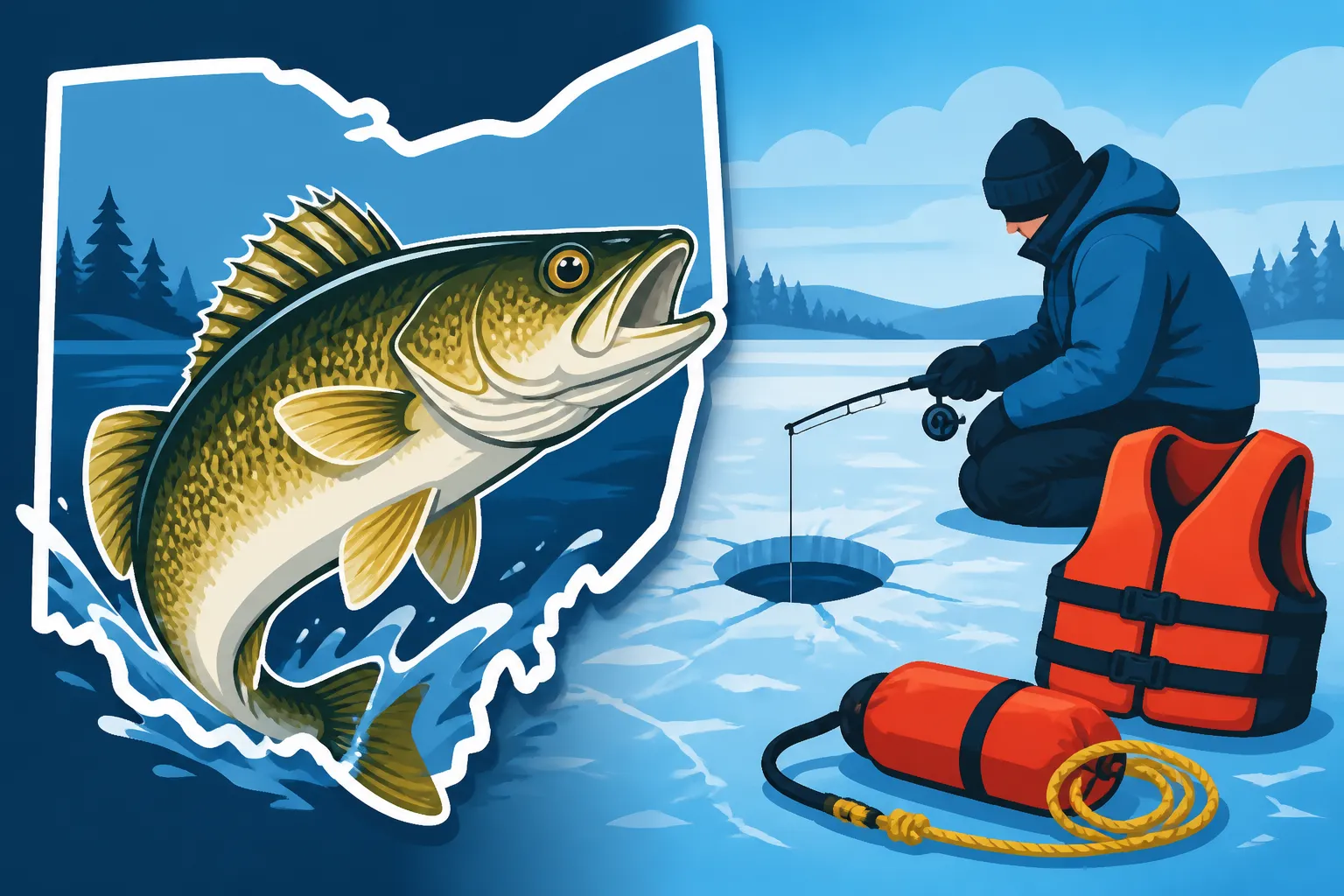
- Flotation Suit or PFD (Personal Flotation Device): An ice fishing flotation suit isn't just about warmth; it's designed to keep you afloat if you go through the ice. Many modern suits offer excellent insulation and breathability while also providing critical buoyancy. If a full suit isn't in your budget, at minimum wear a PFD over your layers. Hypothermia sets in quickly in cold water, and the ability to stay afloat and conserve energy is vital for self-rescue or waiting for help.
- Spud Bar: This heavy metal bar with a chisel-like end is your frontline defense. Use it to check ice thickness as you walk. Strike the ice firmly in front of you; if it goes through in one or two strikes, the ice is too thin. This constant testing is crucial, especially when moving into new areas.
- Rope/Throw Bag: A length of sturdy rope, preferably with a floatable bag, is essential. If a buddy falls in, you can throw them the rope from a safe distance, allowing them to pull themselves out or for you to assist. Keep it easily accessible, not buried in a sled.
- Whistle: Simple, but effective. If you're in distress and too cold to shout, a whistle can alert others to your location.
- Fully Charged Cell Phone: Keep it in a waterproof bag, close to your body to keep the battery warm. This is your lifeline for calling for help.
Group Fishing and Communication
While the solitude of winter fishing can be appealing, it's always safer to go with a buddy. There's strength in numbers, especially when facing the unpredictable nature of ice. When fishing with a group, establish clear communication protocols. Tell someone reliable (not on the ice with you) where you're going, your expected return time, and have a backup plan. Check in regularly. On the ice, keep an eye on each other, especially if people are spread out.
If someone does fall through, the immediate actions of those nearby are critical. Having multiple people means more hands for rescue, and a better chance of someone being able to call for emergency services. Even if you're fishing alone, always inform someone of your specific location and expected return. It’s a small step that could save your life. For more detailed information, remember to check out "Ice Fishing Rules on Ohio Lakes" which often includes guidelines on safe practices.
Gearing Up for Ohio Ice Fishing: What You Actually Need
Once you’ve got safety squared away, it’s time to think about the gear that will make your ice fishing experience productive and, most importantly, comfortable. You don't need to break the bank to get started, but investing in a few key items will significantly improve your enjoyment and success.
Rods, Reels, and Line
Ice fishing isn't just about using your summer gear through a hole. Dedicated ice fishing rods are shorter, typically ranging from 24 to 36 inches, allowing you to fish comfortably inside a shanty or close to the hole. Their sensitive tips are designed to detect the subtle bites of cold-water fish, which can often be just a slight twitch or a feeling of "weight" on the line.
- Rods: Look for ultra-light to medium-light action rods for panfish and walleye, with sensitive tips and a good backbone. Brands like St. Croix, Fenwick, and Ugly Stik all make excellent ice rods.
- Reels: Small spinning reels (500 to 1000 size) are perfect for ice fishing. They should have a smooth drag system, as even smaller fish can put up a surprisingly good fight on light line.
- Line: This is crucial. In clear, cold water, fish can be very line-shy. Many anglers opt for fluorocarbon lines (2-6 lb test) for panfish and up to 8-10 lb for walleye. Fluorocarbon is nearly invisible in water and has minimal stretch, enhancing sensitivity. Braided line can also be used, especially in deeper water, but it's often paired with a fluorocarbon leader to maintain stealth and reduce ice-abrasion issues. You can find a good selection of specialized ice fishing lines and combos on Amazon.com, often at competitive prices. Before picking out your line, ensure you're familiar with "Ohio Ice Fishing Gear and Line Rules" to stay compliant.
Shelter and Comfort
Staying warm is non-negotiable for an enjoyable and safe ice fishing trip. Hypothermia is a real threat, and being cold can quickly turn a fun day into a miserable one.
- Layered Clothing: This is the golden rule for cold weather. Start with a moisture-wicking base layer (synthetics or wool), add insulating middle layers (fleece, down), and finish with a waterproof and windproof outer shell. Don't forget a warm hat, gloves or mittens (often two pairs – one for handling fish/bait, one for warmth), and insulated, waterproof boots.
- Shelter (Shanties): A portable ice fishing shanty is a game-changer. These shelters, often called "flats," "flips," or "hubs," provide protection from wind, snow, and extreme cold. They can range from small, one-person flip-over models that attach to a sled to larger hub-style shelters that can comfortably fit multiple anglers and a heater. Having a shelter allows you to fish longer, stay focused, and enjoy the experience much more. You can find various sizes and styles of shelters from brands like Eskimo, Clam, and Frabill on Amazon.com, making them accessible to most anglers.
- Heaters: A small, portable propane heater can make your shanty feel like a living room. Brands like Mr. Heater are very popular. However, proper ventilation is critical to prevent carbon monoxide poisoning. Always ensure your shanty has adequate airflow, and consider investing in a portable carbon monoxide detector.
- Seating: A comfortable bucket or a small folding chair makes a big difference over hours of fishing.
Augers
To get to the fish, you first need to get through the ice. That's where an auger comes in. Choosing the right one depends on your budget, physical strength, and how many holes you plan to drill.
- Manual Augers: These are hand-cranked and are perfect for thinner ice (under 10 inches) and for anglers who don't need to drill many holes. They are lightweight, quiet, and the most affordable option. They're also great for a bit of a workout!
- Power Augers:
- Gas Augers: The traditional workhorse, gas augers quickly cut through thick ice. They're powerful but can be noisy, heavy, and require fuel mixing and maintenance.
- Propane Augers: A cleaner, quieter alternative to gas, propane augers run on small propane cylinders. They're easier to start in cold weather and produce fewer fumes.
- Electric Augers: These have become incredibly popular in recent years, especially with advancements in battery technology. Brands like ION and StrikeMaster make powerful, quiet, and lightweight electric augers that can drill dozens of holes on a single charge. They are emission-free, making them ideal for use inside shanties. While often a higher initial investment, the convenience and performance are hard to beat. If you're looking for a new auger, checking out options on Amazon.com can provide a good overview of the latest models and prices, along with customer reviews.
Top Ohio Ice Fishing Techniques and Target Species
Ohio offers a diverse range of species that remain active under the ice, and matching your technique to the fish and conditions is key to success. Understanding these strategies will not only boost your catch rate but also deepen your appreciation for the unique challenges and rewards of hardwater angling.
Walleye and Saugeye on the Ice
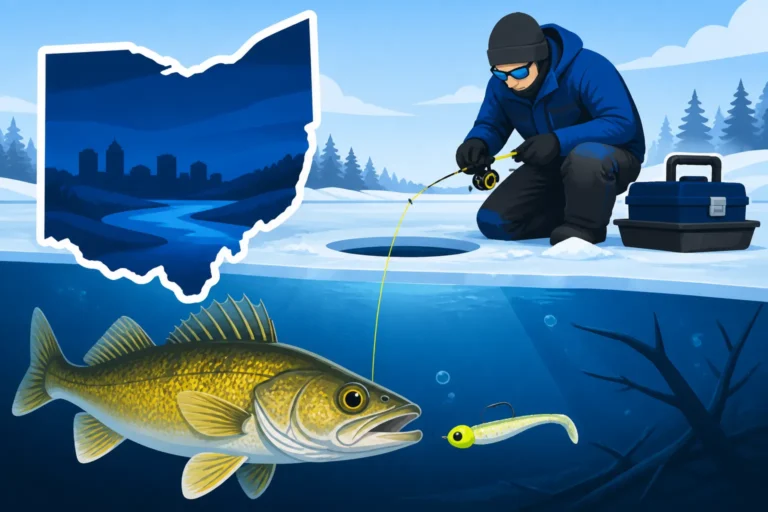
Walleye are perhaps the most sought-after species through the ice in Ohio, especially on larger reservoirs and, cautiously, on Lake Erie. Saugeye, a hybrid of walleye and sauger, are also popular and often found in similar habitats. These fish are predatory and respond well to aggressive jigging.
- Jigging Spoons: These flashy, metallic lures mimic injured baitfish and are incredibly effective. Favorites include Northland Buck-Shot Rattle Spoons, Custom Jigs & Spins Slender Spoons, and Rapala Jigging Raps. The technique involves aggressively lifting the rod tip, letting the spoon flutter back down, and then pausing. Most bites occur on the fall or during the pause. Vary your jigging cadence and depth until you find what the fish prefer.
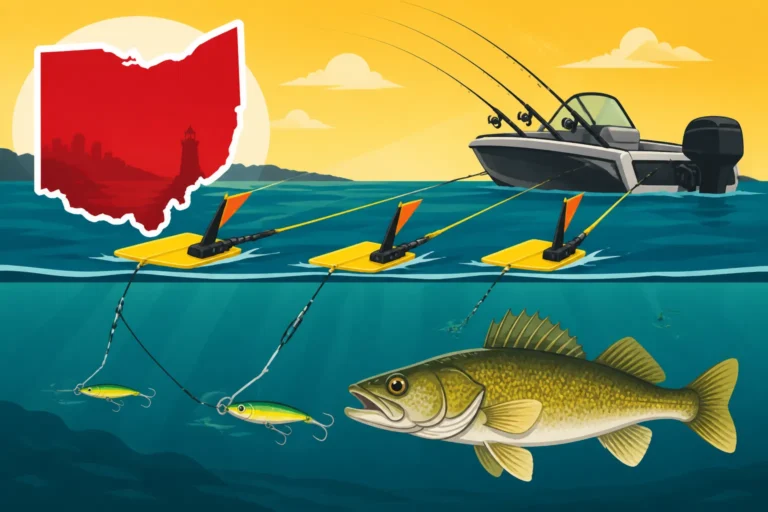
- Tip-Ups: These passive devices allow you to cover more water. You bait a hook (often with a live shiner or sucker minnow), lower it to a desired depth, and set the flag mechanism. When a fish takes the bait, the flag pops up, signaling a bite. This is a great way to target larger, more wary walleye that might be hesitant to chase a jig. Make sure to check on your lines frequently, especially when multiple tip-ups are in use. Remember that Ohio has specific rules on "How Many Fishing Lines You Can Use in Ohio," so always be compliant.
- Best Times and Depths: Walleye and saugeye often bite best during low-light conditions – dawn, dusk, and even into the night, particularly on full moons. They tend to congregate near drop-offs, humps, and submerged structure where they can ambush baitfish. Fishing anywhere from 10 to 30 feet, or even deeper in some reservoirs, can be productive depending on the body of water. For a deeper dive, read our guide on "Ice Fishing Techniques for Ohio Walleye".
Panfish Powerhouses: Crappie, Bluegill, and Perch
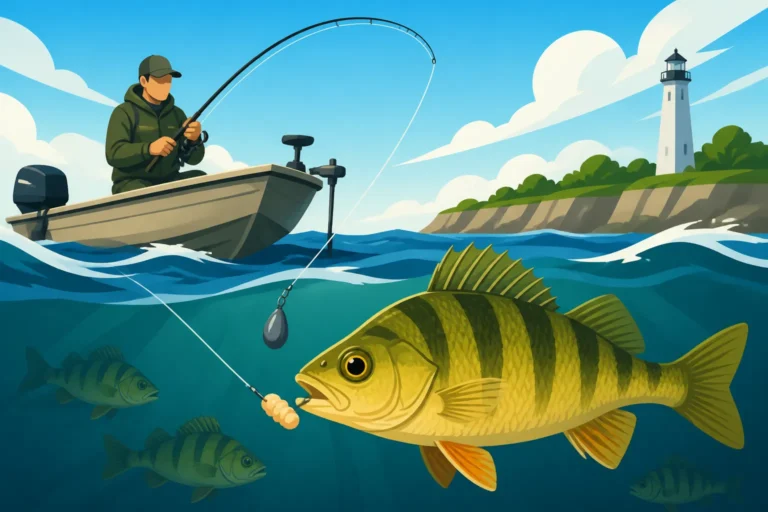
Crappie, bluegill, and yellow perch are abundant in many Ohio waters and provide consistent action for ice anglers. They are often found in schools, so when you find one, you're likely to find many!
- Small Jigs and Live Bait: Tiny tungsten jigs, often in bright colors like chartreuse, pink, or orange, tipped with a small plastic grub, a wax worm, or a couple of maggots, are deadly for panfish. The small profile and heavy weight of tungsten allow these jigs to get down to depth quickly.
- Finesse Presentation: Panfish bites can be incredibly light. Use sensitive rods and light line (2-4 lb test monofilament or fluorocarbon) to detect the subtle "thump" or upward lift that signals a bite. Often, fish will just inhale the bait without a strong tug. A slight twitching motion, followed by a pause, is often all it takes to entice a strike.
- Locating Schools: Panfish tend to school up in winter, often relating to submerged brush piles, weed lines (especially green weeds), or changes in depth. Using a fish finder or flasher is invaluable for locating these schools and determining the depth they are holding. Drill a series of holes and move until you find them. Remember that "Ohio Crappie Daily Limit" and other panfish regulations are in place to ensure sustainable fishing, so always be aware of the rules.
Other Winter Opportunities
While walleye and panfish dominate the ice fishing scene, other species can be caught if you know where to look.
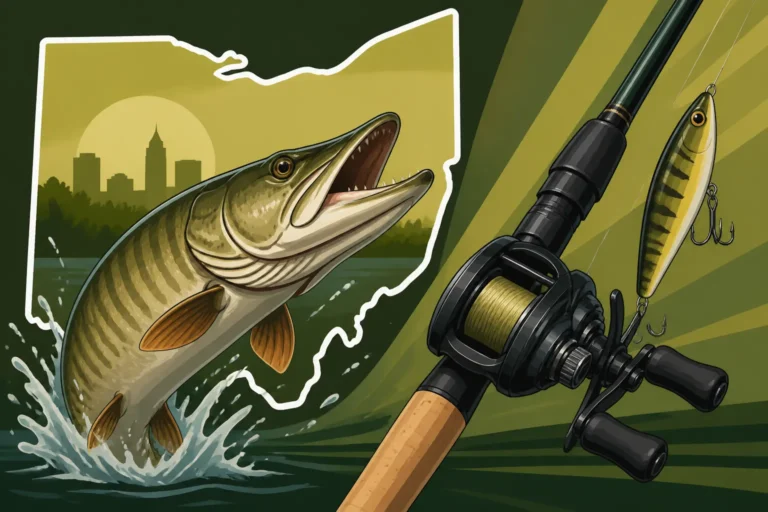
- Northern Pike: Some Ohio lakes, like Mosquito Creek Lake, hold good populations of northern pike. These toothy predators will readily strike larger jigging spoons or dead bait fished under a tip-up. Just be prepared with a good set of pliers and heavy leader material.
- Largemouth and Smallmouth Bass: While not typically targeted specifically through the ice in Ohio, bass can be caught incidentally while fishing for other species. They will hit jigging spoons or small minnows fished under a bobber, especially if you locate them near structure. They become less active in very cold water, but opportunities still exist.
Best Ice Fishing Spots in Ohio (and What to Look For)
Ohio offers a fantastic array of ice fishing destinations, from expansive reservoirs to intimate inland lakes. Knowing where to go and what to look for beneath the frozen surface is crucial for a successful trip. Always remember that ice conditions vary wildly, even on the same lake, so local knowledge and diligent safety checks are paramount.
Inland Lakes and Reservoirs
Ohio's inland lakes and reservoirs provide the most consistent and often safest ice fishing opportunities. These bodies of water tend to freeze earlier and maintain safer ice conditions longer than the sprawling Lake Erie.
- Mosquito Creek Lake (Cortland): Located in northeast Ohio, Mosquito Creek Lake is a renowned ice fishing destination, particularly famous for its walleye and crappie fishing. The lake’s shallower sections tend to freeze first, offering early season opportunities. Anglers often target areas around the old creek channel and submerged humps. The sheer size of the lake means there's plenty of room to explore, but also means ice conditions can vary widely.
- Indian Lake (Lakeview): In western Ohio, Indian Lake is a large, relatively shallow lake that can produce excellent catches of crappie, bluegill, and saugeye. Its shallow nature often allows for earlier and more stable ice formation. Popular spots include areas around the numerous islands and weed beds, which hold baitfish and, in turn, predatory species.
- Deer Creek Lake (Mount Sterling): Situated southwest of Columbus, Deer Creek Lake is a favorite for saugeye and crappie. Its extensive shallow flats and channels provide good habitat. Anglers often focus on the main lake basin near the dam or the deeper channels that snake through the flats. ODNR frequently stocks saugeye here, making it a reliable target.
- Lake Milton (Lake Milton): Another northeastern Ohio gem, Lake Milton is known for its walleye, saugeye, and crappie. It's a popular spot with good access, but like any larger lake, caution is key. The main lake basin and areas near the causeway are often productive.
- Alum Creek Lake (Delaware): North of Columbus, Alum Creek is one of Ohio's largest inland lakes. While primarily known for its summer fishing, it offers ice fishing for crappie, bluegill, and saugeye in its shallower bays and coves when conditions allow. The main lake is very deep and can take a long time to freeze safely.
When considering any of these, always consult local bait shops or online forums for the most up-to-date ice reports. They can offer invaluable, hyper-local information on current conditions and productive areas. Our guide "Best Ohio Lakes for Ice Fishing" provides an even more comprehensive list and details.
Lake Erie's Frozen Potential
Lake Erie, the "Walleye Capital of the World," offers incredible ice fishing opportunities, but it comes with significant caveats. The Western Basin of Lake Erie, particularly around Maumee Bay, Catawba Island, and the Lake Erie Islands, can freeze over sufficiently for ice fishing, primarily for walleye and yellow perch.
- Western Basin Hotspots: Maumee Bay is perhaps the most famous and accessible area for Lake Erie ice fishing. Its shallower depths allow it to freeze more readily. Anglers target walleye in the bay's channels and deeper basins. The areas around Catawba Island, particularly protected coves, and the channels near the islands like Kelleys Island and South Bass Island, can also offer fantastic fishing.
- Extreme Caution Required: However, Lake Erie is a massive, dynamic body of water. Currents, strong winds, and rapid temperature changes can create hazardous conditions quickly. Ice can shift, crack, and break off into large floes without warning. It is not uncommon for large sections of ice to break free, stranding anglers, requiring Coast Guard rescues. Unless you are extremely experienced, going with a reputable guide who knows the lake intimately is highly recommended. Never venture onto Lake Erie ice unless conditions are absolutely perfect, and even then, remain hyper-vigilant. Our article, "Is Lake Erie Safe for Ice Fishing?" delves into these dangers in much greater detail, and it’s a must-read for anyone considering the big lake.
Understanding Structure and Fish Movement
Fish don't just swim aimlessly under the ice; they relate to underwater structure much like they do in open water. Learning to "read" the lake bottom, even when it's covered in ice, is a critical skill.
- Depths and Drop-offs: Fish often congregate along drop-offs, which are underwater slopes where the depth changes abruptly. These act as highways for fish, allowing them to move between shallow feeding areas and deeper refuge.
- Weed Beds: Green, healthy weed beds continue to produce oxygen and hold baitfish, making them prime targets for panfish and even bass. Locating these patches can be challenging without a fish finder or by drilling many holes.
- Humps and Points: Submerged humps (underwater hills) and points (extensions of land underwater) are classic fish attractors. Walleye and saugeye will often patrol these areas, waiting to ambush prey.
- Using Electronics: A flasher or a portable fish finder is an invaluable tool for ice fishing. It allows you to see the depth, the bottom contour, your lure, and most importantly, any fish that are swimming beneath you. This instant feedback lets you adjust your depth and presentation to entice bites, rather than fishing blindly. Brands like Vexilar, Marcum, and Humminbird make excellent ice fishing-specific units that fit the needs of anglers looking to maximize their time on the ice.
Important Considerations for a Successful Ohio Winter Fishing Trip
Beyond safety and gear, there are several other practical aspects to consider to ensure your Ohio winter fishing experience is both successful and enjoyable. From legal requirements to common courtesies, these details can make a big difference.
Ohio Fishing Regulations During Winter
Just like any other season, Ohio fishing regulations apply during winter. It's crucial to be aware of the statewide and specific body-of-water rules.
- Fishing Licenses: If you are 16 years or older, you must possess a valid Ohio fishing license. This rule doesn't magically disappear when the water freezes. You can purchase these online, at various vendors, or through the Ohio Department of Natural Resources (ODNR) website. For detailed information on costs and types, refer to "Ohio Fishing License Guide for Residents and Nonresidents".
- Bag and Size Limits: All daily bag and minimum size limits for various species (walleye, saugeye, crappie, perch, etc.) remain in effect during the ice fishing season. Ignorance of the law is not an excuse, and wildlife officers do patrol the ice. Be sure to check the current "Ohio Statewide Bag and Size Limits" before heading out.
- Number of Lines: Ohio permits anglers to use up to two fishing rods or lines at a time, even when ice fishing. This includes a combination of jigging rods and tip-ups. Some special regulations might apply in specific areas, so always double-check the local rules for "Ohio Fishing Regulations Every Angler Should Know".
- Shanty Regulations: While generally permitted, some local regulations might exist regarding leaving shanties overnight or dates by which they must be removed from the ice before thaw. Always check with the local authority (state park, wildlife area, etc.) for any specific rules concerning ice fishing shanties.
Best Practices on the Ice
Being a responsible and courteous angler benefits everyone and ensures continued access to fishing spots.
- Leave No Trace: Pack out everything you pack in, and then some. This includes broken line, bait containers, and any trash. Littering on the ice makes the area unsightly and can harm wildlife. When the ice melts, all that trash goes directly into the water.
- Respect Other Anglers: Ice fishing can be a social activity, but give others space. Avoid drilling holes right next to another angler, especially if they are actively fishing. Keep noise levels down, particularly if you're running a power auger or a generator.
- Sharing Information (Wisely): While it's great to share tips and success stories, be mindful of "honey holes." Some anglers prefer to keep specific spots private, and that's their prerogative. Share general conditions and techniques, but don't pressure others to reveal their secret spots.
- Check and Recheck Ice Conditions: Even if you've been on the ice for hours, conditions can change. Always use your spud bar when moving to new areas, and be aware of changing weather, especially rising temperatures or strong winds, which can rapidly degrade ice quality.
Handling Your Catch in Winter
Once you've caught a fish, how you handle it in freezing temperatures is important for both the fish's survival (if releasing) and your dinner table (if keeping).
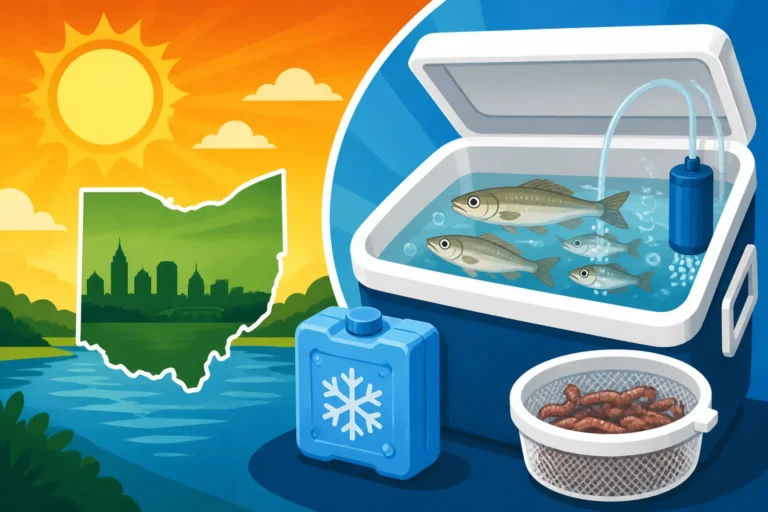
- Keepers: If you plan to keep your catch, place them directly into a cooler with a small amount of ice or snow to keep them chilled but prevent them from freezing solid, which can damage the meat. Don't just let them freeze on the ice, as this makes cleaning much harder later.
- Releases: Handle fish gently and quickly. Minimize their time out of the water, especially in sub-zero temperatures. The fish's eyes and gills can freeze very rapidly. If you must take a photo, do it quickly and get the fish back down the hole. For muskie and other larger, sensitive species, consider a quick release without removing them from the water if possible. Even for smaller species like bluegill, careful handling ensures their survival to fight another day.
Disclaimer
Please be aware that fishing regulations, ice conditions, and local advisories can change frequently. Always consult the official Ohio Department of Natural Resources (ODNR) website or local authorities for the most current information before planning any fishing trip. This guide is for informational purposes only and does not supersede official regulations or local safety warnings. Your safety is your responsibility.