Best Way to Store Fish on a Hot Summer Day
There's nothing quite like the thrill of landing a beautiful fish on a warm Ohio summer day, whether it's a hefty Lake Erie walleye or a feisty inland bass. But let's be honest, the excitement can quickly turn to anxiety when you start worrying about how to keep that prized catch fresh and delicious in the sweltering heat. Nobody wants to see their hard-earned fillets go to waste, or worse, risk a bad meal. This guide is all about taking the guesswork out of preserving your catch, ensuring your fish stays in prime condition from the moment it hits your net until it reaches your dinner plate.
Why Heat Is the Ultimate Enemy of Fresh Fish
When that summer sun is beating down on the water, it's not just making you sweat; it's rapidly degrading the quality of your fish. Fish meat is incredibly delicate, and warm temperatures are its worst enemy. From the moment a fish is caught, enzymatic processes and bacterial growth begin, both of which are significantly accelerated by heat. Think of it like this: the warmer the fish, the faster it "spoils."
The Science of Spoilage
At its core, fish spoilage is a chemical and biological process. Enzymes naturally present in the fish's flesh start breaking down proteins and fats. At the same time, bacteria that live on the fish's skin and gills, or are present in the water, begin to multiply rapidly. These bacteria convert compounds in the fish into unpleasant odors and flavors, leading to that distinct "fishy" smell and taste that no angler wants. The goal, therefore, is to slow these processes down as much as humanly possible, and cold is your superhero in this battle.
How Quickly Things Can Go Wrong
You might be surprised just how fast a fish can degrade on a hot day. Leaving a freshly caught walleye baking in the bottom of a boat, exposed to direct sunlight, can compromise its quality in mere minutes, not hours. We're talking about a significant drop in flavor and texture within a half-hour to an hour under intense summer sun. Even in the shade, if the ambient temperature is high, the clock is ticking. This is why having a plan for immediate, effective cooling is paramount. Many seasoned anglers will tell you that the difference between a truly phenomenal meal and just an "okay" one often comes down to how the fish was handled in those crucial first moments after being caught.
Immediate Steps on the Water: The First Line of Defense
Okay, you've got a fish in the net – congratulations! Now is not the time to dilly-dally. What you do in the next few seconds and minutes will dictate the ultimate quality of your catch. This is where you establish the foundation for freshness.
The Ice Slurry Method: Your Best Friend
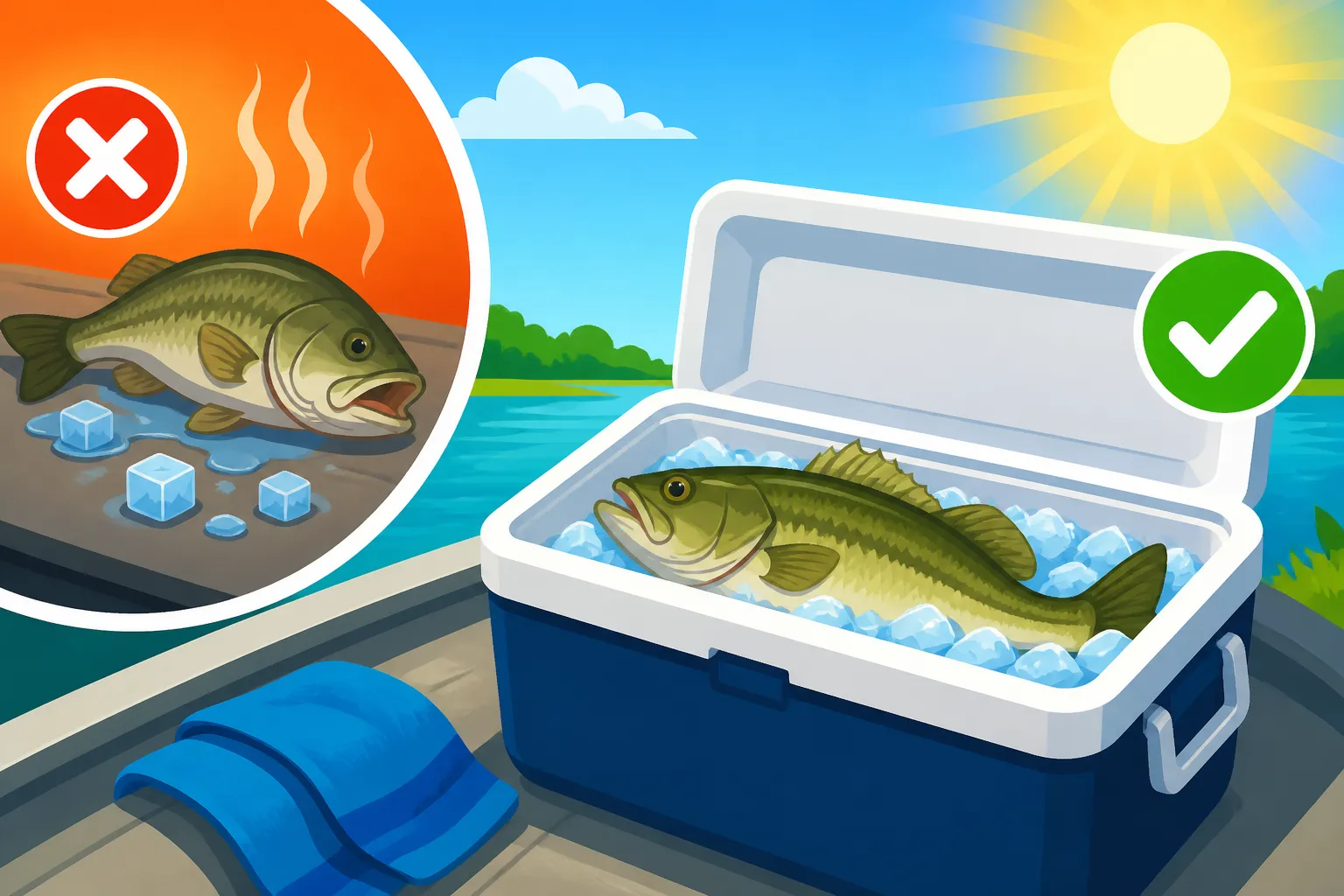
Forget tossing a few ice cubes into an empty cooler. The absolute best way to immediately preserve your fish on a hot day is with an ice slurry. What's an ice slurry, you ask? It's simply a mixture of ice and water. This combination is superior to just ice because the water gets into every nook and cranny of the fish, ensuring even and rapid cooling across its entire surface. Plus, water conducts heat away from the fish much more efficiently than air pockets around solid ice cubes.
Before you even leave the dock, fill your cooler with a good mix of ice and water. You want enough water to completely submerge your fish. As you catch fish, immediately place them into this icy bath. It should be cold enough to make you wince if you plunge your hand in. This immediate drop in temperature halts enzymatic breakdown and bacterial growth almost instantly. Keep an eye on your ice levels throughout the day; you might need to add more, especially if you're pulling in a lot of fish or if it's a scorching hot day on Lake Erie Fishing Guide for Ohio Anglers or one of Ohio's inland reservoirs.
Bleeding and Gutting for Optimal Quality
For certain species, especially larger ones like walleye or some catfish, bleeding the fish quickly can dramatically improve the meat quality, leading to a milder flavor and cleaner fillets. When a fish dies, blood can remain in the muscle tissue, which can break down and contribute to a stronger, "fishier" taste. A quick cut to the gills or artery near the tail allows the heart to pump the blood out.
After bleeding (if you choose to do so), many anglers opt to gut their fish right on the water. Removing the internal organs eliminates a significant source of bacteria that can accelerate spoilage. This is a game-changer for preserving quality, especially if you plan on keeping the fish whole for a short period before filleting. Always check Ohio Fishing Regulations Every Angler Should Know and specific local rules for any guidelines on bleeding or gutting on the water, as some areas may have restrictions or require proper disposal of offal.
Short-Term Storage Solutions on the Boat or Shore
So you've got your ice slurry, maybe you've bled and gutted your fish. Now, how do you manage your catch for the rest of your fishing trip? You need a reliable system to maintain that critical cold chain.
Insulated Coolers and Fish Bags
A high-quality, well-insulated cooler is non-negotiable for summer fishing in Ohio. Brands like Yeti, RTIC, or even some of the more affordable options available on Amazon, can make a huge difference. The thicker the insulation and the better the seal, the longer your ice will last, and the colder your fish will stay. For smaller boats, kayaks, or shore fishing excursions where space is limited, an insulated fish bag can be incredibly effective. These bags are often soft-sided, making them easy to store when empty, but offer excellent thermal properties when full of ice and fish. They’re fantastic for keeping your catch cool and contained, preventing melty ice water from sloshing around your vehicle.
When using a cooler or fish bag, always prioritize ice over air. Pack it as full as possible with ice and an ice slurry. For optimal cooling, layer your fish between generous amounts of ice. This isn't just about keeping the fish cold, but about keeping it consistently cold. Any fluctuations in temperature can promote bacterial growth.
Protecting Your Catch from the Sun
This might seem obvious, but it's often overlooked. Even inside a cooler, prolonged exposure to direct sunlight can heat the exterior, causing the ice to melt faster. If your boat doesn't have ample shade, consider throwing a wet towel or tarp over your cooler. On shore, always position your cooler in the shadiest spot available, perhaps under a tree or even under your vehicle if you're close enough. Every little bit helps extend the life of your ice and the freshness of your catch. Remember, your goal is to deny heat access to your fish at all costs.
Transporting Your Catch Home: The Critical Journey
The ride home can be just as crucial as the time spent on the water. A poorly handled journey can undo all your diligent efforts to keep your fish fresh.
Maintaining the Cold Chain in Your Vehicle
Before you even pull anchor or pack up your shore gear, make sure your vehicle is ready. If you're heading straight home, great. If you have errands, prioritize getting home and dealing with your fish first. Keep your cooler or fish bag out of direct sunlight in your vehicle. For longer drives, or on exceptionally hot days, you might even consider adding a fresh layer of ice to your cooler before you leave your fishing spot.
It's tempting to drain the water from your cooler to lighten the load, but for maximum freshness during transport, that ice slurry is still your best bet. The constant contact with super-chilled water provides superior cooling compared to fish just resting on ice cubes with air pockets in between. If you must drain some water, ensure there's still plenty of ice contact with the fish. A good quality cooler should minimize leakage anyway.
Avoiding Cross-Contamination
While not directly about temperature, preventing cross-contamination is a key aspect of food safety and maintaining quality. Always keep your raw fish separate from other food items you might have packed for your trip. Use separate coolers if possible, or at the very least, ensure your fish is well-contained in its own bag within the cooler. Upon arriving home, immediately clean your cooler with soap and water, and disinfect it regularly to prevent any lingering bacteria or odors. This attention to detail will serve you well in the long run.
Preparing Fish for Long-Term Storage: From Fillet to Freezer
Once you're home, the real work begins to prepare your fish for either immediate cooking or long-term freezing. This stage is where you solidify all the initial efforts to keep your catch pristine.
Filleting Your Catch Promptly
Don't procrastinate! The sooner you clean and fillet your fish, the better. Working with fresh, cold fish is not only easier but it also preserves the quality. Warm fish is mushy and much harder to fillet cleanly. Have a sharp knife, a clean cutting board, and a bowl of ice water ready for your fillets. As you How to Fillet a Walleye or your other species, immediately place the fresh fillets into the ice water. This helps firm them up, remove any lingering blood, and keeps them cold while you finish the rest of your catch.
Remember to be mindful of Ohio Statewide Bag and Size Limits as you're processing your fish. For some species like muskie, specific Ohio Muskie Size and Bag Limits are in place, and knowing the legal limits beforehand prevents issues. Same goes for bass; understanding Ohio Largemouth and Smallmouth Bass Limits is crucial.
Rinsing and Drying Fillets
Once all your fish are filleted and have had a quick soak in the ice water, it’s time for a thorough rinse under cold running water. Pat them completely dry with paper towels. Removing as much surface moisture as possible is critical, especially if you plan to freeze them. Excess moisture leads to freezer burn, which can ruin the texture and flavor of your fish over time. Many anglers overlook this simple step, but it makes a huge difference in the frozen product.
Freezing Methods for Longevity
For long-term storage, freezing is the way to go. There are several effective methods, each with its pros and cons.
- Vacuum Sealing: This is arguably the best method. A vacuum sealer removes all air from the package, preventing freezer burn and greatly extending the shelf life of your fillets. You can find affordable vacuum sealers and bags on Amazon, and they are a worthwhile investment for any serious angler who keeps their catch. Simply place your dried fillets into a vacuum sealer bag, seal it, and freeze.
- Water Freezing (Ice Glaze): If you don't have a vacuum sealer, this is an excellent alternative. Place your dried fillets into freezer bags. Fill the bag with just enough water to cover the fish, removing as much air as possible before sealing. The water creates an ice barrier around the fish, protecting it from air exposure and freezer burn. This method works wonderfully for species like Ohio Walleye Fishing Guide or Ohio Yellow Perch Fishing Guide.
- Heavy-Duty Freezer Bags: If neither of the above is an option, use the thickest freezer bags you can find. Wrap individual fillets tightly in plastic wrap or freezer paper first, then place them into the freezer bag. Try to press out as much air as possible before sealing. While not as effective as vacuum sealing or water freezing, it's better than standard sandwich bags.
Table: Fish Storage Methods Comparison
| Method | Pros | Cons | Best For |
|---|---|---|---|
| Ice Slurry | Rapid cooling, even temperature, preserves quality | Requires constant ice, can get messy | Immediate on-the-water storage |
| Insulated Cooler | Keeps ice longer, portable | Can be bulky, needs good insulation to be effective | Short-term transport and on-boat storage |
| Vacuum Sealing | Prevents freezer burn, longest shelf life, no mess | Requires specialized equipment (sealer, bags) | Long-term freezer storage, preserving texture |
| Water Freezing | Prevents freezer burn, low cost | Adds weight, slightly more effort, can be messier if leaks | Long-term freezer storage, no special equipment |
| Freezer Bags | Readily available, simple | Shorter shelf life, prone to freezer burn if not careful | Short-to-medium term freezer storage |
Labeling Your Catch
Before you put those beautifully prepared fillets into the freezer, always label them! Include the type of fish, the date caught, and the quantity. This simple step will prevent the dreaded "mystery meat" scenario months down the line and helps you rotate your stock, ensuring you're always eating your freshest catch first. A properly stored Ohio Crappie Fishing Guide fillet from last month will taste far better than an unlabeled one from six months ago!
Enjoying Your Fresh Catch
After all that careful planning and execution, the best part is finally enjoying the fruits of your labor. Properly stored fish retains its natural flavors and textures, making it a truly rewarding meal. Knowing that you've handled your catch with care from the moment it came out of the water makes that first bite even more satisfying.
Whether you're frying up some crispy perch, baking a flaky walleye, or grilling a robust bass, the effort you put into proper storage on a hot summer day is what guarantees a delicious outcome. After all, isn't that why we go fishing in the first place? To not only enjoy the experience but to bring home some of the Best Eating Fish Caught in Ohio to share with family and friends.
Disclaimer
This article is for general informational purposes only and does not constitute professional advice. Laws, prices and regulations vary by location and change over time. Consult a qualified professional for guidance on your specific situation.