When Ohio’s Walleye Season Peaks on Lake Erie
Trying to pinpoint the exact best time to target walleye on Lake Erie can feel like chasing a moving target. Conditions change, fish move, and what worked last week might not work tomorrow, leaving many anglers scratching their heads about when to plan their next trip. This guide cuts through the confusion, offering a realistic, in-depth look at when Ohio’s legendary Lake Erie walleye season truly peaks and what you need to know to be there at the right moment.
Understanding Lake Erie's Walleye Cycle
Lake Erie, often hailed as the "Walleye Capital of the World," isn't just a catchy nickname; it's a testament to the incredible population of these delicious fish. But their availability and behavior are deeply tied to their annual life cycle, which in turn dictates the prime fishing windows. Understanding this cycle is key to predicting when and where the walleye will be most active.
Walleye Spawning and Post-Spawn Recovery
Every spring, usually when water temperatures in the shallow Western Basin of Lake Erie hit the sweet spot between 40 and 50 degrees Fahrenheit, walleye undertake their monumental spawning migration. This isn't just a trickle of fish; it's a massive movement, particularly up tributary rivers like the Maumee and the Sandusky. They congregate in huge numbers to lay their eggs on rocky bottoms. It's an exhausting process for the fish, and immediately after spawning, they enter a post-spawn recovery phase where they’re often lethargic and less interested in feeding.
Anglers often get a bit antsy during this post-spawn lull, wondering if the action is over. Don't fret! It's a temporary pause. Once they've recovered their energy, usually a week or two after the spawn, these walleye become incredibly hungry, seeking to replenish their depleted fat reserves. This period offers some fantastic opportunities for those who know how to target them as they move out of the rivers and begin to spread into the lake.
Seasonal Movements and Feeding Patterns
After the spawning ritual, Lake Erie walleye begin a fascinating journey across the lake, driven primarily by water temperature and the availability of their favorite prey, like emerald shiners and gizzard shad. In spring, as the Western Basin warms up faster, they'll initially spread out there. But as summer progresses and the shallower waters can become uncomfortably warm for walleye, many fish migrate eastward into the cooler, deeper waters of the Central Basin. This movement creates distinct fishing patterns and peak seasons in different parts of the lake.
Their feeding patterns also shift throughout the year. In spring and fall, when water temperatures are moderate, walleye are often found in shallower water, aggressively feeding in large schools. During the heat of summer, they'll often suspend in the cooler thermocline, requiring different presentation techniques like deep trolling. Being able to adapt your approach based on these seasonal movements and feeding preferences is absolutely critical for consistent success. If you're looking for more comprehensive details on their behaviors, our Ohio Walleye Fishing Guide delves deeper into these fascinating creatures.
The Prime Walleye Fishing Windows on Lake Erie
While you can technically catch walleye year-round in Ohio, there are definitely periods when the fishing explodes, offering anglers the best chances for both numbers and trophy-sized fish. These peak windows are dictated by a combination of biological cycles, weather patterns, and forage availability.
Spring Run: The Maumee and Sandusky River Phenomenon
When folks talk about the "spring walleye run" in Ohio, they're almost always referring to the incredible migrations up the Maumee and Sandusky Rivers. This is arguably the most famous and intense peak of the entire year, drawing tens of thousands of anglers to Toledo and Fremont. As soon as ice leaves the rivers and water temperatures nudge past 40 degrees Fahrenheit, usually starting in late March and running through April, walleye stack up in unbelievable numbers, preparing to spawn.
The fishing during this time is often done from the bank, using weight-forward spinners or jigging with soft plastics like Berkley Gulp! or Mister Twister tails. It’s shoulder-to-shoulder fishing, but the sheer volume of fish makes for an unforgettable experience. Knowing the intricacies of these runs is vital; you might want to check out our guides on Maumee River Walleye Run Fishing and Sandusky River Walleye Run Fishing for more specific tactics. This is an incredible opportunity to catch a lot of fish in a relatively short amount of time, and it’s truly a bucket-list experience for any Ohio angler.
Summer Trolling: Western and Central Basin Action
Once the river runs wind down and the post-spawn recovery is complete, usually by late May or early June, the walleye disperse into the open waters of Lake Erie. This marks the beginning of the prime summer trolling season. As the Western Basin warms up, walleye will often stay in the 20-30 foot depths, but as summer progresses into July and August, many will migrate eastward to the cooler, deeper waters of the Central Basin, sometimes suspending over 50-70 feet of water.
This is where trolling truly shines. Anglers will deploy a spread of planer boards, diving crankbaits, and crawler harnesses to cover vast amounts of water and present baits at precise depths where walleye are holding. Brands like Reef Runner, Berkley Flicker Shad, and Bandits are popular choices for crankbaits, while Weaponized Walleye harnesses are a favorite for live bait presentations. Mastering these techniques can lead to incredible catches, with limit bags being common. It’s also during this time that you can reliably find huge schools of yellow perch mixed in, making for diverse angling opportunities. For more on this, our guide to Ohio Trolling Techniques for Lake Erie offers some excellent tips.
Fall Frenzy: Pre-Winter Feeding
As summer transitions into fall, usually from September through November, Lake Erie experiences another fantastic walleye peak. The water temperatures begin to cool, and walleye become incredibly active, putting on the feedbag in preparation for winter. They often move shallower again, similar to their spring patterns, but with less of a focus on spawning and more on pure gorging.
This fall frenzy offers diverse fishing opportunities. Trolling with crankbaits and crawler harnesses remains highly effective, especially in the shallower Western Basin. However, casting jigs with plastics or blade baits also becomes a viable and exciting option, particularly around structure, reefs, and river mouths as fish move to staging areas. Some of the largest walleye of the year are caught during this period, as they are at their heaviest before the lean winter months. This is also a fantastic time for shore anglers, especially after a cold snap, when fish might move into shallower access points. The cooler weather means you might need to bundle up, but the fishing can be truly phenomenal.
Factors Influencing the Peak Season
While we can talk about general peak seasons, it’s crucial to remember that Mother Nature calls the shots. Several dynamic factors can shift these peaks earlier or later, or even influence how productive they are. Being aware of these elements can significantly improve your chances of being on the water during the absolute best conditions.
Water Temperature and Weather Patterns
Water temperature is, without a doubt, the single most critical factor dictating walleye behavior. Their metabolism, feeding activity, and migratory urges are all directly linked to it. The prime temperature range for active walleye is typically between 40 and 60 degrees Fahrenheit, though they can be caught outside this range. A warm spring can bring the walleye run early, while a prolonged cold spell can delay it. Similarly, a mild fall can extend the excellent trolling opportunities.
Weather patterns, especially wind, also play a huge role. Consistent winds from a certain direction can push warm surface water or baitfish, concentrating walleye in specific areas. Strong winds can also create unsafe boating conditions, forcing anglers off the lake. Many experienced anglers closely watch the marine forecasts and water temperature charts, available from sources like NOAA, to plan their trips. Understanding Best Weather Conditions for Lake Erie Walleye Fishing can make or break your trip. Don’t forget, even on the best days, a sudden cold front can put the fish off the bite for a day or two.
Baitfish Availability and Location
Walleye are opportunistic predators, and their movements are heavily influenced by the availability and location of their primary food source, namely emerald shiners and gizzard shad. If baitfish are schooling in the Western Basin, that's where the walleye will be. If the baitfish move deeper or further east, the walleye will follow. This is why experienced captains and guides spend so much time looking for bait on their sonar units.
Sometimes, a strong year-class of baitfish can lead to exceptional walleye fishing because there's simply more food to go around, leading to faster growth and healthier fish. Conversely, a poor baitfish year might mean walleye are more spread out and harder to locate. It's a complex ecosystem, and the dynamics between predator and prey are constantly shifting, adding to the challenge and excitement of walleye fishing. Keep an eye on fishing reports, as they often mention baitfish activity.
Monitoring Conditions and Reports
Staying informed is half the battle when trying to hit Lake Erie's walleye peaks. There are numerous resources available to help you track conditions. Local bait shops, especially those in towns like Port Clinton or Sandusky, are often goldmines of real-time information. They hear directly from anglers coming off the water daily. Online fishing forums, social media groups dedicated to Lake Erie fishing, and even many charter captains post regular reports.
Websites like the Ohio Department of Natural Resources (ODNR) often provide weekly fishing reports that detail where fish are being caught, what depths, and what baits are working. Paying attention to these reports, combined with weather and water temperature forecasts, will significantly increase your chances of being on the water during a hot bite. A general Ohio Fishing License Guide for Residents and Nonresidents is a good place to start, but for specific Lake Erie rules, check out Lake Erie Fishing Regulations in Ohio.
Essential Gear for Peak Season Walleye
Having the right equipment is non-negotiable for successfully tackling Lake Erie's walleye, especially during those high-pressure peak seasons. The right rod, reel, line, and bait can make all the difference when fish are finicky or when you’re battling a big one in open water.
Rods, Reels, and Line Choices
For river fishing during the spring run, a medium-light to medium power spinning rod, around 6'6" to 7' feet long, with a fast action tip, is ideal. Pair this with a 2500-3000 series spinning reel spooled with 8-10 lb monofilament or fluorocarbon. Braided line in the 10-15 lb range with a fluorocarbon leader is also a popular choice for sensitivity and strength, particularly when jigging. You can find excellent options for these setups on platforms like Amazon, offering a wide range to suit any budget.
For trolling on the open lake, a medium-heavy baitcasting rod, typically 8 to 9 feet long with a moderate action, is preferred. These rods are designed to handle the stress of pulling planer boards and heavy diving baits. Match these with line counter reels (like those from Shimano or Daiwa) spooled with 10-15 lb monofilament or 20-30 lb braided line, often with a fluorocarbon or monofilament leader. The line counter is crucial for replicating successful depths.
Top Lures and Baits for Each Peak
Your lure and bait choices will fluctuate significantly depending on the season and specific technique you're employing. During the spring river runs, weight-forward spinners with soft plastic bodies (like the locally famous "Wally Scent" or chartreuse tubes) are king. Jigs tipped with live minnows or plastic baits are also highly effective.
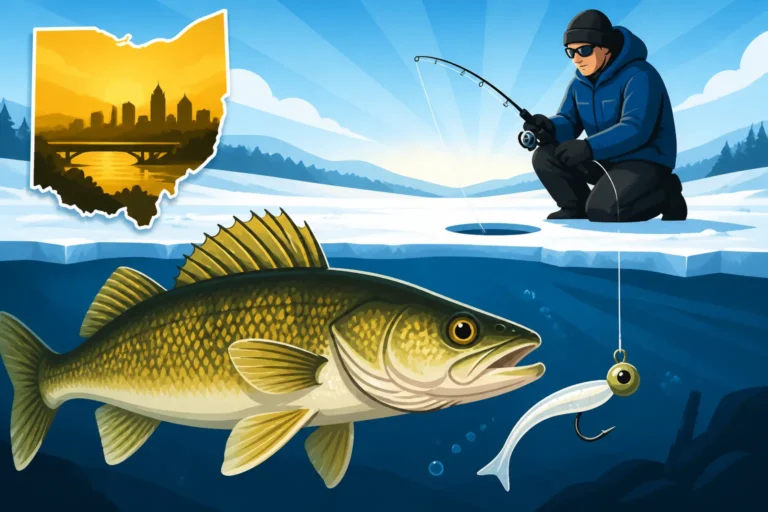
For summer and fall trolling, deep-diving crankbaits are paramount. Popular choices include the aforementioned Reef Runner Ripstick, Berkley Flicker Shad, and Bandits, often in vibrant colors like "firetiger," "clown," or "purple demon." Crawler harnesses, which consist of a spinner blade, beads, and two hooks to hold a nightcrawler, are also incredibly effective, especially when fished off bottom bouncers or planer boards. Live minnows, particularly larger ones, are excellent for jigging in cooler water or for setting on tip-ups if you're brave enough to try ice fishing for walleye. Sometimes, if you're running low on your favorite lures, a quick order on Amazon can save a fishing trip. Learning some Best Ohio Walleye Fishing Techniques will further enhance your bait and lure selection.
| Season | Primary Location | Key Techniques | Recommended Lures/Baits | Average Water Temp |
|---|---|---|---|---|
| Spring | Maumee/Sandusky Rivers, Western Basin | Jigging, Casting | Weight-forward spinners, Jigs (live minnow/plastic) | 40-55°F |
| Summer | Western & Central Basin | Trolling, Drifting | Deep-diving crankbaits (Reef Runner, Bandit), Crawler harnesses | 60-75°F |
| Fall | Western & Central Basin | Trolling, Jigging, Casting | Crankbaits, Blade baits, Jigs (live minnow/plastic) | 45-65°F |
| Winter | Western Basin, Tributaries (Ice) | Ice Fishing, Jigging | Jigging spoons, Small jigs (with minnows) | <40°F (Ice) |
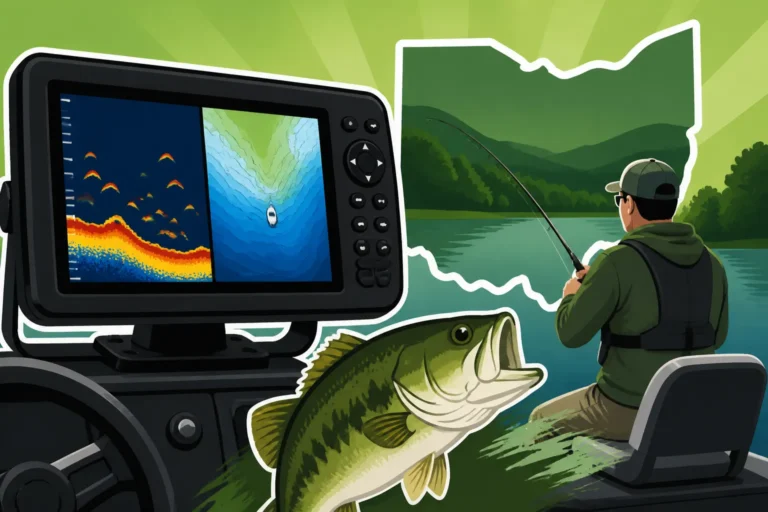
One crucial element often overlooked is the use of electronics. A good fish finder can show you not only the depth and bottom contour but also baitfish schools and individual walleye, especially when they are suspended. Learning How to Read a Fish Finder for Suspended Walleye is a skill that will pay dividends.
Maximizing Your Lake Erie Walleye Success
Hitting the peak of walleye season on Lake Erie isn't just about showing up; it's about preparation, adaptability, and respecting the resource. Whether you're a seasoned pro or just starting out, there are always ways to refine your approach and ensure a more rewarding experience.
Planning Your Trip Strategically
Don't just pick a random weekend and hope for the best. Strategic planning is your best friend when targeting peak walleye runs. First, consider the time of year: are you aiming for the chaos and numbers of the spring river run, the precision trolling of summer, or the trophy potential of fall? Each offers a different experience and requires different preparation.
Next, research specific launch ramps or access points that suit your chosen technique. For example, if you're hitting the Maumee River, you'll want to scout out parking and access well in advance. If you're planning a summer Lake Erie trolling trip, consider which ports offer the best access to the current walleye concentrations, be it Port Clinton, Sandusky, or even further east. Booking a Lake Erie Walleye Charter Guide can also be an excellent way to get on fish quickly, as captains are out almost daily and know exactly what's biting. Ensure you have all necessary supplies, from extra line to sunscreen – and remember to grab those last-minute essentials on Amazon if needed!
Adhering to Regulations and Conservation Efforts
Lake Erie's walleye fishery is a precious resource, and its continued health depends on all anglers doing their part. This means strictly adhering to all Ohio fishing regulations, including daily bag limits and minimum size requirements. For example, the Ohio Lake Erie Walleye Daily Bag Limit can vary depending on the time of year and specific zones. These rules are put in place by the Ohio Department of Natural Resources (ODNR) to ensure sustainable populations for future generations.
Beyond just following the law, consider practicing catch and release for larger trophy fish, especially during spawning periods, if you've already met your personal consumption needs. Handling fish with care, using proper landing nets, and minimizing their time out of water increases their survival rate. Education is key, so always carry a copy of the current regulations or have them readily accessible on your phone.
The Thrill of the Hunt and Continuous Learning
Ultimately, fishing Lake Erie for walleye is more than just catching fish; it's about the entire experience. It's the thrill of the chase, the camaraderie with fellow anglers, and the constant challenge of adapting to a dynamic environment. Every trip is a learning opportunity. Pay attention to what worked, what didn't, and why. Take notes on water temperatures, depths, lure colors, and retrieve speeds.
The vastness and productivity of Lake Erie can be intimidating at first, but with a bit of knowledge, patience, and the right gear – perhaps some new tackle from Amazon – you’ll soon find yourself tapping into its incredible walleye peaks. It’s a journey of continuous learning, and that’s what makes Ohio walleye fishing so incredibly rewarding. Good luck out there, and tight lines!
Disclaimer
The information provided in this guide is for general informational purposes only and is subject to change. Always consult the official Ohio Department of Natural Resources (ODNR) fishing regulations booklet or website for the most current and accurate rules and regulations before heading out on the water. Fishing conditions and fish behavior can vary greatly, and past success does not guarantee future results.