Best Time of Year to Flip Docks for Bass
One of the most common questions I get from fellow bass anglers in Ohio is about when to fish those tempting docks. It’s a frustrating scenario sometimes, isn’t it? You see all that perfect cover – shade, pilings, boat lifts – and you just know there has to be a big largemouth lurking, but they're not always biting. This comprehensive guide is here to unravel the mystery, showing you the absolute best times of year to effectively flip docks for bass in Ohio waters, alongside the techniques and considerations that will truly help you turn those missed opportunities into memorable catches.
The Allure of Docks for Ohio Bass
Docks are more than just places to tie up boats; for bass, they are prime real estate, offering a multitude of benefits that make them irresistible hideouts. Understanding why bass use docks is the first step to knowing when to target them.
Why Docks are Bass Magnets
Think about it from a bass's perspective. A dock, whether it's floating or fixed, provides instant cover from predators from above, like ospreys and herons, and from larger fish seeking an easy meal. This sense of security allows them to feel safe. Beyond simple safety, docks offer crucial shade, especially during those bright, sunny Ohio days. Bass, particularly largemouths, are ambush predators that prefer lower light conditions. The shade cast by a dock gives them a comfortable, concealed spot to lie in wait, perfectly camouflaged, ready to dart out and grab an unsuspecting baitfish or crayfish.
Furthermore, docks are typically built on the shoreline, often extending into areas where different depths converge, or near weed lines and other natural structures. This creates a complex habitat. The pilings themselves, boat lifts, ladders, and any sunken debris around the dock's perimeter all add to this structure, providing additional ambush points and hiding spots. These areas are also magnets for baitfish, insects, and crawfish, creating a consistent food source that keeps bass coming back. It’s a complete ecosystem under there, making docks one of the most productive man-made structures you can target.
Seasonal Movements of Bass Around Docks
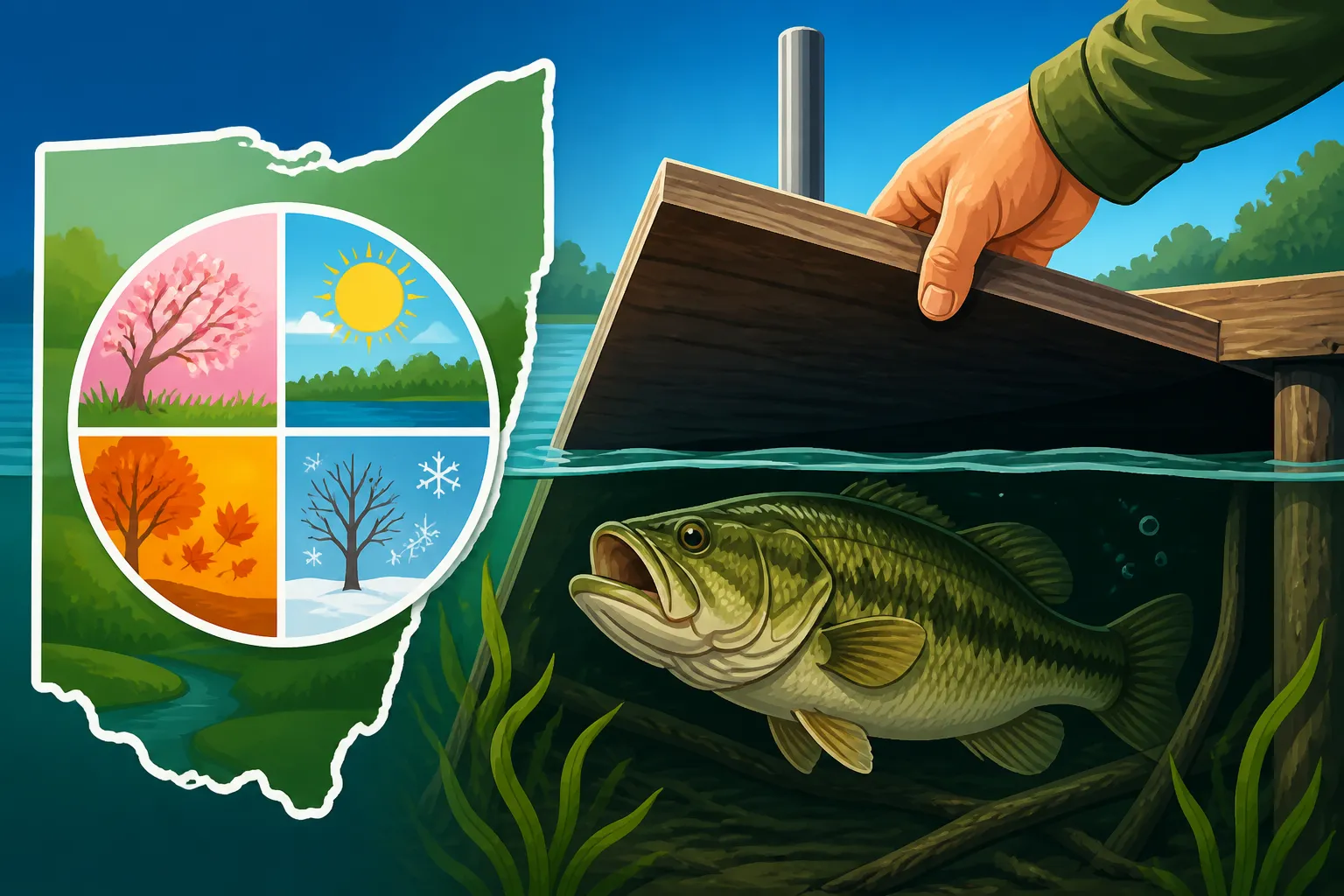
Bass don't use docks uniformly throughout the year; their behavior is heavily influenced by water temperature, spawning cycles, and feeding patterns. In early spring, as water temperatures begin to climb, bass will move shallower, often staging near docks close to spawning flats. These docks provide a quick refuge if a cold front pushes through or if they need to escape direct sunlight. In the peak of summer, when the sun is high and the water is warm, docks offer deep shade and cooler water pockets. During the fall, as bass aggressively feed to prepare for winter, docks are still prime feeding grounds, especially if they are close to drop-offs or deeper channels where baitfish might congregate. Even in winter, docks can hold inactive bass, particularly if they extend into deeper, more stable water. Each season brings a slight nuance to how bass utilize these structures, and understanding these shifts is key to your success.
Prime Seasons for Flipping Docks in Ohio
While you can technically catch bass around docks year-round in Ohio, there are certainly peak times when the action heats up and flipping becomes an incredibly effective strategy.
Spring: Pre-spawn and Post-spawn Aggression
Spring is arguably one of the best times to flip docks in Ohio, mainly due to the pre-spawn and post-spawn movements of largemouth bass. As the ice melts and water temperatures slowly creep into the 48-55 degree range, bass start thinking about one thing: spawning. They'll move from their deeper wintering holes into shallower, warmer bays and coves. Docks situated in these areas become critical staging points. Bass will hold under or near them, waiting for the water to warm further before moving onto beds. During this Best Spring Fishing Techniques in Ohio period, they are often actively feeding, making them very susceptible to a well-placed jig or creature bait flipped under the dock.
Once the spawn is over and bass are recovering, usually when water temperatures are in the mid-60s, they enter a post-spawn phase. While some might be a bit lethargic, many will quickly resume feeding. Docks continue to be excellent cover, providing both refuge after the exhausting spawn and convenient ambush points for passing bait. You might find bass deeper under the docks during this phase, seeking out the cooler, shadier confines. Early spring, before significant weed growth, also means docks stand out more as primary cover, making them easier to locate and target.
Summer: Shade, Structure, and Deep Water Docks
Summer in Ohio can be scorching, and high water temperatures can make bass fishing a challenge. This is where docks truly shine as summer havens for bass. As the sun beats down and surface waters warm into the 70s and 80s, bass will seek out the coolest, shadiest spots available. Docks, particularly those with solid tops or those built low to the water, provide exactly that. The shade creates a cooler microenvironment, and the bass often tuck themselves tight to the pilings or under the boat lifts, staying out of the direct sun.
Flipping and pitching heavy jigs or Texas-rigged plastics into the darkest recesses under these docks is often the most productive summer technique. Focus on docks that offer deeper water access nearby, or those situated on main lake points or channels. Bass won't have to travel far for cooler, more oxygenated water if they need it. Don't be afraid to target docks that extend far out or have multiple sections, as these offer more expansive shaded areas. Even on super bright days, you can often coax a bite from a bass hunkered down in the deep, dark shade of a dock. For more tips on summer bass, check out our guide on Best Summer Fishing Techniques in Ohio.
Fall: Feeding Frenzy Before Winter
As summer fades and autumn arrives in Ohio, the falling air and water temperatures trigger a change in bass behavior. This is often a period of aggressive feeding, known as the "fall feeding frenzy," as bass try to pack on weight before the lean winter months. Docks remain excellent targets during the fall, especially those located near areas where baitfish are schooling up. As baitfish move into shallower coves or concentrate along certain banks, bass will follow. Docks provide perfect ambush points for these feeding sprees.
Look for docks adjacent to lush green weed lines, rock piles, or tapering points. These combined structures create ideal hunting grounds. While bass might still use the shade, they're often more willing to roam further from the dock's immediate cover, actively chasing bait. Flipping jigs, creature baits, or even bladed jigs around dock pilings and the perimeters can be highly effective. The fall offers a unique opportunity to catch larger, healthier bass that are actively looking for a meal. Understanding Best Fall Fishing Techniques in Ohio will greatly enhance your success.
Gear and Techniques for Effective Dock Flipping
To successfully flip docks for bass, you need the right tools and a solid understanding of the technique. It's not just about throwing a lure in; it's about precision and presentation.
The Right Tackle Setup
When you're flipping docks, you're often dealing with heavy cover – wood, metal, thick ropes, and sometimes dense vegetation. This calls for robust tackle.
- Rods: A heavy or medium-heavy power casting rod, typically 7 to 8 feet in length, is ideal. The longer rod provides better leverage for casting into tight spots and hauling bass out of thick cover. Look for a rod with a fast tip for sensitivity but plenty of backbone.
- Reels: A high-quality baitcasting reel with a fast gear ratio (7.1:1 or higher) is crucial. This allows you to quickly pick up slack line, crucial for feeling subtle bites and getting a bass out of cover before it can wrap you around a piling.
- Line: Braided line is king for dock flipping due to its strength, abrasion resistance, and zero stretch. A 40-65 lb test braided line will cut through weeds and withstand rubbing against docks. Some anglers prefer a fluorocarbon leader (20-25 lb test) for invisibility, especially in clearer water. Check out our guide on Best Line for Fishing Heavy Cover in Ohio for more details. For all your fishing line needs, you can find a wide selection on Amazon.
Lure Choices for Dock Flipping
The beauty of dock flipping is that a few versatile lure types can cover most situations.
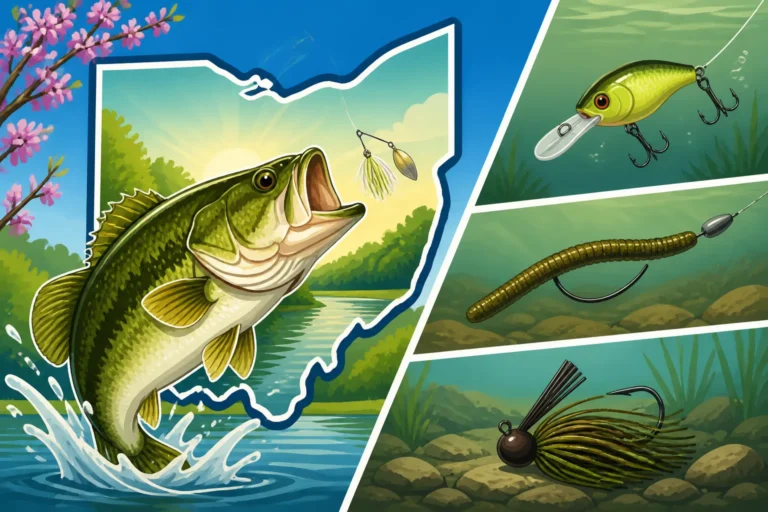
- Jigs: Flipping jigs, typically in 3/8 to 3/4 oz weights, are a go-to. Their compact profile allows them to penetrate tight cover, and the weed guard helps prevent snags. Pair them with a bulky plastic trailer that mimics a crawfish or a bluegill. Darker colors like black and blue, green pumpkin, or brown work well in most Ohio waters.
- Creature Baits and Soft Plastics: Texas-rigged creature baits, beavers, or straight-tail worms are incredibly effective. A heavy tungsten weight (3/8 oz to 1 oz) helps the bait quickly fall through cover and gets it in front of the bass faster. Ensure your hook is sharp and strong, designed for heavy cover, like a 4/0 or 5/0 EWG hook. Learning How to Fish a Texas Rig in Heavy Cover is essential for this technique. You can explore a vast array of creature baits and soft plastics on Amazon.
- Other Options: Occasionally, a bladed jig (ChatterBait style) or a swim jig can be effective for covering more water around dock edges, especially when bass are actively chasing bait. However, for getting into the tightest spots, jigs and Texas rigs are usually superior. To find a good selection of these, just search for "bladed jigs" on Amazon.
Mastering the Flip and Pitch
Flipping and pitching are stealthy, accurate casting techniques designed to present a lure quietly into tight spots.
- The Flip: This technique uses the rod tip to swing the lure underhand, keeping the lure close to the water's surface. You only use a small amount of line, which you strip off the reel by hand. The motion is like a pendulum, quietly dropping the lure precisely where you want it. It's perfect for extremely close-quarters casting under docks, boat lifts, and pontoon boats.
- The Pitch: Similar to the flip, but you use a little more line and a slightly longer swing, allowing you to reach targets further away (e.g., 20-40 feet). You release the line with your thumb as the lure swings forward. The goal with both is to make a soft, quiet entry into the water, minimizing splash that could spook wary bass.
- Presentation: Once your lure is in the water, let it fall naturally on a semi-slack line. Watch your line for any twitch or jump – that's often a bite. If you don't get a bite on the initial fall, gently lift and drop the rod tip, subtly shaking the lure in place. Work the lure out of the cover and move on to the next section of the dock or the next piling. Repeat, repeat, repeat. Remember, bass under docks often don't have to move far to eat, so a patient, thorough approach is key.
Factors Influencing Dock Flipping Success
Beyond the season and the technique, several environmental and structural factors play a significant role in how productive your dock flipping efforts will be.
Water Temperature and Clarity
These two factors are paramount. Bass metabolism is directly tied to water temperature. In colder water (early spring, late fall), bass are often more lethargic and might prefer a slower presentation. They'll be tightly tucked into cover, conserving energy. As water warms up (late spring, summer, early fall), their metabolism speeds up, making them more aggressive and willing to chase. The ideal water temperatures for active bass are usually between 60 and 75 degrees Fahrenheit.
Water clarity also dictates how bass position themselves and how they react to your lure. In clear water, bass are warier. They'll often hold tighter to the darkest parts of the dock or deeper under the structure. You might need to use lighter line, smaller baits, and more natural colors. In stained or muddy water, bass rely more on their lateral line (which detects vibrations) than sight. They tend to be less shy and might position themselves more openly. This is when larger, bulkier baits and darker, more contrasting colors (like black and blue) can really shine.
Weather and Time of Day
Believe it or not, weather and time of day have a huge impact on whether bass are willing to come out and play around docks.
- Sunny vs. Cloudy: On bright, sunny days, the shade provided by docks becomes incredibly important. Bass will often bury themselves deep in the darkest shadows, making precise flips crucial. On cloudy or overcast days, bass might be more willing to roam further from the dock's immediate cover, perhaps positioning themselves on the sunnier sides or slightly away from the pilings.
- Wind: A little chop on the water created by wind can actually be your friend. It breaks up the surface, making it harder for bass to see you, and can also help dislodge baitfish, triggering a feeding response. However, too much wind can make casting accurately challenging.
- Time of Day: Early morning and late evening often provide the best dock flipping opportunities, especially in summer. The sun is lower, casting longer shadows, and temperatures are cooler. During the middle of a hot summer day, bass will be deep in the shade. On cooler days or during spring/fall, they might be active around docks throughout the day. It’s all about Reading Weather Patterns for Ohio Fishing and adapting your approach.
Types of Docks
Not all docks are created equal in the eyes of a bass. Different designs offer varying levels of cover and attract different types of fish.
- Floating Docks: These docks rise and fall with the water level, always providing a consistent amount of shade underneath. They often have less visible structure (no fixed pilings driven into the bottom), but their constant shade makes them excellent in sunny conditions.
- Fixed Docks: These are built on pilings driven into the lakebed. The pilings themselves provide additional vertical structure, and the dock's height above the water dictates the quality of shade. Docks with lower clearances and solid tops often provide more consistent and darker shade.
- Shallow vs. Deep Water Docks: Docks that extend into deeper water, or are located near a channel swing or a steep drop-off, are often more productive, especially in summer or during cold fronts. These docks offer bass quick access to deeper, more stable water if conditions change. Shallower docks can be excellent in spring and fall when bass are actively feeding or staging.
- Docks with Boat Lifts or Accessories: These are goldmines! A boat lift, especially one with carpeted bunks or additional metal structure, offers even more cover. Ladders, tie-offs, and even old tires can provide extra hiding spots for bass and baitfish. Always thoroughly work these added elements.
Understanding these nuances will help you prioritize which docks to target and how to approach them for the best results, especially when exploring the Best Places to Fish in Ohio for bass. For a more general overview of targeting the species, be sure to read our comprehensive Ohio Largemouth Bass Fishing Guide.
Ohio Dock Flipping Calendar & Conditions Summary
To help visualize the prime times and considerations, here's a quick summary table:
| Season | Water Temperature (Approx.) | Bass Activity | Key Considerations | Recommended Lures & Techniques |
|---|---|---|---|---|
| Early Spring | 48-55°F | Staging | Pre-spawn, closer to shallow spawning flats. | Jigs, Texas-rigged creature baits (slow) |
| Late Spring | 55-68°F | Pre/Post-spawn | Aggressive feeding, spawning activity. | Jigs, creature baits, swim jigs |
| Early Summer | 68-75°F | Active | Shade is key, target deeper docks or those near structure. | Heavy jigs, Texas rigs (faster drop) |
| Mid-Summer | 75-85°F | Seeking Cover | Deepest shade, docks with nearby deep water. | Heavy jigs, compact creature baits |
| Early Fall | 60-70°F | Feeding Frenzy | Bass follow baitfish, can be aggressive. | Jigs, creature baits, bladed jigs |
| Late Fall | 50-60°F | Slowing Down | Target docks near deeper water, slower presentation. | Jigs, compact soft plastics (slow) |
Remember, these are general guidelines, and bass behavior can vary day-to-day based on local conditions. For even more detailed guidance on specific tactics, dive into our Best Techniques for Ohio Largemouth Bass article, which covers a range of presentations. Finding the Best Ohio Lakes for Bass Fishing that have plenty of docks is also a great starting point.
Final Thoughts on Dock Flipping in Ohio
Flipping docks for bass in Ohio is a skill that takes practice and patience, but it's incredibly rewarding. There’s something uniquely satisfying about pulling a chunky largemouth out from under a dock, especially when you know they've been hiding in plain sight. While spring, summer, and fall each offer fantastic opportunities, adapting your approach to the specific conditions of each season is what truly makes the difference. Don't be afraid to experiment with different lure colors and weights. Always focus on a quiet, precise presentation, and remember that bass under docks are often there for a reason – usually, because it’s a comfortable, safe, and food-rich environment. By mastering these techniques and understanding the seasonal patterns, you'll be well on your way to becoming a dock-flipping expert and enjoying some truly memorable catches in Ohio's waters. For general tackle tips, our Best Ohio Fishing Gear and Tackle Guide offers valuable insights. You might even find some excellent deals on your next flipping setup on Amazon!
Disclaimer
This article is for general informational purposes only and does not constitute professional advice. Laws, prices and regulations vary by location and change over time. Consult a qualified professional for guidance on your specific situation.