Best Season for a Guided Ohio River Catfish Trip
Trying to figure out the absolute best time to hit the Ohio River for catfish can feel like a guessing game, especially when you're investing in a guided trip. You want to maximize your chances for a great catch, whether that's a monster flathead or a cooler full of channels, and sometimes it feels like local knowledge is the only way to crack the code. This guide will walk you through the nuances of each season, helping you understand when different catfish species are most active and how that impacts your guided Ohio River catfish trip.
Understanding Ohio River Catfish Species and Their Seasonal Habits
Before we dive into which season is best, it's really important to understand the main players we're talking about when it comes to Ohio River catfish: the channel, flathead, and blue catfish. Each of these species has its own quirks and preferences, especially when it comes to water temperature and activity levels throughout the year. Knowing this is key to picking the right time for your guided trip, as a good guide will tailor the experience to what's biting best. For a deeper dive, check out our Ohio Channel Catfish Fishing Guide and Ohio Flathead Catfish Identification.
Channel Catfish: The Year-Round Opportunity
Channel catfish are often considered the bread and butter of Ohio River catfishing. They are incredibly adaptable, which is why you can find them biting, to varying degrees, almost any time of year. They're opportunistic feeders, meaning they'll eat just about anything, from cut bait and stink bait to worms and even artificial lures.
In warmer months, you'll find channels in shallower water, often near current breaks, fallen trees, and tributary mouths. As the water cools, they tend to move to deeper holes, congregating in large schools. Their willingness to bite in cooler temperatures makes them a reliable target even in the shoulder seasons or mild winters. A good guide knows exactly where these fish hide, no matter the conditions, often using techniques like drift fishing or anchoring in strategic spots. If you're looking for consistent action and don't necessarily have your heart set on a trophy flathead, channel catfish offer a fantastic opportunity almost any time you decide to go.
Flathead Catfish: The Warm Water Hunter
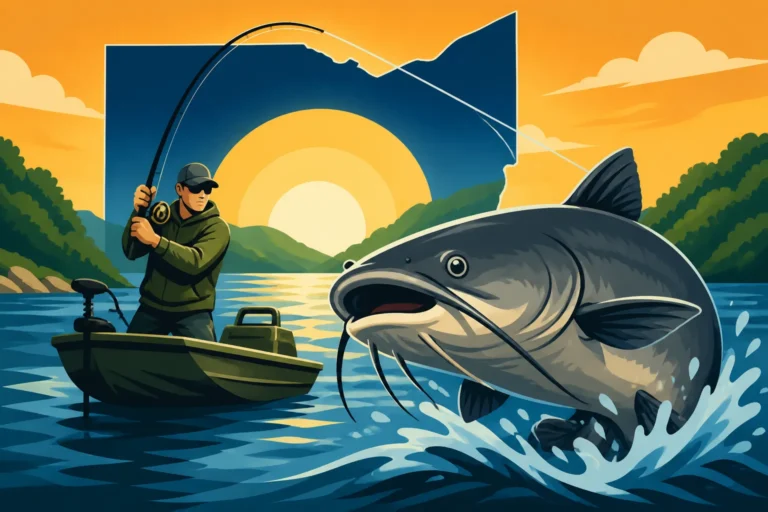
Ah, the flathead. These are the bruisers of the Ohio River, known for their massive size and predatory nature. Unlike the channel catfish, flatheads are ambush predators, preferring live bait and often lurking in heavy cover like log jams, submerged trees, and rocky outcroppings. They are also much more sensitive to water temperature.
Flatheads really come alive when the water warms up, typically from late spring through early fall. During the colder months, they become quite lethargic, reducing their feeding activity significantly and often retreating to deep, stable sanctuaries. If your goal is to land a true trophy flathead, you absolutely want to focus on the warmer seasons. Your guide will likely take you to specific snags and structure, often anchoring right on top of or just upstream from known flathead haunts, using sturdy gear and fresh live bait like bluegills or suckers. Understanding their preference for warmer water and structure is paramount to a successful Ohio Muskie Size and Bag Limits trip focused on these behemoths.
Blue Catfish: The Big River Roamer
While not as historically prevalent as channels and flatheads, blue catfish are making their presence known in the Ohio River, particularly in the lower stretches and larger pools. These fish are true river monsters, capable of growing to immense sizes. They often prefer strong current and deep water, moving in schools and feeding on smaller fish, mussels, and crayfish. Ohio Blue Catfish Identification can help you tell them apart from their cousins.
Like flatheads, blue catfish are highly active in warmer water, but their sheer size and schooling behavior can make them an incredible target during the peak summer and fall months. They’ll often feed heavily in areas with good current, such as river bends, scour holes, and along navigation channels. A guided trip targeting blue catfish on the Ohio River will often involve heavy tackle, large cut bait (like shad or skipjack herring), and anchoring in prime current seams. If you're dreaming of a truly epic fight with a fish that can easily top 50 pounds, the prime warmer seasons offer your best shot at these powerful roamers.
Peak Seasons for Guided Ohio River Catfish Trips
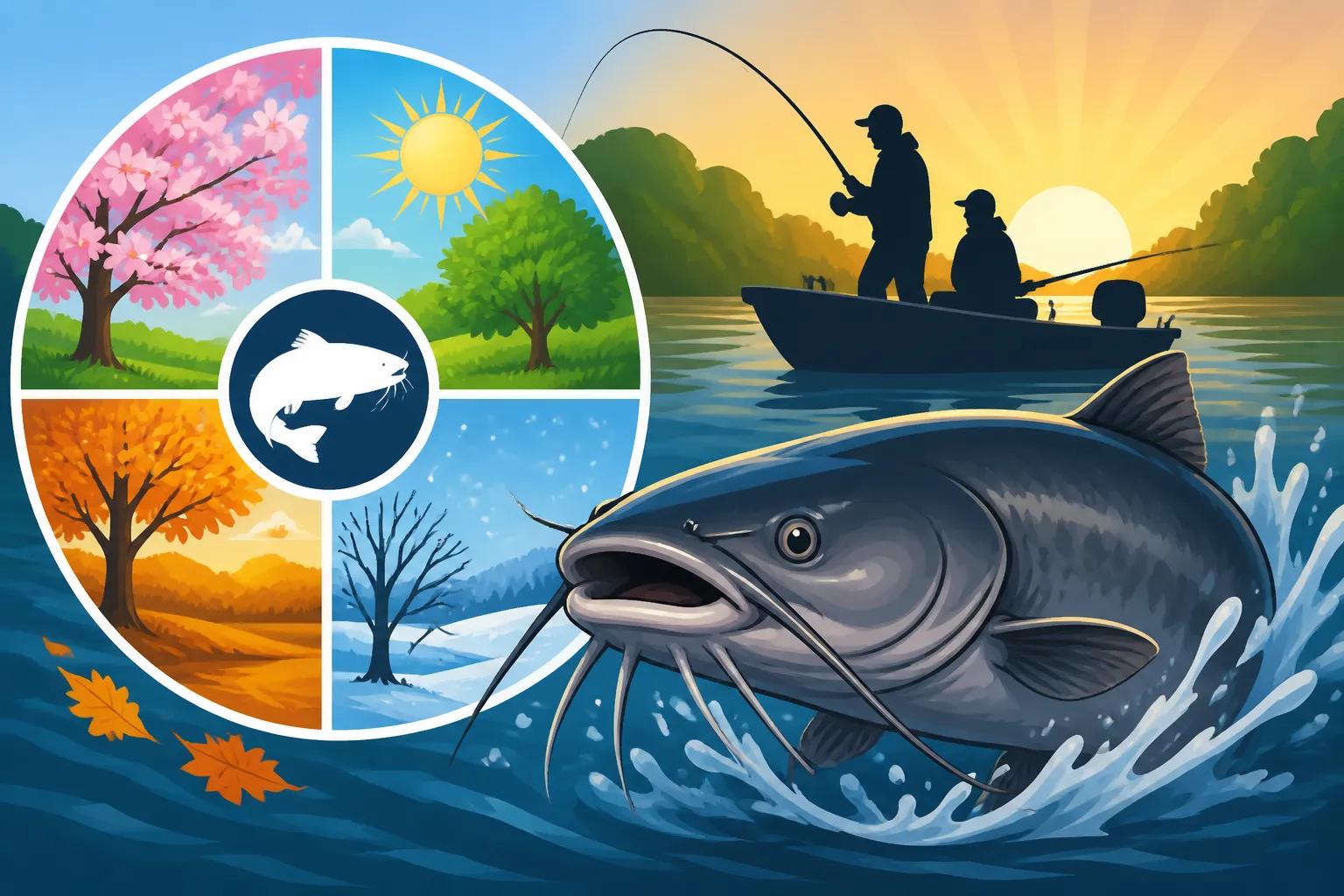
Each season on the Ohio River brings its own set of conditions and opportunities for catfishing. What might be great for one species could be challenging for another, and understanding these shifts is crucial for planning the "best" guided trip for you.
Spring: Awakening and Spawning
Spring on the Ohio River is a time of transition and renewed activity. As water temperatures begin to climb from their winter lows, catfish start to shake off their lethargy.
- Early Spring (March-April): Water temperatures are still cool, but fish are becoming more active. Channel catfish can be excellent targets as they begin to feed more aggressively, often found in deeper holes and along current breaks. Flatheads and blues are still relatively sluggish but can be caught, particularly on warmer days, as they move out of their wintering grounds. This period can be hit or miss, but a skilled guide will know where to find the most active fish.
- Late Spring (May-Early June): This is when things really start to heat up. Water temperatures are ideal, and catfish are actively feeding to prepare for spawning. The pre-spawn bite can be fantastic for all three species. Flatheads and blues will be more actively hunting live bait near structure, while channels will be abundant and willing to take a variety of offerings. However, as some fish begin to spawn, their activity can briefly slow down. A guide will be invaluable here, knowing which areas are holding pre-spawn feeders and which fish might be temporarily less interested.
Summer: The Prime Time for Action
Without a doubt, summer (late June through August) is often considered the prime time for targeting big catfish on the Ohio River, especially if you're after flatheads and large blue catfish.
- Consistent Warmth: The steady warm water temperatures mean that flatheads and blues are at their most active. Their metabolism is high, and they are constantly feeding. This is when those ambush predators are most likely to aggressively strike live bait.
- Night Fishing: Many of the most productive guided trips for trophy flatheads and blue catfish happen at night during the summer. Catfish, particularly the larger ones, are nocturnal feeders, moving out of their daytime cover to hunt. The cooler night air is also much more comfortable for anglers than the scorching daytime heat. A guide specialized in Night Fishing Techniques in Ohio for catfish will have all the right gear, lights, and knowledge to navigate the river safely in the dark and put you on big fish.
- Abundant Forage: Summer also means an abundance of baitfish, which fuels the catfish's aggressive feeding. Your guide will use this to your advantage, often netting fresh local bait. While days can be hot, the action can be furious, making summer an incredibly rewarding time for a guided trip.
Fall: Feeding Frenzy Before Winter
As summer transitions into fall (September-November), the Ohio River offers another fantastic window for catfishing. The dropping air temperatures cool the water, signaling to catfish that winter is coming, and they need to bulk up.
- Aggressive Pre-Winter Feeding: This period is characterized by an intense feeding frenzy. Catfish of all species become incredibly active, trying to pack on calories. Flatheads and blues will still readily take live bait, and channel catfish often go into a full-on bite mode.
- Comfortable Fishing Conditions: The cooler air temperatures make for a much more comfortable fishing experience compared to the dog days of summer. Less humidity and fewer insects are definitely a bonus for anglers.
- Deeper Water Transitions: As fall progresses, fish will start to transition towards their deeper wintering holes. A good guide will track these movements, knowing exactly where the fish are holding and how to present baits effectively in these deeper spots. Fall often provides a sweet spot of aggressive bites and comfortable conditions, making it a favorite for many experienced catfishermen.
Winter: A Niche but Rewarding Pursuit
Winter (December-February) is generally the slowest time for Ohio River catfishing, but that doesn't mean it's impossible. It's more of a niche pursuit, often for the dedicated angler looking for a unique challenge.
- Slowed Metabolism: Catfish metabolism slows significantly in cold water, meaning they feed much less frequently and aggressively. Flatheads, in particular, become very lethargic.
- Deep Hole Concentrations: During winter, catfish, especially channels and blues, will often stack up in deep, stable holes with minimal current. They become very concentrated, so if you can find them, you can have a surprisingly good day.
- Subtle Bites and Slower Presentations: Winter catfishing requires patience and very subtle presentations. Baits need to be held directly in front of the fish, often for extended periods. This is where a guide's expertise in How to Anchor for Catfish on the Ohio River and using sensitive electronics to locate fish truly shines. While not for everyone, a successful winter trip can be incredibly rewarding due to the challenge and the unique feeling of catching fish when others have packed it in.
Factors Influencing Your Trip Timing Beyond the Season
While the general seasons provide a good framework, the Ohio River is a dynamic environment. Several other crucial factors can influence the absolute best time for your guided catfish trip, and a skilled guide will always be considering these.
Water Levels and Current Conditions
The Ohio River is controlled by a series of locks and dams, which means its water levels and current can fluctuate dramatically based on rainfall and dam operations. These changes profoundly impact catfish behavior.
High, muddy water from heavy rains can scatter fish and make them harder to locate and tempt. Conversely, low, clear water might concentrate fish in certain areas but also make them more wary. A strong current can position fish in specific feeding lanes, while slack water might find them tucked into quiet eddies. Your guide, being constantly on the water, will have an up-to-the-minute understanding of these conditions. They know how to interpret the river's mood and adapt their strategy, whether that means moving to a different section of the river, changing bait presentations, or adjusting their anchoring techniques. This local knowledge is one of the biggest advantages of hiring an Ohio River catfish guide.
Preferred Species and Target Size
Your personal fishing goals play a huge role in determining the "best" season. Are you dreaming of a monster flathead that will challenge your tackle and your arms? Or are you hoping for a cooler full of eating-sized channel catfish for a family fish fry?
- Trophy Flatheads and Blues: If landing a true trophy flathead or a massive blue catfish is your top priority, then late spring, summer (especially at night), and early fall are your prime windows. These warmer months are when these giants are most active and feeding heavily.
- Consistent Channel Catfish Action: For consistent bites and good numbers of channel catfish, you have more flexibility. While summer is excellent, spring and fall also offer fantastic opportunities. Even a mild winter can yield good channel cat action if your guide knows where to find the concentrated schools.
- Mixed Bag: If you're open to catching a mix of species, then the shoulder seasons of late spring and early fall often provide a great balance of active channels and increasingly active flatheads and blues. Discuss your target species and size goals with your guide when booking your trip; they can help you pick the perfect time.
Guide Availability and Booking Strategy
The popularity of specific fishing seasons means that top Ohio River catfish guides can book up quickly. Just like trying to find the best spots for a Lake Erie Walleye Charter Booking, planning ahead is crucial.
The peak summer and fall months, particularly weekends, are often the busiest. If you have specific dates in mind, especially during these prime times, it's highly advisable to book your guided trip well in advance. Many anglers will book their trips months, or even a year, ahead of time to secure their preferred captain. Using platforms like FishingBooker can be a great way to view guide availability, compare different operations, and read reviews, helping you find the perfect fit for your Ohio River adventure. Some guides may even offer a discount for booking during less popular weekdays or during the early or late parts of the peak season. Don't be afraid to reach out to guides directly, or through a reputable platform like FishingBooker, to inquire about their schedule.
Preparing for Your Ohio River Catfish Adventure
Once you've nailed down the best season for your Ohio River catfish trip, a little preparation goes a long way. Even with a top-notch guide, knowing what to expect and bringing the right personal items will enhance your experience. For more information on what to expect, consider our article on What's Included on a Lake Erie Charter to give you a general idea, though specifics will vary for river guides.
Essential Gear and Bait Considerations
One of the major benefits of booking a guided trip is that your guide typically provides all the necessary fishing gear and bait. However, it’s good to have an understanding of what they’ll be using and why.
For Ohio River catfishing, especially when targeting flatheads and blues, guides will use heavy-duty rods and reels capable of handling large fish and strong currents. You can expect stout lines, often 50-80 pound test or more, paired with strong circle hooks designed to ensure a solid hookset in a catfish's tough mouth. As for bait, fresh cut bait (like shad, skipjack, or drum) is a staple for blue and channel catfish, while live bait (such as bluegills, suckers, or goldfish) is preferred for flatheads. Your guide will secure the best bait for the day's conditions, often catching it fresh themselves. While you don't need to bring your own gear, knowing the setup can help you appreciate the fight when a big one bites! For more bait tips, check out Best Baits for Ohio Catfish.
What to Expect from an Ohio River Catfish Guide
Hiring a guided Ohio River catfish trip is an investment in expertise, safety, and equipment. You're not just paying for a boat ride; you're leveraging years of experience on this specific body of water.
A professional guide will provide:
- Local Knowledge: They know the river like the back of their hand – the deep holes, the log jams, the current seams, and where the fish are likely to be holding given the current conditions. They'll also know Special Fishing Regulations on the Ohio River that apply.
- Specialized Equipment: From the boat itself to the heavy-duty rods, reels, and specialized tackle needed for big catfish, your guide's gear will be perfectly suited for the task. They'll often have advanced electronics like fish finders and GPS to locate prime spots and track fish.
- Safety First: Ohio River fishing, especially at night or in strong currents, requires a knowledgeable captain. Your guide will ensure your safety, navigating the river confidently and providing necessary safety equipment like life jackets.
- Instruction and Assistance: If you're new to catfishing or want to learn specific techniques, your guide will be happy to offer tips on casting, bait presentation, fighting fish, and handling your catch. They'll also handle the messy stuff like baiting hooks and netting fish.
- Fish Cleaning: Many guides will also clean and bag your catch at the end of the day, making it easy for you to take home fresh fillets.
The Ohio River Catfish Guide Trip Cost will reflect these comprehensive services. When researching guides, check platforms like FishingBooker, and always ask what's included in the trip price so there are no surprises.
Safety and Comfort on the River
Even with a guide, your personal comfort and safety are important. The Ohio River can be unpredictable, and being prepared for various conditions is crucial.
- Weather Preparedness: Dress in layers, regardless of the season. Spring and fall mornings can be chilly, even if the afternoon warms up. Summer days can be sweltering, so lightweight, breathable clothing is essential. Always bring rain gear – pop-up showers are common.
- Sun Protection: Sunscreen, a wide-brimmed hat, and polarized sunglasses are non-negotiable, especially during the warmer months. The sun's glare off the water can be intense.
- Hydration and Snacks: Bring plenty of water and some snacks. Fishing can be hard work, and staying hydrated is critical. Many guides will have a cooler, but it's always good to bring your own drinks.
- Footwear: Wear comfortable, non-slip shoes. The deck of a boat can get wet and slippery.
- Personal Medications: Don't forget any essential personal medications you might need.
By keeping these tips in mind, you'll be ready for a comfortable and enjoyable day (or night!) on the Ohio River, maximizing your chances for a memorable guided catfish trip.
Ohio River Catfishing Seasons at a Glance
To help you visualize the best times, here's a quick overview of what you can expect during each season for guided Ohio River catfish trips:
| Season | Primary Target Species | General Activity Level | Best for | Considerations |
|---|---|---|---|---|
| Spring | Channel, Flathead (late) | Moderate to High | Good numbers, early flathead action | Variable water conditions; pre-spawn/spawn shifts |
| Summer | Flathead, Blue, Channel | Very High | Trophy flatheads & blues (especially night) | Can be very hot; night fishing often best |
| Fall | Channel, Blue, Flathead | High | Aggressive feeding frenzy, comfortable weather | Fish moving deeper as season progresses |
| Winter | Channel, Blue (niche) | Low | Challenging, but concentrated fish in deep holes | Slow bites, requires patience and specialized techniques |
Remember, this table provides a general guide. The Ohio River's mood can change quickly, but that's where a seasoned guide truly earns their stripes, adapting to conditions and putting you on the fish. For more on general fishing, you might also like Best Time of Day to Catch Catfish in Ohio.
Disclaimer
This article is for general informational purposes only and does not constitute professional advice. Laws, prices and regulations vary by location and change over time. Consult a qualified professional for guidance on your specific situation.