Ohio Flathead Catfish Identification
Picture this: you've just wrestled a massive, bottom-dwelling beast to the surface from a deep Ohio river bend, and it's got whiskers and a wide mouth. Your heart is pounding, but then the question hits you – is this a flathead, a channel cat, or maybe even a blue cat? The confusion is real, and correctly identifying your catch isn't just about bragging rights; it's crucial for understanding regulations, ensuring proper handling, and appreciating the incredible diversity of Ohio's aquatic life. This guide is dedicated to helping you confidently identify that impressive flathead catfish so you can fish smarter and enjoy your time on the water even more.
Why Identifying Flathead Catfish Matters to Ohio Anglers
For many anglers, a catfish is just a catfish, right? But in Ohio, knowing your species goes beyond casual observation. Flathead catfish are magnificent creatures with distinct characteristics and habits, and confusing them with their cousins, the channel or blue catfish, can lead to misunderstandings on the water, both from a recreational and regulatory standpoint. Their sheer power and size make them a truly unique target, and recognizing them correctly is the first step in becoming a true catfishing expert.
Distinguishing Flatheads from Channel and Blue Catfish
The immediate challenge for many anglers is that initial visual assessment. When you've got a fish on the line, especially if it's a big one, adrenaline can take over. You might see whiskers and a flat head and instantly think "flathead!" But there are key differences that set them apart. Channel catfish, for example, are much more widespread and often have a fork in their tail, which flatheads lack. Blue catfish share some similarities in size with flatheads but have a distinctly forked tail and a different head profile. Misidentifying your catch can mean you're not abiding by specific limits or seasons, or you might be releasing a fish you could have legally kept, or vice versa. Getting it right ensures you're fishing responsibly and maximizing your experience.
Legal and Ethical Implications of Misidentification
Ohio's fishing regulations, like those in many states, often have species-specific rules. While a general catfish limit might apply, sometimes certain waters or species have unique size or bag limits that are designed to protect specific populations or manage fisheries effectively. For instance, the regulations around Ohio Catfish Daily Bag Limit or Is There a Minimum Size for Channel Catfish in Ohio? might differ significantly from those for flatheads, especially when it comes to trophy-sized fish. If you misidentify a flathead, you could inadvertently violate a regulation, leading to a fine or, at the very least, a stern talking-to from a wildlife officer. Beyond the law, there's an ethical component too. Understanding the species helps you choose the right Best Baits for Ohio Catfish and techniques, and ensures you're handling the fish in a way that prioritizes its health, whether you intend to keep it or release it.
Key Physical Characteristics of an Ohio Flathead Catfish
Flathead catfish are, without a doubt, one of Ohio's most impressive freshwater fish. They're built like tanks, designed for ambush hunting in current, and their physical features reflect this lifestyle. Unlike some other catfish that are often mistaken for them, the flathead has several unmistakable characteristics that, once you know them, make identification a breeze. We're talking about everything from their unique head shape to the color patterns on their powerful bodies.
Head Shape and Mouth Structure
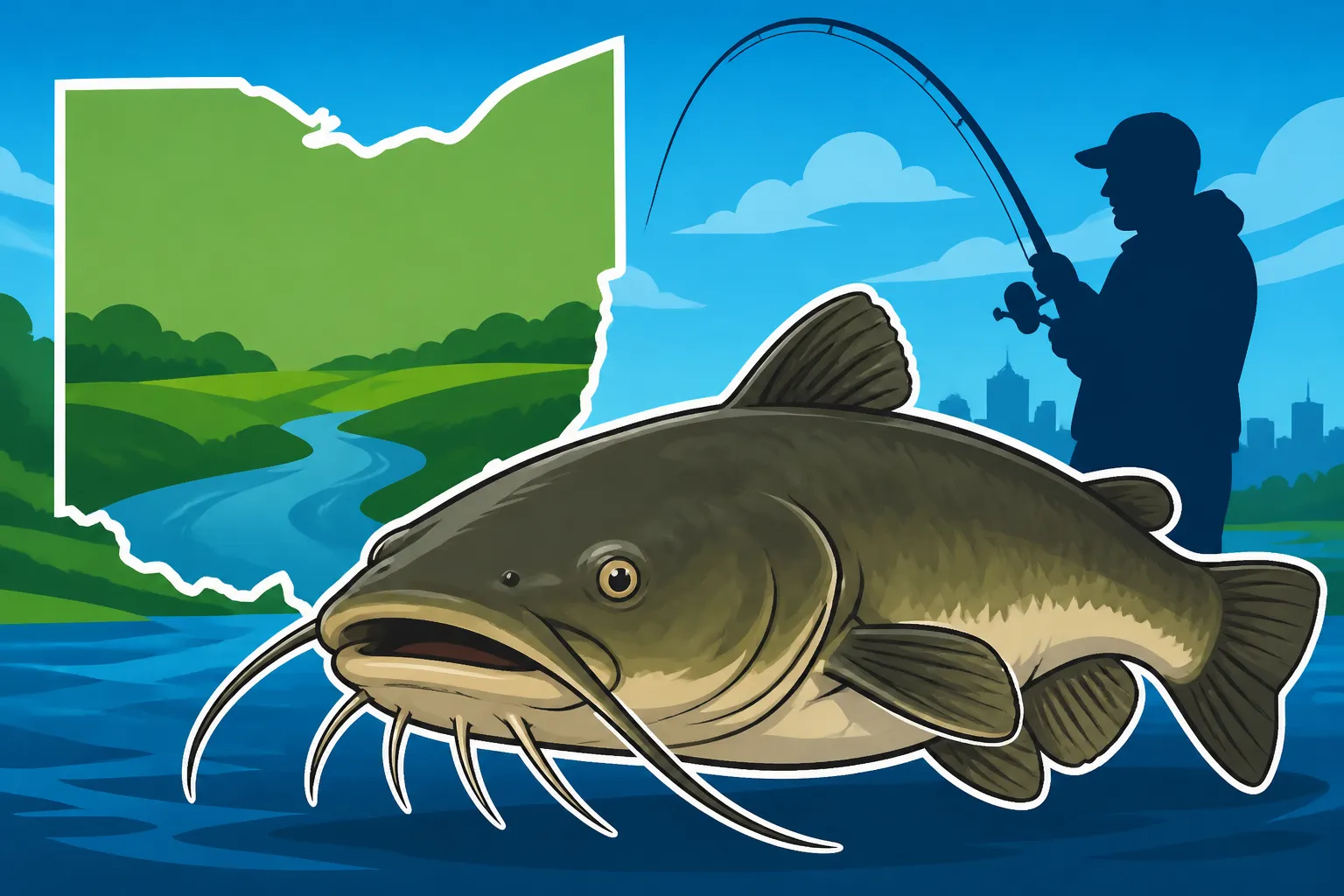
The name "flathead" isn't just a catchy moniker; it's the most prominent identifying feature. Flatheads possess a noticeably broad, flattened head that truly lives up to its name, especially when viewed from above. Their eyes are relatively small and sit high on their head, another testament to their ambush predator nature, often waiting camouflaged on the bottom. Perhaps most distinctively, their lower jaw protrudes beyond the upper jaw, giving them a perpetually "grumpy" or "underbite" look. This wide, gaping mouth is perfect for swallowing large prey whole. If you're comparing a potential flathead to a channel or blue catfish, look closely at the mouth: the flathead's lower jaw will always extend further out.
Body Coloration and Markings
When it comes to color, flathead catfish are masters of camouflage. Their bodies typically range from a mottled yellow-brown to a darker olive-brown, often with darker blotches or spots that provide excellent disguise against rocky or muddy river bottoms. The coloration isn't uniform; it can vary significantly depending on the water clarity and habitat they frequent. Fish from clearer, rocky rivers might be more mottled and yellowish, while those from muddier, slower stretches might appear darker and more uniformly brown. Their bellies, however, are almost always a creamy white or pale yellow. These irregular splotches and color variations are a stark contrast to the more uniform, often silvery-blue or olive, bodies of blue catfish, and the spotted or unspotted grey-olive of channel catfish.
Fin Features and Unique Appendages
Examining the fins provides even more definitive clues. The caudal fin (tail fin) of a flathead catfish is straight or slightly rounded, with very little to no fork. This is a critical distinction from both channel catfish and blue catfish, which both exhibit a distinctly forked tail. Flatheads also have adipose fins, a small, fleshy fin located between the dorsal and caudal fins, which is characteristic of the catfish family but its shape can be helpful. Their barbels, or "whiskers," are another telling feature. Flathead barbels are typically darker, often matching their body color, and are shorter and less pronounced than the long, slender barbels of a channel cat. Paying attention to these fin and barbel details can quickly resolve any lingering doubts about your catch.
Habitat and Behavioral Clues for Flathead Identification
Beyond their physical appearance, understanding where flatheads live and how they behave can greatly assist in their identification, especially if you're targeting them specifically. These fish aren't just found anywhere; they have very particular preferences that set them apart from other catfish species. Knowing these tendencies can help you narrow down the possibilities even before you reel in a fish. For example, if you're fishing a shallow, muddy pond, you're far less likely to encounter a true flathead compared to a deep, flowing river.
Preferred Habitats in Ohio Waters
Flathead catfish are primarily river and large reservoir dwellers in Ohio. They absolutely love current, structure, and deep holes. Think about places like the Ohio River Fishing Guide where they can be found lurking under log jams, rock piles, bridge abutments, or deep scour holes. They prefer areas with hard bottoms, often with fallen timber or rocky crevices where they can ambush prey. While you might occasionally find a channel catfish in these spots, flatheads dominate these prime ambush locations. They are less common in smaller lakes or ponds, preferring the expansive, flowing environments that offer them the space and food sources they need to grow to their legendary sizes. This preference for specific environments can be your first clue to identifying a flathead, even before it bites.
Feeding Habits and Angling Implications
One of the most defining characteristics of a flathead catfish is its diet. Unlike channel catfish, which are opportunistic omnivores, flatheads are voracious predators. They primarily feed on live fish, crawfish, and other aquatic organisms, making them a true hunter of the depths. This predatory nature influences how anglers target them; How to Use Cut Bait for Catfish is often effective, but live bait like sunfish, suckers, or large shiners is frequently the most successful presentation. If you catch a fish on a large live bait in heavy cover, especially after dark, the odds lean heavily towards it being a flathead. Their willingness to strike at active, struggling prey is a key behavioral identifier. In contrast, channel catfish might hit a wide variety of baits, from stink baits to hot dogs, reflecting their more varied diet.
Size and Growth Patterns
Flathead catfish are renowned for their impressive size, often growing larger than other Ohio catfish species. While a small flathead might be confusing to identify, once they reach a decent size, their sheer bulk and robust build become obvious. These fish can grow to truly enormous proportions in Ohio, as discussed in How Big Flathead Catfish Get in the Ohio River, with some specimens pushing well over the 50-pound mark. The state record flathead catfish is a testament to their growth potential, and it's a size rarely reached by even the largest channel catfish. Their slow, steady growth means that a truly massive catfish from Ohio waters is very likely a flathead, especially if caught in their preferred riverine habitats.
Comparing Flatheads to Other Ohio Catfish Species
Ohio is home to several species of catfish, and while they share some family traits, each has its own distinct characteristics. The three main species you'll encounter are flatheads, channel catfish, and blue catfish. While we've touched on some differences, a direct comparison can really solidify your identification skills. Knowing what to look for, especially in their fins, head, and body, will prevent you from mixing them up.
Flathead vs. Channel Catfish: A Side-by-Side Look
The most common mix-up in Ohio is often between flatheads and channel catfish. While both are prized game fish, their differences are quite pronounced once you know what to look for. Channel catfish are often recognized by their spots (though large ones can lose them) and, critically, their deeply forked tail. Their head is also more pointed and their mouth does not have the protruding lower jaw of a flathead. They also tend to have a more slender body profile compared to the flathead's chunky build.
Here's a quick comparison table:
| Feature | Flathead Catfish | Channel Catfish |
|---|---|---|
| Head Shape | Broad, flattened, "duck-billed"; lower jaw protrudes | More pointed, rounded; jaws typically even |
| Tail Fin | Square or slightly rounded; no fork | Deeply forked |
| Body Color | Mottled yellow to olive-brown with dark blotches; pale belly | Gray-olive to silvery-blue; often with dark spots (younger fish) |
| Skin | Smooth; no scales | Smooth; no scales |
| Barbels | Dark, often matching body color; shorter | Usually darker than body; longer and more slender |
| Diet Preference | Primarily live fish, crawfish | Omnivorous; insects, small fish, vegetation, prepared baits |
| Habitat | Deep, swift-flowing rivers; heavy cover, structure | Wide variety; rivers, lakes, ponds, reservoirs; less structure dependent |
| Max Size | Can exceed 50-70+ lbs | Typically 10-30 lbs, can reach 50+ lbs |
This table highlights the main points of divergence. If you're ever in doubt, the tail fin is often the quickest giveaway. A flat, rounded tail means flathead; a deeply cut fork means channel cat. Learning to recognize the unique head shape of a flathead is also a game-changer. For more on their counterparts, check out Ohio Channel Catfish Identification and What Channel Catfish Eat. Many anglers, myself included, have found invaluable resources on Amazon for high-quality identification charts and books to keep handy on the boat.
Flathead vs. Blue Catfish: Subtle but Important Distinctions
While less common than channel catfish in many Ohio waters, blue catfish are gaining popularity and size, especially in the Ohio River. They can also grow to immense proportions, making them easily confused with flatheads at a glance. However, blues have a distinctly forked tail, just like channel catfish, though often less pronounced than a channel cat's. Their bodies are typically silvery-blue to slate gray, without the mottled pattern of a flathead. The anal fin (the fin on the underside near the tail) is another key identifier: blue catfish have a very long, straight-edged anal fin with 30-35 rays, while flatheads have a shorter, more rounded anal fin with fewer rays (typically 14-17). The profile of a blue cat's head is also different from a flathead's, lacking the pronounced "flatness" and protruding lower jaw. For a deep dive into distinguishing these two, see Ohio Blue Catfish Identification.
Best Practices for Positive Identification on the Water
Even with all the knowledge in the world, identifying a fish quickly in the heat of the moment can be challenging. Whether you're fishing from the bank or out on a boat, having a quick checklist and a plan for uncertain catches will make you a more confident and responsible angler. These practices ensure you're compliant with regulations and that you treat every fish with the respect it deserves.
Visual Cues for Quick Assessment
When you bring a catfish to the boat or bank, take a moment for a quick visual inspection. Don't just assume. Here's your rapid-fire checklist:
- Check the Tail: Is it deeply forked (channel or blue), or is it square/slightly rounded (flathead)? This is often the first and most definitive clue.
- Examine the Head: Is it noticeably broad and flattened, with the lower jaw sticking out? If so, you've likely got a flathead. Channel cats have a more rounded, conical head, and blues are somewhere in between but without the flathead's prominent lower jaw.
- Look at the Body Color: Is it a mottled, blotchy yellow-brown or olive? That screams flathead. Uniform gray or silvery blue suggests a blue cat, while olive-green with spots points to a channel cat.
- Count Anal Fin Rays (if still unsure): While harder to do quickly, a long, straight-edged anal fin with many rays (30+) points to a blue cat. A shorter, rounded fin with fewer rays (under 20) is typical of a flathead.
Keeping a small, laminated field guide, easily purchased on Amazon, with pictures of all three major Ohio catfish species can be a lifesaver for those moments of uncertainty. It's much easier to compare a live fish to a clear diagram than to try and recall details from memory.
Safe Handling and Release for Undecided Catches
Sometimes, despite your best efforts, you might still be unsure about a fish's identity, or perhaps it's a borderline size for regulation. In these situations, responsible angling dictates that you prioritize the fish's well-being. Always have a large, knotless landing net ready, especially for bigger fish, to minimize stress and prevent injury. If you're planning to release the fish, handle it as little as possible. Wet your hands before touching it to protect its slime coat. For heavy fish, cradle the body, supporting its weight, rather than holding it vertically by the jaw alone. If you're going to measure it, do so quickly and accurately. If you need to take a picture for later identification, get it done swiftly and return the fish to the water. Practices for releasing large fish, similar to what you'd do for a big muskie, as described in Best Way to Handle and Release an Ohio Muskie, apply here. It's always better to err on the side of caution and release a fish if you're not 100% sure about its species or if it falls into a questionable size category, helping to conserve these incredible populations for future generations of anglers.
Disclaimer
This article is for general informational purposes only and does not constitute professional advice. Laws, prices and regulations vary by location and change over time. Consult a qualified professional for guidance on your specific situation.