Best Time of Day for a Lake Erie Walleye Charter
One of the biggest questions I hear from fellow anglers planning a trip to the "Walleye Capital of the World" is, "When is the absolute best time of day to book a Lake Erie walleye charter?" It's a valid concern, as the timing of your trip can feel like it makes all the difference between a limit catch and a slow day. This guide is going to dive deep into the nuances of timing your Lake Erie walleye adventure, helping you understand the factors at play and choose the ideal slot for your next big catch.
Why Early Morning Charters Often Reign Supreme for Walleye on Lake Erie
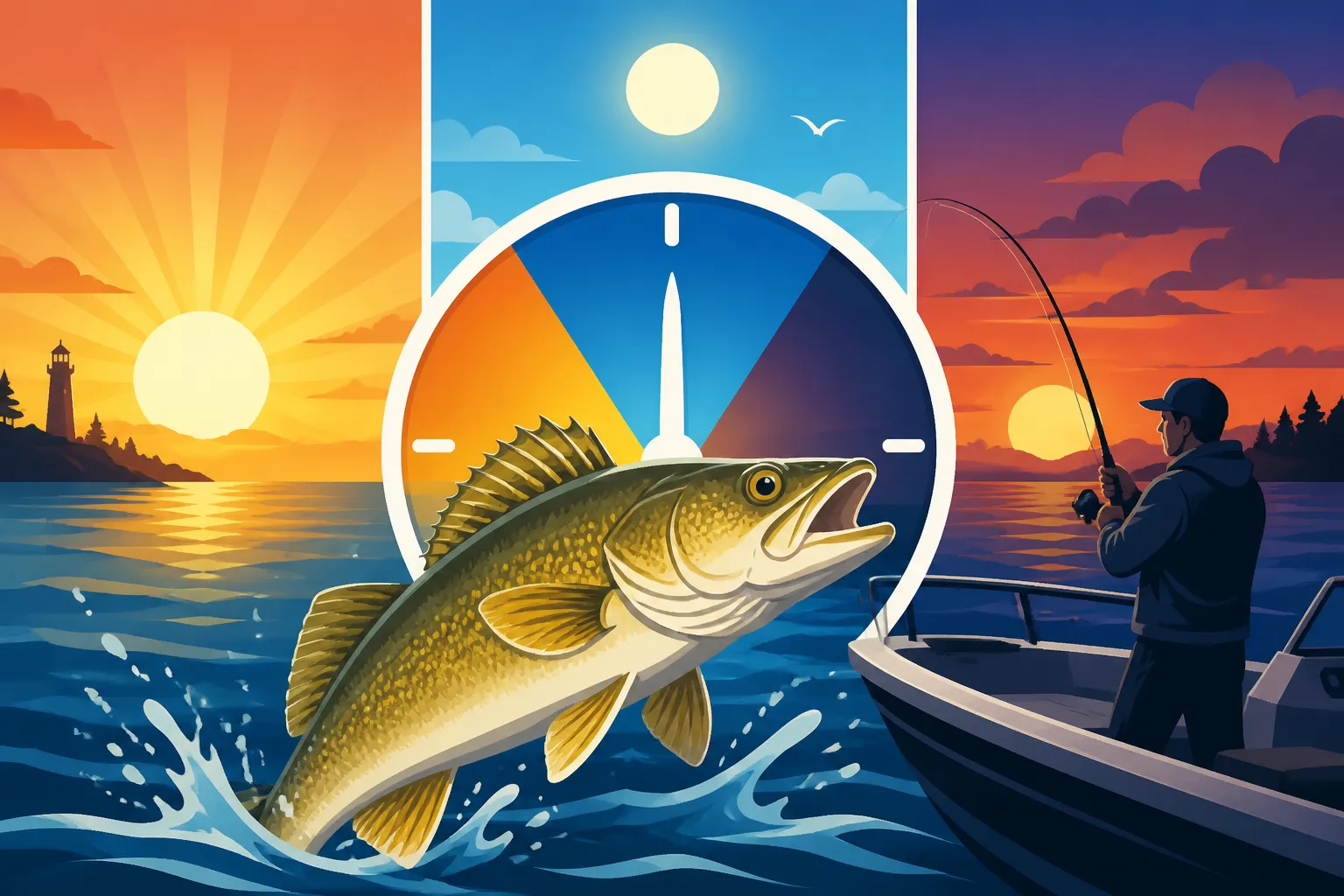
If you've ever heard seasoned Lake Erie captains and experienced anglers talk, you'll notice a common thread: the crack of dawn often gets the most love. There's a good reason for this, and it's not just about getting an early start. Walleye, being light-sensitive predators, tend to be most active and aggressive during periods of low light. This makes the pre-dawn hours and the couple of hours immediately following sunrise prime time for their feeding frenzies.
The Magic of Low Light Conditions
Think about it: walleye have large, sensitive eyes perfectly adapted for seeing in dim conditions. This gives them a distinct advantage over their prey, like shad and emerald shiners, when the sun isn't blazing high in the sky. As the sun begins to peek over the horizon, or even before it makes an appearance, walleye are often moving up from deeper waters or out from cover, actively hunting. This means they're more likely to strike at your lures or baits. I've been on countless trips where the first hour or two after lines hit the water are absolutely phenomenal, with multiple hook-ups coming in quick succession. The fish are less wary, more focused on feeding, and simply more vulnerable to well-presented offerings. It’s a feeling you have to experience to truly appreciate – that crisp morning air, the rising sun painting the sky, and the constant thump of walleye hitting your line.
Less Boat Traffic and Calmer Waters
Beyond just the fish behavior, early mornings often bring a more pleasant fishing experience for the anglers themselves. For one, you'll generally encounter less boat traffic on the lake. As the day progresses, especially on popular fishing grounds out of ports like Port Clinton or Sandusky, the number of boats can increase significantly. Less traffic means less competition over prime fishing spots and fewer boat wakes to contend with. This can lead to a more consistent troll or drift, which can be critical when trying to maintain a precise depth or presentation for finicky walleye. I remember one blustery summer day where we started at 5 AM and had limits by 9, while boats that launched later struggled with chop and crowded waters. There's also a higher chance of encountering calmer waters in the morning before afternoon winds pick up, making for a much more comfortable ride and fishing conditions, especially if you or your companions are prone to seasickness. Many captains you might find on platforms like FishingBooker often recommend early departures for these very reasons, prioritizing both comfort and catch rates.
Considering Afternoon and Evening Walleye Charters on Lake Erie
While mornings often get the gold star, don't write off afternoon and evening charters completely. There are certainly scenarios where fishing later in the day can be incredibly productive, and even offer a different, perhaps more relaxed, experience on the water. It’s all about understanding how walleye behavior can shift and adapting your expectations.
Later in the Season and Cooler Temperatures
As the summer progresses, particularly into late August and September, or during cooler, overcast days in the peak season, afternoon and evening fishing can really shine. When the water temperatures climb in mid-summer, walleye might retreat to deeper, cooler water during the brightest parts of the day. However, as the sun begins to dip towards the horizon and the water temperature starts to cool, even by a degree or two, these fish often become more active again. This is especially true for those larger, trophy-sized walleye that are often more solitary and opportunistic feeders. I've had some fantastic evening bites in the fall, trolling cranks as the sun sets, where the fish just seem to turn on as the light fades. Sometimes, even if the bite isn't as fast and furious as a morning frenzy, the average size of the fish can be noticeably larger.
The Serenity and Beauty of Sunset Trips
Let's be honest, fishing isn't just about catching fish, even though that's a huge part of it! An afternoon or evening charter, especially one that extends into the twilight hours, offers a completely different aesthetic experience. The sunsets over Lake Erie are absolutely spectacular, painting the sky with vibrant colors that you just won't see at sunrise. For families or groups looking for a more relaxed outing, where the focus might be as much on the camaraderie and the scenic beauty as it is on the catch, an evening trip can be ideal. Imagine reeling in a beautiful walleye with a fiery orange and purple sky as your backdrop – it's truly unforgettable. While the frantic morning bite might yield more numbers, the calm and beauty of an evening trip, perhaps with a slightly slower but steady bite, can be incredibly rewarding. It’s a great option if you're looking for Family-Friendly Ohio Fishing Charters. Many captains listed on services like FishingBooker offer these twilight trips specifically for the experience.
Factors Influencing the Best Time Beyond Just the Clock
It would be too simple to just say "always go in the morning." The truth is, the "best" time for a Lake Erie walleye charter is a dynamic equation influenced by several environmental and seasonal factors. Understanding these can help you and your captain make an informed decision for your specific trip.
Seasonality and Water Temperature
The time of year plays a huge role in walleye behavior and, consequently, the best time of day to target them.
- Spring (April-May): Early spring, after the spawn, walleye are often shallower and can be active throughout the day, especially if the water is cool and cloudy. Mornings are still excellent, but a productive bite can extend well into the afternoon.
- Early Summer (June-July): This is often peak walleye season on Lake Erie. Walleye are highly active, and while mornings are typically best, strong bites can occur into the afternoon, especially on overcast days or if trolling methods are employed to cover ground and locate active fish.
- Late Summer (August-September): As mentioned, when surface water temperatures climb, walleye tend to seek deeper, cooler water during the brightest part of the day. This can make for slower mid-day fishing, pushing the prime bite window back to early mornings and late afternoons/evenings as the light fades and temperatures drop.
- Fall (October-November): Cooler water invigorates walleye, and they become very aggressive feeders, fattening up for winter. While mornings are still strong, the bite can extend and be excellent all day, particularly on cloudy days.
The key takeaway is that cooler water generally means more extended feeding windows, while warmer water often concentrates the bite into low-light periods. For a deeper dive into seasonal patterns, check out Best Time of Year to Fish Lake Erie for Walleye.
Weather Conditions and Baitfish Movement
Beyond the clock and the calendar, daily weather patterns are enormous drivers of walleye activity.
- Cloud Cover: Overcast days often extend the prime feeding windows, as the reduced light mimics dawn and dusk conditions. Walleye are more comfortable and active in these conditions, meaning afternoon charters can be just as productive as morning ones.
- Wind and Waves: A little chop can actually be a good thing, breaking up the surface and making walleye feel more secure. However, too much wind can make fishing uncomfortable and difficult. Early mornings often offer calmer conditions, but a change in wind direction later in the day can sometimes trigger a bite. Understanding Best Weather Conditions for Lake Erie Walleye Fishing can significantly improve your planning.
- Barometric Pressure: A stable or slowly falling barometric pressure often corresponds to active fish, while rapidly dropping pressure (often associated with incoming storms) can shut down the bite.
- Baitfish Activity: Walleye follow their food. If schools of baitfish are moving through an area, the walleye won't be far behind, regardless of the time of day. Your captain's experience and fish finder technology will be crucial here in locating these schools. Many times, if the bait is deep during the bright mid-day sun, that’s where the walleye will be too, making specific trolling presentations vital.
Angler Preference and Charter Logistics
Ultimately, the "best" time of day can also come down to your personal preference and what you're hoping to get out of the trip.
- Early Risers vs. Late Sleepers: Are you and your group morning people eager to hit the water at 5 AM, or do you prefer a more leisurely start? If your group isn't keen on waking up before the chickens, an afternoon trip might be a better choice, even if it means slightly less aggressive fishing.
- Half-Day vs. Full-Day Charters: Most Lake Erie walleye charters offer both half-day and full-day options. Half-day trips typically run about 5-6 hours, while full-day trips can be 8 hours or more. If you're going for a half-day, you'll need to decide if you want to capitalize on the morning bite or enjoy a later start. Full-day trips offer the flexibility to experience different times of day and adapt to changing conditions. You can read more about How Long a Typical Lake Erie Walleye Trip Runs to plan your duration.
- Captain Availability: Sometimes, the "best time" is simply when your preferred How to Vet a Lake Erie Fishing Charter Captain or charter service has availability. Popular captains get booked up quickly, especially during peak season. Using online booking platforms like FishingBooker can help you see real-time availability across different captains and time slots, letting you choose the option that works best for your schedule.
Consider this table to weigh your options:
| Factor | Early Morning Charters | Afternoon/Evening Charters |
|---|---|---|
| Walleye Activity | Often highest due to low light and active feeding | Can be excellent in cooler water/late season; light-dependent |
| Boat Traffic | Generally lower, less competition, calmer water | Potentially higher, especially during peak tourist times |
| Water Conditions | Higher chance of calmer water and favorable conditions | Can become choppier due to afternoon winds |
| Light & Views | Beautiful sunrises, crisp air, ideal for fish activity | Stunning sunsets, relaxed atmosphere, great for scenery |
| Temperature | Coolest and most comfortable | Can be warmest mid-day, cooling towards evening |
| Angler Comfort | Requires early wake-up, but often most productive | More leisurely start, can be hot mid-day, relaxing evenings |
| Best For | Maximizing catch rates, serious anglers, avoiding crowds | Relaxed trips, scenic views, families, late season fishing |
Ultimately, while the early morning often gives you the statistical edge for sheer numbers of walleye on Lake Erie, an afternoon or evening charter, particularly in certain conditions or seasons, can still deliver fantastic fishing and a truly memorable experience. Don't be afraid to discuss these preferences and factors with your chosen charter captain – their local knowledge is your greatest asset in planning the perfect trip.
Disclaimer
This article is for general informational purposes only and does not constitute professional advice. Laws, prices and regulations vary by location and change over time. Consult a qualified professional for guidance on your specific situation.