Best Time of Year to Fish Lake Erie for Walleye
It’s a common frustration for anglers in Ohio: you’ve got your gear ready, your boat’s gassed up, and the lure box is overflowing, but then you wonder… is this really the best time to hit Lake Erie for walleye? Timing your trip perfectly can feel like a guessing game, influenced by everything from water temperature to the mysterious movements of baitfish. This guide will walk you through the seasonal rhythms of Lake Erie walleye, helping you understand when and where these elusive fish are most active, so you can plan your next successful outing with confidence.
Understanding Lake Erie's Walleye Seasons and Behavior
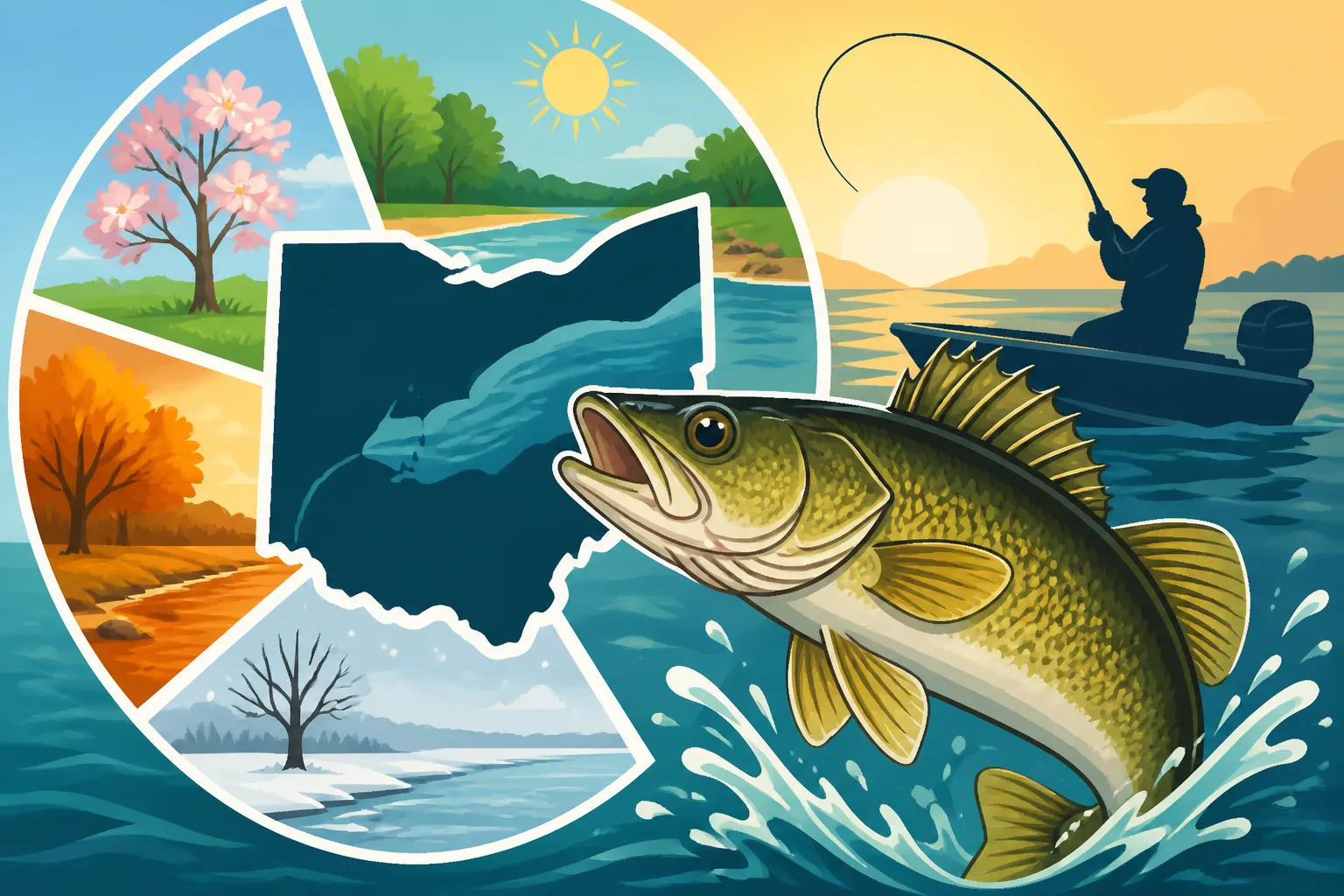
Lake Erie, often hailed as the "Walleye Capital of the World," offers fantastic fishing opportunities almost year-round, but the best time truly depends on what kind of fishing experience you're looking for and how the walleye are behaving. These fish are constantly on the move, driven by instinct, water conditions, and their unending search for food. Breaking down the year into distinct seasons helps paint a clearer picture of their patterns.
The Spring Spawning Frenzy April – Early June
Spring is a time of immense excitement for walleye anglers, as the fish emerge from their winter haunts with a singular focus: reproduction. As the ice recedes and water temperatures begin to climb into the 40s and 50s Fahrenheit, walleye initiate their annual spawning migration. Many fish move into the shallower Western Basin of Lake Erie, while a significant portion makes their way into the tributary rivers, most notably the Maumee and Sandusky.
During the pre-spawn phase, typically late March into April, walleye gorge themselves, packing on energy for the spawn. They can be found in staging areas near river mouths or shallow reefs, offering incredible opportunities for casting or jigging. Once water temperatures hit the mid-40s to low 50s, the actual spawning begins. In the rivers, this can be an incredible sight, with thousands of walleye running upstream. You can learn a lot about this annual event by checking out resources on Maumee River Walleye Run Fishing and Sandusky River Walleye Run Fishing. Post-spawn, the fish disperse, recuperating and beginning to feed actively again, moving back into the open lake from the rivers or spreading out from shallow reefs. This period, usually late May and early June, can be fantastic for targeting aggressive, hungry walleye before they settle into their deeper summer patterns.
Summer's Deepwater Delights June – August
As the dog days of summer arrive and surface water temperatures soar, Lake Erie walleye tend to seek refuge in cooler, deeper waters, especially in the Central and Eastern Basins. This doesn't mean they're impossible to catch; it just means you need to adjust your approach. The thermocline – the layer where warm surface water meets colder deep water – becomes critical during this time. Walleye often suspend themselves just above, within, or just below this layer, where temperatures are ideal, and baitfish are concentrated.
June marks a transition period where fish might still be found in shallower depths early in the month, but by July and August, they are often in 30 to 70 feet of water or even deeper, depending on the specific location. Understanding How Deep Lake Erie Is Where Anglers Fish for Walleye can be crucial. This is prime time for trolling with planer boards and downriggers, covering vast expanses of water to locate schools of feeding fish. Crankbaits, spoons, and crawler harnesses are popular choices. Don't discount jigging, especially early in the morning or late in the evening around structure or pronounced depth changes. While the fish are spread out, when you find a school, the action can be fast and furious, yielding some of the largest walleye of the year.
Fall's Feeding Frenzy September – November
Just when you thought the season might be winding down, Lake Erie ignites with another incredible walleye bite in the fall. As water temperatures begin to drop, walleye sense the approaching winter and initiate a vigorous feeding spree, bulking up on forage to sustain them through the cold months. This often means they become more aggressive and less particular about baits.
During early fall, typically September, the walleye may still be spread out across the lake, similar to summer patterns, but as October rolls around, many begin to migrate back towards the Western Basin. They often move shallower than their summer haunts, congregating around reefs, rocky structures, and even points along the shoreline. This transition offers diverse fishing opportunities, from continued trolling to casting crankbaits or blade baits in shallower waters, especially during low light conditions. The clarity of the water also often improves in the fall, which can influence lure choice. You’ll find that understanding the nuances of Western Basin vs Central Basin Lake Erie Fishing becomes especially useful as fish begin to shift. The sheer number of active fish and their willingness to strike makes fall one of the absolute best times to target trophy-sized walleye before the deep chill sets in.
Winter's Icy Challenge December – March
While many anglers pack away their gear for the winter, a dedicated few brave the cold for ice fishing on Lake Erie, primarily in the shallower Western Basin. This season is entirely dependent on safe ice conditions, which can vary greatly year to year. When the lake freezes over sufficiently, it offers a unique and often productive walleye fishery.
Walleye activity slows considerably in the cold water, but they are still catchable. Anglers target them through the ice using jigging spoons, blade baits, and tip-ups rigged with live minnows. Key areas include shallow reefs, rock piles, and points where walleye might hold over winter. Safety is paramount when ice fishing on Lake Erie, as conditions can change rapidly. Always check local ice reports and never venture out alone. For those interested in this frosty pursuit, learning more about Is Lake Erie Safe for Ice Fishing? is a must before planning a trip. When conditions are right, the reward can be impressive catches of large, deep-bodied walleye.
Factors Influencing Walleye Activity on Lake Erie
While the seasons provide a general roadmap, several dynamic environmental factors constantly influence walleye behavior, often dictating where they are and how willing they are to bite on any given day. Ignoring these elements is a recipe for a slow day on the water.
Water Temperature and Oxygen Levels
Water temperature is arguably the most critical factor for walleye activity. Walleye are cool-water fish, preferring temperatures generally between 50 and 70 degrees Fahrenheit. Below 50 degrees, their metabolism slows, and they become less active. Above 70 degrees, they become stressed and seek cooler, deeper waters. During summer, the formation of a thermocline is vital. This temperature stratification creates layers in the lake. Walleye will often sit at the depth where the water temperature is most comfortable for them, which also happens to be where their primary forage fish, like emerald shiners or gizzard shad, are often concentrated.
Beyond temperature, oxygen levels play a crucial role, especially in warmer months. Deeper water layers can sometimes become anoxic (lacking oxygen) during the summer due to decaying organic matter. If the water below the thermocline lacks oxygen, walleye will be forced to stay above it, compressing them into a narrower band of water and often making them easier to locate, but potentially harder to tempt if they are stressed. Monitoring these conditions can make or break a summer walleye trip.
Weather Patterns and Wind Direction
Ask any seasoned Lake Erie walleye angler, and they'll tell you that weather is king. Stable weather patterns, especially those lasting a few days, often lead to consistent fishing. Sudden changes, like a strong cold front, can shut down the bite almost instantly, making fish lethargic and less likely to feed. Barometric pressure also plays a significant role; a rising barometer after a low-pressure system can often trigger a feeding spree.
Wind direction and strength are equally important. Moderate winds can create a desirable "walleye chop" that breaks up the surface, providing cover for the fish and often increasing their activity. However, strong winds can make fishing impossible due to dangerous waves, particularly on a large body of water like Lake Erie. A steady west or southwest wind is often favored by anglers in the Western Basin, as it can push warm surface water offshore and bring cooler, nutrient-rich water closer to shore, concentrating baitfish and walleye. Conversely, an east wind can sometimes make fishing more challenging. Dive deeper into this topic by exploring articles like Best Weather Conditions for Lake Erie Walleye Fishing.
Forage Base and Baitfish Movements
Walleye are opportunistic predators, and their movements are intrinsically linked to their food source. Lake Erie boasts an incredibly rich forage base, primarily composed of emerald shiners, gizzard shad, white perch, and, increasingly, invasive round gobies. The availability and location of these baitfish heavily influence where walleye will be found.
For example, during the spring, walleye will follow schools of shiners into shallower waters and river mouths. In the summer, if the emerald shiner population is robust and spread out, so too will be the walleye. If baitfish are concentrated in specific areas, perhaps around deep-water structures or temperature breaks, the walleye will follow suit. Knowing How to Locate Baitfish Schools on Lake Erie using your electronics or by observing bird activity can give you a significant advantage. A healthy forage base is a primary reason why Lake Erie consistently produces such large numbers of walleye, and understanding these patterns is key to successful fishing.
Strategic Planning for Your Lake Erie Walleye Trip
Planning a successful walleye trip to Lake Erie involves more than just picking a month. It requires careful consideration of where you want to fish, how you'll get on the water, and what gear you'll need. A little preparation goes a long way in maximizing your chances of a memorable catch.
Choosing the Right Basin and Port
Lake Erie is vast, and its three distinct basins – Western, Central, and Eastern – each offer unique fishing experiences and peak at different times. The Western Basin, generally west of the islands, is shallower and warms up faster, making it the epicenter of the spring spawning runs and often providing an excellent early summer bite. Ports like Port Clinton and Sandusky are incredibly popular here. The Central Basin, stretching from the islands eastward towards Fairport Harbor and Cleveland, is deeper and offers fantastic summer trolling for suspended walleye. Ports like Lorain, Huron, and Cleveland are key access points. The Eastern Basin, deepest of all, is less frequently targeted for walleye by Ohio anglers but holds its own deep-water populations.
When planning your trip, consider the season and what kind of fishing you prefer. If it's early season jigging action, the Western Basin is your best bet. For deep-water trolling in July, the Central Basin often shines. Articles like Ohio's Western Basin of Lake Erie provide excellent insights into these regions. Once you've chosen a basin, consider which port offers the best access for your chosen style of fishing and accommodations. Many anglers find great success starting their search for a charter or guide through platforms like FishingBooker, which can help you identify captains operating out of popular ports known for peak walleye action during your preferred timeframe. Finding a good guide or charter operating out of one of the Best Ports to Launch a Boat on Lake Erie can give you a significant leg up.
Booking a Charter or Planning a DIY Trip
For many, especially those new to Lake Erie or without their own boat, booking a charter is the ideal way to experience walleye fishing. Experienced charter captains have the knowledge, equipment, and electronics to put you on fish, often saving you countless hours of trial and error. They understand the nuances of the lake's ever-changing conditions and can adapt quickly. When peak season hits, especially in May and June for the Western Basin, or July and August for the Central Basin, these charters book up fast. It’s wise to use resources like FishingBooker to browse available charters and book well in advance, sometimes 6-12 months out for prime dates. This also allows you to compare what's included, read reviews, and find a captain that suits your group's needs. You can learn more about what to expect by researching a Lake Erie Walleye Charter Guide.
If you're a seasoned boat owner and prefer a DIY approach, careful planning is still essential. Ensure your boat is properly equipped for Lake Erie's vastness, which can turn rough quickly. Invest in reliable marine electronics, especially a good fish finder, and keep a close eye on weather forecasts and marine advisories. Knowing the capabilities of your vessel and your own experience level is crucial for safety.
Essential Gear and Techniques by Season
The beauty of Lake Erie walleye fishing is the diversity of techniques required throughout the year. Your gear choices should align with the season and the walleye's behavior.
- Spring: During the spring river runs, medium-heavy spinning rods with sensitive tips are popular for jigging. Popular lures include hair jigs, blade baits, and soft plastics rigged on jig heads. For early lake fishing, casting heavier crankbaits or even vertical jigging can be effective.
- Summer: Trolling reigns supreme in the summer. You'll need specialized trolling rods, often with line counter reels, to precisely control lure depth. Planer boards are essential for spreading out lines and covering more water. Crankbaits, spoons, and crawler harnesses are the go-to baits. Understanding Ohio Trolling Techniques for Lake Erie is vital for success in this season.
- Fall: Fall fishing often blends techniques. Trolling remains effective, particularly in early fall. As fish move shallower, casting crankbaits, swimbaits, or even vertical jigging with blade baits or spoons can be incredibly productive, especially during low-light conditions.
- Winter (Ice Fishing): For ice fishing, short, sensitive ice fishing rods are used with small jigs tipped with minnows or waxworms, or jigging spoons. Tip-ups are also popular, allowing you to cover multiple holes with live bait.
Regardless of the season, ensure your tackle is in good condition, your knots are strong, and you have plenty of spare leaders and lures. Many excellent resources, like Best Ohio Walleye Fishing Techniques, can help you refine your approach for specific conditions. Being prepared with the right gear and knowledge will significantly enhance your chances of reeling in those prized Lake Erie walleye.
Lake Erie Walleye Season Overview
Here's a quick reference table to help visualize the best times and associated characteristics for targeting walleye on Lake Erie:
| Season | Months | Primary Basin | Walleye Behavior | Key Techniques | Typical Depth (feet) | Notes |
|---|---|---|---|---|---|---|
| Spring | April – Early June | Western Basin | Spawning runs in rivers, post-spawn recovery | Jigging, Casting, Trolling | 5-30 (rivers/reefs) | Best for river runs & early lake action. Excellent trophy potential. |
| Summer | June – August | Central & Western | Moving deeper, suspending near thermocline | Trolling (planer boards) | 25-70+ | Consistent bite, but fish can be spread out. Great for limits. |
| Fall | September – November | Western & Central | Aggressive feeding, moving shallower | Trolling, Casting, Jigging | 15-50 | Hot bite as fish gorge for winter. Good for both numbers & size. |
| Winter | December – March | Western Basin | Less active, holding to structure under ice | Ice Jigging, Tip-ups | 10-30 | Dependent on safe ice. Rewards patient anglers with quality fish. Check ice conditions always. |
Disclaimer
Fishing conditions and regulations in Ohio, especially on a dynamic body of water like Lake Erie, can change without notice. Always consult the latest Ohio Department of Natural Resources (ODNR) fishing regulations booklet or website before heading out. This guide provides general information and should not be considered a substitute for official rules or local expertise. Always prioritize safety on the water, especially when dealing with weather conditions or ice.