Best Weather Conditions for Lake Erie Walleye Fishing
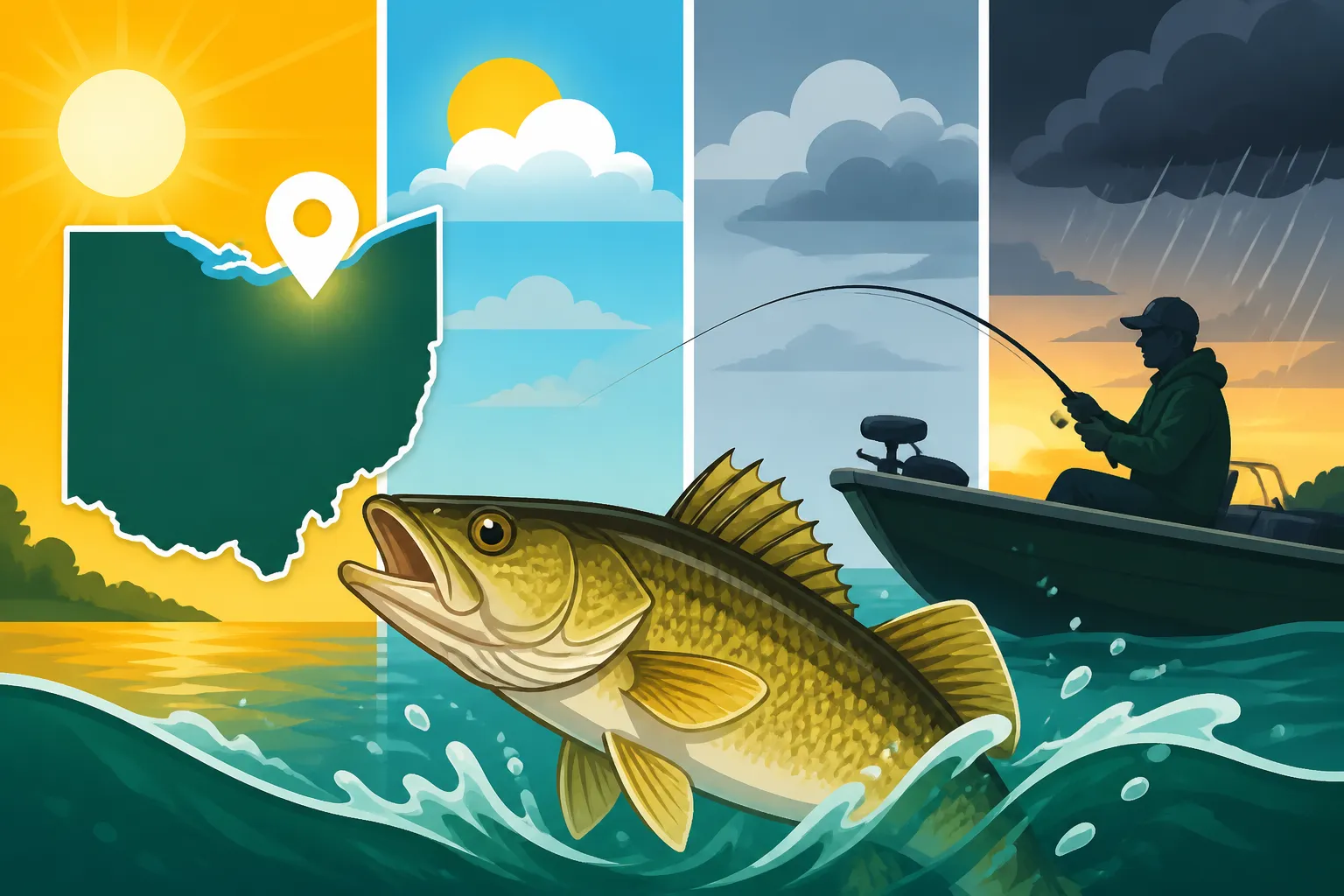
There's nothing quite as frustrating as planning a much-anticipated fishing trip to Lake Erie, only to arrive and find the weather completely uncooperative, leaving you with an empty livewell. Understanding the intricate dance between weather conditions and walleye behavior is absolutely crucial for success on Ohio's great lake. This guide will meticulously break down the best, and not-so-best, weather scenarios for targeting Lake Erie walleye, helping you decode nature's signals and drastically improve your catch rate.
Understanding Lake Erie's Mood Swings and Walleye Behavior
Lake Erie is a dynamic body of water, and its moods are heavily dictated by the weather. What might be perfect conditions one day can turn completely sour the next, and these changes directly influence how and where walleye feed. It’s not just about sunshine or rain; it’s about the subtle shifts that make all the difference.
How Wind Direction and Strength Impact Walleye Success
Wind isn't just a nuisance that makes boat control difficult; it's one of the most significant factors influencing walleye on Lake Erie. It stirs up the water, creates currents, and pushes baitfish around, which in turn dictates where walleye will congregate.
When the wind blows from the west or southwest, often referred to as a "warm wind," it typically brings warmer, more stable conditions. These winds can push warmer surface water and baitfish towards the eastern shores or into specific bays and structures, often concentrating walleye in these areas. For anglers, a steady 5-15 mph southwesterly breeze can be ideal for drifting or slow trolling, creating just enough chop to break up the surface and give walleye a sense of security. On the flip side, a strong, sustained west wind can create enormous waves, especially in the central and eastern basins, making fishing impossible.
Northwesterly or northerly winds, often following a cold front, are a different beast entirely. These winds typically bring colder air, drop water temperatures, and can churn up sediment, especially in the shallower western basin. While these conditions can sometimes trigger a bite as walleye feed ahead of the cold front, prolonged strong northerly winds can put them in a funk. The fish might move deeper or become less active. However, sometimes a moderate chop from the northwest can create a "walleye chop" – enough wave action to provide cover for walleye to ambush bait, without making fishing too rough. This is often when the best bite occurs, especially for those casting or jigging. It really boils down to how much the water is getting stirred up and if it's concentrating food for the fish. A slight to moderate chop often means the fish are active.
Easterly winds are generally considered the least favorable on Lake Erie. They tend to bring cooler, damp air and can create a nasty, short-period chop that’s uncomfortable to fish and often scatters bait. Walleye activity often slows significantly during sustained easterly winds. Many seasoned Lake Erie anglers will tell you that if an east wind picks up, it's often a good time to head for calmer waters or consider rescheduling.
Understanding Does Wind Direction Matter for Lake Erie Walleye Fishing? is more than just a matter of comfort; it's about predicting where the fish will be and how they'll behave. Light winds (under 5 mph) can lead to very clear water, making walleye skittish, especially in shallower areas. Moderate winds (5-15 mph) create that ideal "walleye chop," offering cover and oxygenation. Strong winds (15+ mph) can make fishing dangerous and often push walleye off their usual feeding grounds.
The Role of Barometric Pressure Changes
Beyond the wind, barometric pressure is a subtle, yet powerful, force that dictates walleye behavior. Anglers often talk about a "falling barometer" or a "stable barometer," and these aren't just old wives' tales; they're rooted in how fish react to changes in their environment.
A falling barometer, typically associated with an approaching storm front, often triggers a feeding frenzy. Walleye, sensing the impending weather change, become more active and aggressive, feeding heavily before conditions become less favorable. This is prime time to be on the water! You might find fish shallower than usual or more willing to strike a wide variety of lures. They're basically stocking up on calories, preparing for the discomfort of a low-pressure system or a cold front passing through.
Conversely, a stable, high-pressure system, especially after a cold front has passed, often means tough fishing. The sky is usually clear, the winds are light, and the walleye often get a severe case of "lockjaw." They'll move deeper, hugging the bottom or suspended in tight schools, becoming very finicky. This doesn't mean you can't catch them, but you'll likely need to scale down your presentation, fish slower, and be incredibly patient. Similarly, a rapidly rising barometer after a storm can also slow the bite, as fish transition to more stable conditions. They might still be there, but they’ll be less inclined to chase.
The ideal scenario is a slowly falling barometer or a stable barometer after a few days of consistent weather. These conditions allow walleye to settle into a predictable pattern, making them easier to locate and entice. Rapid changes, either up or down, generally spell tougher fishing, at least for a day or two until the fish adjust.
Temperature, Clarity, and Precipitation: Unpacking the Elements
While wind and pressure are critical, other factors like water temperature, clarity, and whether it’s raining or snowing also play a massive role in a successful Lake Erie walleye trip. Each element provides clues to the walleye's location and mood.
Ideal Water Temperatures for Active Walleye
Walleye are cold-blooded creatures, and their metabolism is directly tied to water temperature. There’s a sweet spot, or a range, where they are most active and feeding aggressively.
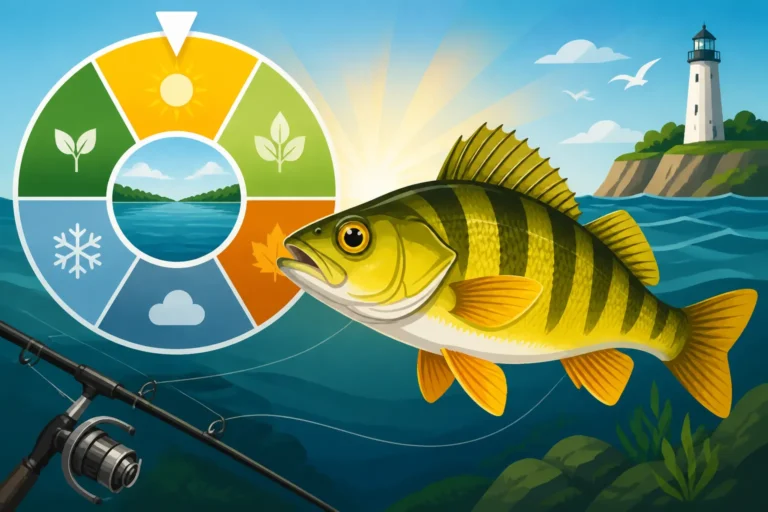
- Spring (Pre-spawn and Spawn): In early spring, as ice recedes and water temperatures climb into the 38-45°F range, walleye begin to stage for spawning. Once the water hits 42-48°F, especially in the western basin and its tributary rivers, the spawn is on. This is a critical time, and understanding Water Temperature That Triggers Walleye Spawning is essential. After spawning, as temperatures push into the 50s, walleye become incredibly aggressive, recovering from the rigors of the spawn and feeding heavily. This post-spawn period can be absolutely epic.
- Summer: During the summer months, Lake Erie's walleye thrive in water temperatures ranging from the mid-60s to low 70s°F. This is when their metabolism is high, and they are actively chasing baitfish. You'll often find them suspended over deeper water or near thermoclines, where they can find cooler, oxygen-rich water and abundant forage. However, extremely warm surface water (mid-70s and above) can push them even deeper, making them harder to locate.
- Fall: As autumn progresses and water temperatures begin to drop from the 70s back into the 50s and 40s, walleye enter another feeding frenzy. They know winter is coming and they need to pack on the calories. This can be one of the Best Time of Year to Fish Lake Erie for Walleye, with highly aggressive fish.
Understanding these temperature ranges helps you predict where walleye will be in the water column and what their activity level might be. A sudden drop in water temperature, often caused by a strong cold front or upwelling of deep, cold water, can slow the bite significantly until the fish acclimate.
Navigating Water Clarity and Its Impact
Lake Erie’s water clarity can vary dramatically, not just between the western, central, and eastern basins, but also from day to day depending on wind and weather. Walleye are visually oriented predators, but they actually prefer somewhat stained or turbid water over crystal clear conditions.
- Stained or Lightly Turbid Water: This is often ideal. The slight murkiness (1-3 feet of visibility) provides walleye with a sense of security from predators (like eagles or ospreys) and also makes their ambush tactics more effective. In these conditions, brighter lure colors like chartreuse, orange, or firetiger tend to shine, as they create a strong contrast. Darker, more muted colors can also work by silhouetting against the lighter sky above. While not specifically for walleye, the principles are similar to choosing Best Lure Colors for Muskie in Stained Water.
- Muddy Water: Heavy rains or strong winds can turn the water into a chocolate milk color (less than a foot of visibility). In these situations, walleye often struggle to see lures, and the bite can be very tough. They might move to the very edges of the muddy water line, or seek out areas with slightly better clarity. When faced with truly muddy conditions, focus on presentations that create vibration and sound, rather than relying solely on visual appeal. Think about using noisier crankbaits or blade baits, or even live bait that emits scent.
- Clear Water: While beautiful, crystal-clear water (5+ feet of visibility) can make walleye very wary. They’re more likely to be spooky and hesitant to strike, especially in bright sunlight. In clear water, natural colors (silver, perch, white, ghost patterns) and subtle presentations are often more effective. Fishing during low light conditions (dawn, dusk, or overcast days) can also help. You might also need to use lighter fluorocarbon leaders to avoid detection.
Rain, Snow, and Fog: Friend or Foe?
Precipitation and atmospheric conditions also play their part.
- Light Rain: Often a welcome friend to walleye anglers! A light, steady rain can break up the surface, reduce light penetration, and sometimes increase walleye activity. The sound of rain hitting the water can also help mask boat noise, making fish less skittish. These conditions are often associated with falling barometric pressure (prior to a heavy downpour), which, as we discussed, can trigger feeding.
- Heavy Downpours: While the initial phase of a heavy rain might be good, prolonged torrential rain can rapidly cool surface water, especially in smaller lakes, and drastically reduce visibility. It can also cause significant runoff, bringing in colder, muddier water from tributaries. This can scatter baitfish and make walleye uncomfortable, slowing the bite.
- Snow: In late fall or early winter, a light snow often comes with stable, colder conditions. If the water temperature is still within a comfortable range for walleye, a light snow can be similar to a light rain, reducing light and increasing activity. Heavy snow, especially when combined with strong winds, will obviously make fishing difficult and potentially dangerous.
- Fog: Dense fog can be both a blessing and a curse. It provides excellent low-light conditions, which walleye often prefer, and can make them more aggressive. However, fog dramatically reduces visibility, making navigation incredibly dangerous, especially on a large body of water like Lake Erie with heavy boat traffic. Safety always comes first, so if the fog is thick, it's best to stay put or head back to shore.
Seasonal Weather Patterns and Walleye Hotspots
Lake Erie's weather is constantly shifting, and successful walleye anglers know how to read these seasonal patterns and adapt their strategies. The Ohio Fishing Season Calendar gives you a broad overview, but understanding the nuances of how weather impacts specific times of year is key to consistent success.
Spring Transitions and Pre-Spawn Patterns
Spring on Lake Erie is a time of dramatic change. The ice finally recedes, and the water starts to warm, initiating the walleye migration into shallower staging areas and rivers for spawning. This is often When Ohio's Walleye Season Peaks on Lake Erie for many anglers, particularly in the western basin around Maumee Bay and the Detroit River.
Early spring, with water temperatures in the low to mid-40s, often sees walleye concentrated in deeper channels near spawning grounds. A warming trend, especially with consistent southwesterly winds, can pull these fish shallower, making them accessible to shore anglers and boaters alike. However, spring is also notorious for brutal cold fronts. A sudden drop in air temperature, combined with strong northerly winds, can send newly arrived walleye back to deeper, more stable waters, putting the bite on hold for a few days. You’ll need to target deeper structures or slow down your presentation considerably during these cold snaps. After the spawn, as water temperatures rise into the 50s, walleye are hungry and aggressive. This is a fantastic time for trolling crankbaits or casting blade baits in shallower waters.
Summer Stability and Stormy Interludes
Summer typically brings more stable weather patterns to Lake Erie, with warmer air and water temperatures. Walleye move to their deeper, open-water haunts, often suspended over vast flats or congregating around structure in the central and eastern basins. This is prime time for offshore trolling.
However, summer also brings its share of pop-up thunderstorms and intense heat. While a steady, warm summer day might offer fantastic trolling opportunities, a sudden squall with lightning and high winds demands immediate attention to safety. Post-storm, especially after a brief cool down, can often trigger a strong bite as the walleye, which might have been pushed down during the storm, become active again. The key is knowing How Deep to Troll for Walleye in Early Summer and adjusting as fish move with temperature and bait.
Extended periods of high heat and bright sunshine can push walleye deeper, making them lethargic during the day. Consider early morning, late evening, or even night fishing during these times. They’ll often move shallower under the cover of darkness to feed.
Autumnal Shifts and Feeding Frenzies
Fall on Lake Erie is a truly magical time for walleye fishing, often considered one of the Best Time of Year to Fish Lake Erie for Walleye. As air temperatures drop and the days shorten, the entire lake ecosystem shifts. Walleye sense the approaching winter and engage in intense feeding to build up fat reserves.
A gradual cooling trend, especially with stable barometric pressure, can lead to incredible fishing. Walleye will move into shallower waters more frequently, becoming more aggressive and less hesitant to chase baits. They might be found in traditional summer spots, but also in areas they avoided during the heat of summer. However, fall can also bring rapid temperature drops and violent storms, particularly in November. Strong cold fronts can shut down the bite temporarily, pushing fish into deeper pockets or slowing their metabolism. On these days, you'll want to focus on slower presentations, like jigging or blade baiting, rather than fast trolling. The fish are still there, they're just not as active. Flexibility in your technique, as discussed in How to Adjust Technique After a Cold Front, becomes paramount.
Adapting Your Approach to Unpredictable Ohio Weather
The beauty and challenge of Lake Erie fishing lie in its unpredictability. One day you're in shorts and a t-shirt, the next you're bundled up in rain gear. Being prepared and flexible is the name of the game when it comes to consistently catching walleye in Ohio.
Gear Up for All Conditions
You simply cannot overstate the importance of appropriate gear. Lake Erie weather can turn on a dime, and being comfortable and safe is paramount.
- Layered Clothing: Always dress in layers. A good base layer, a fleece mid-layer, and a waterproof, windproof outer shell are non-negotiable. Even on a sunny summer day, a sudden squall can drop temperatures and drench you. Brands like Columbia or Simms are popular choices, but you can find great options on platforms like Amazon too.
- Rain Gear: Invest in quality rain gear. There's nothing worse than being soaked to the bone hours from shore. Make sure your raingear is truly waterproof, not just water-resistant.
- Safety Equipment: Beyond clothing, always have appropriate safety gear. Life jackets (wear them!), a marine radio, GPS, flares, and a first-aid kit are essential. A weather-resistant storage bag, easily found on Amazon, is great for keeping your essentials dry.
- Versatile Tackle: Don't show up with just one type of lure. Have a variety of crankbaits, spoons, spinner rigs, and jigging spoons in different colors and sizes. Walleye can be incredibly picky, and what worked yesterday might not work today due to changing conditions. For example, if the water gets muddy after a storm, you might need to switch from natural-colored crankbaits to brighter, noisier options. You'll find a wide selection of versatile tackle options available on Amazon.
Reading the Forecast Like a Pro
The marine forecast is your best friend when planning a Lake Erie walleye trip. Don't just check the general weather app; look specifically for marine forecasts that detail wind speed and direction, wave height, and potential storms.
- Multiple Sources: Check several reputable sources, like NOAA marine forecasts, local news channels, and even fishing-specific apps. Compare them.
- Short-Term vs. Long-Term: Pay closest attention to the short-term forecast (24-48 hours) for immediate safety and planning. The long-term forecast can give you a general idea but is less reliable for hourly decision-making.
- Radar: Use live radar to track incoming rain or thunderstorms. This is especially important in summer when pop-up storms are common. Knowing a storm is 30 minutes out gives you time to react and get to safety.
- Local Knowledge: Talk to bait shop owners, charter captains, and other local anglers. They often have the most up-to-date, hyper-local information on current conditions and how the fish are biting. Many of these resources can be found with a quick search on Amazon or local fishing forums.
Flexibility is Key: Changing Tactics on the Water
Even with the best preparation, Lake Erie will inevitably throw you a curveball. The truly successful anglers are those who can adapt quickly.
- Adjust Trolling Speed: If the bite slows down, consider changing your Best Trolling Speed for Lake Erie Walleye. Sometimes a slight increase or decrease is all it takes to trigger a strike.
- Change Lure Colors/Patterns: If the sky clouds over, switch to brighter, more visible colors. If the sun comes out, try more natural hues. Don't be afraid to experiment with different patterns.
- Vary Depth: Walleye will move up and down in the water column based on light penetration, baitfish movement, and temperature. Use your fish finder to locate schools of bait and actively feeding walleye. If you're not seeing fish at your current depth, change it. Learning How to Read a Fish Finder for Suspended Walleye is a game-changer for this.
- Move Locations: If a spot isn't producing, don't be afraid to pull up and move. Walleye are often highly mobile, and a change in wind or current can shift them to an entirely new area. Check out different structures or depths. A good Ohio Walleye Fishing Guide will often emphasize this adaptability.
By understanding how weather influences walleye behavior and being prepared to adjust your tactics, you'll significantly increase your chances of a memorable and productive day on Lake Erie, regardless of what Mother Nature throws your way.
| Weather Condition | Walleye Behavior | Recommended Angling Strategy |
|---|---|---|
| Stable Barometer | Consistent feeding patterns, predictable. | Fish usual haunts, experiment with presentation, maintain consistent speed. |
| Falling Barometer | Increased activity, pre-front feeding frenzy. | Aggressive presentations, target shallower areas, faster retrieves/troll speeds. |
| Rising Barometer | Can slow bite, post-front adjustment. | Slower presentations, target deeper fish, subtle lure movements. |
| Light Chop (5-15 mph) | Active, good cover, less spooky. | Excellent for casting, jigging, or trolling. Walleye chop is often ideal. |
| Strong Wind (15+ mph) | Difficult boat control, fish move deeper/shelter. | Seek sheltered areas, use heavy jigs/weights, focus on bottom-hugging presentations, safety first. |
| Clear Water | Wary, easily spooked. | Natural lure colors, light leaders, low-light fishing (dawn/dusk), subtle presentations. |
| Stained Water | Active, good ambush conditions. | Brighter lure colors (chartreuse, orange), lures with vibration/sound. |
| Muddy Water | Disoriented, difficult to locate. | Heavy vibration lures, strong scents, slow retrieves, target clear water edges. |
| Light Rain/Overcast | Increased activity, reduced light penetration. | Excellent conditions, fish aggressively, use a variety of lures. |
| Heavy Rain/Storms | Initial activity, then slowdown; safety risk. | Fish pre-front aggressively, then seek shelter. Post-storm can be good after stabilization. |
| Cold Front | Bite slows, fish move deeper, become lethargic. | Slower retrieves, deeper presentations, smaller baits, patience is key. |
| Warm Front | Increased activity, fish move shallower. | Aggressive presentations, target shallower feeding grounds. |
Disclaimer
The information provided in this guide is for educational and informational purposes only. Fishing conditions and regulations can change rapidly. Always consult the latest Ohio Department of Natural Resources (ODNR) fishing regulations and marine weather forecasts before heading out on Lake Erie. Your safety and adherence to all laws are your responsibility.