Reading Weather Patterns for Ohio Fishing
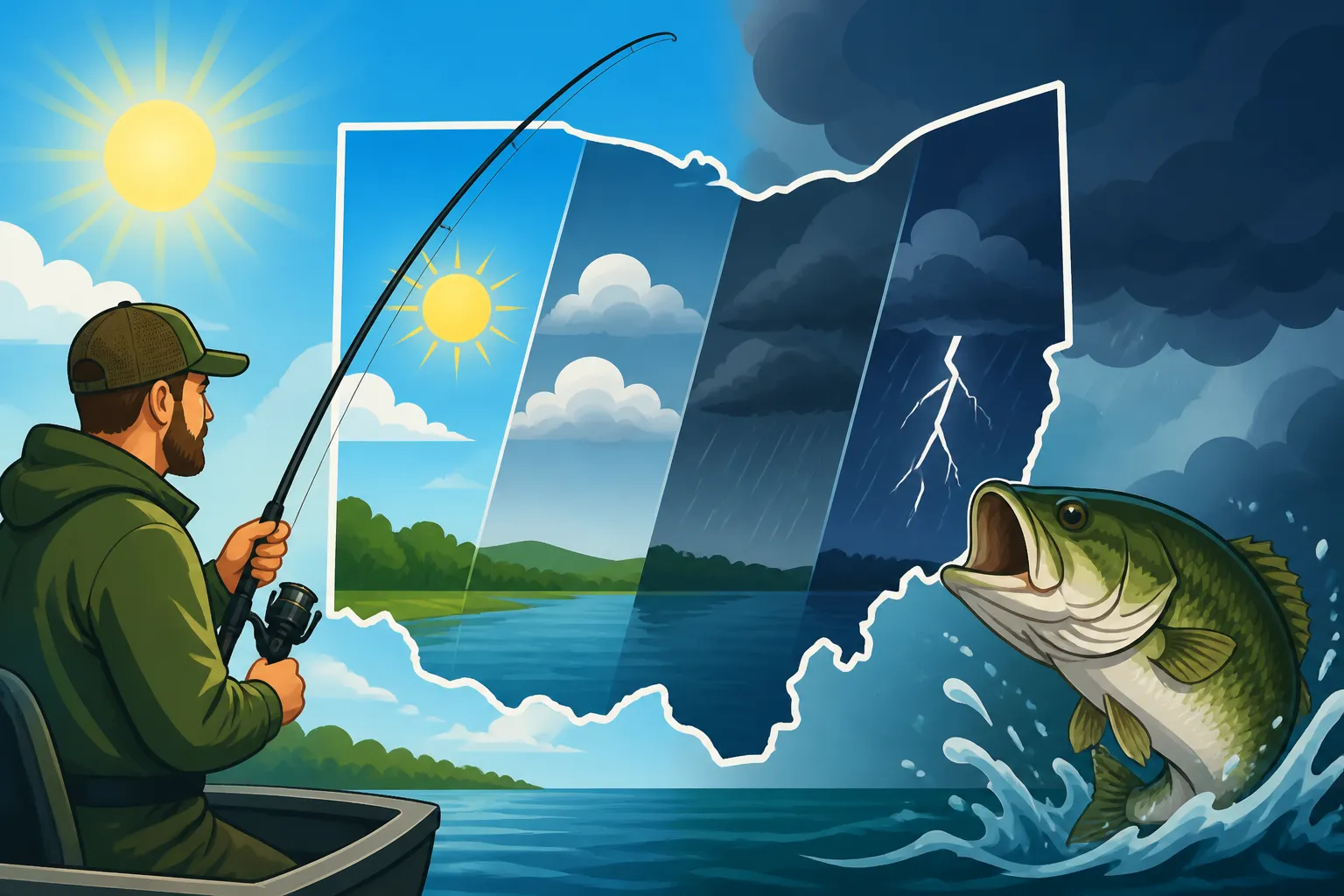
Have you ever spent hours prepping your gear, checked the calendar for your next day off, and dreamed of that perfect catch, only for the weather to completely throw a wrench in your plans? It's a common frustration for Ohio anglers, as unpredictable atmospheric shifts can turn a promising day into a bust. Understanding how weather patterns influence fish behavior is crucial, transforming you from a hopeful caster into a strategic angler who can adapt to whatever Mother Nature throws your way. This guide will help you decipher those subtle (and not-so-subtle) cues the sky provides.
Why Weather Matters More Than You Think for Ohio Fishing
It's easy to dismiss weather as just "good" or "bad" for fishing, but the reality is far more nuanced. Fish are cold-blooded creatures, deeply intertwined with their environment. Every shift in air temperature, barometric pressure, or precipitation has a ripple effect on their comfort, metabolism, and even their willingness to strike. Ignoring these factors is like trying to solve a puzzle with half the pieces missing.
Fish Physiology and Comfort Zones
Imagine trying to maintain your body temperature when the air around you swings wildly. That’s essentially what fish deal with. Unlike us, they can't simply put on a jacket or turn up the heat. Their internal body temperature closely mirrors the water temperature. This means that significant changes in water temperature can slow down their metabolism, making them less active and less inclined to feed. Conversely, stable or gradually warming conditions often put them in a metabolic sweet spot, fueling their hunger. Rapid drops in temperature, especially cold fronts, can send fish scurrying to deeper, more stable thermal refuges, putting them off the bite entirely for a while.
Forage and Predation Dynamics
Weather doesn't just affect the fish you're trying to catch; it impacts their entire food web. Wind, for example, can push baitfish closer to shorelines or concentrate them in specific coves, creating feeding opportunities for predators. Heavy rain can wash terrestrial insects and worms into rivers and lakes, providing an unexpected buffet. Conversely, bright, calm conditions might make baitfish more skittish and harder for predators to ambush, leading to a slower bite. Understanding these dynamics helps you anticipate where and how fish might be feeding, allowing you to choose the right location and presentation. It’s a vital part of what makes for a successful day on the water, whether you're targeting big walleye on Lake Erie or chasing bass in an inland lake.
Water Clarity and Light Penetration
The amount of light reaching the water column and the clarity of the water itself are profoundly influenced by weather. Bright, sunny days with clear water often push light-sensitive species, like walleye, to deeper, darker haunts or force them to feed during low-light periods. Overcast days, however, can make these fish more active in shallower water throughout the day. Heavy rains can muddy up the water, reducing visibility for both predator and prey. This might sound bad, but it can actually make fish less cautious and more willing to hit noisier, more vibrant lures. Conversely, extremely clear water demands more subtle presentations and longer casts to avoid spooking fish. Keep an eye on reports about different bodies of water, like our guide to Lake Erie Walleye Fishing Regulations in Ohio, as clarity can vary drastically.
Decoding Key Weather Elements for Better Fishing
Becoming a weather-savvy angler means looking beyond just "sunny" or "cloudy" on your forecast app. It’s about understanding the specific impacts of several critical weather elements and how they interact to shape fish behavior.
Barometric Pressure
This is perhaps one of the most talked-about and least understood weather factors among anglers. Barometric pressure refers to the weight of the air above us. Fish, especially those with swim bladders, are incredibly sensitive to these changes. Their swim bladders expand and contract with atmospheric pressure, affecting their buoyancy and comfort.
- Stable Pressure: Often leads to consistent, good fishing. Fish are comfortable, their bladders are stable, and they tend to feed normally.
- Slowly Falling Pressure (Pre-Front): This is often a prime time! Ahead of a storm or cold front, pressure drops gradually, signaling a change. Fish can sense this and often go on a feeding binge, anticipating less favorable conditions. This is when you want to be on the water.
- Rapidly Falling Pressure (During a Front): The immediate onset of a strong front or storm, with a quick pressure drop, can sometimes trigger an immediate bite for a short window, but often makes fish uncomfortable and inactive.
- Rapidly Rising Pressure (Post-Front): This is typically the toughest fishing. A sharp rise in pressure after a cold front can make fish lethargic and reluctant to bite. They often seek deeper water and cover, feeling the "squeeze" on their swim bladders. If you've ever had a great day turn sour overnight, a rising post-front pressure system was likely the culprit. For more on this, you might find our article on Does Barometric Pressure Affect Ohio Fishing? particularly insightful.
Air and Water Temperature
While fish are cold-blooded, they do have preferred temperature ranges. Water temperature dictates their metabolism, activity levels, and where they'll seek comfort.
- Warm-Up Periods: Gradual warming trends in spring or after a cold spell can activate fish, bringing them out of their sluggish state. Look for fish to move shallower to feed.
- Stable, Favorable Temperatures: When water temperatures are in the optimal range for a species (e.g., 60-70°F for bass, 55-65°F for walleye), fishing is usually excellent.
- Sudden Cold Snaps: As mentioned, abrupt drops in air temperature, especially after a warm spell, cool the surface water and can send fish into shock, pushing them to deeper, more stable water or dense cover where they become lethargic.
- Extreme Heat: In summer, very high air temperatures can push surface water temperatures beyond a fish's comfort zone, especially in shallower lakes and ponds. Fish will seek cooler, deeper water, often becoming active only during dawn, dusk, or nighttime hours. This is where understanding Best Time of Day to Fish in Ohio becomes critical.
Wind Speed and Direction
Wind is more than just a nuisance; it's a powerful force that can profoundly affect fishing.
- Light Breeze (Walleye Chop): A gentle, consistent chop on the water's surface breaks up light penetration, makes fish feel more secure, and helps stir up baitfish. This is often ideal for walleye and other predatory species.
- Moderate Wind: Can create current, oxygenate water, and concentrate baitfish. If it's blowing into a bay or across a point, it can be a fantastic "feeding current."
- Strong Wind: Can make boat control difficult, stir up excessive sediment, and create dangerous waves. It often pushes fish to the calmer, leeward side of structures or into deeper, protected areas. High winds can also reduce water clarity, affecting visibility.
- Direction Changes: A sudden shift in wind direction, especially after a prolonged period, can sometimes disrupt fish patterns, particularly if it brings in colder or warmer air, altering surface temperatures.
Precipitation
Rain, snow, and even hail each have their unique effects.
- Light Rain/Drizzle: Often excellent for fishing. It adds oxygen to the water, washes terrestrial food in, and breaks up the surface, making fish less wary. Overcast skies associated with light rain also reduce direct sunlight.
- Heavy Rain/Thunderstorms: Can be a mixed bag. Ahead of a heavy storm, the falling barometric pressure can trigger a strong bite. However, during the storm, safety is paramount, and the subsequent runoff can muddy waters, decrease visibility, and drastically change water levels, which may put fish off for a day or two. If you find yourself facing muddy water, our guide on How to Fish Muddy Water After a Storm offers some excellent strategies.
- Snow: In winter, a steady snowfall can provide insulation, actually stabilizing ice conditions and light penetration. It often correlates with stable barometric pressure, which can lead to good ice fishing.
Cloud Cover and Light Levels
The amount of light hitting the water dictates where fish feel comfortable and how they hunt.
- Bright Sun, Clear Skies: Generally toughest fishing for many species, especially in shallow, clear water. Fish will often move deeper, seek shade, or become active during low-light periods. You'll need to use more subtle presentations and natural bait colors.
- Overcast Skies: Often considered ideal. The diffused light makes fish feel more secure, allowing them to move shallower and feed throughout the day. It also improves visibility for anglers looking for subtle bites.
- Cloudy with Scattered Showers: This combination often provides prime fishing conditions, combining the benefits of overcast skies with the oxygenation and food delivery from light rain.
| Weather Element | Preferred Condition for Fishing (Generally) | Challenging Condition for Fishing (Generally) | Typical Fish Reaction |
|---|---|---|---|
| Barometric Pressure | Slowly falling, stable | Rapidly falling/rising | Pre-front feeding spree; post-front lethargy |
| Air/Water Temp | Stable, gradually warming | Rapid drops/rises, extreme heat | Metabolic boost/comfort; thermal shock/seeking depth |
| Wind | Light breeze (chop), moderate consistent | Strong, erratic shifts | Oxygenation, bait concentration; difficult feeding |
| Precipitation | Light rain, drizzle, light snow | Heavy downpours, post-storm runoff | Increased oxygen, food; muddy water, disrupted patterns |
| Cloud Cover | Overcast, partly cloudy | Bright sun, clear skies | Feel secure, feed shallow; seek depth/shade |
Seasonal Weather Impacts on Ohio Fishing
Ohio's diverse climate means that weather patterns interact differently with each season, presenting unique opportunities and challenges for anglers. Understanding these seasonal shifts is key to consistent success.
Spring Thaw and Rain Events
Spring in Ohio is a time of awakening, both for nature and for fish. The slow thaw of winter ice and the frequent spring rains bring vital changes. As ice recedes, cold-blooded fish begin to warm up, their metabolism kicking into gear. Early spring rains, especially gentle ones, can be a blessing. They add fresh, oxygenated water to lakes and rivers, wash in nutrients, and often trigger a pre-spawn feeding frenzy for species like crappie, walleye, and bass. Fish move into shallow spawning areas, becoming more accessible.
However, heavy downpours can quickly turn rivers and streams into raging, muddy torrents. This sudden influx of turbid water can make fishing difficult, as visibility plummets and strong currents displace fish. On larger bodies of water, like Lake Erie, spring winds can whip up massive waves, making boating impossible and stirring up bottom sediments. Despite these challenges, persistent anglers who learn to read the specific conditions, looking for warmer, calmer pockets or areas where clearer water enters, can find exceptional fishing. Consider our guide to Ohio Fishing Season Dates and Effective Periods to align your trips with peak spring action.
Summer Heat and Thunderstorms
Summer brings longer, warmer days, but also its own set of weather-related fishing puzzles. High air temperatures often lead to warmer surface water, which can push many popular species into deeper, cooler thermoclines or force them to become nocturnal feeders. The bright, sunny days that are so pleasant for humans can make fish wary and less active during midday.
Summer is also prime time for pop-up thunderstorms. These can be exhilarating and dangerous. The falling barometric pressure before a storm often triggers an intense feeding window, making it a high-risk, high-reward period. However, anglers must prioritize safety, getting off the water at the first sign of lightning. The aftermath of a severe storm can bring cooler temperatures and refreshed water, which might kickstart a bite, or conversely, create muddy conditions and scattered fish. Fishing early mornings or late evenings, or even venturing out for Night Fishing Techniques in Ohio, becomes much more productive when battling the summer heat.
Autumn Fronts and Falling Leaves
Fall is often considered a favorite season for many Ohio anglers, and for good reason. The cooling temperatures and shorter days trigger a crucial feeding period for many species as they prepare for winter. Fish sense the approaching cold and actively seek out forage. This is when aggressive cold fronts can play a significant role. A sharp cold front might temporarily shut down the bite immediately after it passes, but a few days later, as conditions stabilize, the fishing can be phenomenal. The fish are still hungry, and they’ve adjusted to the new pressure.
Wind becomes a major factor, too, often increasing in intensity. Persistent winds can stack baitfish against shorelines or points, creating prime ambush points for predators. Lake turnover, a natural process where cooler surface water sinks and warmer deep water rises, can sometimes temporarily disrupt fishing in smaller lakes. However, once turnover settles, the cooler, oxygen-rich water throughout the lake often leads to active fish spread across various depths. This is a fantastic time to target species like walleye, bass, and especially the migrating steelhead in Ohio's Lake Erie tributaries. For tips on catching these incredible fish, check out our Ohio Steelhead Fishing Techniques article.
Winter Ice and Snow
For dedicated anglers, winter means ice fishing. The primary weather consideration shifts to ice safety and stability. Consistent cold temperatures are paramount for forming thick, safe ice. Snowfall, while beautiful, can be a double-edged sword: a light dusting can provide traction, but heavy snow can insulate the ice, slowing its growth, or even create slush pockets beneath. Very clear, shallow ice can make fish wary of activity above.
Barometric pressure remains important for ice fishing. Stable high pressure often leads to good bites, while extreme low-pressure systems (blizzards) or rapid changes can slow things down. Wind chill becomes a safety factor, but a gentle breeze can actually help keep holes from freezing over too quickly. Even though it's cold, fish like crappie, bluegill, and even walleye remain active under the ice. Our comprehensive Ohio Ice Fishing Guide provides all the details you need to stay safe and catch fish during the colder months.
Tools and Resources for Ohio Anglers
Being able to read the sky and feel the wind is invaluable, but in the modern age, we have an array of powerful tools at our fingertips to forecast and understand weather patterns with incredible accuracy. Don't leave home without consulting these resources.
Reliable Weather Apps and Websites
Gone are the days of just watching the evening news weather report. Today, smartphone apps and dedicated websites offer hyper-local, hour-by-hour forecasts, radar, and even specialized fishing forecasts that take into account factors like barometric pressure.
- Dedicated Weather Apps: Apps like AccuWeather, The Weather Channel, and Dark Sky (though Dark Sky is now part of Apple Weather) are excellent for general forecasts. Many offer radar, wind speed, precipitation probability, and temperature graphs. Some even have advanced features like minute-by-minute rain forecasts.
- Specialized Fishing Apps: Many apps cater specifically to anglers, integrating weather data with lunar phases, solunar tables, and even species-specific activity predictions. While not foolproof, they can provide a useful additional layer of information. Many popular fishing-specific apps can be found and downloaded from platforms like Amazon.
- Government Weather Sites: The National Weather Service (NWS) website is the gold standard for accurate, scientific forecasts. It provides detailed discussions, marine forecasts (crucial for Lake Erie fishing), and real-time warnings. It's not the prettiest site, but it's often the most reliable for raw data.
- Buoy Data: For Lake Erie anglers, NOAA's Great Lakes Environmental Research Laboratory (GLERL) buoys provide real-time water temperature, wave height, and wind speed data directly from the lake. This is invaluable for planning offshore trips.
Understanding Forecast Models
It’s not enough to just look at the forecast; understanding what goes into it can help you interpret its reliability.
- Short-term vs. Long-term: Short-term forecasts (0-48 hours) are generally very accurate. Medium-range (3-7 days) are good for general trends but can change significantly. Long-range (7+ days) are best used for planning general ideas, not for setting specific fishing dates. Don't rely on a 10-day forecast to be perfectly accurate for your trip next week; things will change.
- Model Differences: Different weather agencies use different computer models. Sometimes, one model might predict rain and another sun. Pay attention to forecasts that show high confidence (e.g., all models agree) versus those with lower confidence.
- Marine Forecasts: If you're fishing a large body of water like Lake Erie, always consult the marine forecast. It will provide wave height, wind speed, and direction specific to open water conditions, which can be vastly different from land forecasts. Checking marine forecasts is absolutely essential for safe and productive Lake Erie Walleye Charter Guide trips.
On-the-Water Observations
No app or website can replace direct observation. Learning to read the immediate environment is a skill developed over time, but it's incredibly powerful.
- Watch the Sky: Notice cloud formations (cumulus clouds often mean rising thermal activity, cirrus often indicate an approaching front).
- Feel the Wind: Is it steady, gusty, shifting? Is it warm or cold?
- Observe the Water: Look for changes in clarity, current, or surface disturbance. Is there a visible "current seam" where two different water flows meet? Are there subtle boils or rips indicating underwater structure or current?
- Pay Attention to Wildlife: Birds diving can indicate baitfish schools. Insects hatching can signal a shift in conditions and potential food sources. Even deer feeding heavily might indicate a stable pre-front condition, affecting fish similarly.
Adapting Your Strategy to Changing Fishing Conditions
Knowing the weather is one thing; knowing how to react to it is another. The best anglers aren't just good at casting; they're masters of adaptation. They understand that every weather shift demands a corresponding change in their approach.
Lure and Bait Selection
Weather directly influences what bait or lure fish will respond to.
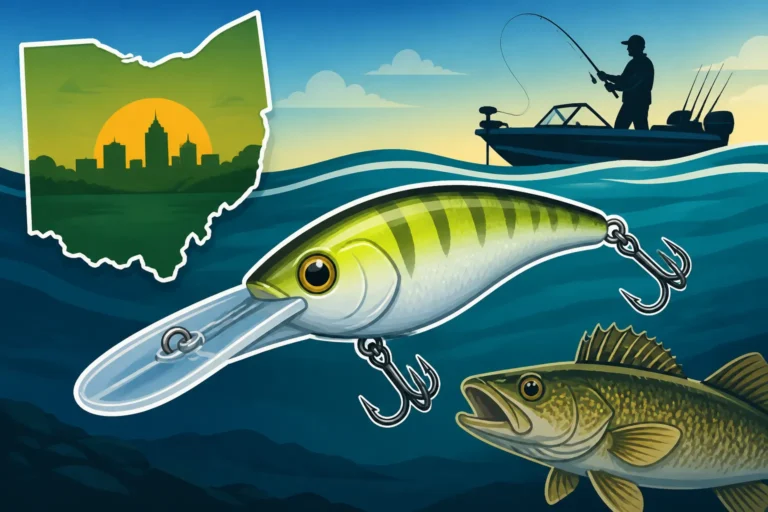
- Clear, Sunny Days: Opt for more natural colors (greens, browns, clear with flecks) and smaller, more subtle presentations. Fish have better visibility and are often warier. Finesse techniques become more effective. You might find a good selection of these on Amazon.
- Overcast, Cloudy Days: This is when bolder colors (chartreuse, orange, bright whites) and larger, more aggressive lures can shine. Fish feel more secure and are often actively hunting.
- Muddy Water (Post-Rain): Noise and vibration are key. Use lures with rattles, thumping actions, or spinnerbaits that displace a lot of water. Bright colors are also effective as they offer better contrast. Darker baits (black and blue) can also create a strong silhouette in murky water. Our guide on Best Lures for Ohio Fishing delves into more specific choices.
- Cold Fronts (Post-Front): Fish are often sluggish. Slow down your retrieve. Live bait, like minnows or worms, fished slowly on the bottom, can be incredibly effective when artificial lures fail.
Depth and Location Adjustments
Where fish are located in the water column is often a direct response to weather.
- Rising Barometer/Stable Conditions: Fish might be spread out across various depths, comfortable feeding. Look for them on points, humps, and structural breaks.
- Falling Barometer (Pre-Front): Fish will often move shallower, becoming more aggressive before a storm. Target edges, weed lines, and shallow cover.
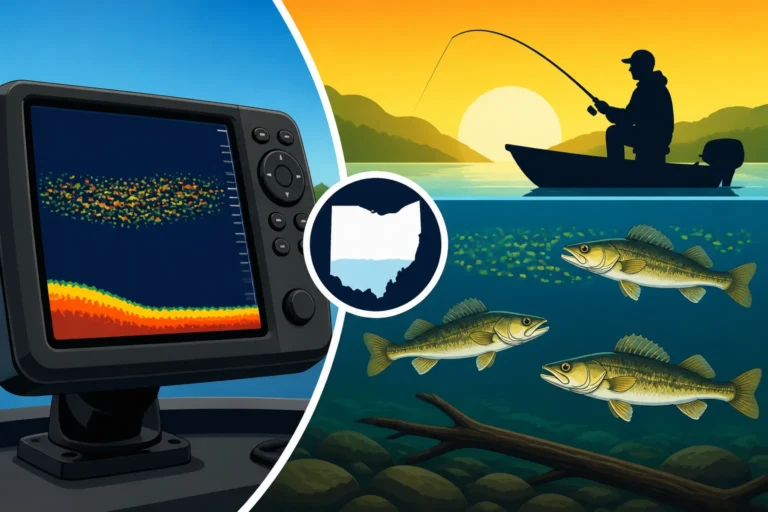
- Rising Barometer (Post-Front): Expect fish to move deeper, seeking refuge and more stable conditions. They might hug the bottom, hide in dense cover, or suspend over deep water. Electronic fish finders become invaluable here to locate these deeper fish.
- Windy Conditions: Fish the "wind-blown side" of structure. The wind pushes baitfish and creates current, concentrating predators. However, if the wind is too strong, fish may retreat to the calmer, "leeward" side.
- Hot Summer Days: Look for deeper water, spring-fed areas, or dense overhead cover (docks, lily pads) where temperatures are cooler. Early mornings and late evenings will see fish move shallower.
Retrieve Speed and Presentation
How you work your bait is just as important as what bait you choose.
- Aggressive Bites (Pre-Front, Overcast, Mild Wind): You can often use faster retrieves, twitching, and jerking actions to provoke reaction strikes. Fish are actively chasing.
- Lethargic Bites (Post-Front, Clear & Sunny, Extreme Temps): Slow down, way down. Dead-sticking, slow crawling jigs, or barely moving a Carolina rig can be what it takes. Often, fish are just looking for an easy meal and won't expend much energy.
- Current (Rivers/Wind): Present your bait naturally with the current. This means casting upstream or upwind and letting your lure drift down, just as a real baitfish would. Maintaining a tight line to feel subtle bites in current is key, and if you’re fishing an area like the Ohio River, understanding Special Fishing Regulations on the Ohio River is important for effective and legal presentations.
- Suspended Fish: If your fish finder shows fish suspended in open water, adjust your presentation to their depth. This might mean using a controlled fall with a jig or a crankbait that reaches a specific depth.
By paying close attention to the weather and consciously adapting your strategies, you'll find that many "bad fishing days" can actually be salvaged, or even turned into surprisingly productive outings. It's all about being a student of the water and the sky.
Disclaimer
The information provided in this guide is for general informational purposes only and is not intended as professional advice. Fishing conditions, regulations, and safety requirements can change. Always consult the latest Ohio Department of Natural Resources (ODNR) regulations and local weather forecasts before heading out, and prioritize your safety on the water.