Best Time of Year to Book an Ohio Lake Erie Charter
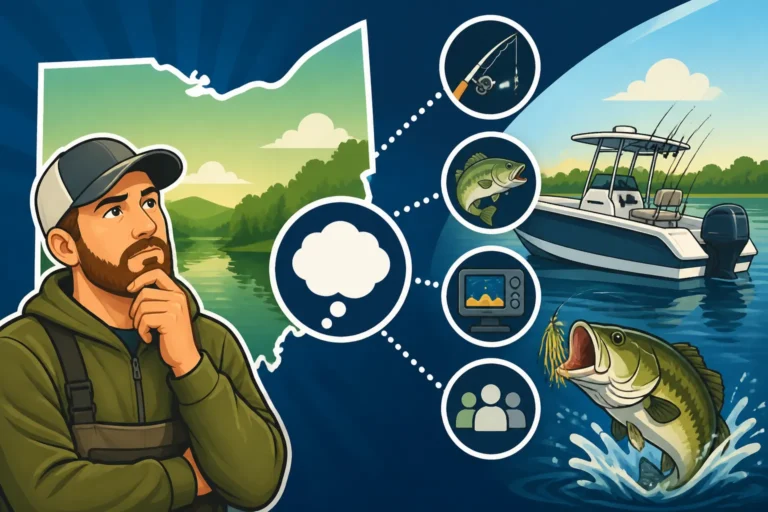
Deciding on the absolute "best" time to book an Ohio Lake Erie charter can feel like trying to hit a moving target. Many anglers get frustrated, thinking they've missed the boat (pun intended!) because they didn't anticipate the seasonal shifts, the demand for charters, or even the unpredictable Lake Erie weather. This comprehensive guide will walk you through the nuances of Lake Erie's fishing seasons, break down peak times for different species, and equip you with the knowledge to book your ideal charter trip with confidence.
Understanding the Lake Erie Fishing Seasons
Lake Erie, often hailed as the "Walleye Capital of the World," isn't just a single fishery; it transforms throughout the year, offering different opportunities depending on the season. Understanding these shifts is key to knowing when to book your charter for the specific experience you're dreaming of. It's not just about when the fish are biting, but when they're biting best for your target species and preferred fishing style.
Early Spring: Awakening of the Lake
As the ice retreats and the waters begin to warm, typically in April and early May, Lake Erie truly awakens. This is a fascinating, albeit sometimes challenging, time to fish. The biggest draw in early spring is often the phenomenal walleye spawn. While the major spawning areas might be in the western basin and tributaries, the fish are actively moving and feeding as they prepare or recover. The water is often cold, meaning fish can be lethargic, but also concentrated in certain areas. This period can offer some of the largest walleye of the year as they are gravid with eggs.
However, early spring also brings fickle weather. Days can swing from calm and sunny to windy and cold in a heartbeat, leading to potential charter cancellations or choppy rides. The fish might be there, but getting to them and getting them to bite consistently can be a puzzle. Anglers looking for a challenge and the chance at a true trophy walleye, often using vertical jigging or slow trolling techniques, might find this period rewarding despite the unpredictable conditions. It's also generally less crowded than the summer months, which can be a huge bonus for those seeking a more solitary experience.
Late Spring/Early Summer: The Walleye Migration Begins
By late May and into June, the lake has settled into a more predictable pattern, and this is when the legendary Lake Erie walleye migration really kicks into high gear. Post-spawn walleye begin to spread out from the western basin, moving eastward in pursuit of baitfish. This is a prime time for consistent walleye action, as the fish are hungry and actively feeding. Charter captains often follow these movements, leading to excellent catches across the western and central basins.
This period typically sees more stable weather patterns than early spring, though strong winds can still kick up. The fishing methods shift, with trolling becoming the dominant technique. Anglers can expect to see planer boards and downriggers deployed, covering vast expanses of water. For many, this is the sweet spot for a Lake Erie walleye charter. The weather is usually pleasant, the walleye are abundant, and the overall experience is often fantastic for both seasoned anglers and families. You'll find many charters fully booked during these weeks, so planning ahead is crucial. Best Time of Year to Fish Lake Erie for Walleye delves deeper into this golden period.
Mid-Summer: Peak Action and Diverse Opportunities
July and August are the heart of summer, and on Lake Erie, this means peak activity both on and off the water. The weather is typically warm and stable, making for comfortable boat rides and extended fishing trips. Walleye fishing remains strong, especially in the central basin, as the fish continue their eastward progression and feed heavily on abundant forage like emerald shiners. While individual fish might be slightly smaller on average than those caught in the spring, the sheer numbers can be astounding, leading to high-volume catches.
Beyond walleye, mid-summer opens up fantastic opportunities for other species. Yellow perch fishing hits its stride, particularly in the deeper waters of the central basin. Smallmouth bass become incredibly active around the rocky structures of the islands and mainland points. This diversity makes mid-summer an excellent choice for groups with varied interests or families looking for an all-around enjoyable day on the water. Many charters during this time are family-friendly, catering to different skill levels. However, it's also the busiest time, so expect crowded ramps and marinas, and absolutely plan to book well in advance.
Fall: Trophy Hunting and Cooler Waters
As September rolls around and the air starts to get a crisp edge, Lake Erie transitions into its fall fishing phase. This is often heralded as the time for trophy walleye. The fish, sensing the approaching winter, feed aggressively to pack on weight, making them prime targets for anglers seeking a personal best. The crowds thin out considerably after Labor Day, offering a more peaceful experience on the water. Walleye often move shallower again, especially in the western basin, and can be caught using a variety of techniques, including casting crankbaits or vertical jigging.
Fall also brings exceptional smallmouth bass fishing, as these powerful fighters become even more aggressive. The yellow perch bite can remain strong, though they may move into deeper schools. However, like spring, fall weather can be unpredictable. Cold fronts and strong winds can quickly make the lake unmanageable, leading to potential cancellations. For the dedicated angler willing to brave cooler temperatures and potentially rougher seas, fall offers the best chance at a truly monstrous walleye. It's a fantastic time for a serious fishing adventure, but it requires flexibility and a watchful eye on the weather forecast.
Peak Seasons for Different Species and Experiences
While Lake Erie is famous for its walleye, it's a diverse fishery offering fantastic opportunities for various species throughout the year. Knowing when to target specific fish is crucial for maximizing your charter experience. It's about aligning your angling goals with the lake's natural rhythms.
Walleye Wonders: Timing Your Trip for the "Walleye Capital"
If your primary goal is to load up on Lake Erie walleye, you've hit the jackpot. The lake is legendary for these delicious gamefish, and there are several distinct peak periods, each offering a slightly different experience.
- Late Spring (May-June): This is arguably the most popular and productive time for sheer numbers of walleye. After spawning, the walleye are hungry and spread across the western and central basins, following baitfish migrations. Charters routinely experience "limit" catches during these months. The fish are often aggressive, responding well to trolled crankbaits and crawler harnesses. If you're looking for a consistent bite and the chance to fill your cooler, this is a prime window. It's when the lake truly earns its "Walleye Capital" moniker.
- Mid-Summer (July-August): While the fish might be a bit smaller on average than the spring giants, mid-summer still offers incredible walleye action, especially further east in the central basin. The warm water and abundant bait create a feeding frenzy, and many charters continue to bring in impressive hauls. This is a great time for families or those who prefer warmer weather and calmer waters, even if it means slightly longer runs to the fishing grounds.
- Fall (September-October): For those chasing a true trophy walleye, fall is the season. The fish are putting on weight for winter, and while the numbers might not be as high as in late spring, the size of individual walleye can be truly exceptional. This is often the time when personal bests are broken. Techniques might shift to more vertical presentations, jigging, or targeting specific structure where the big fish are staging.
Booking your charter for walleye means considering what kind of walleye trip you want: high numbers, comfortable conditions, or a shot at a giant. When Ohio's Walleye Season Peaks on Lake Erie provides even more specific timing insights.
Perch Paradise: When to Target These Delicious Panfish
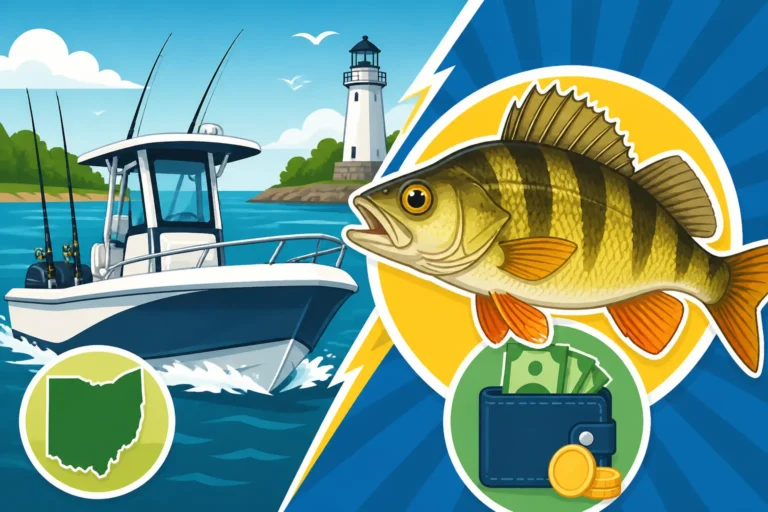
Lake Erie's yellow perch fishery is another phenomenal draw, offering a different kind of angling thrill and some of the best-eating fish around. While walleye charters are king, many operators also specialize in perch.
- Late Spring to Early Summer (May-June): As the waters warm, perch begin to school up and become active. They are often found in slightly shallower areas, making them accessible to a variety of boats. The bite can be fantastic, though sometimes sporadic as they transition from their spawning period.
- Mid-Summer (July-August): This is a prime time for yellow perch. They congregate in large schools, often in deeper waters of the central basin. Once a school is located, the action can be non-stop, making for incredibly fun and productive fishing. This is where you'll hear about "jumbo perch" hauls. Charter captains use specialized rigs, often with multiple hooks, and bait them with emerald shiners or pieces of nightcrawler. It's a great option for families or those who enjoy a fast-paced, high-volume bite.
- Fall (September-October): The perch bite often remains strong into the fall, sometimes even improving as the fish feed aggressively. They may move into shallower depths again, particularly in the western basin. The cooler weather and fewer crowds make for a very pleasant experience, and the perch caught in the fall are often plump and healthy. For detailed limits, check out Lake Erie Yellow Perch Daily Limit in the West Zone.
If yellow perch are your target, mid-summer through early fall generally offers the most consistent and abundant opportunities. These trips tend to be less gear-intensive than walleye trolling, often involving anchoring and jigging, which can be a relaxing and rewarding experience.
Smallmouth Bass and Other Fighters: Beyond Walleye and Perch
While walleye and perch dominate the headlines, Lake Erie offers excellent fishing for other species, especially if you know when and where to look.
- Smallmouth Bass (Summer and Fall): Lake Erie is home to an incredible smallmouth bass fishery, particularly around the islands like Kelleys Island and South Bass Island, as well as rocky mainland shorelines. The best time to target these hard-fighting bronze backs is typically from late spring through fall, with summer and early fall being exceptionally productive. They love structure, and charter captains who specialize in bass will often focus on drop-offs, reefs, and rocky shoals. Techniques include casting tubes, drop-shots, and crankbaits. A smallmouth trip offers a thrilling fight and a chance to experience a different side of Lake Erie angling.
- White Bass and Hybrid Stripers (Spring and Summer): In the spring, especially around the major river mouths that feed into Lake Erie, you can find phenomenal runs of white bass. These schooling fish are aggressive and provide fast action. As summer progresses, they move out into the lake, and you might also encounter hybrid striped bass, another powerful fighter, particularly in the western basin. These fish are often caught incidentally by walleye anglers but can be targeted specifically for a fun, energetic trip.
- Other Opportunities: Depending on the specific areas and conditions, you might also find opportunities for channel catfish, especially closer to shore or in the shallower, warmer waters of the western basin. Steelhead trout, while primarily targeted in tributary rivers, do occasionally venture into Lake Erie near river mouths, particularly in the fall.
Considering these other species can open up booking windows and diversify your fishing adventures beyond the walleye craze, providing unique and memorable experiences on Lake Erie.
Factors Influencing Your Charter Booking Decisions
Booking an Ohio Lake Erie fishing charter isn't just about picking a date on a calendar. Several critical factors come into play, from the whims of Mother Nature to the sheer demand for experienced captains. Understanding these influences will help you make a more informed decision and increase your chances of a successful and enjoyable trip.
Weather and Water Conditions: The Unpredictable Element
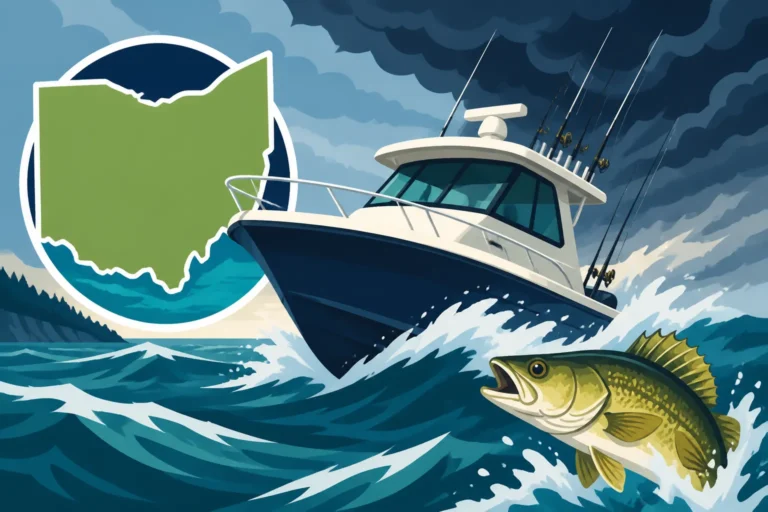
Lake Erie is famous for its sudden mood swings. One day it can be as calm as a pond, and the next, it can whip up into a dangerous tempest. Weather is perhaps the single biggest unpredictable factor when booking a charter.
- Impact on Safety and Comfort: Charter captains prioritize safety above all else. If winds are forecast to be too high, or storms are rolling in, they will cancel or reschedule your trip. This isn't out of malice, but out of necessity. Even if the weather isn't severe enough for a cancellation, rough water can make for a very uncomfortable day, leading to seasickness and difficult fishing conditions. It's a real bummer when you've planned for months, only to be turned back by a big blow.
- Impact on Fishing Success: Beyond safety, weather significantly affects fish behavior. Cold fronts can shut down a bite, while specific wind directions can either concentrate baitfish and gamefish or scatter them. Water temperature, clarity, and current all play a role. A cloudy, calm day might be perfect for walleye, while strong winds can muddy up the nearshore areas, affecting perch.
- Flexibility is Key: Because of this unpredictability, having some flexibility in your schedule is a huge advantage, especially when booking early spring or late fall trips. If your captain needs to reschedule, having an alternative day available means you won't miss out entirely. Always discuss the charter's cancellation policy due to weather – What Happens If a Lake Erie Charter Is Canceled for Weather? is a great read on this topic.
When choosing a booking date, consider the general weather patterns for that time of year. Mid-summer tends to be more stable, while spring and fall are more volatile. Always keep an eye on the forecast in the days leading up to your trip, but trust your captain's judgment on the day of.
Fishing Pressure and Availability: Battling for a Spot
Lake Erie is incredibly popular, and its excellent fishing draws anglers from all over the country. This popularity translates into high demand for experienced charter captains, especially during peak seasons.
- Peak Season Demand: The "golden windows" for walleye (late May through July) and perch (mid-summer) are when demand is highest. During these times, the best and most reputable captains often book up months, if not a full year, in advance. If you have specific dates in mind, particularly for a weekend or holiday, you absolutely cannot wait until the last minute. This high demand also means you might have fewer options for boat size or departure times.
- Weekdays vs. Weekends: Weekends and holidays see the heaviest fishing pressure and are almost always the first dates to get booked. If your schedule allows, consider booking a weekday trip. You'll likely find more availability, potentially less boat traffic on the lake, and sometimes even slightly more flexible captains.
- Tournament Schedules: Be aware that major fishing tournaments, especially for walleye, can also impact charter availability and pressure on certain fishing grounds. While captains might not participate, the influx of other boats can affect fishing conditions.
- Booking Well in Advance: This cannot be stressed enough. If you want to fish with a specific, highly-rated captain, or if your group has a non-negotiable set of dates, book as far out as possible. Many regulars book their next year's trip right after they step off the boat from their current one. Using platforms like FishingBooker can help you see real-time availability across multiple captains, making it easier to secure a date.
The earlier you book, the greater your choice of captains and dates, which can make a significant difference in the quality of your overall experience.
Charter Costs and Flexibility: Saving a Few Bucks
The cost of a Lake Erie fishing charter is another factor that can influence your booking decision. While prices are generally fairly consistent, there can be nuances.
- Peak Season Pricing: While specific prices aren't usually dynamic like airline tickets, the demand during peak season means that captains are less likely to offer discounts or special rates. You'll pay the standard full rate for the season.
- Off-Peak Value: Conversely, if you're willing to fish during the shoulder seasons (early spring or late fall), you might occasionally find captains who offer slightly reduced rates or more flexible trip lengths to fill their calendars. However, this isn't a guarantee and depends on the individual captain and their booking situation. Some might offer special promotions through their website or on booking platforms like FishingBooker.
- Fuel Surcharges: It's important to ask about potential fuel surcharges. While not always in effect, especially with fluctuating fuel costs, some charters might add a surcharge if fuel prices spike dramatically. This is usually communicated clearly upfront. Lake Erie Charter Fuel Surcharge Policies can give you an idea of what to expect.
- Half-Day vs. Full-Day: Most Lake Erie charters offer full-day trips, as the run to the fishing grounds and the time spent fishing often warrants it. However, some might offer half-day options, particularly for perch or nearshore walleye in slower times. Half-day trips are less expensive upfront but may offer less fishing time.
- Group Size and Split Charters: The total cost of a charter is typically for the boat, not per person, up to a certain maximum number of anglers. Dividing that cost among your group can make it very affordable. If you have a smaller group or are fishing solo, look into "split charters" where you pay for a spot and join other anglers to fill the boat. This is a great way to save money and still get out on the water.
When comparing costs, remember to also consider what's included in the price – tackle, bait, fish cleaning, etc. – to get a true apples-to-apples comparison. Don't let a small price difference deter you from a highly reputable captain.
Navigating the Booking Process: Tips and Tricks
Once you've decided on your ideal time of year and target species, the actual process of booking a Lake Erie charter can still feel a bit daunting, especially with so many options out there. However, with a strategic approach, you can secure a fantastic trip that meets all your expectations.
Researching and Vetting Charter Captains
This is perhaps the most crucial step in the entire process. A great captain can make even a slow fishing day enjoyable, while a subpar experience can ruin a trip. Don't just pick the first name you see!
- Online Presence and Reviews: Start your research online. Most reputable captains will have a professional website and a presence on booking platforms. Look for recent reviews and testimonials. Pay attention to not just the number of fish caught, but also comments on the captain's professionalism, boat cleanliness, safety practices, and overall demeanor. Sites like FishingBooker are excellent for this, as they aggregate reviews and provide detailed profiles for many Lake Erie captains, often including photos of their boats and past catches.
- Experience and Specialization: Consider how long the captain has been operating on Lake Erie. Experience on these waters is invaluable. Also, check if they specialize in your target species. While many captains are proficient in walleye and perch, some might have a particular knack for trophy fish or specific techniques. If you're going for Lake Erie walleye, ensure their expertise lies there.
- Boat and Equipment: A well-maintained boat and quality fishing gear are signs of a professional operation. While you might not know the exact models, look for photos that show a clean, spacious, and well-equipped vessel. Modern electronics, safe railings, and good quality rods and reels contribute to a better experience.
- Communication: Pay attention to how quickly and clearly they respond to inquiries. Good communication before the trip is a strong indicator of good communication during and after the trip. This is especially important for discussing weather cancellations or other logistics. Ohio Fishing Charter Reviews and How to Vet a Captain offers more guidance on this crucial step.
Take your time with this step. The right captain is the cornerstone of a successful Lake Erie charter experience.
Essential Questions to Ask Before Booking
Before you hand over your deposit, arm yourself with a list of questions. This not only helps you gather vital information but also allows you to gauge the captain's transparency and professionalism.
- What's Included? This is a big one. Does the price include rods, reels, bait, and tackle? What about fish cleaning and bagging? Some charters include everything but your food and drink, while others might have separate charges for specific items. Clarify this upfront to avoid surprises.
- Deposit and Payment Structure: How much is the deposit, and when is the balance due? What payment methods do they accept?
- Cancellation Policy: This is critical for Lake Erie. Ask specifically about their policy for weather cancellations (captain's discretion), as well as angler cancellations. What's the timeframe for a refund or rescheduling?
- Group Size and Accommodations: How many anglers can they comfortably take? Is there a bathroom on board? Are kids welcome, and are there life jackets for all sizes? How Many Anglers Fit on a Lake Erie Charter Boat? and Are Kids Allowed on Lake Erie Fishing Charters? provide more context.
- Typical Trip Length: How long is a standard full-day trip, from dock to dock?
- What Should I Bring? Get a clear list of recommended items: food, drinks, cooler for your catch, appropriate clothing, sunscreen, sunglasses, and your fishing license.
- Fishing License Requirements: Confirm that everyone in your party will need an Ohio fishing license, and whether a temporary or one-day license is acceptable for non-residents. Remember, the captain's license covers them, not you! Do You Need Your Own Fishing License for a Charter in Ohio? clarifies this.
- Tipping Etiquette: While optional, tipping your crew is customary in the charter industry. Ask about typical tipping percentages or amounts, so you can budget accordingly. How Much to Tip an Ohio Fishing Guide offers good advice.
Asking these questions beforehand ensures clarity and helps manage expectations for everyone involved. Don't be shy – a good captain will welcome your thoroughness. You can often find many of these answers pre-filled on online booking platforms like FishingBooker, making your job easier.
The Importance of Booking Ahead
We've touched on this, but it bears repeating: booking your Lake Erie charter ahead of time is absolutely essential for a stress-free and successful trip.
- Secure Your Preferred Dates: The best captains and the most desirable weekend dates, especially in June and July, get snatched up quickly. If you have specific dates in mind, particularly for a group event or vacation, booking 6-12 months in advance is not uncommon, and often recommended. This is even more crucial for prime times like the Maumee River walleye run or the peak summer bite.
- Access to Top Captains: The most experienced and reputable captains are almost always the first to fill their calendars. Booking early gives you the best chance to fish with a highly recommended professional.
- Better Planning for Your Group: If you're organizing a trip for a larger group, early booking allows everyone to plan their schedules, travel, and accommodations well in advance. This reduces last-minute scrambling and ensures everyone can make it.
- Flexibility for Rescheduling: While you hope for perfect weather, Lake Erie is unpredictable. Booking early, especially at the beginning or end of the season, can sometimes offer a slight buffer if you need to reschedule due to weather, as there might be more open dates available further out.
- Avoid Disappointment: There's nothing worse than getting excited for a trip only to find out all the charters are fully booked. Proactive booking ensures you won't face this disappointment. Many anglers find their preferred captain on FishingBooker and book their slot for the following year right after their trip concludes.
Think of it like planning a popular vacation or a concert. The best spots go first. Apply the same logic to your Lake Erie charter.
Making the Most of Your Lake Erie Charter Experience
So, you've booked your charter, chosen your time of year, and researched your captain. Now, let's talk about how to ensure your actual day on Lake Erie is as enjoyable and productive as possible. A little preparation and understanding go a long way.
Preparing for Your Trip: What to Pack and Expect
Being prepared for a day on Lake Erie is about comfort, safety, and maximizing your fishing time. The captain provides the boat, the gear, and the know-how, but you're responsible for your personal comfort.
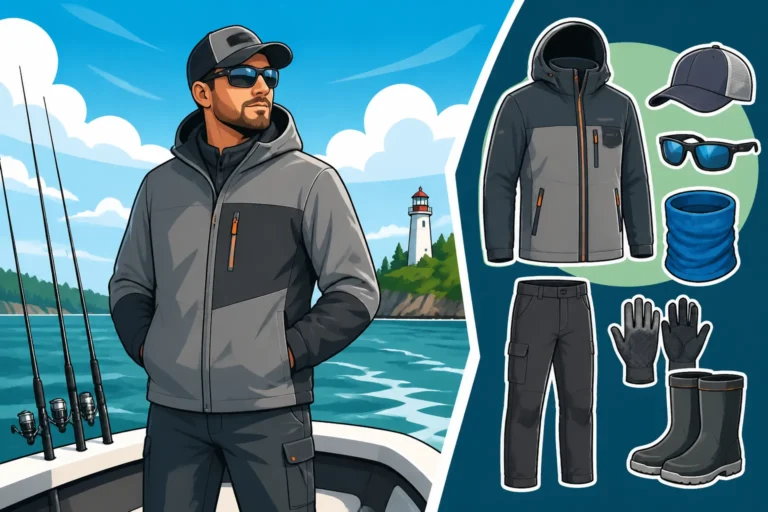
- Dress in Layers: Lake Erie weather can change quickly. Even on a warm summer day, the breeze on the water can be cool, especially early in the morning or late in the evening. Layers allow you to adjust to changing temperatures. A waterproof outer shell is a must, regardless of the forecast – you never know when a stray wave or a sudden shower might hit.
- Sun Protection: Even on cloudy days, UV rays reflect off the water. Bring sunglasses (polarized are best for spotting fish!), a wide-brimmed hat, and plenty of sunscreen. Don't underestimate the Lake Erie sun.
- Food, Drinks, and Snacks: Most charters don't provide meals, so pack your own lunch, snacks, and plenty of non-alcoholic beverages. A small cooler is usually acceptable to bring aboard for your personal items.
- Cooler for Your Catch: Have a large cooler in your vehicle for transporting your fillets home. Some charters might have ice available, but it's always good to be prepared. Bring separate plastic bags if you want to keep your catch organized.
- Comfort Items: Motion sickness medication (take it before you get on the boat!), a camera, and any personal medications you might need. If you're prone to seasickness, it's always better to be safe than sorry.
- Your Fishing License: Ensure you have your valid Ohio fishing license readily accessible. Digital copies on your phone are generally accepted, but a printout can be a good backup.
- Cash for Tipping: As mentioned, tipping is customary. Have some cash on hand to show your appreciation for a hard-working crew.
By having these essentials, you'll be comfortable, safe, and ready to focus on the fishing. What to Bring on a Lake Erie Fishing Charter offers an exhaustive checklist.
Understanding Lake Erie's Unique Dynamics
Lake Erie is a unique body of water, and understanding some of its characteristics can enhance your appreciation for the fishery and the captain's expertise.
- Shallowest of the Great Lakes: Despite its immense size, Lake Erie is the shallowest of the Great Lakes. This characteristic contributes to its incredible productivity as a fishery but also makes it prone to rapid changes in water temperature and rough waves, which can build quickly in shallow water.
- The Western and Central Basins: Ohio's Lake Erie coastline primarily encompasses the western and central basins. The western basin is shallower, with extensive reef systems, and is vital for walleye spawning. The central basin is deeper and known for its vast schools of baitfish and migrating walleye throughout the summer. Your charter captain will know exactly which basin to target based on the time of year and current conditions.
- The Role of Baitfish: Walleye and perch movements are intrinsically linked to their primary forage, particularly emerald shiners. The presence or absence of these baitfish heavily influences where the gamefish will be found. Captains spend a lot of time locating these bait schools using their electronics.
- Weather Effects: Understand that Lake Erie's dynamics are heavily influenced by wind and temperature. Strong winds can create "drifts" of warm or cold water, influence baitfish location, and of course, churn up significant waves. Respect your captain's decision to stay in port; they know the lake's capabilities better than anyone.
Listening to your captain and asking questions throughout the day can turn your fishing trip into an educational experience about this magnificent natural resource.
Post-Trip Considerations: Fish Cleaning and Beyond
The fishing doesn't quite end when you get back to the dock. There are a few things to consider for after your trip.
- Fish Cleaning Services: Many charters offer fish cleaning services, either included in the price or for an additional fee. This is a huge convenience, as cleaning a boatload of walleye or perch can be a daunting task. The crew will expertly fillet and bag your catch, ready for your cooler. Be sure to confirm this service with your captain beforehand. Do Lake Erie Charters Clean and Bag Your Fish? clarifies these services.
- Handling Your Catch: Learn how to properly handle your fish on the boat to ensure the best quality fillets. This includes minimizing stress on fish you plan to release and properly icing down fish you intend to keep.
- Recipes and Cooking: Once you're home with your fresh Lake Erie fillets, it's time to enjoy the fruits of your labor! Walleye and yellow perch are highly prized table fare. Look up some delicious recipes – pan-fried, baked, or broiled, they're always a treat.
- Sharing Your Experience: Consider writing a review for your captain on platforms like FishingBooker. Your feedback helps other anglers make informed decisions and is a great way to thank your captain for their hard work. Share your photos and stories with friends and family – you might just inspire their next Lake Erie adventure!
A great Lake Erie charter experience extends from the moment you book until the last delicious bite of your fresh catch. By preparing well and understanding the lake's nuances, you're setting yourself up for an unforgettable angling adventure.
| Season | Primary Species Target | Typical Weather & Water Conditions | Angler Experience Level | Booking Recommendation |
|---|---|---|---|---|
| Early Spring | Trophy Walleye | Cold, often unpredictable, choppy | Experienced, patient | Moderate advance, flexible dates |
| Late Spring | High Numbers Walleye | Warming, more stable, great action | All levels | Essential, 3-6 months+ in advance |
| Mid-Summer | Walleye, Yellow Perch, Smallmouth | Warm, stable, calm (often) | All levels, family-friendly | Essential, 6-12 months+ in advance |
| Early Fall | Trophy Walleye, Smallmouth | Cooler, can be windy, fewer crowds | Experienced, dedicated | Moderate advance, watch weather |
Disclaimer
This article is for general informational purposes only and does not constitute professional advice. Laws, prices and regulations vary by location and change over time. Consult a qualified professional for guidance on your specific situation.