How to Jig for Walleye in Cold Water
When the chill bites deep and the water temperature plummets, many anglers might pack up their gear, thinking the walleye bite is over. But that couldn't be further from the truth! Cold water walleye can be incredibly rewarding, though they certainly present a unique challenge. Their metabolism slows down, they become less aggressive, and finding them often feels like solving a puzzle. This comprehensive guide will walk you through the precise techniques, essential gear, and crucial understanding needed to successfully jig for walleye in cold water, ensuring your season doesn't end with the first freeze.
Understanding Cold Water Walleye Behavior
Catching walleye when the water is frigid isn’t just about putting a bait in the water; it's about understanding how these fish adapt to their environment. They're still there, still feeding, but their whole world slows down, and so must your approach.
Why Walleye Act Differently in Winter
As water temperatures dip below 50 degrees Fahrenheit, and especially once they hit the low 40s or even upper 30s, a walleye’s metabolism drastically decreases. Think of it like us trying to run a marathon in a heavy winter coat – everything takes more effort. They become far less active, conserving energy by moving slower, holding tighter to structure, and feeding in shorter, less frequent bursts. This means the aggressive strikes you might experience in summer are often replaced by incredibly subtle "thumps" or even just a feeling of added weight.
Their preferred diet might also shift slightly towards smaller, easier-to-catch prey. Instead of chasing down fast-moving baitfish, they'll often hold tight to the bottom or structure, waiting for an easy meal to pass directly in front of their noses. This lethargy is precisely why a slow, deliberate jigging presentation is so effective. If your lure is zipping around, a cold-water walleye might not even register it as food, or simply won't bother expending the energy to pursue it.
Prime Cold Water Walleye Locations
Finding these cold-stunned walleye is half the battle, and they typically aren't roaming the vast open flats like they might in warmer months. Instead, they congregate in specific areas that offer protection, stable temperatures, and proximity to food sources. Look for deeper water that buffers against rapid temperature changes. This could be main lake basins, deep river channels, or the steepest breaks off major points and humps.
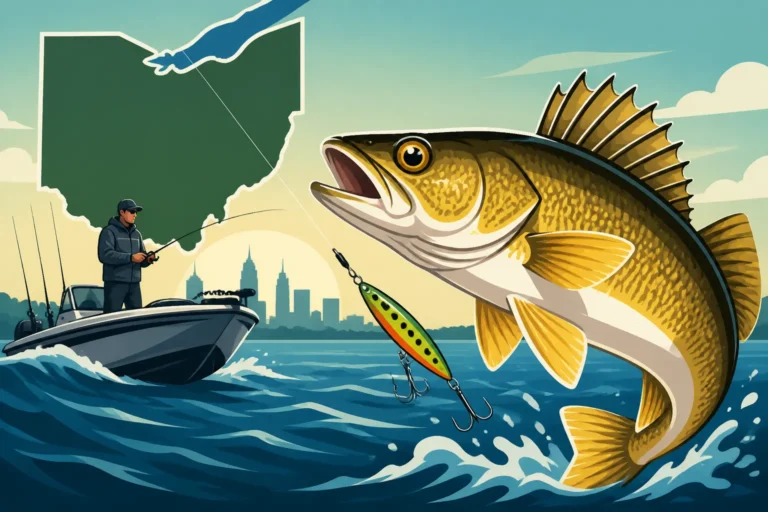
On a large body of water like Lake Erie, especially in the western and central basins, walleye will often move to deeper areas once the surface water cools. They might school up tightly near prominent underwater structures like reefs or ledges. In reservoirs across Ohio, such as Mosquito Creek Lake or Alum Creek Lake, you’ll want to focus on the deepest parts of the main lake, steep drop-offs leading into creek channels, or the mouths of larger bays that have deep access. Submerged timber or brush piles can also act as excellent holding areas, offering both cover and ambush points. Always look for these fish to be hugging the bottom or suspended tightly just above it, often in dense schools.
Essential Gear for Cold Water Jigging Success
When targeting cold water walleye with jigs, your gear needs to be perfectly tuned. The subtle bites demand maximum sensitivity, and the cold conditions require durability and efficiency. Skimping on tackle here will definitely cost you fish.
Rod, Reel, and Line Selection
The right rod is absolutely paramount. You need something that transmits every single tap, bump, or slight change in pressure directly to your hand. A sensitive, fast-action spinning rod, typically 6'6" to 7'6" in length, with a medium-light to medium power rating is ideal. Graphite rods are excellent choices due to their sensitivity. The fast action means the rod bends mostly in the tip, allowing for precise jig control and quick hook sets, even with a light bite. Many anglers find success with brands that offer sensitive tips but plenty of backbone.
Pair your sensitive rod with a smooth, lightweight spinning reel in a 2000 or 2500 size. The reel's job is to handle line smoothly and allow for precise adjustments, not brute force. For line, a low-stretch main line is a must. Braided line, in the 8-10 pound test range, is fantastic for its zero-stretch properties, which greatly enhances sensitivity. However, braid is visible in clear cold water, so always tie on a fluorocarbon leader of 6-10 pound test, usually 3-5 feet long. Fluorocarbon is nearly invisible underwater and offers excellent abrasion resistance against rocks and ice. You can find quality braided lines and fluorocarbon leaders, as well as sensitive rods, from many reputable brands readily available on Amazon.
Top Jig Styles and Baits
Choosing the right jig for cold water can make all the difference. The goal is to imitate a lethargic baitfish or a struggling invertebrate, something easy for a walleye to engulf.
- Lead Head Jigs: The classic. Round head, stand-up, or aspirin head jigs work wonders. Match the jig weight to the depth and current; typically 1/8 to 1/2 ounce is sufficient for most Ohio waters, though deeper Lake Erie presentations might require heavier options. Tip these with live bait or soft plastics.
- Hair Jigs and Bucktails: These jigs offer a natural, subtle pulsation in the water that can be irresistible to finicky walleye. Colors like black, brown, purple, or olive are often highly effective, especially when paired with a small minnow. The natural fibers give a lifelike appearance even with minimal movement.
- Blade Baits: These vibrating metal lures, like the Heddon Sonar or the Cicada, are fantastic for cold water. Their tight wobble and vibration mimic a distressed baitfish, and they can be vertically jigged or cast and retrieved slowly. They sink fast, getting you to the fish quickly.
- Spoons: Both Kastmaster-style spoons and vertical jigging spoons (like a Northland Buck-Shot Rattle Spoon) are deadly. The flutter on the fall is a powerful trigger for walleye. Metallic colors, white, or glow patterns are often productive.
When it comes to bait, live bait often reigns supreme in cold water. Live minnows, especially emerald shiners or fatheads, are hard to beat. Hook them lightly through the lips or dorsal fin. You can also use soft plastic trailers on your lead head jigs. Paddle tail swimbaits, minnow-profile plastics, or even small grub tails can be effective, especially those infused with scent. Experiment with colors like white, chartreuse, natural minnow, or purple, and remember that sometimes a touch of red or orange can trigger a strike.
Mastering Cold Water Walleye Jigging Techniques
Once you've located the fish and have your perfect setup, it's time to put those jigs to work. The key to cold water success is often counter-intuitive to what you might do in warmer months: slow down, then slow down some more.
The Slow and Subtle Approach
Forget aggressive rips and fast retrieves. Cold water walleye are often lethargic, and they won't chase. Your presentation needs to be methodical and understated. The general rule is: if you think you’re jigging slowly enough, slow down even more.
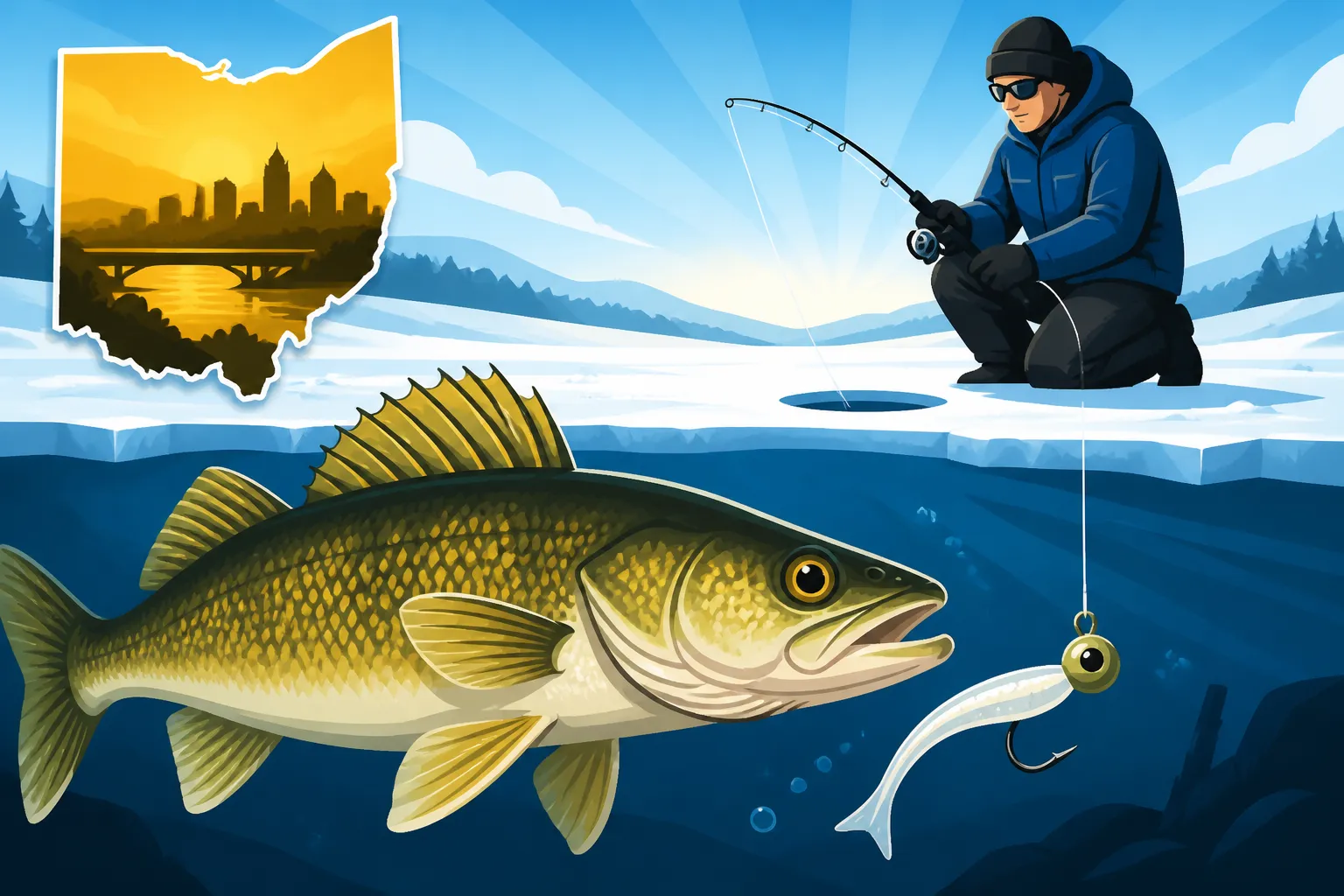
- Lift, Fall, Pause: This is the mantra. Cast your jig out (or drop it directly below the boat for vertical jigging) and let it sink until it hits the bottom. Then, with your rod tip, gently lift the jig just a few inches, maybe 6 to 12 inches off the bottom. Immediately let it fall back down on a semi-slack line, allowing it to flutter or glide naturally. The magic often happens on the fall or during the pause.
- The Pause is Crucial: After letting the jig fall, allow it to sit motionless on the bottom for an extended period. This pause can be anywhere from 5 to 15 seconds, sometimes even longer if the bite is particularly tough. It's during this pause that a wary walleye will often approach and inhale the seemingly helpless bait. Many bites are incredibly light, feeling like a slight "tick," a spongy weight, or sometimes just a lack of resistance when you go to lift your jig again.
- Maintain Bottom Contact: Walleye in cold water frequently hug the bottom. Ensure your jig is consistently making contact with the lake or riverbed. This stirs up a puff of silt, which can attract attention, and puts your bait right in their strike zone.
Reading Your Electronics and Presenting the Jig
Modern fish finders are invaluable tools for cold water jigging, especially for Lake Erie walleye fishing. They not only help you find those deep schools but also allow you to present your jig with pinpoint accuracy.
- Vertical Jigging: If you're on a boat, use your electronics to locate schools of walleye. Look for distinct arcs or blobs on your sonar, typically hugging the bottom in deeper water. Once you're over them, position your boat using a trolling motor (like a Minn Kota or MotorGuide) with spot-lock technology to hold your position precisely. Drop your jig directly down, watching your sonar screen. You should be able to see your jig on the screen as a small line or dot, falling right into the school. This allows you to place the bait exactly where the fish are.
- Controlled Drifts: In areas with a subtle current, like river sections or larger reservoirs, controlled drifting can be highly effective. Use a drift sock or your trolling motor to slow your drift over productive areas. This allows your jig to cover more ground while still maintaining a vertical presentation if done correctly. Keep an eye on your sonar for fish, and when you see them, work your jig through the school.
- Identifying Bites: This is the toughest part of cold water jigging. Because bites are so light, you need to be hyper-focused. Watch your line for any twitch or hesitation as your jig falls. Feel for any added weight or "mushy" sensation when you go to lift your rod. Sometimes, the only indication is your line going slack prematurely, meaning a fish has picked up your jig on the fall. Don't be afraid to set the hook on anything that feels "different."
Jigging from Shore vs. Boat in Cold Water
Both shore anglers and boat anglers can find success jigging for walleye in cold water, but the approach differs.
- Shore Angling: If you're fishing from the bank, your options might be more limited, but still viable. Focus on areas that provide immediate access to deeper water, such as public piers on Lake Erie, bridge pilings on rivers, or points that drop off sharply into the main body of a lake or reservoir. Cast out your jig, let it sink to the bottom, and then employ the slow lift-fall-pause technique. Slowly retrieve your jig, maintaining bottom contact and feeling for those subtle bites. Areas with current breaks, like behind a pier pilings or large rocks, can be excellent ambush points for walleye. For tips on where to go, check out our guide on Best Ohio Shore Fishing Spots.
- Boat Angling: With a boat, you have the advantage of mobility and access to prime deeper structures. As mentioned, vertical jigging directly over schools found with sonar is incredibly effective. Drifting across flats or along deep breaks where walleye are suspected to be is another great tactic. Keep your speed to a minimum, ensuring your jig stays near the bottom. Using a long, sensitive rod and a good quality reel will make it easier to detect those light bites in colder temperatures. Many anglers find the ability to quickly move to new schools using a powerful trolling motor crucial for staying on active fish.
Overcoming Common Cold Water Jigging Challenges
Cold water jigging isn't without its unique set of hurdles. From finicky fish to personal safety, being prepared is key to a successful and enjoyable outing.
Dealing with Finicky Bites
This is perhaps the most frustrating aspect of cold water walleye fishing. You know the fish are there, you see them on your graph, but they just won't commit. Don't despair, adjust!
- Downsize Your Presentation: If bigger jigs aren't working, try a smaller jig head (1/8 oz or even 1/16 oz) or a more subtle soft plastic. A tiny hair jig or a small blade bait can sometimes be the ticket when fish are extremely lethargic.
- Change Colors and Scent: Sometimes a subtle shift in color can make a difference. If natural patterns aren't working, try a brighter chartreuse or orange. Adding scent to your jigs and plastics can also be a game-changer. Scented soft plastics or applying commercial fish attractants can entice a cold-water walleye to hold onto your bait longer, giving you time to set the hook.
- Extend Your Pauses: If you're pausing for 5 seconds, try 10. If you're doing 10, try 15 or 20. Seriously, those extended pauses can be when the fish finally decides to inspect and inhale your offering. It takes patience, but it pays off.
- Vary Your Action: While a slow, subtle retrieve is generally best, sometimes a slight variation can trigger a bite. Instead of just a lift-fall, try a short, sharp snap, then a long pause. Or just a tiny shake of the rod tip while the jig is sitting still. The key is experimentation.
Safety Considerations in Cold Weather
Fishing in cold weather, especially on the water, comes with serious risks. Your safety should always be your top priority.
- Layer Up: Dress in layers, including thermal underwear, fleece, and a waterproof, windproof outer shell. Bring extra clothes. A good pair of insulated, waterproof boots and warm gloves or mittens are non-negotiable. Don't forget a warm hat; much of your body heat escapes through your head.
- Stay Hydrated and Fed: Even in cold weather, it's easy to get dehydrated. Bring warm drinks in a thermos and plenty of snacks to keep your energy up.
- Watch the Weather: Cold fronts can make the walleye bite even tougher, but more importantly, sudden weather changes can be dangerous. Always check the forecast before heading out, especially on large bodies of water like Lake Erie where conditions can change rapidly. Avoid going out if high winds are predicted.
- Personal Flotation Devices (PFDs): Even if you're a strong swimmer, a PFD is essential. Cold water immersion can quickly incapacitate you. Modern inflatable PFDs are comfortable and don't restrict movement. If you fall in, the cold shock alone can be deadly, let alone the challenges of swimming in heavy, waterlogged clothing. Make sure everyone on board has and wears a PFD.
- Emergency Kit: Carry a fully charged cell phone (in a waterproof bag), a first-aid kit, a whistle, and a throw rope. Let someone know where you are going and when you expect to return. This is crucial for any angler, but especially in challenging winter conditions. For more general guidelines on fishing safety, consider checking out resources like Ohio Boater Education Requirements for Anglers.
| Jig Type | Ideal Conditions | Presentation Style | Pros | Cons |
|---|---|---|---|---|
| Lead Head Jigs | General, all depths, with live bait/plastics | Lift-fall-pause, dragging | Versatile, natural look, works with various baits | Can snag easily in heavy cover |
| Hair Jigs | Clearer water, finicky fish, light current | Slow drag, minimal hops, long pauses | Subtle, lifelike action, very natural appearance | Can be difficult to feel light bites without sensitive rod |
| Blade Baits | Deeper water, aggressive fish (in schools) | Vertical jigging, sharp snaps, yo-yo retrieve | Strong vibration, fast sink, attracts from a distance | Can be too aggressive for very lethargic fish; prone to snagging |
| Jigging Spoons | Deeper water, suspended fish, current | Vertical jigging, flutter on fall, short hops | Great flash and vibration, good for covering water vertically | Less natural than soft baits, can snag |
| Soft Plastics | Various conditions, can mimic many baitfish | Paired with lead heads, slow retrieve, twitching | Customizable, scented options, durable, wide range of shapes/colors | Action relies heavily on angler input, can tear |
Fishing for walleye in cold water is a challenge that rewards patience, persistence, and a keen understanding of their winter habits. By slowing down your presentation, utilizing sensitive gear, and focusing on key deep-water structures, you can enjoy some incredible action when most other anglers have called it quits. It’s a truly unique experience to feel that subtle tap and know you’ve outsmarted a cold-blooded predator in its element.
Disclaimer
The information provided in this guide is for general informational purposes only and is not intended as legal, financial, or professional advice. Fishing regulations and conditions in Ohio can change, and it is the angler's responsibility to consult the latest regulations from the Ohio Department of Natural Resources (ODNR) before fishing. Always prioritize safety when on the water.