Ohio State Record Blue Catfish Weight
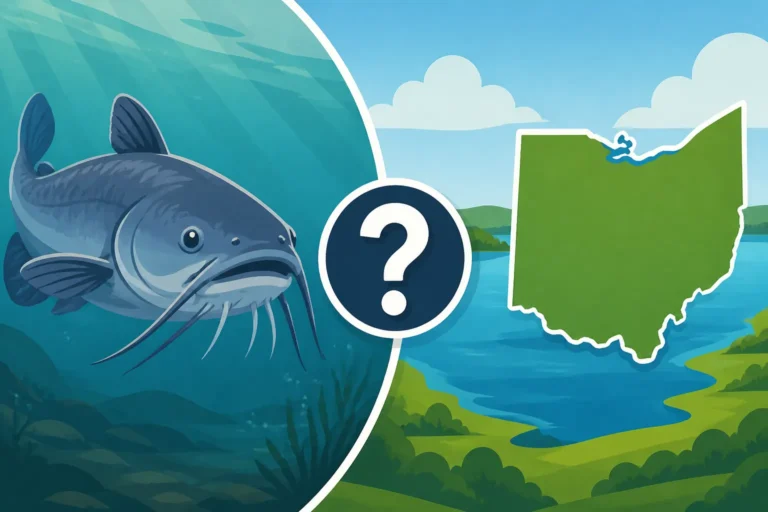
For many anglers in Ohio, the dream of hooking into a truly massive fish feels like a distant fantasy, especially when you think about the colossal blue catfish that lurk in our larger river systems. There's a certain awe and challenge that comes with pursuing these heavyweight champions, and the thought of breaking a state record is enough to make any serious catfisherman's heart pound. This guide will dive deep into the world of Ohio's blue catfish, reveal the current state record, and arm you with the knowledge to pursue your own giant, perhaps even one that rewrites the record books.
Understanding Ohio's Blue Catfish: A True River Monster
Ohio's waters, particularly the mighty Ohio River and its larger tributaries, are home to some incredible fish, and among them, the blue catfish reigns supreme in terms of sheer size potential. These aren't your average pond dwellers; blue catfish are built for power and growth, making them a formidable opponent for any angler. Their presence adds an exciting, almost mythical, dimension to freshwater fishing in our state.
Identifying a Blue Catfish in Ohio Waters
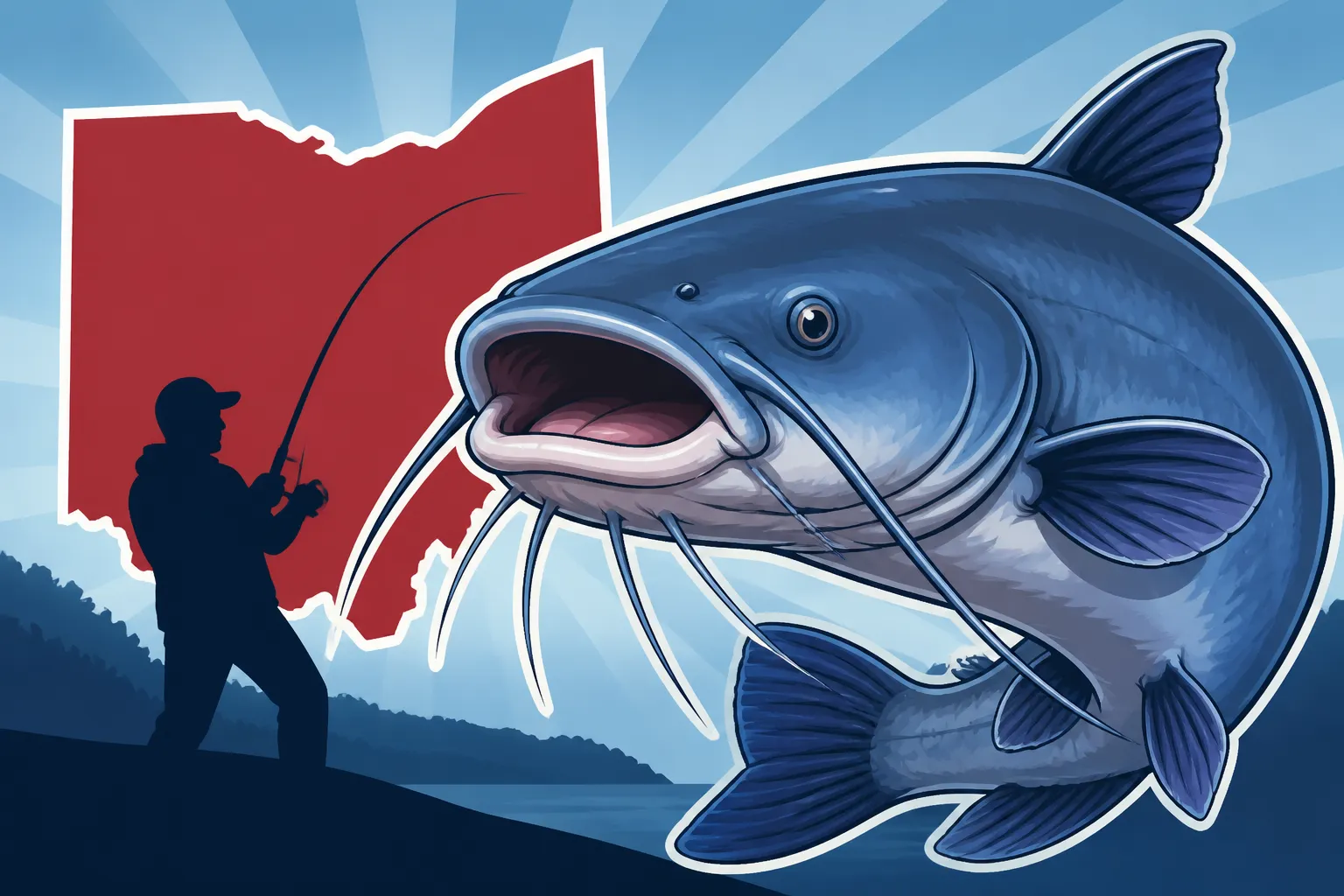
Before you can dream of catching a state record, you need to know what you're looking for! Blue catfish are often confused with channel catfish, especially when they're smaller, but there are some key distinctions to help you tell them apart. Blues typically have a deeply forked tail, a relatively straight anal fin (with a count of 30-35 rays), and their bodies are usually a bluish-gray color, sometimes with a silvery sheen, fading to white on their bellies. They lack the dark spots that are characteristic of channel catfish, though younger blues might have very faint ones that disappear with age. Their heads are usually smaller in proportion to their bodies compared to flathead catfish, and their mouths are subterminal, meaning the upper jaw slightly overhangs the lower. Getting good at Ohio Blue Catfish Identification is the first step to truly appreciating these giants.
Imagine reeling in what you think is a big channel cat, only to realize by its distinct features that you've got a true blue on the line – that moment of realization is exhilarating. The sheer muscle and girth on these fish, even a mid-sized one, are impressive. They're built for current, with sleek, powerful bodies that can fight hard, making every hook-up an adventure.
Prime Habitat for Ohio's Giant Blues
Blue catfish thrive in large river systems, preferring deep, swift-moving water. The Ohio River is undoubtedly the undisputed heavyweight champion when it comes to blue cat habitat in our state. Within the Ohio River, they seek out deep holes, scour channels, bends, and areas with significant current breaks, often near submerged structures like log jams, rock piles, or bridge pilings. They're also found in some of the larger tributary rivers and occasionally in massive reservoirs that mimic these riverine conditions.
Think about the challenging conditions these fish call home – powerful currents, deep water, and often complex underwater structure. Anglers often spend hours studying river maps and using sonar to pinpoint these prime locations. It's not just about dropping a line anywhere; it's about understanding the nuances of the river and where these apex predators choose to ambush their meals. For more insights into the best places to find them, you'll want to check out an Ohio River Fishing Guide.
What Do Blue Catfish Eat? Preferred Forage
Blue catfish are opportunistic predators with a diverse diet that allows them to grow to immense sizes. As juveniles, they'll eat insects, small crustaceans, and smaller fish. However, as they mature and grow, their diet shifts significantly towards other fish. They are true carnivores, feeding heavily on gizzard shad, skipjack herring, carp, and even smaller catfish species. They're not picky; if it's dead or alive and fits in their mouth, they'll likely eat it.
This predatory nature is why fresh cut bait is king when targeting trophy blue catfish. Shad, skipjack, carp, or even perch cut into chunks are highly effective. The scent trail they emit in the current is irresistible to a hungry blue cat. Anglers often spend just as much time catching fresh bait as they do fishing for the catfish themselves, understanding that the freshest, oiliest bait can make all the difference. Knowing Best Baits for Ohio Catfish is crucial for success.
The Prestigious Ohio State Record Blue Catfish
Every angler, deep down, harbors the dream of catching a fish so monumental it breaks a state record. When it comes to blue catfish in Ohio, that dream is a truly grand one, reserved for those who put in the time, effort, and have a little bit of luck on their side. The existing record stands as a testament to the incredible fish swimming in our waters and the dedication of the anglers who pursue them.
The Current Record Holder and Its Impressive Weight
The Ohio state record blue catfish is a truly staggering fish, recognized as one of the largest freshwater fish ever caught in the state. This incredible specimen weighed in at 101 pounds, 0 ounces. It was caught from the Ohio River, which, as we discussed, is the prime battleground for these giants. Catching a fish of this magnitude is not merely a matter of luck; it involves specialized gear, specific techniques, and often, an immense amount of patience and skill. This kind of catch earns a spot in the Ohio State Record Fish by Species hall of fame.
Imagine the fight! A fish over 100 pounds in river current would test even the most experienced angler and the most heavy-duty tackle. The sheer power and bulldogging strength required to bring such a creature to the net, or even to the bank, is something truly special. It's a memory that would last a lifetime and an achievement that few can ever claim.
What it Takes to Land a Record-Breaker
Landing a blue catfish of record proportions requires a combination of factors, starting with sheer determination. First, you need to be fishing in the right place – deep, current-rich areas of the Ohio River or its major feeder streams that are known to hold large blue cats. Second, robust tackle is non-negotiable. This means heavy-action rods, large capacity reels spooled with strong braided line (think 50-80 lb test, or even heavier for leaders), and stout hooks. Many dedicated catfish anglers source their high-quality braided line and specialized hooks from retailers like Amazon, ensuring they have the strength needed for these battles.
Furthermore, fresh, oily cut bait is paramount. Shad, skipjack, and even large chunks of carp are common choices. Presenting these baits on strong Carolina rigs or similar bottom-fishing setups, often with heavy sinkers to hold in the current, is typical. Finally, it takes patience. These big fish don't bite every minute; sometimes, it's a waiting game, but when that rod doubles over, all the waiting becomes worth it. Mastering Ohio Catfish Fishing Techniques will significantly increase your chances.
Why the Ohio River is a Blue Catfish Hotspot
The Ohio River's unique characteristics make it an ideal environment for blue catfish to thrive and reach trophy sizes. Its immense size provides vast expanses of deep water and complex underwater structures. The river's consistent flow delivers a steady supply of oxygen and, crucially, a rich forage base of baitfish like shad and skipjack herring, which are key to rapid growth for blue cats. The nutrient-rich environment allows them to pack on pounds quickly.
Additionally, the river's numerous locks and dams create deep scour holes and current breaks that serve as perfect ambush points for these large predators. These areas concentrate both baitfish and the catfish themselves, making them prime targets for anglers. The sheer volume of water and the abundance of food mean that there are undoubtedly more monstrous blue catfish still out there, waiting to be caught.
Chasing Trophy Blue Catfish in Ohio Waters
While breaking the state record is a lofty goal, simply catching a trophy-sized blue catfish (often considered anything over 30-40 pounds, though true "trophy" can be much larger) is an incredible achievement in itself. These fish provide an unparalleled fight and offer some of the most exciting freshwater angling opportunities in Ohio.
Essential Gear for Heavyweight Catfishing
If you're serious about targeting giant blue catfish, your tackle box and rod locker need to be equipped for battle. You can't show up with a lightweight bass setup and expect to win against a 50-pound river monster.
- Rods: Look for heavy-action or extra-heavy action catfishing rods, typically 7 to 10 feet long. These rods need backbone to handle heavy weights and the power to set hooks into tough mouths and turn a big fish in current. Brands known for their robust catfishing gear are readily available on platforms like Amazon.
- Reels: Large baitcasting reels or robust spinning reels with a strong drag system and high line capacity are essential. You'll want to spool them with at least 50-pound braided line, which offers incredible strength and sensitivity, allowing you to feel subtle bites even in strong current.
- Line: Braided line is almost a must for main lines due to its strength-to-diameter ratio and lack of stretch. For leaders, many anglers opt for heavy monofilament or fluorocarbon (80-100 lb test) to provide abrasion resistance against submerged timber and rocky bottoms.
- Hooks: Circle hooks are preferred by many serious catfishermen, especially for catch-and-release, as they typically hook the fish in the corner of the mouth, reducing gut hooks. Sizes 8/0 to 12/0 are common for large blue cats. You can find quality bulk circle hooks from various sellers on Amazon.
- Sinkers: Pyramid, no-roll, or flat bank sinkers ranging from 3 ounces to 8 ounces or more are needed to hold your bait on the bottom in strong currents. The exact weight will depend heavily on the strength of the current you're fishing.
- Other Essentials: A sturdy rod holder to keep your rod secure against powerful takes, a heavy-duty net with a large hoop and deep bag designed for big fish, and possibly a set of heavy-duty gloves to handle these abrasive fish are all part of the serious catfisherman's arsenal.
Top Techniques for Hooking Big Blues
Targeting big blue catfish isn't about finesse; it's about getting a substantial bait in front of them and holding it there.
Bottom Fishing with Cut Bait
This is the most popular and often most effective method for big blue cats. A simple Carolina rig, or a variation designed for heavy current, is usually employed. You'll thread your mainline through a heavy sinker, then tie on a swivel. To the other end of the swivel, attach a heavy leader (12-24 inches) and then your large circle hook. Impale a chunk of fresh cut bait onto the hook, ensuring the hook point is exposed. Cast this rig into deep holes, along current seams, or near submerged structure and let it sink to the bottom. The key is to keep enough tension on the line to feel bites but allow the current to carry the scent of your bait.
Many anglers fish multiple rods from the bank or a boat, setting them in sturdy rod holders and patiently waiting for that tell-tale pull. When a big blue hits, it's often a slow, steady bend of the rod, followed by powerful runs. Knowing Catfish Feeding Patterns at Night can give you an edge, as blues are often more active after dark.
Drifting Baits
In some areas with moderate current, drifting a cut bait can also be very effective. This involves allowing your boat to drift downstream, dragging your baited rigs behind you. This method allows you to cover more water and present your bait to fish that might be spread out along a stretch of river. It requires constant attention to your rod and line to feel bites and avoid snags. This technique is especially useful in areas where the catfish are not concentrated in a single hole but might be scattered along a longer stretch of bottom.
The beauty of drifting is that it lets your bait appear more natural, mimicking a piece of food dislodged by the current. It's a subtle but effective way to entice those wary big blues.
The Thrill of the Fight and Safe Handling
Once you hook into a true giant blue catfish, the fight is on. These fish are incredibly powerful, using the current to their advantage, making long, sustained runs. Your drag setting will be critical – tight enough to set the hook and wear the fish down, but loose enough to prevent line breakage from sudden surges. Work the fish steadily, pumping and reeling, but avoid horsing it, as that can lead to pulled hooks or broken lines, especially near structure.
When you finally get the fish to the boat or bank, proper handling is paramount, particularly if you intend to release it. Use a large, rubberized landing net to minimize harm to the fish's slime coat. Support the fish horizontally, especially large ones, when lifting for photos. If possible, keep the fish in the water as much as you can. For those truly immense fish, consider measuring and weighing them quickly on a certified scale, getting a few rapid photos, and then releasing them to fight another day and potentially grow even larger. How to Revive a Muskie Before Release provides similar principles that can be applied to large catfish for responsible angling.
Submitting Your Potential State Record Catch
Catching a truly massive blue catfish is an incredible feat, but if you believe you've landed one that might challenge the state record, there's a specific process you need to follow to have it officially recognized. It's not just about taking a picture and guessing the weight; strict rules ensure fairness and accuracy.
Understanding the Requirements for State Record Certification
The Ohio Department of Natural Resources (ODNR) Division of Wildlife has clear guidelines for certifying state record fish. To be considered for a state record, your catch must meet several criteria:
- Legally Caught: The fish must be caught by legal means (hook and line) in Ohio waters, in accordance with all current Ohio Fishing Regulations Every Angler Should Know and Ohio Statewide Bag and Size Limits. No snagging, spearing, or illegal methods are allowed.
- Witnessed: The catch must be witnessed by at least one other person. This witness will need to sign an affidavit or form confirming the details of the catch.
- Weighed on Certified Scales: This is perhaps the most critical step for weight records. The fish must be weighed on a scale that has been certified by the Department of Agriculture, and in the presence of an official witness (like a game warden or a tackle shop owner with certified scales). The scale must be zeroed out before weighing, and any container used to hold the fish must be tared (its weight subtracted).
- Measured Accurately: Length and girth measurements are typically required, taken from the tip of the snout to the end of the tail (total length) and around the widest part of the fish (girth).
- Species Identification: Positive identification of the species is essential. If there's any doubt, a qualified biologist might need to examine the fish. This is where knowing Ohio Blue Catfish Identification really pays off.
- Photo Documentation: Clear, well-lit photographs of the fish, the angler, and the weighing process are usually required. These photos help verify the catch and provide visual evidence.
It’s a rigorous process, but it's designed to maintain the integrity of state records. Don't let these steps discourage you, but be prepared and proactive if you think you have a contender!
The Importance of Prompt Action
If you believe you've caught a potential state record, time is of the essence. Fish lose weight after they are caught due to moisture loss. Therefore, getting the fish to a certified scale as quickly as possible is crucial to ensure an accurate weight. Keep the fish alive in a livewell if possible, or on ice to preserve its weight and condition until it can be officially weighed and documented.
Contacting your local wildlife officer or the ODNR Division of Wildlife immediately after the catch is a smart move. They can guide you through the next steps, help you locate a certified scale, and confirm the necessary witnesses. Having a plan in place, even before you hook a giant, can make all the difference in getting your record officially recognized.
The Legacy of a State Record
Breaking a state record for a fish like the blue catfish isn't just about a number; it's about making a lasting mark on Ohio's angling history. It signifies a remarkable achievement, a deep understanding of the species, and often, an epic battle won against one of the river's toughest inhabitants. Your name would be etched in the record books, inspiring future generations of anglers to pursue their own dreams of a trophy catch.
It's a moment of pride not only for the angler but also for the state's fishing community, highlighting the incredible resources we have in Ohio. The record blue catfish stands as a testament to the health and vitality of our river systems and the potential for unforgettable angling experiences right here in our backyard.
Disclaimer
This article is for general informational purposes only and does not constitute professional advice. Laws, prices and regulations vary by location and change over time. Consult a qualified professional for guidance on your specific situation.