Do Blue Catfish Live in Lake Erie?
It's easy to get excited about the prospect of catching a massive blue catfish, especially when you hear stories of their incredible size and fighting power. Ohio anglers, particularly those looking at the vast expanse of Lake Erie, often wonder if these behemoths roam our great lake. The truth is, distinguishing between the various catfish species in Ohio waters can be a real head-scratcher, and many anglers understandably mistake a big channel cat or a flathead for the elusive blue. This guide will clear up the confusion, explain what catfish species you can expect to find in Lake Erie, and help you understand why blue cats aren't typically on that list.
The Blue Catfish Conundrum in Ohio Waters
When we talk about blue catfish, we're discussing a species renowned for its immense size and powerful fights, often found in the deep, vast river systems of the southern and central United States. It's a truly impressive fish, and the idea of them thriving in a body of water as expansive as Lake Erie is certainly intriguing. However, the reality of their presence in Ohio, particularly in our northernmost Great Lake, is a bit more nuanced than many might hope.
Native Ranges and Preferred Habitats
Blue catfish are primarily creatures of large, warm, slow-moving rivers and their major tributaries. Think of the Ohio River, the Mississippi River, or the Missouri River – these are the classic haunts of blue cats, where they can grow to truly staggering sizes, often pushing well over 100 pounds. They prefer deep channels, slow currents, and areas with plenty of submerged structure like fallen trees or rock piles where they can ambush prey. Their diet is largely carnivorous, focusing on smaller fish, mussels, and crayfish.
The Ohio River, for example, is a known stronghold for blue catfish within our state. Anglers frequently target them there, often finding success with heavy tackle in deep holes and swift currents. The river provides the ideal environment: extensive depths, abundant forage, and water temperatures that suit their physiology. In contrast, Lake Erie, while vast and deep in parts, presents a different set of environmental conditions that aren't quite aligned with the typical blue catfish preference. It's a colder, more dynamic freshwater sea, with different currents, depths, and overall ecosystem.
Why the Confusion Exists Among Anglers
It's completely understandable why many anglers might think they've encountered a blue catfish in Lake Erie. The primary reason for this confusion often boils down to species misidentification, especially when dealing with truly large specimens of other catfish. Ohio is home to two other prominent catfish species: the channel catfish and the flathead catfish. Both can grow to significant sizes, and when an angler hooks into a 20-pound-plus channel cat or a massive flathead, it's easy to jump to the conclusion that it must be a blue.
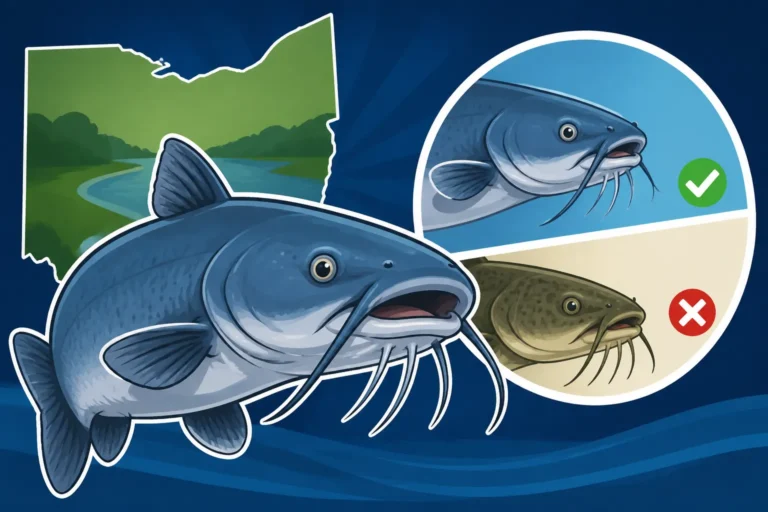
Channel catfish, particularly older, larger individuals, can develop a deeper blue-gray coloration, especially in cleaner waters, leading to their common name. They also have a forked tail, just like blue catfish. However, true blue catfish have a more pronounced humped back, a straight-edged anal fin (whereas channel cats have a rounded anal fin), and generally lack the distinct spots that are often visible on younger channel cats. Flathead catfish are easier to distinguish due to their flat, broad head, mottled brown-yellow coloration, and squared-off tail. Without a clear understanding of these subtle identification markers, it's not hard to see why a big fish might be mislabeled in the excitement of the moment. We've all been there, especially when the adrenaline is pumping!
Lake Erie's Catfish Population: What You'll Actually Find
While blue catfish might be absent, Lake Erie is far from a catfish desert. In fact, it boasts a thriving population of other catfish species that offer incredible angling opportunities. Understanding which species call Lake Erie home and where to find them is key to a successful fishing trip, whether you're targeting them specifically or just happen to hook one while going after walleye or perch.
Channel Catfish: The Dominant Species
If you're fishing for catfish in Lake Erie, the channel catfish is overwhelmingly the species you are most likely to encounter. They absolutely thrive in the warmer, shallower waters of the Western Basin, as well as in the various bays, harbors, and the lower reaches of Lake Erie's tributaries. These adaptable fish are abundant and can grow to very respectable sizes in the nutrient-rich environment of the lake.
Channel cats in Lake Erie are opportunistic feeders, feasting on anything from baitfish and insect larvae to crayfish and decaying organic matter. This makes them relatively easy to catch, especially for bank anglers or those fishing from piers. You'll find them congregating in areas with soft bottoms, around submerged vegetation, or near the mouths of rivers like the Maumee River or Sandusky Bay. Using baits like cut bait, worms, or stink baits on a simple bottom rig can yield fantastic results. Many Ohio anglers use relatively light tackle, which makes even a 5-pound channel cat feel like a monster! For a reliable supply of versatile hooks, weights, and pre-tied rigs perfect for channel cats, checking out options on Amazon can save you a trip to the local tackle shop.
These fish are also highly valued for their table fare. A freshly caught Lake Erie channel catfish, properly cleaned, is a delicious meal. Their sheer numbers and willingness to bite make them a perfect target for beginners and seasoned anglers alike. If you're looking for a good fight and tasty fillets, the channel catfish of Lake Erie will not disappoint. You might be surprised at the size and quantity you can pull out of spots like the lower Maumee or Sandusky Bay. Ohio Channel Catfish Fishing Guide provides even more detailed tips on how to target these fantastic fish.
The Elusive Flathead Catfish
While not as widespread or numerous as channel catfish in the open lake, flathead catfish do have a presence, particularly in the deeper, slower-moving sections of Lake Erie's major tributary rivers and around the river mouths. Unlike channel cats, flatheads are primarily ambush predators, preferring live bait and often hiding in heavy cover like logjams, rock piles, or deep scour holes. They are much less likely to be found cruising the open expanses of the lake.
You're more apt to encounter a flathead if you're fishing near the mouth of the Maumee River, the Sandusky River, or even the Grand River, especially if you're using large live baits like sunfish or suckers. These fish can grow absolutely enormous, often reaching sizes that dwarf even the largest channel cats. A 30-pound flathead is a real possibility, and dedicated flathead anglers often spend countless hours targeting these elusive giants. They are an incredible challenge and a truly unique catch. Distinguishing them from other catfish is usually straightforward due to their very distinct flattened head, small eyes, and speckled brownish-yellow coloration. If you're specifically targeting these leviathans, ensure your gear is up to snuff; heavy-duty rods and reels are a must. Many anglers find durable, affordable tackle boxes and robust fishing line on Amazon to stand up to the challenge of these powerful fish.
It's important to remember that flatheads are less tolerant of murky or polluted waters than channel cats, so their presence often indicates a healthier riverine environment. Their solitary nature and preference for specific types of structure mean you might have to put in more effort to find them, but the reward of landing one of these massive, prehistoric-looking fish is well worth it. For more specific details on identifying this powerful species, you can check out Ohio Flathead Catfish Identification.
The Verdict: Blue Catfish and Lake Erie
So, after all this talk about big catfish and their habitats, let's get down to the core question: do blue catfish actually live in Lake Erie? The answer, for now, is a pretty definitive no, at least not in any established, reproducing population.
Official Stance and Scientific Evidence
According to the Ohio Department of Natural Resources (ODNR) Division of Wildlife, blue catfish are not considered an established species in Lake Erie. While there might be anecdotal reports or misidentifications by anglers, there is no scientific evidence to support a self-sustaining population. Any individual blue catfish reported would almost certainly be an isolated instance, likely a fish that somehow migrated from another watershed or was illegally introduced. These isolated cases do not constitute a breeding population that contributes to the lake's overall fishery.
The main reason they haven't established themselves is likely environmental. Lake Erie's typical water temperatures, particularly in its deeper central and eastern basins, are generally colder than what blue catfish prefer for long-term survival and successful reproduction. While the Western Basin can get quite warm in the summer, the lake's overall colder average temperatures and specific food web dynamics don't seem to favor them as they do the prolific channel catfish. It's a complex ecosystem, and each species has its niche.
Potential for Future Presence and Current Management
Could blue catfish ever make their way into Lake Erie in the future? It's not entirely impossible, given the interconnectedness of waterways and the potential for human introduction, but it's certainly not anticipated or desired by wildlife managers. Invasive species can have devastating impacts on native ecosystems, and the introduction of a new, large predator like the blue catfish would be a significant concern. Agencies like the ODNR work tirelessly to monitor Ohio's aquatic environments and prevent the establishment of non-native species that could disrupt the delicate balance of Lake Erie's fishery.
Currently, there are no management plans for blue catfish in Lake Erie because they simply aren't there. The focus remains on managing the thriving populations of native species, including walleye, yellow perch, and channel catfish. Anglers are encouraged to correctly identify their catches and report any unusual or unfamiliar fish species to the ODNR. This vigilance helps scientists and managers maintain the health of our waters. For more general information about the fish species native to the lake, you can explore Fish Native to Lake Erie.
Key Differences at a Glance
To help you distinguish between the catfish species you might encounter in Ohio, especially near Lake Erie, here's a quick comparison:
| Feature | Channel Catfish | Flathead Catfish | Blue Catfish (Not in Lake Erie) |
|---|---|---|---|
| Tail Fin | Deeply forked | Slightly notched to almost straight | Deeply forked |
| Anal Fin Edge | Rounded | Rounded | Straight |
| Head Shape | Moderate, somewhat pointed | Very broad and flat | Moderate, less flattened than flathead |
| Body Color | Olive to blue-gray, often with dark spots (young) | Mottled brown/yellow, dark brown/black | Silvery-blue to slate-gray, no spots |
| Jaw | Upper jaw slightly overlaps lower | Lower jaw protrudes beyond upper jaw | Upper jaw slightly overlaps lower |
| Preferred Prey | Omnivorous (baitfish, insects, detritus) | Almost exclusively live fish | Omnivorous (fish, mussels, crayfish) |
| Lake Erie Presence | Abundant in warmer bays & tributaries | Present in larger river mouths, less common in lake | Not established |
This table should give you a good visual and behavioral guide when you're out on the water. Remember, proper identification is not just for bragging rights; it's also crucial for adhering to specific regulations, which can vary by species. For example, understanding Ohio Statewide Bag and Size Limits is essential for responsible angling. While it's fun to dream of blue cats in Lake Erie, the reality is that our channel and flathead populations offer plenty of excitement for any angler. If you're looking to gear up for a successful catfish outing, browsing for quality tackle like sturdy rods, reels, and a good cooler to keep your catch fresh on Amazon can be a great starting point for your next adventure.
Disclaimer
This article is for general informational purposes only and does not constitute professional advice. Laws, prices and regulations vary by location and change over time. Consult a qualified professional for guidance on your specific situation.