White Crappie vs Black Crappie Identification
It’s a tale as old as time for many Ohio anglers: you reel in a beautiful crappie, admire its silvery sheen, and then a nagging question pops into your head – is it a white crappie or a black crappie? The truth is, these two popular panfish can look incredibly similar, especially to the untrained eye or in varying water conditions. This guide is here to clear up that common confusion, helping you confidently identify your catch and deepen your understanding of Ohio's fantastic crappie fisheries.
The Crappie Conundrum: Why Identification Matters
Crappie are among the most sought-after fish in Ohio, known for their feisty fight and delicious table fare. But beneath their shared popularity lies a subtle complexity in distinguishing between the two main species. Understanding these differences isn't just for bragging rights; it can actually help you become a more effective and knowledgeable angler.
Crappie Fishing in Ohio: A Popular Pursuit
From the vast expanses of Lake Erie's bays to the tranquil waters of smaller inland reservoirs and farm ponds, crappie fishing holds a special place in the hearts of Ohio anglers. Whether you're drifting minnows under a bobber or jigging tiny plastics around submerged timber, the thrill of a crappie bite is undeniable. They are often one of the first fish species that beginner anglers successfully target, making them a fantastic entry point into the world of freshwater fishing. The sheer joy of filling a stringer with these speckled beauties is why so many of us return to the water season after season. They're also relatively widespread, so you can often find great crappie action without traveling too far from home. If you want to dive deeper into the general pursuit, our Ohio Crappie Fishing Guide has you covered.
The Subtle Differences that Trip Up Anglers
At first glance, white crappie and black crappie can appear almost identical. Both have that classic disc-shaped body, large fins, and an overall silvery-white to olive coloration. This visual similarity is precisely why so many of us struggle to tell them apart. Factors like water clarity, diet, and even the fish's mood can alter their coloration, making a definitive visual ID even trickier. A fish caught from murky water might look lighter or darker than one from crystal clear surroundings, masking the typical distinctions. It takes a keen eye and knowledge of specific anatomical features to truly nail down the identification, especially when you're out on the water.
Key Identification Features: White Crappie
When you're holding a crappie in your hand, there are a few tell-tale signs that scream "white crappie!" It’s all about looking beyond the general appearance and focusing on some key details.
Spotting the White Crappie's Signature Markings
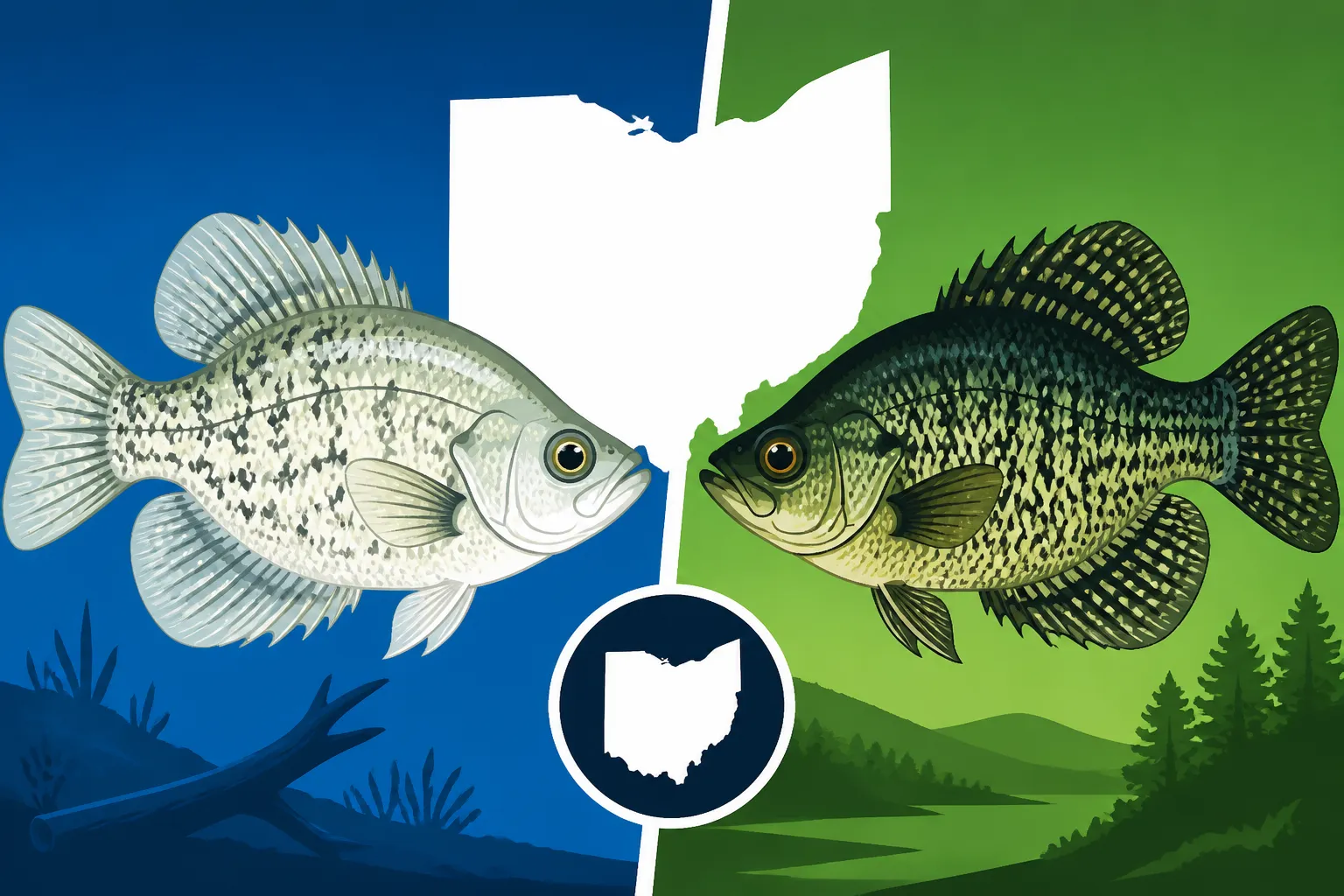
White crappie, as their name suggests, tend to have a lighter overall body coloration. While they do have spots, these spots often appear in a more organized fashion. The most distinct characteristic to look for is the presence of several dark, vertical bars or bands along their sides. These bars might not always be perfectly defined, especially on fish from different environments, but you can usually discern them. Imagine faint tiger stripes running up and down the fish's flank. These markings are less about a scattering of random dots and more about a pattern. The contrast between the darker bars and the lighter body can be quite striking on some specimens, but can also be very subtle on others.
Counting Dorsal Spines: The Definitive ID
If there's one surefire way to tell a white crappie from a black crappie, it's by counting the spines in their dorsal fin. The dorsal fin is the prominent fin located on the fish's back. For white crappie, you'll almost always find exactly five or six hard, sharp spines. These are the stiff, bony rays at the front of the fin, not the softer, segmented rays towards the back. Gently run your finger along the front edge of the dorsal fin, counting each individual spine. It's a quick and reliable method once you get the hang of it, and it removes all doubt when visual cues are ambiguous. Remember to be careful, those spines can be quite sharp! A simple field guide, perhaps one you ordered from Amazon, might show clear diagrams to help with this count.
Mouth and Body Shape Cues
Beyond the spots and spines, white crappie also exhibit some subtle differences in their body and mouth shape. Generally, white crappie have a more elongated, somewhat torpedo-shaped body compared to their black crappie cousins. They tend to be a bit more slender. Look at the length of the fish versus its depth; a white crappie often appears longer for its height. As for their mouth, it tends to be smaller and points slightly upward. If you imagine drawing a vertical line down from the center of its eye, the white crappie's mouth typically wouldn't extend past the front edge of the eye. This smaller, more upturned mouth is a characteristic that can sometimes be observed even from a distance, or at least confirmed easily when you have the fish in hand.
Key Identification Features: Black Crappie
Now, let's shift our focus to the black crappie. While sharing a similar overall shape, they have their own unique set of characteristics that distinguish them from the whites.
Unraveling the Black Crappie's Irregular Spotting
Black crappie tend to have a darker, more mottled, and often speckled appearance. Instead of the distinct vertical bars seen on white crappie, black crappie are covered in numerous, irregularly scattered dark spots. These spots don't form any discernible pattern; they're just spread out seemingly at random across the body, often giving the fish a "peppered" look. This heavy spotting can make the fish appear darker overall, especially when compared side-by-side with a white crappie from the same water body. However, as with all fish, coloration can vary significantly with environment and diet, so some black crappie might appear lighter than others. It's the irregularity of the spots, rather than their density, that's key.
Dorsal Spines: The Black Crappie's Tale
Just like with the white crappie, the most conclusive way to identify a black crappie is by counting the spines in its dorsal fin. While white crappie have five or six, black crappie almost always possess seven or eight hard dorsal spines. This is the consistent, anatomical difference that experienced anglers and fisheries biologists rely on. If you've counted five or six, it's a white. If you've counted seven or eight, it's a black. It's a simple, foolproof method. Practicing this on a few catches will quickly make you an expert identifier. Keep in mind that a sturdy pair of gloves can be handy when handling fish with sharp spines, and you can find many options for these on Amazon.
Body and Mouth Shape Differences
Black crappie tend to have a more rounded, deeper body profile. If you compare a black crappie and a white crappie of similar length, the black crappie will often appear "taller" or deeper from its back to its belly. They have a more compressed, disc-like shape. Their mouth is generally larger and extends further back on their head, often reaching or even exceeding the center of the eye when a vertical line is drawn down from it. This larger mouth can sometimes be an indicator of their slightly different feeding preferences and habits, giving them an advantage when feeding on larger prey items.
Why These Differences Matter for Ohio Anglers
You might be thinking, "A crappie is a crappie, right?" While both species are a blast to catch and delicious to eat, understanding their differences can genuinely enhance your fishing success and knowledge.
Understanding Crappie Behavior and Habitat
Knowing whether you're dealing with white or black crappie can give you huge clues about where to find them and how to catch them. White crappie generally prefer more turbid (murkier) waters and tend to be more tolerant of warmer temperatures. They are often found in open water around submerged brush piles, old creek channels, or drop-offs, sometimes forming large schools. Black crappie, on the other hand, typically prefer clearer, cooler water with abundant submerged vegetation, fallen trees, or thick cover. They are often found tighter to structure. If you're fishing a clear, weedy lake, you might focus your efforts on black crappie, adjusting your tactics to target heavy cover. Conversely, if you're on a vast, slightly stained reservoir, you might look for open-water structures more characteristic of white crappie. This knowledge can really help you pinpoint where to drop your lure. For tips on specific tactics, check out Best Crappie Fishing Techniques in Ohio.
Ohio Regulations and Bag Limits
Currently, the Ohio Department of Natural Resources (ODNR) often lumps both species of crappie together under general crappie regulations. This means that for many bodies of water, the daily bag limits and size restrictions apply to crappie in general, regardless of whether they are white or black. However, knowing the specific species you're catching still enhances your understanding of the local fishery. Fisheries management can change, and in other states, specific limits for each species are not uncommon. Being able to correctly identify your catch means you'll always be prepared for any potential future changes and ensures you're a responsible angler. Always consult the current Ohio Fishing Regulations Every Angler Should Know for the most up-to-date information on limits in your specific fishing area, as rules can vary by water body. Our guide on Crappie and Panfish Daily Limits can also offer general insights.
Improving Your Fishing Strategy
Beyond regulations, identifying crappie species helps you refine your techniques. Since white crappie often roam open water in schools, trolling small crankbaits or spider rigging multiple rods with minnows or jigs can be incredibly effective. For black crappie, which typically hug tighter cover, precision casting with small jigs or soft plastics into brush piles, around docks, or through weed lines might yield better results. You might find specialized crappie fishing kits on Amazon that include baits tailored for different species, although personal experience is always the best teacher. Understanding which crappie species dominates a particular lake or reservoir allows you to choose the right gear and bait for maximum success. For example, if you know you're mainly after black crappie, you might focus on Best Jig Color for Ohio Crappie that works well in clear water, or learn How to Rig a Live Minnow for Crappie specifically for tight cover presentations.
Crappie Identification Comparison
To make it even easier, here's a quick comparison table of the key features:
| Feature | White Crappie | Black Crappie |
|---|---|---|
| Dorsal Spines | 5-6 hard spines | 7-8 hard spines |
| Body Shape | More elongated, slender | More rounded, deeper, disc-like |
| Spotting | Often faint dark vertical bars | Irregular, scattered dark spots |
| Overall Color | Lighter, silvery | Darker, mottled, "peppered" look |
| Mouth Size | Smaller, does not extend past eye | Larger, extends to or past eye |
| Preferred Water | Murkier, warmer, open water | Clearer, cooler, heavy cover/weeds |
Knowing these distinctions can really help you out on the water. For instance, if you're fishing Best Ohio Lakes for Crappie like Indian Lake, where both species thrive, being able to identify your catch can inform your strategy for the rest of the day.
Ultimately, whether you're just starting your angling journey or you're a seasoned pro, the ability to correctly identify a white crappie from a black crappie is a valuable skill. It not only makes you a more informed angler but also deepens your connection to the diverse and wonderful fish populations that call Ohio home. So next time you feel that distinctive tap, tap, tap of a crappie bite, take a moment to examine your catch – you might just learn something new!
Disclaimer
This article is for general informational purposes only and does not constitute professional advice. Laws, prices and regulations vary by location and change over time. Consult a qualified professional for guidance on your specific situation.