Ohio State Record Smallmouth Bass Weight
There's a special kind of thrill that comes with chasing trophy fish, and for many anglers in Ohio, the smallmouth bass holds a particularly esteemed spot. We've all cast a line, felt that distinctive tug, and then, as the fish draws closer, wondered: "Is this the one? Is this a true giant?" The dream of catching an Ohio state record smallmouth bass is a powerful motivator, fueling countless hours on the water. This guide is here to shed light on that pinnacle achievement, explaining the current record, what it takes to catch a fish of that caliber, and how you'd even begin the official process if fortune smiled upon you.
The Elusive Ohio State Record Smallmouth Bass
The quest for a state record is a journey filled with anticipation, skill, and a healthy dose of luck. When it comes to smallmouth bass in Ohio, the bar is set incredibly high, a testament to both the quality of our waters and the anglers who ply them.
What is the Official Ohio State Record Smallmouth Bass Weight?
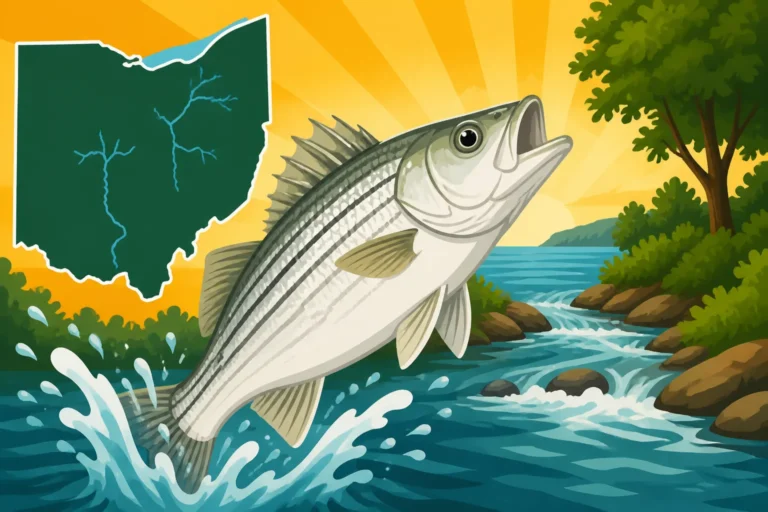
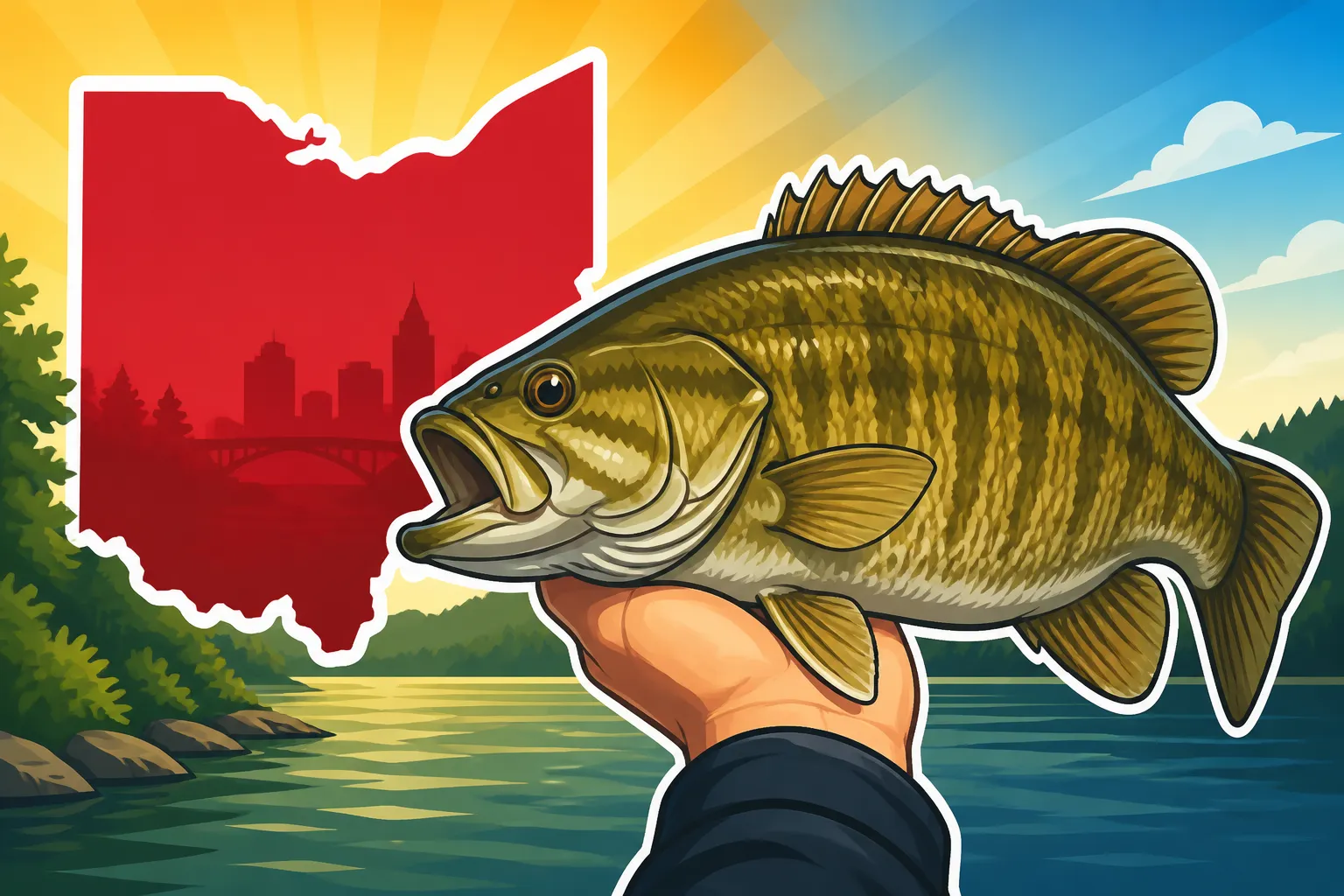
Let's cut right to the chase: the official Ohio state record smallmouth bass stands at a magnificent 9 pounds, 8 ounces. This monumental fish was caught by Randy Van Dam on July 10, 1993, from the legendary waters of Lake Erie. Just imagine the fight, the adrenaline, the sheer disbelief as that colossal bronze warrior broke the surface! It's a weight that has stood for decades, becoming a benchmark against which all other Ohio smallmouth catches are measured. For over thirty years, this record has inspired anglers to push their limits, explore new waters, and hone their techniques, always with the hope of encountering a smallmouth just as impressive. It truly represents the pinnacle of smallmouth bass fishing in our state, a symbol of the incredible potential lurking in Ohio's productive waters.
The Story Behind the Record-Breaking Catch
While specific details about every cast and retrieve that led to Randy Van Dam's record-setting smallmouth are perhaps lost to the mists of time, the mere fact that it came from Lake Erie speaks volumes. Lake Erie is renowned, and rightfully so, as one of the finest smallmouth bass fisheries in the world. Anglers flock to its productive waters, particularly the deeper, rocky structures that smallmouth adore. Van Dam's catch likely involved targeting these prime areas, perhaps using techniques that mimicked the abundant forage found in the lake. The conditions on the lake that day, the choice of bait or lure, the precision of the cast, and the skill to battle a fish of that magnitude are all pieces of the puzzle that culminate in a record. Every serious angler dreams of that moment when a fish strikes, and they realize, mid-fight, that this isn't just another catch—it's something truly special, something that could etch their name into the record books. The sheer pride and excitement of landing such a specimen are almost unfathomable.
How State Records Are Verified
Catching a potential state record is only half the battle; the other half is proving it. The Ohio Department of Natural Resources (ODNR) has a very specific protocol for verifying state records, and for good reason. Imagine the chaos if every angler's "big one" was simply taken at their word! The process is rigorous to ensure fairness and accuracy. First and foremost, the fish must be weighed on a certified scale, typically found at grocery stores, bait shops, or meat markets, that is regularly inspected for accuracy by the state. This isn't just any old bathroom scale; it needs to be an official, calibrated instrument. You'll also need witnesses to the weighing, usually at least two unrelated adults. Proper species identification is crucial, as smallmouth can sometimes be confused with other bass species, especially younger ones. The ODNR often requires a photograph of the fish, sometimes even a fin clip for genetic confirmation, and a completed application form with all the details of the catch, including time, location, and tackle used. Missing any step in this process can, unfortunately, disqualify an otherwise record-breaking catch, making proper procedure just as important as the catch itself. For a broader overview of catching various species, you might want to read our Ohio Fishing License Guide for Residents and Nonresidents.
Understanding Smallmouth Bass Potential in Ohio Waters
Ohio offers diverse habitats for smallmouth bass, from the vast expanse of Lake Erie to countless inland rivers and reservoirs. Understanding what makes these bronze beauties grow to impressive sizes is key for any angler hoping to land a trophy.
Key Factors for Trophy Smallmouth Growth
Trophy smallmouth bass don't just appear out of thin air; they are a product of their environment. Three primary factors contribute to their impressive growth: water quality, a rich forage base, and ideal habitat. Clean, well-oxygenated water with stable temperatures is paramount for healthy fish. Smallmouth thrive in waters that support a diverse ecosystem, which in turn provides them with ample food. Their diet is incredibly varied, but they particularly love crayfish, various minnows, and even smaller panfish. Without a robust food source, a smallmouth simply can't pack on the pounds necessary to reach trophy status. What Smallmouth Bass Eat in Ohio Lakes delves deeper into their dietary preferences.
As for habitat, smallmouth are structure-oriented fish, preferring rocky bottom, gravel beds, submerged logs, and current seams in rivers. These areas provide ambush points for hunting prey and protection from predators. Lakes with deep, clear water and abundant rock piles, like parts of Lake Erie, are natural nurseries for large smallmouth. In rivers, strong current and rocky ledges are prime real estate. Understanding these preferences is vital for locating where the biggest smallmouth might be lurking. Our Smallmouth Bass Habitat Preferences guide offers more detailed insights into their preferred hangouts.
Where Big Smallmouth Bass Live in Ohio
When you think of giant smallmouth in Ohio, one name immediately comes to mind: Lake Erie. It's not an exaggeration to say that Lake Erie is a world-class smallmouth fishery, particularly its Western and Central Basins. The sheer size of the lake, combined with its abundant forage (like gobies and emerald shiners) and vast rocky structure, allows smallmouth to grow to incredible sizes, much like the state record itself. Anglers regularly pull smallmouth weighing 5, 6, and even 7 pounds from its depths. If you're wondering, Does Lake Erie Have Good Smallmouth Bass Fishing?, the answer is a resounding yes!
Beyond Lake Erie, Ohio offers other excellent opportunities. The Ohio River, with its diverse tributary systems and rocky banks, holds impressive smallmouth populations. Many of Ohio's larger reservoirs, particularly those with clear water and ample rock or gravel features, can also produce genuine giants. Lakes like Alum Creek, Caesar Creek, and even parts of the Muskingum River system, while not as famous as Erie for smallmouth, can surprise anglers with very respectable catches. It's often about finding those less pressured spots with prime habitat and a thriving food chain. To maximize your chances, familiarize yourself with our Ohio Smallmouth Bass Fishing Guide.
The Role of Genetics and Environment
While we often hear about "trophy genes" in fish, the reality is that a fish's environment plays an even more significant role in determining its ultimate size. A smallmouth might have the genetic potential to grow huge, but if it lives in a stressed environment with poor water quality, limited food, or intense fishing pressure, it will never reach that potential. Conversely, a fish with average genetics in a perfect environment—abundant food, pristine water, minimal competition—can grow exceptionally large.
Smallmouth bass are also long-lived fish, and age directly correlates with size. A 9-pound smallmouth from Lake Erie isn't a juvenile; it's an old, seasoned veteran of the lake, having survived countless winters, spawning seasons, and encounters with predators (including anglers!). These older, larger fish are crucial for the health of the fishery, as they are often the most successful spawners, passing on their genes to future generations. Understanding this connection between age, environment, and growth underscores the importance of catch-and-release practices for large fish, especially if you're not pursuing a certified record. For context on just how big these fish can get, you might check out How Big Smallmouth Bass Get on Lake Erie.
Chasing Your Own Ohio Trophy Smallmouth
The dream of catching a record-breaking smallmouth bass is powerful, but even landing a personal best is an incredible achievement. The thrill is in the chase, the strategy, and the moment that big fish commits to your offering.
Strategies for Targeting Big Smallmouth
Targeting truly large smallmouth bass requires a bit more finesse and specific strategy than simply catching any smallmouth. These older, wiser fish are often more solitary and prefer deeper, more isolated structures. In Lake Erie, this means focusing on deep rock piles, humps, and ledges, often several miles offshore. Techniques like deep-water jigging with tube baits, drop-shotting, and slowly working crankbaits or swimbaits along the bottom are highly effective. For river smallmouth, focus on current breaks behind large boulders, deep pools below rapids, and undercut banks.
Seasonal patterns are also critical. In spring, as water temperatures rise, big smallmouth will move shallower to spawn, making them more accessible. During summer, they often retreat to deeper, cooler water. Fall can be a fantastic time to target them as they feed aggressively before winter. Matching your lure presentation to the available forage, whether it's crayfish, minnows, or gobies, can be a game-changer. For a detailed look at techniques, our Best Techniques for Ohio Smallmouth Bass article is an excellent resource. Remember, patience is a virtue, and sometimes the biggest fish require the most subtle presentations.
Essential Gear for Record-Contending Catches
You don't want to lose the fish of a lifetime because of inadequate gear. When targeting potential record-breakers, investing in reliable, robust tackle is non-negotiable. A medium-heavy to heavy power spinning or casting rod, typically 6'6" to 7'6" in length, will provide the leverage needed for strong hooksets and battling powerful fish. Pair this with a high-quality reel spooled with strong, abrasion-resistant line—braid with a fluorocarbon leader is a popular choice for its sensitivity and strength.
Beyond the rod and reel, other tools are essential. A large, rubberized landing net is critical for safely subduing and handling a big smallmouth, minimizing harm to the fish and preventing hooks from tangling. If you suspect you've caught a potential record, having a reliable, certified scale on hand (or knowing where the nearest one is) is paramount. Many anglers purchase certified digital scales for their boats; you can often find highly-rated, accurate options on platforms like Amazon. Additionally, a measuring board or tape is crucial for accurate length measurements, which are often required for record applications or simply for bragging rights. Having the right tools ensures that if you hook that monster, you're prepared for every step, from the fight to the official documentation. And for a more general guide on what tackle to consider, check out our Best Ohio Fishing Gear and Tackle Guide.
Documenting and Releasing a Potential Record
Catching a truly massive smallmouth brings a unique set of responsibilities, especially if you're thinking about a record. While the urge to immediately confirm a new state record is strong, the health of the fish should always be a top priority. If you believe you have a record-contending fish, act quickly and efficiently. Have a camera ready for clear, well-lit photos that show the fish from multiple angles, ideally with a measuring device in the frame. These photos are not just for your scrapbook; they are vital for identification and verification.
Measure the fish's length and girth accurately, making a note of these details. If you plan to release the fish (which is highly encouraged for these valuable breeding specimens), minimize its time out of water. Keep it in a livewell or a large net in the water until all measurements and photos are taken. Large smallmouth bass are often powerful and can be difficult to handle, so practicing proper fish handling techniques is crucial. While our guide Best Way to Handle and Release an Ohio Muskie focuses on muskies, many of the principles for quickly and safely handling and reviving large fish apply equally to trophy smallmouth, ensuring they swim off strong to fight another day and contribute to future generations.
The Path to Official Recognition
Let's face it, the chances of catching a new state record are slim, but that's what makes the dream so exciting! If you do find yourself with a potential record on your hands, knowing the official steps is crucial to turn that incredible catch into a recognized achievement.
Steps to Certify a State Record Fish
The Ohio Department of Natural Resources (ODNR) maintains the official records for all fish species caught in the state. To certify a state record, you must follow their specific guidelines to the letter. First, immediately contact the nearest ODNR Division of Wildlife district office or a wildlife officer. They can provide you with the most current application forms and specific instructions. Next, the fish must be weighed on a certified scale. This means a scale that is regularly inspected and sealed by the Ohio Department of Agriculture or a similar regulatory body, often found at post offices, butcher shops, or some bait and tackle stores.
Crucially, the weighing must be witnessed by at least two people over the age of 18 who are not related to the angler. These witnesses will need to sign affidavits confirming the weight. The species of fish must be positively identified. If there's any doubt, a wildlife biologist or a knowledgeable ODNR representative will need to verify it. You'll also need clear, high-quality photographs of the fish, showing its full length, and sometimes specific features for identification. Finally, you'll complete the official state record fish application form, providing all details of the catch, including date, time, location, lure/bait used, and specific tackle. The more diligently you follow these steps, the smoother the verification process will be. For details on all current state records, you can check out Ohio State Record Fish by Species.
Common Pitfalls and How to Avoid Them
Even seasoned anglers can make mistakes when the excitement of a potential record takes over. Being prepared and aware of common pitfalls can save you from heartbreak. The most frequent issue is using an uncertified scale. Your personal digital scale at home, while convenient, won't cut it unless it's been officially certified. Always know where your nearest certified scales are located before you even go fishing. Another common problem is improper species identification. While a smallmouth bass is fairly distinct, a stressed or unusually colored fish might cause confusion, so a professional opinion is always best.
Lack of witnesses is another significant hurdle. Don't weigh the fish alone; ensure you have those two unrelated adults present for verification. Delays in weighing can also be problematic; the fish needs to be weighed as soon as possible after the catch, especially if it's being kept, as fish can lose weight over time. If the fish is deceased, proper preservation (e.g., on ice) is vital to maintain its weight and condition until it can be officially processed. Preparing for these contingencies by having a plan in place, even if you never need it, is the mark of a truly dedicated angler.
The Difference Between a Personal Best and a State Record
While the state record is the ultimate benchmark, it's essential to recognize and celebrate personal achievements. Catching your personal best smallmouth bass, whether it's 3 pounds or 7 pounds, is a monumental feat that should be cherished. That feeling of battling a fish bigger than any you've caught before, the bend in the rod, the powerful runs—that's what keeps us coming back to the water. A personal best is a testament to your growing skill, perseverance, and knowledge of the waters you fish.
The pursuit of a state record can be an inspiring goal, but it shouldn't overshadow the joy of the journey itself. Most anglers will never catch a state record, and that's perfectly fine. The memories forged on the water, the lessons learned, the beautiful fish encountered, and the shared experiences with friends and family are often far more valuable than any official title. Celebrate every great catch, because each one tells a story and contributes to your lifelong passion for Ohio fishing.
Disclaimer
This article is for general informational purposes only and does not constitute professional advice. Laws, prices and regulations vary by location and change over time. Consult a qualified professional for guidance on your specific situation.