Ohio State Record Channel Catfish Weight
Many of us head to the water with a simple goal: enjoy the peace, maybe catch a few fish for dinner. But deep down, there's often a little spark, a whisper of a dream about hooking into something truly monstrous, a fish that breaks personal bests or even sets a new state record. For Ohio anglers, the channel catfish presents just such an opportunity, and chasing those leviathans can be an obsession. If you've ever wondered just how big Ohio's biggest channel cat got, and what it takes to land a true trophy, you're in the right place. This guide will dive deep into the legendary Ohio state record for channel catfish, exploring the stories, the fish, and the strategies behind such an incredible catch.
The Legend of Ohio's State Record Channel Catfish
The idea of setting a state record often feels like a distant dream, reserved for professional anglers or those with a lifetime of experience. Yet, every single record started with an ordinary person making an extraordinary catch. The Ohio state record for channel catfish stands as a testament to the potential lurking in our waters, a massive fish that rewrote the record books. It wasn't just a big cat; it was a behemoth that truly captured the imagination of the Ohio fishing community, solidifying its place in angling lore. Anglers often spend years, even decades, hoping for that one special day when everything aligns – the right bait, the right spot, and the fish of a lifetime on the end of their line.
The Record-Breaking Catch
When we talk about the state record channel catfish in Ohio, we're talking about a fish that absolutely dwarfs the average catch. Picture this: most channel cats you pull in for dinner might be a few pounds, maybe ten if you're lucky. Now, imagine a fish many times that size, a true river monster. This kind of catch requires not just skill, but immense patience and a fair bit of luck. It's the kind of story that gets recounted for years around campfires and bait shops, inspiring countless others to cast their lines in pursuit of their own giants.
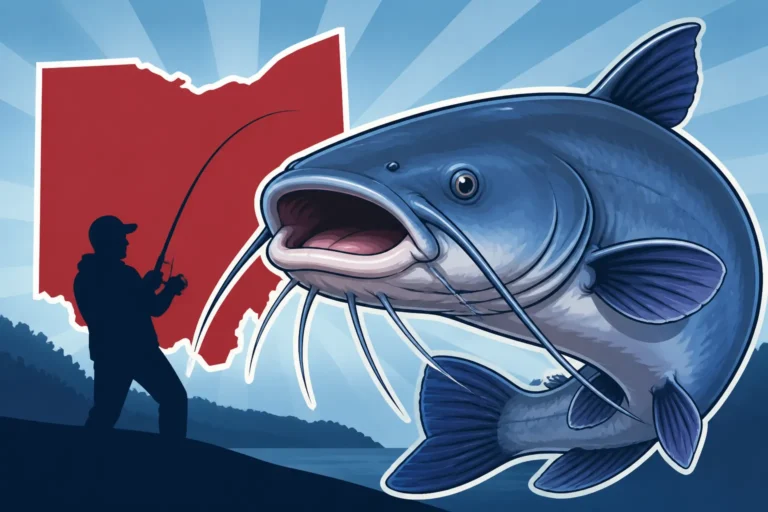
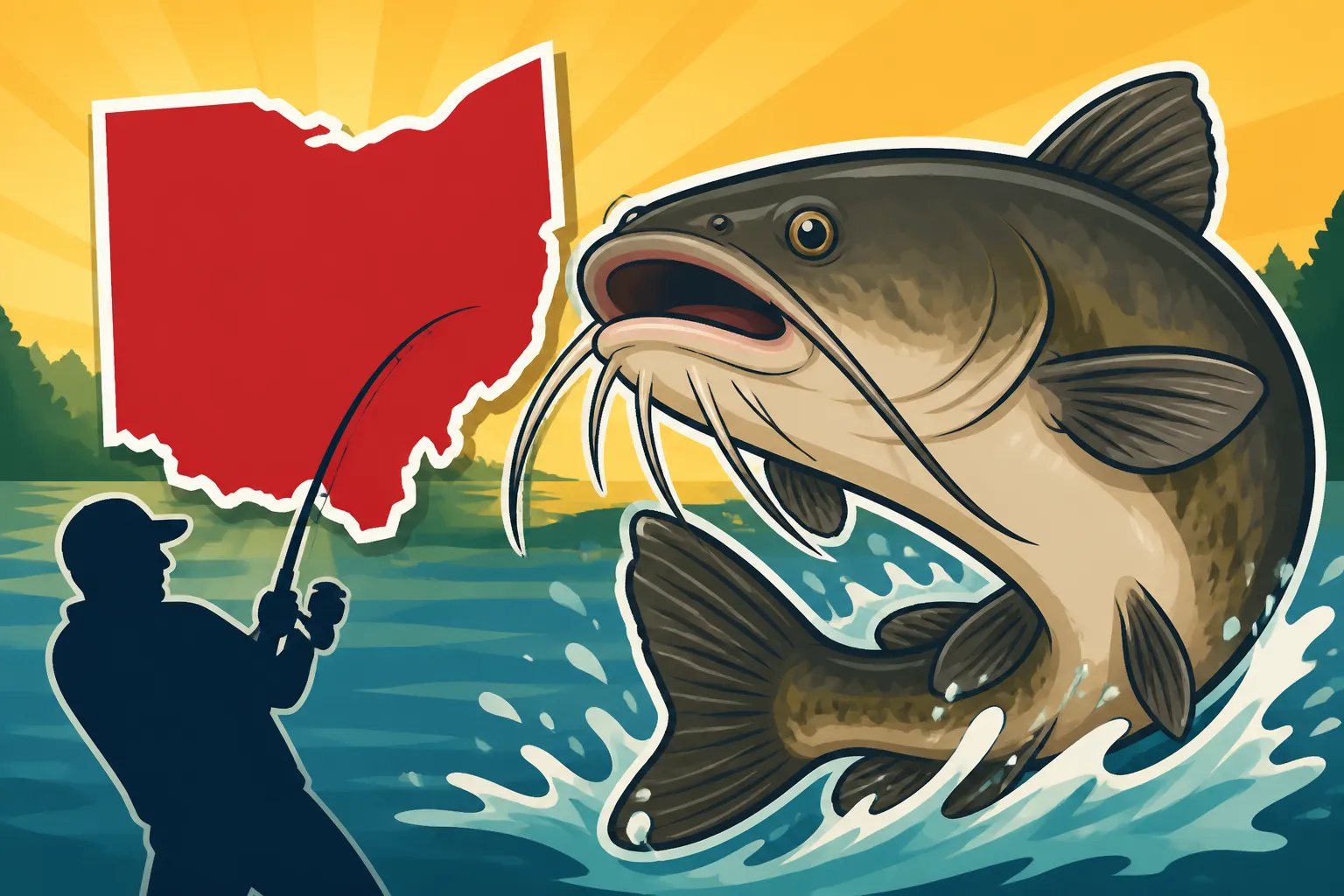
The official Ohio state record for channel catfish weighs in at a staggering 37.65 pounds. This monumental fish was caught in the Ohio River, a waterway renowned for its robust catfish populations and the potential for truly massive specimens. It’s important to note that state records are often verified through very specific processes, usually involving certified scales and expert identification, ensuring that every ounce counts and the species is correctly identified. This careful documentation makes the record official and gives every angler a clear target to aim for if they dream of seeing their name in the record books.
This incredible fish wasn't just a fluke; it's a testament to the productive waters we have in Ohio. The Ohio River, in particular, has a rich ecosystem that supports an impressive array of fish species, and its depths are known to hold some truly massive catfish. This record sets a high bar and proves that if you put in the time and effort, you might just hook into something that makes headlines.
The Significance of a State Record
A state record isn't just a number; it's a benchmark, a challenge, and a symbol of what's possible in Ohio's waters. For many anglers, seeing that specific weight—37.65 pounds—becomes a personal goal, even if they never quite reach it. It pushes people to explore new techniques, visit different fishing spots, and spend more time on the water, all in the hopes of encountering such an impressive specimen. It validates the health and productivity of our rivers and lakes, showing that even common species like channel catfish can grow to incredible sizes.
Beyond the personal quest, a state record provides valuable data for wildlife management. It helps biologists understand the maximum growth potential of a species within a given ecosystem, which can influence stocking programs, size limits, and overall conservation efforts. The fact that such a large channel catfish thrives in the Ohio River speaks volumes about the quality of that fishery and its ability to support top-tier predators. It also brings attention to the river as a premier destination for Ohio River Fishing Guide and other catfishing enthusiasts.
For the angler who achieves such a feat, it's often the culmination of years of dedication. It's not just about the moment the fish is landed, but all the hours spent studying patterns, experimenting with baits, and battling other big fish that didn't quite make the cut. The angler who caught the 37.65-pound channel catfish certainly earned their place in Ohio fishing history, forever linked to that magnificent creature and the legendary waters it called home. It's a reminder that sometimes, the biggest rewards come to those who patiently put in the effort, constantly refining their approach.
Understanding Trophy Channel Catfish in Ohio
If you're dreaming of landing a channel catfish anywhere near that 37.65-pound record, you need to understand where these giants live and what makes them tick. You can't just expect to stumble upon a record-breaker in any old pond. These fish are creatures of specific habits and environments, and learning their preferences is the first step toward targeting them successfully.
Key Habitats for Giant Channel Cats
If you're dreaming of landing a channel catfish anywhere near that 37.65-pound record, you need to understand where these giants live. It's not usually the same shallow, easily accessible spots where you might catch smaller cats. Trophy channel catfish seek out deeper, more complex habitats offering ample food and cover. Think about large rivers like the Ohio River, the Muskingum, or the Scioto. These waterways have vast stretches of deep channels, intricate current breaks, submerged timber, and deep holes that provide perfect ambush points for big, hungry catfish.
Reservoirs and larger lakes also hold immense channel catfish. Lakes such as Hoover Reservoir, Alum Creek Lake, and Mosquito Creek Lake, known for their abundant forage and diverse structure, can produce some real monsters. In these environments, look for areas around old creek beds, submerged islands, significant depth changes, or dense woody cover. These spots provide both sanctuary from predators and a steady supply of food, allowing channel cats to grow old and large. They prefer structure that breaks the current and offers a comfortable holding spot, conserving energy while waiting for prey.
Furthermore, trophy channel cats are often found near significant forage bases. This means areas where shad, carp, or other smaller fish congregate. River bends with scour holes, areas below dams, or tributary mouths where nutrients wash in are prime locations. Learning to "read the water" and identify these structural features, whether with a fish finder or just by observation, is crucial. For anglers looking to upgrade their fishing electronics, Amazon offers a wide selection of advanced fish finders that can reveal these hidden hotspots, giving you an edge in the search for giants.
What Fuels Their Massive Growth
Reaching 37.65 pounds doesn't happen overnight for a channel catfish; it's a journey fueled by consistent access to rich food sources and favorable environmental conditions. Channel cats are opportunistic omnivores, meaning they'll eat just about anything, but for truly rapid and sustained growth, they need an abundance of high-protein forage. This includes a diverse diet of smaller fish like shad, minnows, and even juvenile carp, as well as crayfish, mussels, and larger invertebrates. The richer the food supply in a particular body of water, the greater the potential for fish to reach exceptional sizes.
Water quality and temperature also play a critical role. Stable water temperatures allow for more consistent feeding and metabolism, reducing stress on the fish. Clean, oxygen-rich water ensures healthy growth and robust populations. A long growing season, typical in many Ohio waters, gives these fish more time to pack on the pounds throughout the year. The longevity of channel catfish is also a factor; a fish needs to survive many seasons to reach such a monumental size, indicating a healthy ecosystem with minimal fishing pressure on the largest individuals.
Beyond the biological factors, the specific genetics of a fish can contribute to its ultimate size. While we can't control genetics, we can focus on fishing in waters known for producing large catfish. The Ohio River, for instance, has a reputation for producing numerous large catfish, not just the state record, which suggests a thriving ecosystem with prime conditions for growth. For those serious about targeting these giants, understanding Ohio Channel Catfish Identification and their feeding habits is absolutely key to success. You might also be interested in other record-breaking catches, such as the Ohio State Record Flathead Catfish Weight or the Ohio State Record Blue Catfish Weight, which often come from similar environments.
Strategies for Chasing Ohio's Biggest Channel Catfish
So, you're ready to put in the work and chase that dream of a record-breaking channel cat? That's the spirit! But just like any serious endeavor, catching a true trophy requires more than just good intentions. It demands the right tools, the right techniques, and a keen understanding of when and where to deploy them.
The Right Gear for the Fight
You wouldn't bring a butter knife to a sword fight, and you certainly shouldn't bring ultralight tackle when you're targeting a potential state record channel catfish. These fish are incredibly powerful, especially in strong currents like those found in the Ohio River. You need heavy-duty rods with a strong backbone, capable of absorbing powerful runs and lifting substantial weight. Paired with this, a robust reel with a smooth, reliable drag system is non-negotiable. A drag that sticks or is uneven will quickly lead to a broken line and a lost fish, a frustrating experience we all want to avoid.
Line choice is equally critical. Many trophy catfish anglers opt for braided line due to its incredible strength-to-diameter ratio and lack of stretch, which provides excellent sensitivity. However, a fluorocarbon or monofilament leader can be beneficial, especially in clearer water or when fishing around abrasive structures like rocks or submerged timber. Your hooks need to be strong and sharp; thin, flimsy hooks will straighten out under the immense pressure of a battling giant. Circle hooks are a popular choice as they are designed to hook fish in the corner of the mouth, minimizing harm and making release easier while providing a secure hold.
Don't forget the accessories. A sturdy rod holder to keep your rods secure while you wait, a powerful headlamp for night fishing, and a heavy-duty landing net or a large lip gripper are essential. Trying to hoist a 30+ pound catfish into a boat or onto the bank with inadequate tools is a recipe for disaster, potentially harming both you and the fish. You can find a wide array of reliable catfish-specific gear, from heavy-action rods to durable nets, readily available on Amazon. Remember to check How Many Fishing Lines You Can Use in Ohio before setting up multiple rods to ensure compliance with local regulations.
Best Baits and Rigging for Trophy Cats
While channel catfish are known for eating just about anything, when you're targeting truly enormous ones, you need to be strategic with your bait. Forget the small worms or tiny pieces of hot dog; big cats want big meals. Cut bait is king for large channel catfish. Freshly cut shad, skipjack herring, or even carp fillets are incredibly effective due to their strong scent trail that disperses in the water, attracting catfish from a distance. The fresher the better!
Live baits can also be deadly. Smaller bluegill, sunfish, or large shiners, when legal and appropriately sized, can entice a wary monster. The erratic movement of live bait can be irresistible to a predatory channel cat looking for an easy meal. Stink baits and prepared baits can work for smaller to medium channel cats, but for true trophies, natural, fresh, and large baits generally outperform. Always check Ohio Fishing Regulations Every Angler Should Know to ensure your bait choices are legal in the waters you're fishing. For more detailed insights, check out our guide on Best Baits for Ohio Catfish.
Rigging is just as important as the bait itself. A simple but strong Carolina rig or a three-way swivel rig are popular choices, allowing the bait to sit on the bottom where these big cats often feed. Use an appropriately heavy sinker to hold your bait in place, especially in current. For optimal presentation and to reduce tangles, many anglers pre-tie their leaders with their preferred hooks and swivel connections before heading out. This saves valuable time on the water and ensures consistent, effective presentations, letting you focus on the fishing rather than fumbling with knots.
Prime Times and Locations for Record Breakers
Timing is everything when it comes to trophy channel catfishing. While they can be caught year-round, certain seasons and times of day offer significantly better odds for big fish. Summer nights are legendary for giant catfish. As the sun sets, big cats become more active, moving into shallower feeding areas to hunt. The cooler water temperatures and reduced boat traffic make them bolder and more willing to strike. Fishing into the late hours, often from dusk until dawn, can dramatically increase your chances of connecting with a monster.
Specific locations within known catfish waters are also crucial. On the Ohio River, focus on the deeper holes, scour channels below dams, and the mouths of tributaries where currents converge and funnel food. Around Columbus, Hoover Reservoir and Alum Creek Lake offer fantastic opportunities, particularly in deep timbered areas or old river channels. Learning to identify these structures, whether visually or with a good sonar unit, is a key skill. Don't be afraid to move around until you find where the fish are holding, as they can shift locations based on current, temperature, and forage availability.
Many successful trophy catfish anglers also pay close attention to lunar cycles and barometric pressure, believing these factors influence fish activity. While not an exact science, some swear by fishing during new or full moon phases, or just before a significant weather front moves in. Regardless of your belief in these subtle influences, consistently putting in time on the water with the right gear and bait in high-percentage areas during peak feeding times will undoubtedly increase your odds of a memorable, potentially record-breaking, catch. Always be mindful of Ohio Catfish Daily Bag Limit when planning your fishing trips. If you're looking for more comprehensive information, our Ohio Channel Catfish Fishing Guide has even more tips and tricks.
Here's a quick comparison of what to expect from an average catch versus a potential state record channel catfish:
| Feature | Average Channel Catfish (Common Catch) | Trophy Channel Catfish (Record Potential) |
|---|---|---|
| Weight Range | 1-10 lbs | 15+ lbs (up to 37.65 lbs state record) |
| Length Range | 12-24 inches | 30+ inches (often exceeding 40 inches) |
| Typical Habitat | Variety of waters, shallower areas | Deeper channels, complex structure |
| Primary Diet | Worms, insects, smaller fish, scraps | Large cut bait, live bait, large forage |
| Preferred Time | Day or night | Primarily night, low light conditions |
| Recommended Gear | Medium action rod, 10-15 lb test mono | Heavy action rod, 20-50 lb braid, sturdy reel (found on Amazon) |
| Fighting Style | Strong pull, sometimes jumps | Powerful, sustained runs, deep dives |
| Age | 3-8 years | 15+ years (can exceed 20 years) |
Disclaimer
This article is for general informational purposes only and does not constitute professional advice. Laws, prices and regulations vary by location and change over time. Consult a qualified professional for guidance on your specific situation.