Ohio Channel Catfish Identification
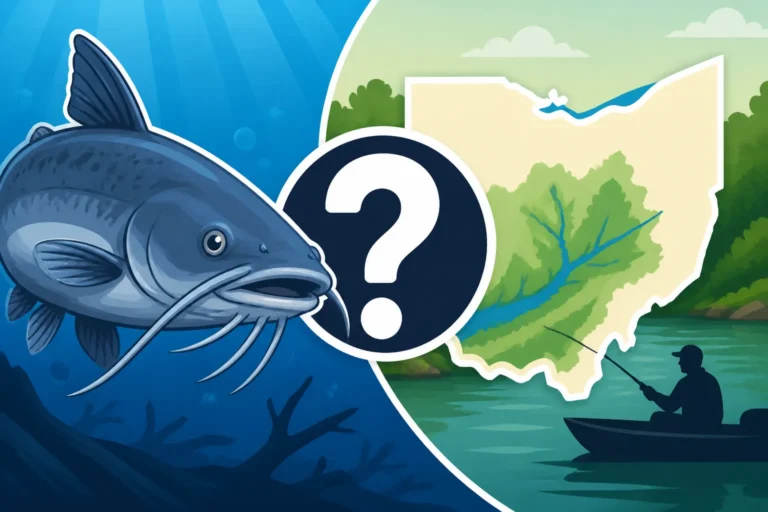
It's incredibly frustrating when you're out on the water, reeling in a fantastic fish, only to stare at it and wonder, "What exactly did I just catch?" This is a common conundrum for many Ohio anglers, especially when it comes to the diverse world of catfish. Distinguishing between a Channel Catfish and its close relatives can be tricky, leading to confusion about regulations and even table fare. This comprehensive guide is here to unravel that mystery, helping you confidently identify Ohio Channel Catfish so you can fish smarter and enjoy your time on the water even more.
What Makes a Channel Catfish Unique?
Channel Catfish, often affectionately called "channels," are one of Ohio's most popular sportfish, and for good reason. They're widespread, feisty, and make for excellent eating. But beyond their popularity, they possess a distinct set of features that set them apart. Understanding these foundational characteristics is your first step to becoming a catfish identification expert.
General Appearance and Body Shape
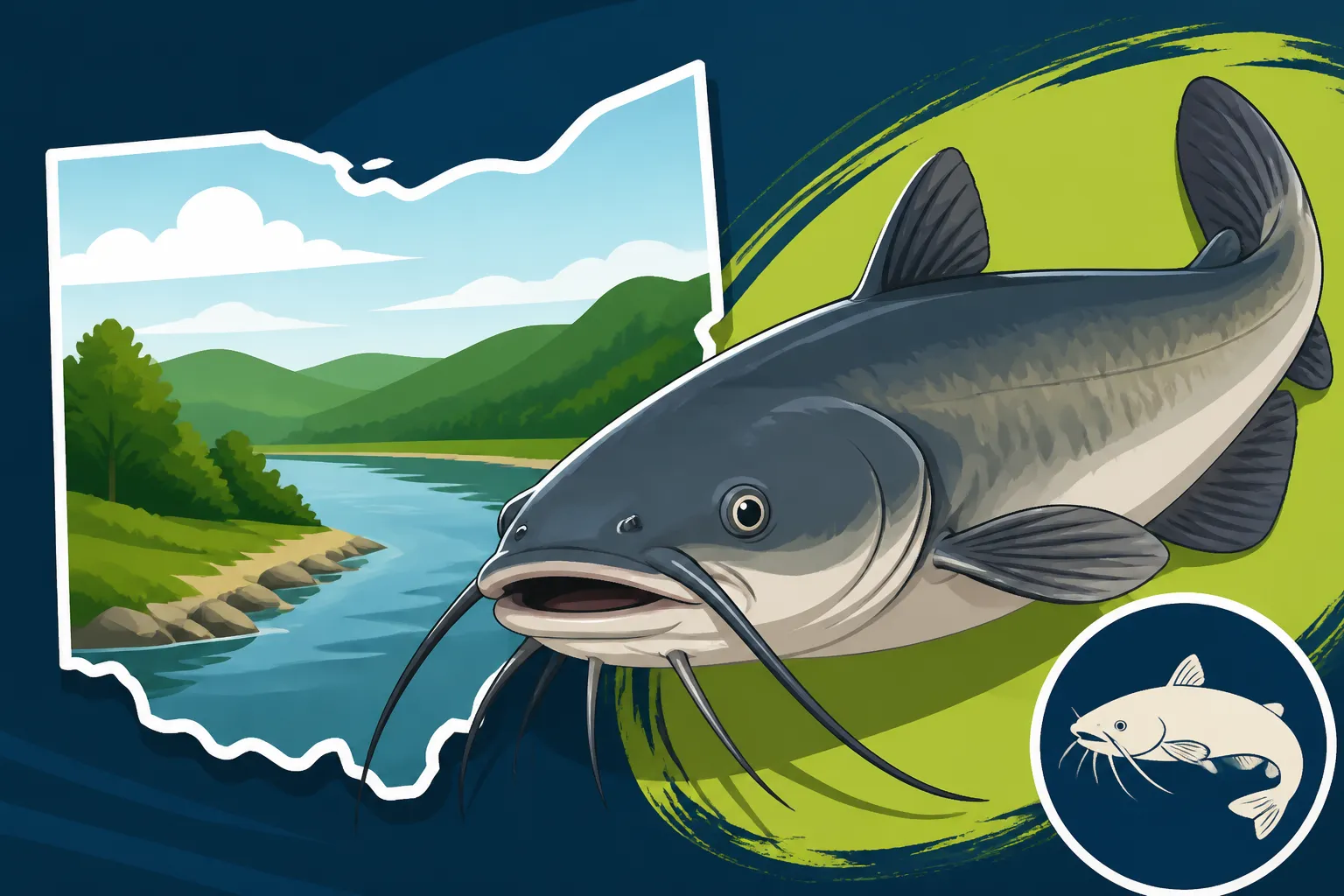
When you first land a Channel Catfish, you'll notice its sleek, elongated body. It's not as squat or stout as some of its relatives. Instead, it has a more streamlined, almost torpedo-like shape, designed for moving efficiently through the water. This body plan allows them to navigate both open water and tighter river bends, pursuing prey with surprising agility for a catfish. Their skin is smooth and scale-less, a common trait among many catfish species, but their overall contour is quite specific. Think of a fish built for speed, rather than brute force, and you're picturing a Channel Cat.
They tend to have a somewhat pointed head, tapering smoothly into their body. This contrasts with the broader, flatter heads you might see on other catfish species. The dorsal fin, located on their back, is relatively tall and distinct, often with a sharp spine that anglers need to be mindful of. Similarly, their pectoral fins, on either side behind the gills, also feature a sturdy spine. This combination of a slender body and prominent fins contributes to their athletic profile.
The Distinctive Forked Tail Fin
Perhaps the most defining feature of the Channel Catfish, and the easiest to spot, is its deeply forked tail, or caudal fin. This isn't just a slight indentation; it's a prominent, V-shaped notch that makes their tail look like two distinct lobes. This characteristic is so reliable that it often gives them their common name.
Imagine holding the fish and looking directly at its tail. If it looks like a perfect "V" has been cut out of it, almost like a swallow's tail, you're almost certainly holding a Channel Catfish. This sharp, concave shape is a dead giveaway and instantly differentiates them from species like the Flathead Catfish or various bullheads, which possess tails that are either squared off or only slightly notched. The deeper the fork, the more confident you can be in your identification. This feature is particularly useful when you're trying to make a quick ID while still on the water.
Spotting Key Physical Characteristics
Beyond the general shape and tail, Channel Catfish have several other physical markers that are crucial for accurate identification. These finer details can help confirm your initial assessment and prevent misidentification. Pay close attention to these traits, as they often provide the subtle clues you need.
Spot Patterns and Body Coloration
One of the most variable, yet often present, characteristics of a Channel Catfish is its spot pattern. Many, but not all, Channel Cats will have small, dark spots scattered along their flanks. These spots are usually more pronounced on younger fish and can fade significantly or even disappear entirely as the fish ages, especially on larger, older individuals. So, while their presence is a strong indicator, their absence doesn't necessarily rule out a Channel Cat.
The overall body color can also vary widely depending on the fish's habitat, water clarity, and diet. Typically, Channel Catfish range from an olive-brown to a bluish-gray on their back, fading to silvery sides and a white belly. In clearer water with sandy bottoms, they might appear lighter, almost a pale gray. In murkier, muddy rivers or ponds, they can be much darker, almost blackish on the back. Think of it like a chameleon – they adapt to their surroundings. Keep in mind that coloration alone is never a definitive identifier, but when combined with other traits, it adds to the overall picture.
Whisker Wisdom (Barbels)
Like all catfish, Channel Cats possess prominent barbels, or "whiskers," around their mouth. These barbels are sensory organs, packed with taste buds, that help the fish locate food in dark or murky water. Channel Catfish typically have eight barbels: two on their chin, two under each corner of their mouth, and two longer ones extending from above their mouth.
The key identification point here lies in the color of these barbels and their relative length compared to other catfish species. Channel Catfish barbels are usually dark, often matching the color of their back or sides. They are not as long or fleshy as those found on some other catfish species, particularly the Flathead Catfish. Observing the number, placement, and color of these barbels can provide additional confirmation when trying to distinguish between different species. While all catfish have barbels, the specific presentation of the Channel Catfish's set is part of its unique signature.
Mouth and Eye Placement
The mouth of a Channel Catfish is terminal, meaning it's located at the very front of the head, rather than being underslung or protruding. It's a fairly wide mouth, adapted for sucking up food from the bottom or gulping down prey. If you look at their head profile, you'll see a relatively narrow gap between the upper and lower jaw compared to some other catfish species.
Their eyes are moderately sized and positioned on the sides of their head. They're not excessively large like those of some deep-water species, nor are they tiny. Their placement allows for good peripheral vision, which is useful for navigating and detecting prey in varying light conditions. The combination of a terminal mouth and side-set eyes contributes to the classic "catfish look" that many anglers are familiar with, but observing these features can help solidify your identification when comparing them to other species that might have more distinctive mouth or eye characteristics.
Distinguishing Channel Cats from Look-alikes
One of the biggest challenges for anglers is differentiating Channel Catfish from other popular catfish species that share Ohio's waters. It's easy to get them mixed up, especially if you're new to catfish fishing. Knowing the subtle but important differences can save you from misidentifying your catch, which is crucial for adhering to local regulations, particularly concerning Ohio Fishing Regulations Every Angler Should Know and Catfish Regulations by Species.
Channel Catfish vs. Blue Catfish
Blue Catfish are often confused with Channel Catfish, and for good reason – they share a similar body shape and the iconic forked tail. However, there are a few key distinctions. Blue Catfish tend to grow much larger than Channel Cats, often reaching immense sizes, while Channel Cats typically top out at a more modest weight, though still offering a fantastic fight. The largest blue catfish will dwarf even the biggest channel catfish.
The most reliable visual difference, beyond size, is the anal fin. The anal fin is located on the underside of the fish, behind the vent. Channel Catfish have a rounded anal fin with 24-29 rays. Blue Catfish, on the other hand, have a much straighter-edged anal fin that appears longer, with 30-36 rays. If you can count the rays, or at least observe the shape, you'll have your answer. Blue Cats also generally lack the dark spots that are often present on Channel Cats. Their overall coloration is usually a steely blue or gray, without the greenish or olive tones sometimes seen on channels. Ohio Blue Catfish Identification provides a deeper dive into this specific species.
Channel Catfish vs. Flathead Catfish
Flathead Catfish are another common Ohio species, but they are much easier to distinguish from Channel Cats. Their name says it all: Flatheads have a distinctly wide, flat head, almost like it's been squashed down. This is a stark contrast to the more rounded, tapering head of a Channel Catfish.
Beyond the head shape, the tail is another dead giveaway. While Channel Cats have that deeply forked tail, Flatheads have a tail that is squared off or only very slightly notched – it definitely doesn't have the prominent V-shape. Their body coloration is also different, usually mottled brown and yellow, giving them a camouflaged appearance perfect for lurking in woody cover. Their lower jaw protrudes beyond the upper jaw, another feature not seen in Channel Cats. And unlike the small spots of a Channel Cat, Flatheads typically have large, blotchy patterns. You can learn more about them in Ohio Flathead Catfish Identification.
Channel Catfish vs. Bullhead Catfish
Bullheads are smaller relatives of Channel Catfish and are often found in similar habitats, especially smaller ponds and slow-moving streams. The primary difference is size and tail shape. Bullheads are much smaller, rarely exceeding a few pounds, whereas Channel Cats can grow considerably larger.
Their tails are also different. Bullheads have a tail that is either square or only slightly notched, never deeply forked like a Channel Cat. Additionally, bullheads generally have a stouter, more compressed body shape compared to the Channel Cat's sleek form. Their barbels are also often darker, sometimes even black, and their skin color can range from black to brown to yellow, depending on the species of bullhead. While Channel Cats can have spots, bullheads generally do not.
Here’s a quick comparison table to help you keep them straight:
| Feature | Channel Catfish | Blue Catfish | Flathead Catfish | Bullhead Catfish |
|---|---|---|---|---|
| Tail Fin | Deeply forked (V-shaped) | Deeply forked (V-shaped) | Square or slightly notched | Square or slightly notched |
| Head Shape | Tapered, rounded | Tapered, rounded | Broad, flattened | Rounded, slightly compressed |
| Spots | Small, dark spots (often on younger fish) | Generally absent | Mottled, blotchy patterns | Generally absent |
| Anal Fin Rays | 24-29 rays, rounded edge | 30-36 rays, straight edge | 14-17 rays, rounded edge | 17-27 rays, rounded edge |
| Lower Jaw | Even with upper jaw | Even with upper jaw | Protrudes beyond upper jaw | Even with upper jaw |
| Typical Size | 2-10 lbs (can be larger) | Often 20-100+ lbs | Often 10-50+ lbs | Under 5 lbs |
Habitat and Behavior Clues
Knowing where Channel Catfish live and how they behave can also offer crucial clues to their identity. While physical features are the gold standard for identification, understanding their environment can help you anticipate what you might hook into before you even see it. This is especially helpful when you're exploring new fishing grounds in Ohio.
Preferred Habitats in Ohio Waters
Channel Catfish are incredibly adaptable and can be found in a wide variety of Ohio's waterways. They thrive in larger rivers, reservoirs, and even many smaller lakes and ponds. You'll often find them in areas with moderate to slow current in rivers, congregating in deeper holes, around submerged logs, rock piles, or undercut banks. These areas provide cover and ambush points for feeding. In lakes and reservoirs, they prefer areas near drop-offs, humps, or structures like old roadbeds or submerged timber.
They are less picky about water clarity than some other species, often doing quite well in turbid or slightly muddy waters where their keen sense of smell and barbels give them an advantage. This widespread distribution means that if you're fishing almost any decent-sized body of water in Ohio, there's a good chance you'll encounter a Channel Cat. Understanding these habitat preferences helps narrow down the possibilities when you're targeting specific species or trying to identify an unknown catch. For more detail on where to find them, check out the Ohio Channel Catfish Fishing Guide.
Feeding Habits and Activity Patterns
Channel Catfish are opportunistic feeders, meaning they'll eat just about anything they can get their mouths on. Their diet includes insects, crustaceans, smaller fish, and even plant matter or decaying organic material. This diverse diet is why they respond to such a wide array of baits, from traditional stink baits and cut bait to worms, chicken livers, and even hot dogs. This versatility in feeding makes them a fun species to target for anglers of all skill levels. If you're looking for Best Baits for Ohio Catfish, you'll find plenty of options.
They are most active during low-light conditions, particularly at dawn, dusk, and throughout the night. Their excellent sense of smell and touch allows them to forage effectively even in complete darkness or very murky water. This nocturnal activity is why night fishing for Channel Cats can be incredibly productive and exciting. If you're consistently catching fish during these twilight and nighttime hours, especially on bait fished near the bottom, it's a strong hint that you're probably dealing with Channel Catfish. For tips on angling in the dark, consider Best Techniques for Catching Channel Catfish at Night and Catfish Feeding Patterns at Night.
Age, Size, and Ohio Records
Understanding the typical growth patterns and potential sizes of Channel Catfish in Ohio can also be an indirect form of identification. While you can't identify a species based solely on size, knowing what to expect can help you gauge if your catch fits the profile of a Channel Cat.
Typical Size and Growth in Ohio
Channel Catfish in Ohio typically reach catchable sizes within a few years. A common size for an angler to catch might be anywhere from 1 to 5 pounds, with many fish in the 15 to 25-inch range. However, they are capable of growing much larger, especially in nutrient-rich environments like Lake Erie or the Ohio River. Fish exceeding 10 pounds are not uncommon, and trophy-sized Channel Cats can push well over 20 pounds.
Their growth rate is influenced by factors such as food availability, water temperature, and population density. In waters with abundant food and less competition, they'll grow faster and larger. While not reaching the monstrous sizes of Blue Catfish, a large Channel Cat is still a substantial fish that will give you a memorable fight. So, if you've hooked into a substantial fish that has a deeply forked tail, it’s a good bet you’ve got a big channel.
Ohio State Record Channel Catfish
Ohio boasts impressive state records for Channel Catfish, a testament to the healthy populations in its waters. While I can't give you the exact current weight of the record-holder, it's safe to say that truly enormous Channel Catfish have been caught by dedicated anglers. These record fish are typically much older individuals that have had years to grow and fatten up in prime habitats.
The pursuit of such a trophy is a dream for many catfish enthusiasts, and knowing the characteristics of a potential record-breaker – not just its size, but also its distinguishing features – is essential. Catching a fish that challenges or breaks an existing record is an incredible feat, and accurate identification is the first step in that exciting process. If you're curious about the specific weights and details, resources on Ohio State Record Channel Catfish Weight will have the information you're seeking.
Why Proper Identification Matters
Beyond satisfying your angler's curiosity, correctly identifying your Channel Catfish (or any fish) is vital for several practical reasons. It impacts your adherence to fishing regulations, your enjoyment of the catch, and your contribution to responsible angling practices. Misidentification can lead to unfortunate consequences, so getting it right is always the best approach.
Adhering to Fishing Regulations
This is arguably the most important reason for accurate identification. Ohio, like all states, has specific fishing regulations that vary by species, body of water, and sometimes even by zone. These regulations include bag limits (how many fish you can keep), size limits (minimum or maximum lengths), and sometimes even season dates. For instance, Ohio Catfish Daily Bag Limit might differ if you accidentally confuse a Channel Catfish with a Blue Catfish, which can have different regulations due to their population dynamics and growth rates.
If you mistakenly keep a protected species, or keep a fish that is undersized or oversized for its specific species, you could face penalties. A wildlife officer will expect you to know what you've caught. Having a solid understanding of Channel Catfish identification ensures you're always fishing legally and contributing to the conservation efforts that keep Ohio's fisheries healthy.
Enjoying Your Catch and Responsible Angling
Proper identification also enhances your overall fishing experience. Knowing what you've caught allows you to appreciate the specific fight and characteristics of that species. If you're planning on keeping your catch for dinner, knowing it's a Channel Catfish helps you plan the best way to prepare it. They are renowned for their delicious, mild-flavored white meat.
Furthermore, correct identification is key to responsible catch-and-release practices. If you know you've caught a species that is fragile, or one that has specific handling requirements, you can treat it accordingly to maximize its survival chances if you're releasing it. It’s also about respect for the fish and the ecosystem. As anglers, we have a responsibility to know our quarry and treat it with care. Investing in a good field guide or even a waterproof species identification chart, easily found on Amazon, can be a great tool to keep handy in your tackle box for quick reference.
Equipment and Technique Selection
While less about immediate identification, knowing which species you're likely to encounter, and thus how to identify them, plays a role in your preparation. For example, if you know a particular spot is teeming with large Channel Catfish, you might select specific gear that's up to the task. You wouldn't want to use ultra-light tackle meant for panfish when targeting a potential trophy Channel Cat!
Having the right rod, reel, line, and terminal tackle means you're not only more likely to land the fish but also less likely to stress it unduly. A good Ohio Channel Catfish Fishing Guide will often detail the best techniques for this species, from Best Techniques for Catching Channel Catfish at Night to general Ohio Catfish Fishing Techniques. You can find a huge variety of specialized catfish tackle on Amazon to ensure you're always prepared for the species you're pursuing. Whether it's heavy-duty circle hooks or specialized catfish rods, the right gear makes a difference.
Disclaimer
This article is for general informational purposes only and does not constitute professional advice. Laws, prices and regulations vary by location and change over time. Consult a qualified professional for guidance on your specific situation.