Ohio Catfish Daily Bag Limit
Many anglers in Ohio absolutely love chasing catfish, whether it's for their sheer fight, their delicious table fare, or simply the peace of a quiet evening on the water. But let's be honest, keeping track of all the rules, especially daily bag limits, can sometimes feel like a bit of a puzzle. It's frustrating to think you're enjoying a perfectly legal day out, only to realize you might be misunderstanding a key regulation. This comprehensive guide is designed to clear up all that confusion, focusing specifically on the Ohio catfish daily bag limit so you can fish with confidence and peace of mind.
Demystifying Ohio's Catfish Daily Bag Limits
It’s easy to get caught up in the excitement when the catfish are biting, but knowing precisely how many you can legally keep is a fundamental aspect of responsible angling in Ohio. The Ohio Department of Natural Resources (ODNR) establishes these limits with a crucial goal in mind: to ensure healthy and thriving fish populations for everyone, now and in the future. Nobody wants to be responsible for depleting a fantastic fishing spot, and adhering to these regulations is a vital part of being a good steward of our precious aquatic resources.
General Statewide Catfish Limits
Let's begin with the most common scenario. For the vast majority of Ohio's inland lakes, reservoirs, and rivers, the ODNR provides a clear and straightforward daily bag limit for catfish. This limit encompasses a combination of channel, flathead, and blue catfish. While some states might have incredibly complex, species-specific rules for every water body, Ohio generally aims to keep things as manageable as possible for the recreational angler.
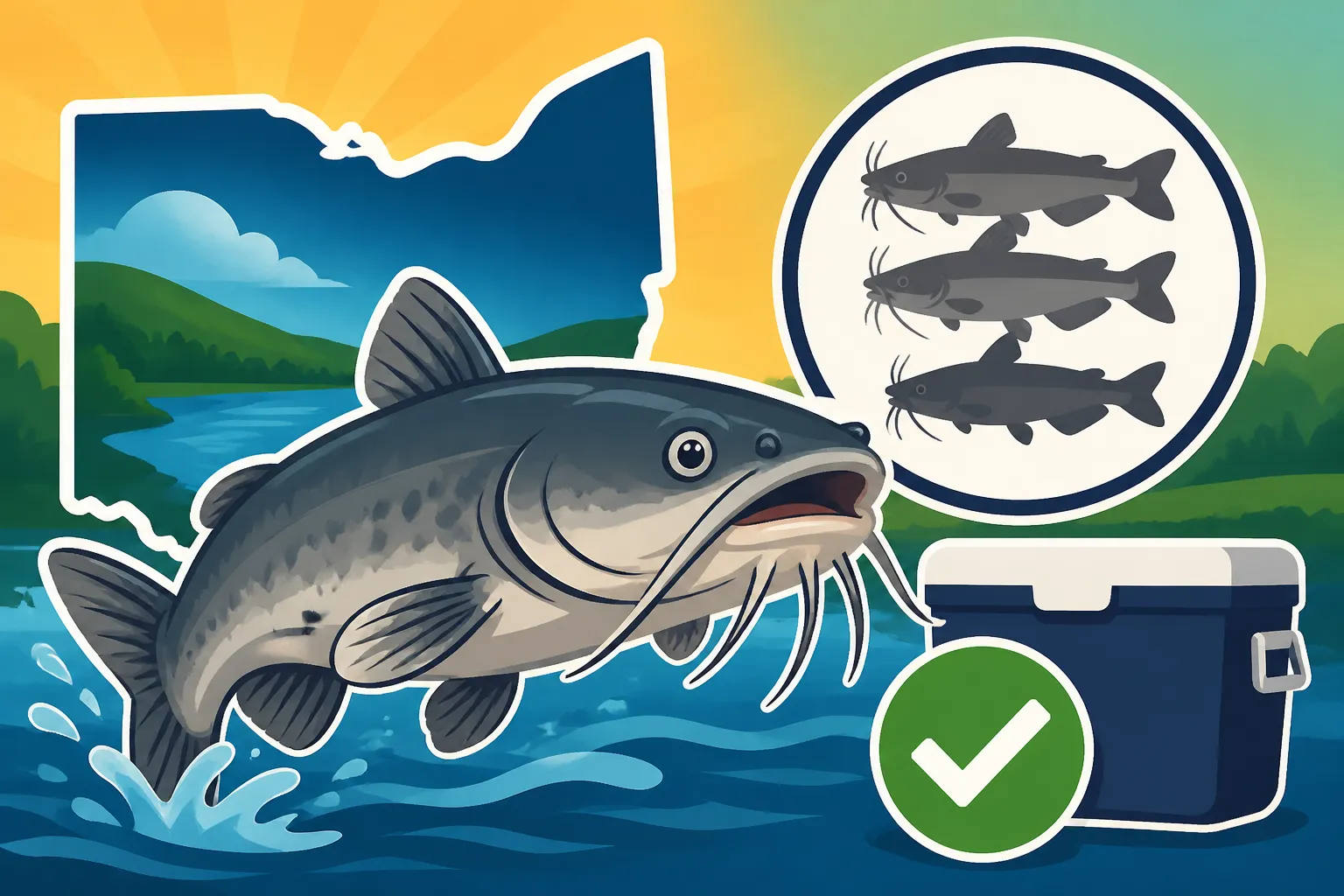
Typically, you are permitted a daily bag limit of ten (10) catfish in total. This means that regardless of whether you're catching plump channel cats, hefty flatheads, or even a rare blue catfish, your combined catch for the day cannot exceed ten fish. It’s absolutely critical to understand that this is not ten of each species, but rather ten total for all catfish species combined. For example, if you manage to land five channel catfish and then five flathead catfish, you have reached your daily limit. Any additional catfish caught after that point, whether channel, flathead, or blue, must be immediately and carefully released. This aggregate rule applies to most public waters across the state, from smaller, quiet farm ponds to extensive inland reservoirs like Hoover or Alum Creek.
This general daily limit is meticulously crafted to strike a balance: it aims to prevent overharvesting, which could harm future populations, while still allowing recreational anglers to bring home a respectable number of fish for their dinner table. Understanding this core regulation can save you a lot of headaches, and potentially costly fines, in the long run. Always make it a practice to double-check the latest regulations. You can often find the current "Ohio Fishing Regulations Every Angler Should Know" booklet at local bait and tackle shops, or conveniently view it online on the ODNR website.
Exceptions and Special Regulations
Now, as is often the case with many rules and guidelines in life, there are always a few exceptions to the general statewide catfish limits. While the ten-catfish daily limit is indeed widespread and covers most situations, certain specific bodies of water in Ohio may have their own unique, more localized regulations. This is where it can get a little more nuanced, and why investing a few minutes in research before you head out to an unfamiliar fishing spot truly pays off.
Specific waters, particularly those involved in special fisheries management programs or those with unique ecological characteristics, might deviate from the standard rules. For instance, some smaller, more intensively managed lakes or specific stretches of larger rivers could potentially have a reduced daily limit for catfish, or even different aggregate limits focusing on particular species. It's also not unheard of for certain length limits to be imposed on specific catfish species in localized areas, although this is more common for game fish like bass or walleye. An example might be a river known for producing exceptionally large, trophy-class flatheads; such an area might implement a minimum size requirement or even a slot limit to help protect those valuable, mature breeding fish. This kind of localized regulation is particularly relevant in some sections of the Ohio River, which sometimes falls under specific Special Fishing Rules on the Ohio River that might differ from statewide norms.
Before you even think about dropping your line, especially if you're exploring a new location, it’s always a smart move to verify the specific regulations for that particular lake, reservoir, or river. The ODNR website is an invaluable resource, often providing detailed maps and up-to-date rules specific to individual fishing spots. You definitely don't want to be caught off guard, especially after an otherwise fantastic day of fishing, only to discover you've inadvertently violated a local rule. A quick check of the regulations can make all the difference between a successful, enjoyable, and completely worry-free trip, and a frustrating encounter with a wildlife officer.
Why Ohio Implements Catfish Limits
It's natural to wonder about the rationale behind these limits. Isn't fishing primarily about catching as much as you can? Well, not exactly, not anymore. These regulations aren't just arbitrary lines drawn by some bureaucratic entity; they are carefully and thoughtfully designed to protect our precious natural resources and to ensure that future generations of anglers can enjoy the exact same fantastic fishing opportunities that we cherish today. At its core, it's all about long-term sustainability.
Population Management and Sustainability
The fundamental reason for establishing daily bag limits on catfish, or indeed any fish species, is to effectively manage the population and safeguard its long-term health and sustainability. Without these limits, it becomes incredibly easy for a popular and desirable species like catfish to be overharvested, particularly in waters that experience significant fishing pressure from many anglers.
Consider this scenario: if every angler were to keep every single catfish they caught, regardless of its size or the total number, it wouldn't take long—perhaps just a few seasons—for the local population to experience a dramatic decline. This could lead to a host of negative outcomes: fewer fish overall, a reduction in the average size of fish, and ultimately, a potential collapse of the fishery in that specific area. The ODNR employs highly skilled biologists who meticulously study fish populations. They analyze crucial factors such as spawning success rates, individual fish growth rates, and angler catch data. Based on this robust scientific information, they determine what levels of fish harvest are truly sustainable for each species. The daily bag limit of ten combined catfish is a carefully calculated figure that aims to allow recreational anglers to enjoy their catch and bring home fish for consumption, while simultaneously leaving a sufficient number of fish in the water to reproduce and mature. This proactive and science-based approach ensures that our children and grandchildren will still be able to experience the pure joy and excitement of reeling in a chunky channel cat or a formidable flathead. It truly represents a critical investment in the enduring future of Ohio fishing.
Protecting Trophy Catfish
Beyond simply managing overall population numbers, daily bag limits also play a profoundly important role in protecting those truly exceptional, awe-inspiring trophy-sized catfish. We all dream of landing a fish that could rival the Ohio State Record Channel Catfish Weight, or a massive flathead that tips the scales, and these carefully considered limits help to make that dream a more realistic possibility for a greater number of anglers.
Large, mature catfish, especially the impressive flatheads and the powerful blue catfish, are often the most effective and prolific spawners within their respective populations. They contribute significantly to the genetic diversity, overall health, and robust nature of the entire catfish population. If there were no limits, or if the limits were set excessively high, these large, highly desirable fish could be targeted and removed from the aquatic ecosystem far too quickly, leading to a decline in genetic quality and reproductive potential. By maintaining a reasonable daily limit, particularly when combined with potential size restrictions in specific areas (though these are less common for catfish than for some other game fish in Ohio), the ODNR helps ensure that a healthy number of these large, breeding fish remain in the water. This strategic approach helps to maintain a robust and healthy age structure within the population, meaning there's a good mix of young, growing fish and older, larger fish, which is a hallmark of a thriving and resilient fishery. So, when you thoughtfully release that extra-large catfish after reaching your legal limit, you're not just adhering to the rules; you're actively contributing to the overall health and future prosperity of the fishery, helping to ensure that there will be plenty of monstrous catfish for everyone to chase for years to come.
Understanding Species-Specific Catfish Regulations
While the aggregate daily limit of ten total catfish serves as the general rule across Ohio's waters, it's incredibly valuable to delve a little deeper into the specific catfish species you are most likely to encounter in the state and any subtle nuances in their regulations. Ohio truly offers some fantastic catfishing opportunities, with three primary species making up the bulk of an angler's potential catch. Knowing how to identify your fish accurately is just as important as knowing the specific limits that apply!
Channel Catfish Rules
The channel catfish is, without a doubt, Ohio's most widespread, accessible, and arguably most popular catfish species. You can find these adaptable fish in almost every significant body of water across the state, ranging from small, meandering creeks to large inland reservoirs, and even the expansive waters of Lake Erie. They are typically identifiable by their deeply forked tails, their smooth, scaleless skin, and often, scattered dark spots, especially when they are younger. For a detailed guide on how to spot these common fish, check out our Ohio Channel Catfish Identification. These fish are known for being prolific breeders and tend to be quite abundant, making them a reliable target for many anglers.
For channel catfish, the statewide daily bag limit falls squarely under that general ten (10) total catfish aggregate rule. Typically, there isn't a specific minimum size limit for channel catfish in the vast majority of Ohio waters. This means that if you catch a channel catfish, regardless of its length, it counts towards your ten-fish daily total. Their widespread abundance and adaptability make channel cats a fantastic target for anglers looking to fill a cooler for a delicious fish fry. Because their populations are generally robust and resilient to fishing pressure, the ODNR maintains confidence in the ten-fish combined limit. Just be sure to remember, once you've hit your total catfish count for the day, any further channel cats you catch must be carefully released back into the water, even if they're biting voraciously.
Flathead Catfish Rules
Ah, the flathead! These are truly the colossal giants of Ohio's catfish world, renowned for their distinctive broad, flat heads, their striking mottled brown and yellow-gold camouflage coloration, and their incredibly powerful, tenacious fights. Flatheads typically prefer larger river systems and seek out deep, complex woody cover, such as submerged logs, rootwads, and brush piles. This makes them a prime target for dedicated anglers on the Ohio River Fishing Guide, or other expansive riverine environments. For anglers who want to accurately distinguish these powerful predators, an Ohio Flathead Catfish Identification guide can be incredibly helpful.
Like their channel catfish cousins, flathead catfish are included in the overall ten (10) total catfish daily bag limit. However, due to their typically slower growth rates and their tendency to be less abundant than channel cats in many waters, many experienced anglers often choose to practice catch and release for these magnificent fish, especially the truly large, trophy-class specimens, even if they haven't yet reached their legal daily limit. While there isn't a statewide minimum size limit specifically for flatheads, embracing responsible angling practices often means thinking consciously about the long-term health and future of the fishery. These big, predatory brutes play a crucial role in the aquatic ecosystem, and maintaining a healthy population of them helps ensure ecological balance. If you are specifically targeting flatheads, it's always wise to perform that crucial check for any specific local regulations that might apply to your chosen fishing spot, as certain stretches of Ohio's larger rivers might have unique provisions designed to protect these highly prized, trophy-class fish.
Blue Catfish Presence and Regulations
Now, let’s discuss the blue catfish. These impressive fish are, in a sense, relative newcomers to Ohio's prominent fishing landscape, at least in terms of significant, established populations. Historically, blue cats were more commonly found in the southern states and the lower reaches of the Ohio River basin. However, thanks to a combination of strategic stocking efforts and natural upstream migration, blue catfish are becoming an increasingly noticeable presence in larger Ohio rivers, particularly the Ohio River itself. They are easily recognizable by their distinctive slate-blue coloration, smooth skin, and a deeply forked tail, which can sometimes lead to confusion with channel cats, though blues typically grow considerably larger and often exhibit a noticeable humped back. If you’re curious about accurately identifying these burgeoning giants, there’s an excellent guide on Ohio Blue Catfish Identification.
If you are fortunate enough to encounter blue catfish during your angling adventures, they too fall under the general ten (10) total catfish daily bag limit. As a species that is still relatively new and establishing itself in certain Ohio waters, particularly those benefiting from stocking programs, anglers should remain extra vigilant for any specific regulations that might be introduced by the ODNR in the future. As their populations continue to establish and expand, the ODNR might implement special rules specifically for blue catfish to manage their integration into the existing aquatic ecosystems. As of now, they are generally counted as part of the overall catfish aggregate, but staying proactively informed through official ODNR channels is always the most prudent policy. Always ensure your fishing scales are robust enough to handle these potentially colossal fish; you can find sturdy, reliable digital scales on Amazon that are perfect for accurately weighing a big catch before you decide whether to keep or release it.
Here's a handy table summarizing the general statewide daily bag limits for catfish in Ohio:
| Catfish Species | General Statewide Daily Bag Limit | General Statewide Minimum Size Limit | Notes |
|---|---|---|---|
| Channel Catfish | 10 (combined total with other species) | None | Ohio's most widespread and abundant catfish species. |
| Flathead Catfish | 10 (combined total with other species) | None | Can grow to trophy sizes; always check local river rules. |
| Blue Catfish | 10 (combined total with other species) | None | Increasingly present in larger rivers; verify local rules as populations expand. |
| Combined Total | 10 Catfish | N/A | This limit applies to all catfish species in aggregate per licensed angler per day. |
Note: Always consult the current official Ohio Fishing Regulations for the most up-to-date and specific rules pertaining to your intended fishing location, as localized exceptions and changes can and do occur.
Practical Strategies for Adhering to Catfish Limits
Knowing the regulations is a crucial first step, but practically applying them while you're out on the water, especially when the fishing is fast and furious, can sometimes be a genuine challenge. No angler wants to inadvertently break a regulation or face a penalty. Here are some real-world, actionable tips to help you stay compliant and truly enjoy your fishing trip without any underlying worries or potential legal issues.
Keeping Track of Your Catch
This might seem like a simple piece of advice, but in the thrilling midst of a strong bite, it's surprisingly easy to lose accurate count of your kept fish. Imagine you're enjoying a fantastic day out, perhaps with a few friends, and the catfish are consistently hammering your bait. Before you know it, you could potentially have a cooler full of fish and inadvertently exceed your legal limit.
The best practice for any responsible angler is to establish a clear and consistent system for tracking your catch. If you intend to keep fish, count each one diligently as it goes into your livewell or cooler. Some anglers find it helpful to use a small, handheld tally counter, which can be easily purchased on Amazon or at any sporting goods store. Others simply keep a mental note, reinforced by placing their kept fish in a separate bag or a clearly defined section of their cooler. If you're fishing with multiple people in your boat or along the bank, it is absolutely essential to ensure that every individual in your party fully understands the individual daily bag limit. This is not a collective boat limit; it is a strict limit per licensed angler. This distinction is critically important, and misunderstanding it can unfortunately lead to unintentional violations for the entire group. When you're fishing a popular spot near Columbus, for instance, or any well-known fishing destination, wildlife officers are actively patrolling, and they fully expect you to know and abide by the rules. Being organized and transparent about your catch is a hallmark of a responsible angler and significantly helps ensure that everyone gets to keep their fair share without breaking the law.
Measuring and Identifying Your Catfish
While Ohio thankfully does not impose minimum size limits on most catfish species statewide, accurately identifying your catch remains incredibly important. This is especially true if you are fishing in a specific location that has unique size or species-related regulations. For example, if you happen to be in a particular stretch of a river that does have a minimum size limit for flatheads, you absolutely need to be able to tell a flathead from a channel cat quickly and with certainty. A comprehensive Ohio Blue Catfish Identification, or an Ohio Flathead Catfish Identification, guide can be incredibly helpful in these situations, allowing you to make quick, informed decisions.
It’s always a smart idea to carry a reliable measuring device with you, such as a sturdy bump board or a flexible tape measure. This ensures you can quickly and accurately check any fish against a potential length limit, should one apply to your specific fishing location. Make an effort to practice identifying the different catfish species commonly found in Ohio. Channel cats are characterized by their deeply forked tail, while flatheads possess a very flat, shovel-like head and a more rounded, often slightly notched, tail. Blue cats, on the other hand, also have a deeply forked tail similar to channels but typically attain much larger sizes and often exhibit a noticeable dorsal hump. If you ever find yourself in doubt about a fish's exact identity or its size in relation to a specific regulation, the safest and most responsible course of action is always to release it unharmed. It's far better to be safe than sorry and avoid any potential issues or penalties from local authorities who are diligently enforcing the essential Ohio Fishing Regulations Every Angler Should Know.
Responsible Angling and Enforcement
Ultimately, successfully adhering to catfish limits, along with all other fishing regulations, boils down to a commitment to responsible angling. It's about demonstrating respect for the fish populations, the health of the fishery itself, and the carefully considered rules that have been established to protect them for the enjoyment of all. This means not only following the precise letter of the law but also truly understanding and embodying the spirit of conservation that underpins these regulations.
Ohio's wildlife officers are highly trained and dedicated professionals who work tirelessly day in and day out to protect and preserve the state's invaluable natural resources. If you are ever stopped or approached by an officer, always be courteous, cooperative, and have your valid Ohio Fishing License Guide for Residents and Nonresidents, along with any other required documentation, readily available. Understand that their primary role is not to simply ruin your day, but rather to ensure fair play among all anglers and to uphold vital conservation principles. It’s crucial to remember that ignorance of the law is generally not considered a valid defense if you are found to be over the daily limit or in violation of other fishing rules. If you unfortunately happen to exceed the daily limit for catfish, or catch an undersized fish in a regulated area, the potential consequences can range significantly, from monetary fines to the confiscation of your hard-earned catch, and in more severe cases, even your fishing gear. Believe me, finding out What Happens If You Fish Without a License in Ohio, or breaking other established rules, is absolutely not how you want to conclude what could have been a perfectly enjoyable day of fishing. It is always far better to be adequately prepared, to thoroughly know the rules, and to fish responsibly, thereby helping to ensure that the fantastic opportunities for fishing in Ohio's bountiful waters will continue to be available and thriving for everyone, for many years to come.
Disclaimer
Please note that fishing regulations, including daily bag limits, size restrictions, and specific area rules, are dynamic and subject to change by the Ohio Department of Natural Resources (ODNR). While every effort has been made to provide accurate and up-to-date information in this guide, it is ultimately the individual angler's personal responsibility to consult and adhere to the most current regulations published by the ODNR before engaging in any fishing activities. This content is provided for general informational purposes only and should not be considered a substitute for official legal guidance or the latest official ODNR publications.