Ohio State Record Saugeye
Have you ever stared at a beautiful fish, proud of its size, only to wonder if it's truly what you think it is? For many anglers in Ohio, that question often arises when they land a saugeye, a fantastic hybrid that frequently gets mistaken for its walleye or sauger cousins. But for those dreaming of etching their name into the Ohio record books, distinguishing a saugeye from other species is the crucial first step. This guide will take you deep into the world of Ohio's state record saugeye, exploring what makes these fish so special, where to find them, and what it takes to land a true trophy.
Understanding the Elusive Saugeye in Ohio Waters
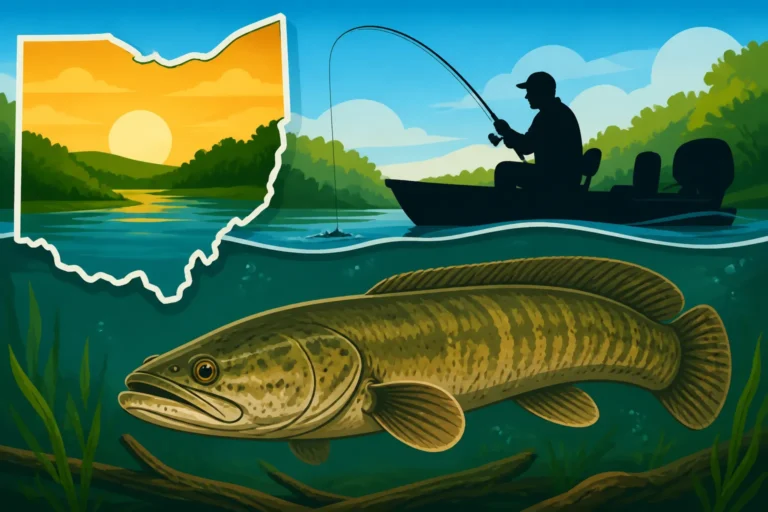
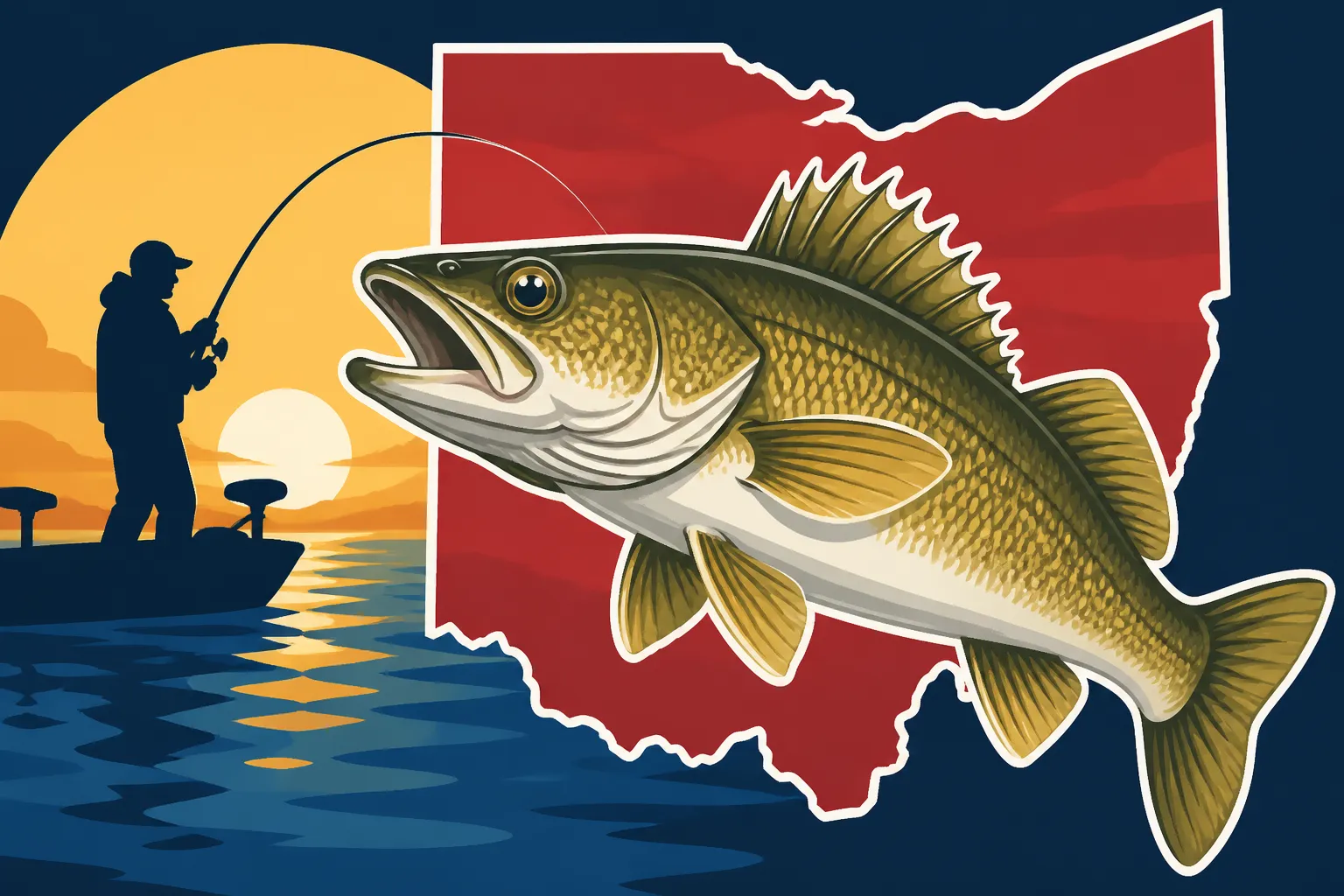
Saugeye are truly a unique catch in Ohio, a magnificent hybrid cross between a female walleye and a male sauger. They offer the best characteristics of both parents: the aggressive bite and fighting spirit of a walleye, combined with the hardiness and willingness to strike in a wider range of conditions, much like a sauger. Ohio actively stocks saugeye in many inland reservoirs and lakes to provide excellent fishing opportunities, particularly in waters where pure walleye might struggle. This makes them a prime target for anglers looking for a challenging and rewarding fishing experience, and sometimes, a truly monstrous catch.
What Makes a Saugeye So Special?
From an angler's perspective, saugeye are incredible. They grow faster than sauger and often surpass the typical size of walleye in many inland impoundments. Their meat is firm, flaky, and delicious, making them a highly prized table fish. But beyond the dinner plate, it's their unpredictable nature and powerful runs that capture the hearts of anglers. You never quite know what to expect when a saugeye hits, and a truly large one can test your gear and your resolve. They thrive in turbid (murky) waters but also do well in clearer impoundments, making them adaptable and present in a diverse range of Ohio's fishing spots.
The Thrill of the Chase for a State Record
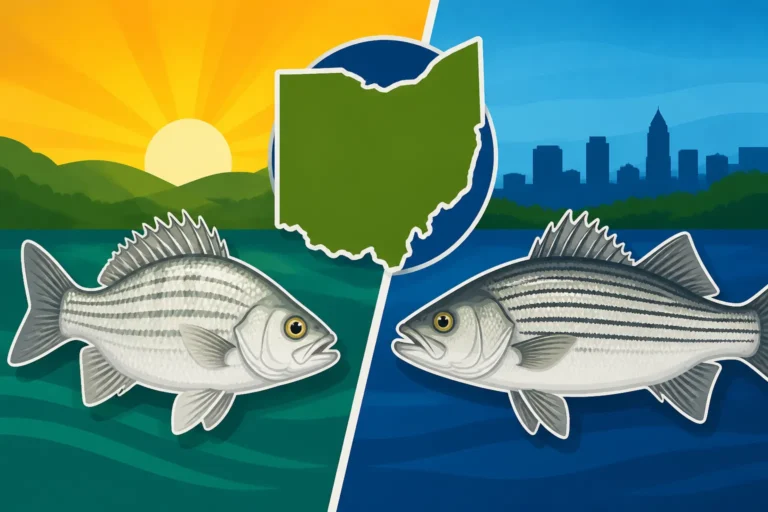
Every angler, deep down, harbors the dream of catching a fish so immense it earns a place in the record books. For saugeye, this dream is particularly potent in Ohio, given the successful stocking programs that have cultivated healthy populations of large fish. Chasing a state record saugeye isn't just about the size; it's about the dedication, the countless hours spent on the water, the meticulous planning, and the sheer luck that all have to align perfectly. It's a testament to an angler's skill and understanding of the species, and it's a story that will be told for generations. It’s also important to know your fish, and a quick look at Ohio Saugeye vs Walleye Identification can save a lot of heartache and confusion when you're convinced you've landed a record breaker.
The Ohio State Record Saugeye: A Legacy of Giants
The Ohio state record saugeye isn't just a number; it represents the pinnacle of saugeye fishing in the state. This record isn't easily broken, standing as a testament to the immense size these hybrid fish can achieve in Ohio's rich waters. It takes a truly exceptional specimen, caught under the right conditions, to claim such an honor.
Breaking Down the Record Holder
The current Ohio state record saugeye stands at an impressive weight, length, and girth. This fish was a monster, far surpassing what most anglers will ever encounter. Imagine the fight, the adrenaline, and the careful handling required to land such a magnificent creature! The record-setting catch typically sparks renewed interest in saugeye fishing, inspiring others to hit the water with hopes of besting the current champion. Details often include the specific lake or reservoir where it was caught, the angler's name, and even the bait or lure used – all critical pieces of information for those aspiring to join the ranks of record holders.
What It Takes to Catch a Record Saugeye
Landing a fish worthy of a state record isn't just about luck; it's a culmination of preparation, knowledge, and perseverance. Anglers who consistently catch large saugeye often possess a deep understanding of their target species' behavior, habitat, and feeding patterns. They spend hours studying depth charts, understanding current flows, and observing baitfish movements. They meticulously choose their gear, ensuring their rods, reels, and lines are perfectly matched for the heavy fight a trophy saugeye can deliver. It’s a pursuit that demands patience and a willingness to learn from every trip, successful or not. For more general guidelines, consider reviewing Ohio Fishing Regulations Every Angler Should Know to ensure all your efforts are within legal bounds.
Where Ohio's Trophy Saugeye Lurk
While saugeye are stocked across many Ohio waters, some locations consistently produce larger, record-potential fish. These are the spots where the unique combination of forage, habitat, and water management creates the perfect environment for saugeye to grow to exceptional sizes.
Prime Saugeye Waters in Ohio
Ohio boasts several reservoirs renowned for their saugeye populations, and particularly for the chance to hook into a true giant. Lakes like Hoover Reservoir, Alum Creek Lake, and Mosquito Creek Lake are often cited as prime destinations for saugeye fishing. These bodies of water offer diverse structures, ample baitfish, and depths that allow saugeye to thrive and grow. Each lake has its own nuances, from the forage base to the prevalent structures, which influence where and how saugeye will hold and feed. For instance, anglers often find success around drop-offs, submerged timber, or rocky humps in these larger impoundments. If you're looking for more general saugeye hot spots, Best Ohio Reservoirs for Walleye and Saugeye provides an excellent starting point.
| Reservoir Name | Key Characteristics | Common Saugeye Size Range (Inches) | Best Known For |
|---|---|---|---|
| Hoover Reservoir | Large, deep, urban access, diverse forage | 15-22 | Abundant numbers, good size, close to Columbus |
| Alum Creek Lake | Large, clear, good structure, muskie population | 16-24 | Trophy potential, often caught with muskie gear |
| Mosquito Creek Lake | Large, shallow, turbid, excellent for trolling | 14-20 | High catch rates, strong populations |
| Indian Lake | Shallow, fertile, popular recreation lake | 14-20 | Consistent action, good for early season |
| Deer Creek Lake | Deep, clear, good forage, popular with local anglers | 15-22 | Healthy population, decent size |
Note: These are general characteristics and ranges; individual fish can be larger or smaller.
Seasonal Patterns for Giant Saugeye
Just like any other species, saugeye behavior is heavily influenced by the seasons. Understanding these patterns is critical for targeting trophy fish.
- Spring: As water temperatures rise, saugeye move shallower to feed aggressively after the spawn. This is a prime time for shore anglers and those casting from boats in shallower bays and points.
- Summer: During the heat of summer, saugeye often retreat to deeper, cooler waters, often suspending over structure or congregating around thermal breaks. Trolling with crankbaits or deep jigging become effective tactics.
- Fall: The autumn bite is legendary. Saugeye feed heavily in preparation for winter, moving back into shallower feeding zones, especially during low-light conditions. This can be one of the best times to catch a true giant.
- Winter (Ice Fishing): For dedicated ice anglers, saugeye provide excellent action. They often hold to structure in deeper basins, and jigging with spoons or small swimbaits can be incredibly productive. Remember to always prioritize safety when ice fishing, and know How Thick Ice Should Be Before Fishing in Ohio.
Understanding the Habitat
Trophy saugeye, much like their walleye relatives, are often ambush predators. They relate heavily to structure – anything from submerged humps, rock piles, old creek channels, ledges, or standing timber. They prefer areas where they can easily intercept baitfish moving along these features. Understanding how to read your electronics to identify these structures, and then positioning your boat or casting to them effectively, is paramount. Often, the biggest saugeye will hold just off the main structure, using it as cover before ambushing prey.
Techniques and Tackle for Record-Breaking Saugeye
To land a state record saugeye, you can't just throw out any old line and hope for the best. You need specialized techniques and reliable gear that can stand up to the challenge.
Go-To Lures and Baits
When it comes to tempting a giant saugeye, anglers often rely on a combination of artificial lures and live bait.
- Jigs: Jigging is incredibly effective, especially when saugeye are holding to structure. Bucktail jigs, hair jigs, and jigs tipped with soft plastics (like twister tails or paddle tails) are all excellent choices. Vary your retrieve and jigging motion until you find what triggers a strike.
- Crankbaits: Trolling or casting lipless and diving crankbaits can cover a lot of water and entice aggressive saugeye. Choosing the right color and dive depth to match the conditions and depth where the fish are holding is crucial.
- Live Bait: Minnows are a perennial favorite for saugeye, whether fished on a jig, under a slip bobber, or on a crawler harness. Shiners, chubs, and even large nightcrawlers can also be effective. The appeal of live bait is often undeniable to a hungry saugeye. You can often find a good selection of live bait and tackle at local bait shops, but for specific gear, checking Amazon for things like specialized hooks or bobbers can be quite convenient.
- Blade Baits & Spoons: These can be deadly, especially when saugeye are schooled up or suspended. The flash and vibration can draw strikes from reluctant fish.
Learning techniques like How to Rig a Slip Bobber for Saugeye can significantly improve your success rate, especially when fishing with live bait.
Essential Gear for Trophy Hunting
A record-breaking saugeye demands robust and sensitive gear. You need a setup that can detect the subtle tap of a bite in deep water, yet possess the backbone to handle a powerful fish.
- Rods: A medium-light to medium power spinning or casting rod, typically 6'6" to 7'6" in length, with a fast action tip is ideal. The sensitive tip allows for bite detection, while the backbone helps set the hook and fight the fish.
- Reels: Pair your rod with a high-quality spinning or baitcasting reel that has a smooth drag system. A reliable drag is crucial to prevent line breaks during powerful runs.
- Line: Many trophy saugeye anglers prefer braided line for its sensitivity and strength, often using a monofilament or fluorocarbon leader for stealth and abrasion resistance. A good quality monofilament can also be effective, offering some stretch to absorb head shakes. Make sure your line is fresh and regularly inspected for nicks and abrasions. You can often find premium fishing lines and leaders on Amazon at competitive prices.
- Net: A large, rubberized landing net is essential. It protects the fish's slime coat if you plan to release it, and it prevents hooks from tangling in the mesh, making for a safer, quicker landing, especially crucial when dealing with a potential state record.
The Patience and Persistence Factor
More than any specific lure or technique, catching a state record saugeye often comes down to pure patience and persistence. There will be slow days, frustrating bites, and missed opportunities. But the anglers who consistently put big fish in the boat are those who learn from every outing, adapt their strategies, and keep fishing with unwavering determination. It's a mental game as much as a physical one, and the reward for that persistence can be a fish of a lifetime.
Official Recognition and Verification
So, you've caught what you believe is a new state record saugeye. Congratulations! But the journey isn't over yet. The Ohio Department of Natural Resources (ODNR) has a strict process for verifying state record fish, ensuring the integrity of the record books.
The ODNR Process for State Records
If you believe you've caught a state record, the first thing you need to do is keep the fish alive if possible, or preserve it carefully. Contact the ODNR Division of Wildlife immediately. They will guide you through the process, which typically involves:
- Contacting a Certified Scales: The fish must be weighed on a state-certified scale, usually found at post offices, grocery stores, or some bait shops. This scale must be capable of weighing accurately to the nearest ounce.
- Measurements: Precise measurements of the fish's length (from tip of snout to tip of tail) and girth (around the widest part of its body) are required.
- Witnesses: At least two independent witnesses, who are not members of your immediate fishing party or family, must be present during the weighing and measuring process.
- Species Identification: A qualified ODNR biologist will need to positively identify the fish as a saugeye. This is critically important, especially with hybrid species, to avoid confusion with walleye or sauger. A quick glance at Ohio Sauger Identification can show you why precise identification is needed.
- Photographs: Clear, high-quality photographs of the fish, showing its full length, girth, and any distinguishing features, are essential.
Documentation is Key
The more documentation you have, the smoother the verification process will be. Besides the official measurements and witness statements, keeping a detailed log of your catch can be helpful. Note the date, time, specific location (if permitted), bait/lure used, water temperature, and any other relevant conditions. Having multiple photos from different angles can assist in identification. Remember, the ODNR wants to ensure every record is legitimate, and thorough documentation helps them do just that.
Catching an Ohio state record saugeye is a monumental achievement, a true testament to an angler's skill, patience, and a little bit of luck. It’s a journey that combines the thrill of the chase with a deep respect for the incredible fish that swim in Ohio's waters. Whether you’re simply enjoying a day on the lake or actively pursuing a trophy, every cast holds the potential for a memory that will last a lifetime. And who knows, maybe that next cast will bring the next state record saugeye to your net!
Disclaimer
This article is for general informational purposes only and does not constitute professional advice. Laws, prices and regulations vary by location and change over time. Consult a qualified professional for guidance on your specific situation.