Ohio State Record Largemouth Bass
There’s nothing quite like the thrill of feeling a massive largemouth bass absolutely smash your lure. Every Ohio angler dreams of that monumental fight, the powerful runs, and finally, lifting a true behemoth out of the water. While many of us are just happy with a respectable five-pounder, there are those who set their sights on the pinnacle: the Ohio state record largemouth bass. This guide will walk you through the details of this legendary catch and what it truly means for the dedicated bass angler.
The Ohio State Record Largemouth Bass: A Legacy of Lunker History
For generations of anglers, the Ohio state record largemouth bass has stood as an almost mythical benchmark, a testament to what's possible in our waters. It represents the ultimate catch, the fish of a lifetime that separates the legends from the everyday catches. Knowing the details of this record isn't just trivia; it's understanding the potential our lakes hold and what kind of dedication it takes to achieve such a feat.
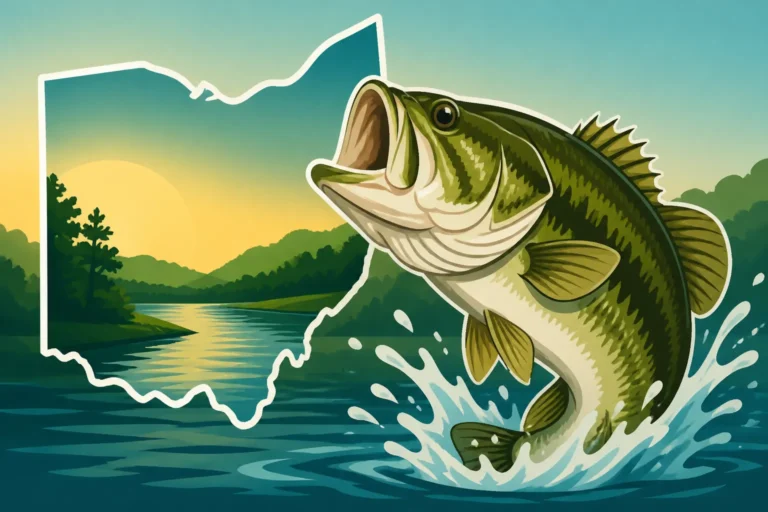
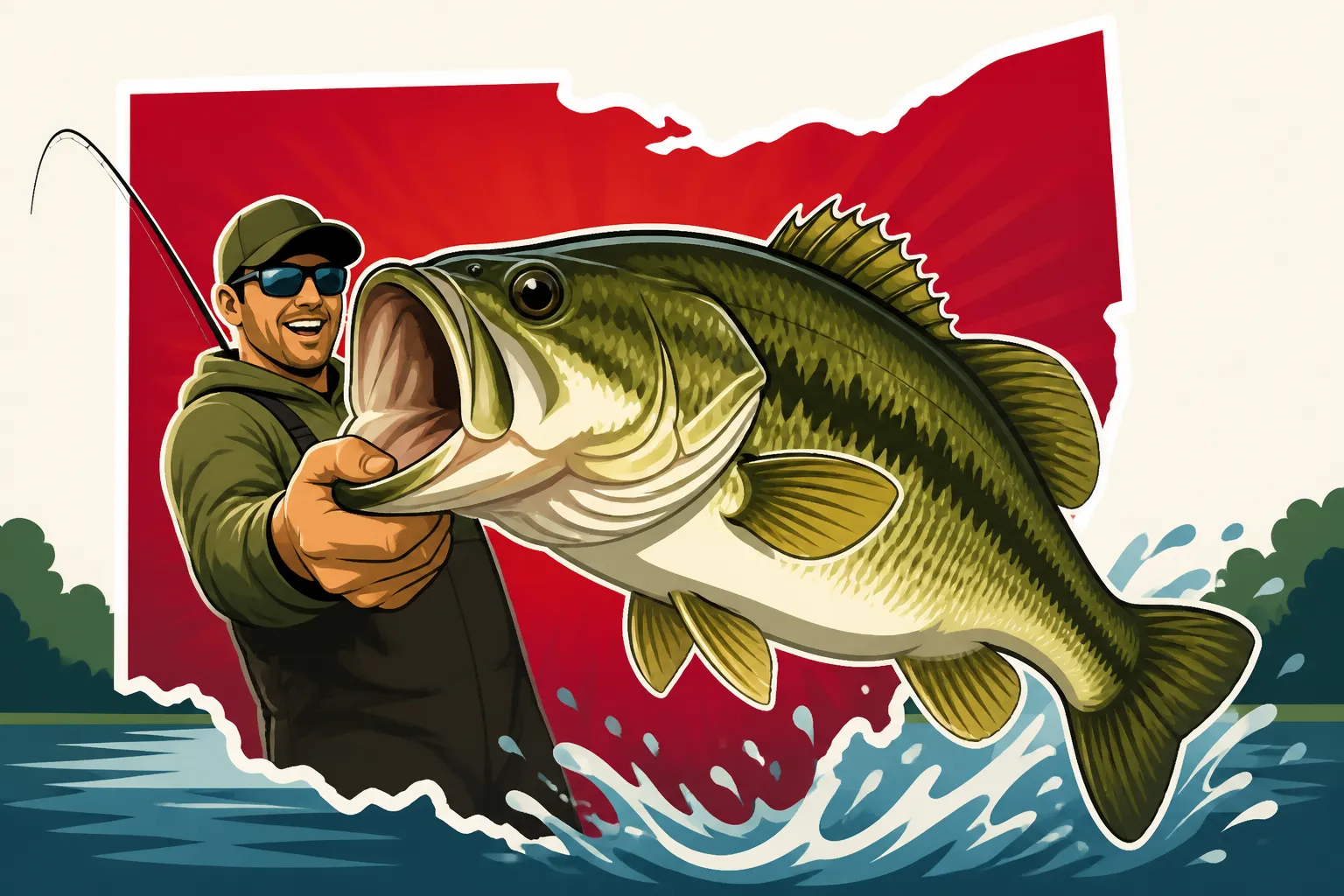
The current Ohio state record largemouth bass is a true monster, weighing in at an astounding 13 pounds, 2 ounces. This incredible fish was caught by Roy Landsberger back in 1976 from the waters of a private pond in Harrison County. Think about that for a moment: 1976! That's over four decades ago, and despite all the advancements in gear, techniques, and angler knowledge, that record has remained unbroken. It speaks volumes about the rarity and sheer size of such a fish. It wasn't caught in a sprawling reservoir or a famous lake, but in a private pond, which often goes to show that some of the biggest fish are hiding in unexpected places, benefiting from less pressure and abundant food.
The Angler Behind the Legend: Roy Landsberger's Enduring Catch
Roy Landsberger's name is etched into Ohio fishing history, a feat many anglers would give anything for. Imagine the day he caught that bass – the anticipation, the fight, and the sheer disbelief as he pulled a thirteen-pound largemouth from the water. It wasn't a world record, but for Ohio, it was everything. His catch became the benchmark, the gold standard against which all other monster largemouths in the state are measured. It highlights the fact that sometimes, it's not the most famous angler or the most expensive gear, but a combination of being in the right place at the right time, with the right bait, and the skill to land a true giant.
The story of Roy Landsberger's catch has inspired countless anglers to keep casting, to explore those smaller, lesser-known waters, and to always believe that the next cast could be the one that produces a new state record. His legacy isn't just about the fish itself, but the enduring hope it offers to every person who picks up a bass rod in Ohio.
The Weight of History: What a 13-Pound Bass Truly Means
A 13-pound, 2-ounce largemouth bass is not just a big fish; it's a magnificent specimen of nature. In terms of size, it's a fish that has managed to avoid anglers, predators, and environmental hazards for many years, growing to an incredible size. For comparison, most anglers consider a 5-pound largemouth a fantastic catch, and a 10-pounder is truly a trophy of a lifetime for many. To exceed that by more than three pounds is simply remarkable.
This weight signifies a fish that has had access to an abundance of food, optimal growing conditions, and perhaps most importantly, minimal stress and fishing pressure in its habitat. It tells us that Ohio's waters, even private ones, have the capacity to grow these incredible fish. It challenges us to think about conservation, habitat management, and ethical angling practices, ensuring that future generations might also have the chance to encounter such a magnificent creature. The record stands as a constant reminder of the incredible potential lurking beneath the surface.
Chasing the Dream: What It Takes to Catch a Giant Ohio Largemouth
Catching a largemouth bass of state record caliber isn't just a stroke of luck; it's a culmination of skill, patience, and a deep understanding of bass behavior. While luck certainly plays a role in any trophy catch, consistently targeting and landing large fish requires a deliberate approach. It means doing your homework, spending countless hours on the water, and often, being willing to adapt and experiment when conditions aren't ideal.
For many, it's a lifelong pursuit. The best anglers aren't just good at casting; they're adept at reading water, understanding forage patterns, and knowing when to switch tactics. They embrace the challenge, knowing that every cast could be the one that connects them to the fish of their dreams. It requires a mindset that celebrates the journey as much as the potential destination. You have to be prepared for days, weeks, or even years of not catching anything remotely close to a record, but still have the passion to go back out there.
Understanding Trophy Bass Habitat: Where Giants Hide
Trophy largemouth bass are not evenly distributed throughout a lake. They are often creatures of habit, holding in specific areas that offer them everything they need: cover for ambush, access to abundant food, and comfortable water temperatures. Think about dense submerged vegetation, thick brush piles, old timber, or deep rock ledges. These spots provide both protection and a prime ambush point for unsuspecting prey. Learning to identify these key structural elements is crucial. A great resource for this is Ohio Largemouth and Smallmouth Bass Minimum Length Limit, which touches on where you might find these fish.
Beyond physical structure, understanding the surrounding environment is key. Are there feeder creeks bringing in nutrients? Is there a healthy population of baitfish like shad or bluegill? Are there areas with cooler, oxygen-rich water during the heat of summer? Trophy bass are efficient predators, and they will gravitate to areas where they can expend minimal energy for maximum caloric reward. They aren't going to be chasing small meals all over a wide-open flat; they'll be hunkered down, waiting for a meal to come to them.
The Right Gear and Techniques: Outfitting for a Monster
When you're targeting a potential state record, your gear choices become paramount. You need equipment that can handle immense pressure and the violent surges of a large fish. A stout baitcasting rod, capable of handling heavy lines and big lures, is essential. Paired with a reel that has a smooth, powerful drag system, you'll have the backbone needed to turn a giant bass away from heavy cover. As for line, many serious lunker hunters opt for heavy fluorocarbon or braided lines, giving them the strength and abrasion resistance to extract fish from gnarly situations. You can find a vast array of specialized bass fishing gear on Amazon, from high-modulus graphite rods to super-strong braided lines.
Technique-wise, targeting trophy bass often involves different approaches than simply catching numbers of smaller fish. Large bass are often solitary and cautious. This means using larger baits that appeal to their predatory instinct for a substantial meal. Think big jigs, massive swimbaits, oversized crankbaits, or even live bait like large shiners or bluegill where legal. Understanding Best Techniques for Ohio Largemouth Bass is critical. Presenting these baits precisely and patiently is also key. Often, it's about making fewer, more deliberate casts into prime areas rather than frantically covering water. Sometimes, a slow, methodical retrieve is all it takes to entice a wary lunker.
Factors Contributing to Giant Largemouth Growth in Ohio
Why do some lakes consistently produce bigger bass than others? It's not usually just one thing, but a delicate balance of ecological factors that allow largemouth bass to not just survive, but truly thrive and reach colossal sizes. Understanding these factors can help anglers identify potential trophy waters and appreciate the complex ecosystems that foster these magnificent fish. It's a combination of nature's bounty and careful management that makes a difference.
Ohio offers a diverse range of water bodies, from natural lakes to sprawling reservoirs and countless private ponds. Each has its own unique characteristics, and those that harbor true giants typically share a few critical components. When conditions align perfectly, a bass can grow exponentially, packing on pounds year after year.
Forage and Environment: A Full Belly and a Safe Home
The number one factor for a largemouth bass to reach trophy size is an abundant and consistent food supply. Bass are opportunistic predators, and the more easily they can find large, caloric meals, the faster and bigger they will grow. Lakes with healthy populations of shad, bluegill, crappie, perch, and even smaller game fish provide the protein necessary for rapid growth. A diverse forage base means that if one food source dips, another is available. Understanding What Largemouth Bass Eat in Ohio Lakes provides insight into their dietary needs.
Beyond food, the overall environmental quality plays a huge role. This includes good water quality (clean, well-oxygenated water), stable temperatures, and plenty of diverse habitat. Areas with extensive aquatic vegetation, submerged timber, or rocky points offer not just ambush cover but also protection from predators and harsh weather conditions. A healthy, balanced ecosystem allows bass to spend less energy foraging and more energy growing. Without a rich larder and safe havens, even the most genetically blessed bass won't reach its full potential.
Angler Practices and Conservation: Protecting the Future of Giants
While natural factors are paramount, human influence, particularly through angler practices, also plays a significant role in the presence of trophy bass. Catch-and-release fishing, especially for larger breeding-size fish, is vital. When anglers responsibly release big bass, those fish get to continue spawning and passing on their desirable genetics for fast growth and large size. Over-harvesting large female bass, which are the primary egg producers, can severely impact a lake's ability to produce future generations of trophy fish.
Conservation efforts, such as habitat restoration projects, stocking programs (when appropriate for genetics), and sensible fishing regulations, all contribute to creating and maintaining environments where bass can grow old and large. Education is also key; knowing about Ohio Statewide Bag and Size Limits helps anglers make informed decisions that benefit the fishery. Responsible angling isn't just about following the rules; it's about being a steward of our natural resources to ensure that the dream of catching a state record remains alive for generations to come.
Where to Hunt for Your Own Ohio Lunker (Realistically!)
So, you're inspired by Roy Landsberger's legendary catch and dreaming of your own Ohio state record largemouth? While replicating a 13-pound bass is incredibly difficult, Ohio still offers fantastic opportunities to catch truly enormous largemouth. The key is to manage expectations and focus your efforts on waters known for producing quality bass, employing smart tactics, and exercising immense patience. Don't expect to catch a record every time, but every trip is a chance for a personal best.
Many anglers spend their entire lives chasing that one special fish, and the journey itself is often more rewarding than the single moment of the catch. The research, the exploration, the challenges overcome – these are the true trophies. Ohio has plenty of lakes that can yield double-digit bass, even if they don't quite hit that elusive 13-pound mark.
Prime Ohio Locations: Known for Big Bass Potential
While the current record came from a private pond, several public waters in Ohio are renowned for their big bass potential. These lakes often have a combination of excellent forage, diverse habitat, and sometimes, specific management practices aimed at fostering trophy fisheries. Some of the Best Ohio Lakes for Largemouth Bass include places like:
- Lake Erie (especially embayments and tributaries): While famous for walleye, the shallow, weedy areas and river mouths connected to Lake Erie can hold surprisingly large largemouth. The vastness provides ample food and cover.
- Alum Creek Lake: Known for its muskie, Alum Creek also boasts a healthy population of largemouth, with anglers regularly pulling out fish in the 5-8 pound range, and occasionally larger. The timber and deep water offer great habitat.
- Caesar Creek Lake: This lake near Dayton is another consistent producer of quality bass, offering good structure and forage.
- Mohawk Dam: A lesser-known gem that often flies under the radar but has a reputation among local bass anglers for producing big fish.
- Private Ponds and Quarries: Never underestimate the potential of smaller, privately managed waters. These often have less pressure and excellent conditions for bass to grow without interruption. Always obtain permission before fishing private property!
The best approach is to research local fishing reports, consult with bait shops in the area, and even explore satellite imagery to identify promising areas with dense cover. Don't be afraid to try different areas, as bass patterns can change throughout the year. You can start your search for fishing reports or specialized maps on Amazon to get a head start.
Patience and Persistence: The Angler's True Virtues
Catching a truly massive largemouth bass, let alone a state record, demands a level of patience and persistence that few endeavors require. You will face countless hours of not even getting a bite, lost fish, and frustrating days on the water. That's just part of the game. The anglers who consistently catch big bass are those who don't give up. They learn from every outing, regardless of success. They analyze conditions, adjust their presentations, and maintain a positive attitude.
It also means being willing to fish in less-than-ideal conditions, like early mornings, late evenings, or even in inclement weather when big bass might be more active. It's about putting in the time and learning from every single cast. Remember, even Roy Landsberger only caught one state record, and it took a lifetime of fishing for him to do it. Embrace the process, enjoy being on the water, and celebrate every fish, big or small. That's the true spirit of bass fishing.
| Factor | Impact on Largemouth Bass Growth |
|---|---|
| Abundant Forage | Direct correlation to growth rate; easier access to large, caloric meals means faster weight gain. |
| Water Quality | Clean, oxygen-rich water with stable pH levels reduces stress and promotes health. |
| Habitat Diversity | Varied cover (weeds, timber, rocks) provides ambush points, refuge, and spawning areas. |
| Water Temperature | Optimal temperature ranges allow for efficient metabolism and feeding throughout the year. |
| Genetics | Inherited traits influence potential maximum size and growth rate. |
| Fishing Pressure | Low pressure allows bass to grow old and large without being caught and stressed repeatedly. |
| Catch & Release | Releasing large, reproductive females allows them to contribute to future generations. |
| Lake Size/Depth | Larger, deeper lakes can offer more stable environments and diverse food sources. |
Disclaimer
This article is for general informational purposes only and does not constitute professional advice. Laws, prices and regulations vary by location and change over time. Consult a qualified professional for guidance on your specific situation.